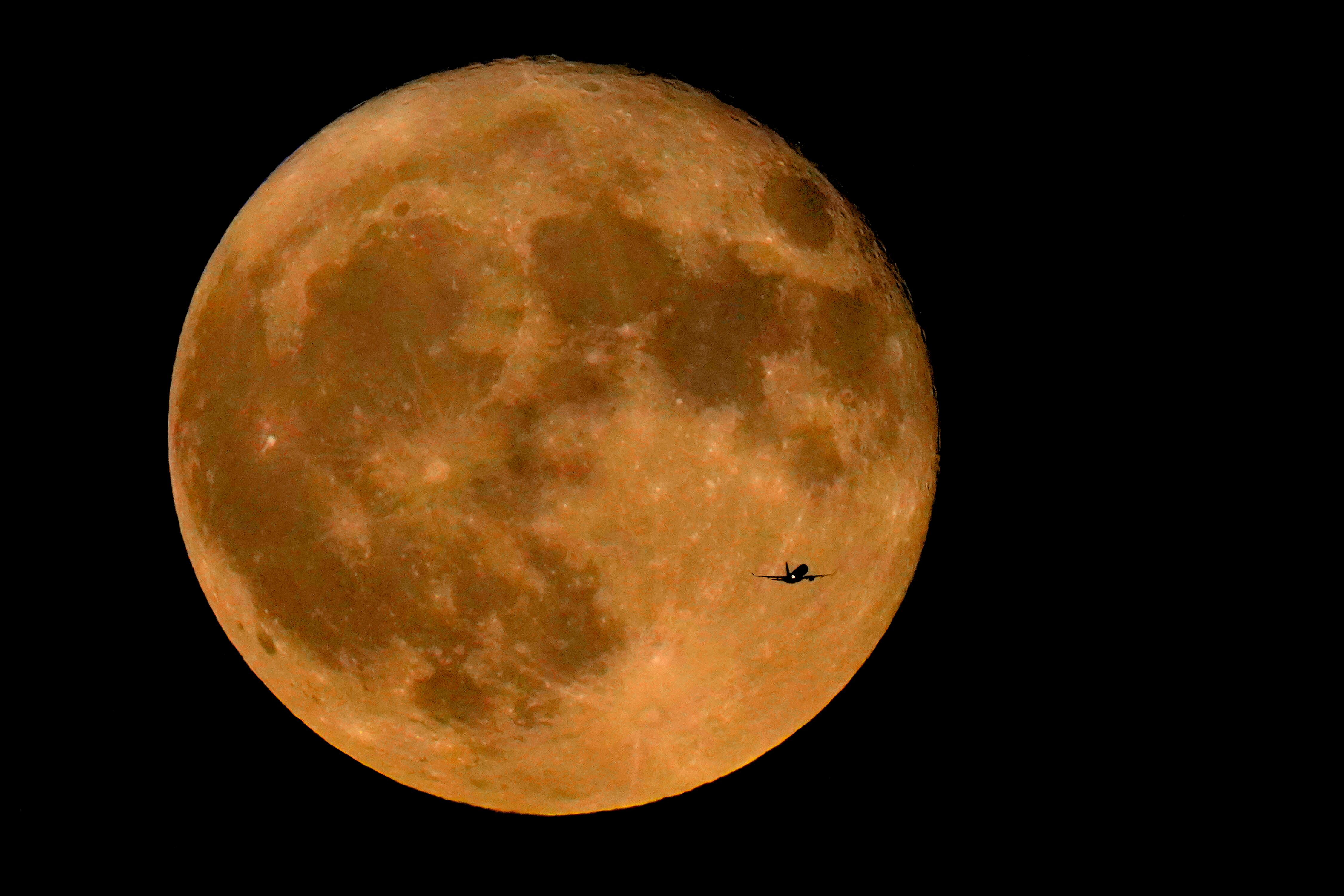
The cosmos is offering up a double feature in August: a pair of supermoons culminating in a rare blue moon.
Catch the first show Tuesday evening as the full moon rises in the southeast, appearing slightly brighter and bigger than normal. That’s because it will be closer than usual, just 222,159 miles (357,530 kilometers) away, thus the supermoon label.
The moon will be even closer the night of Aug. 30 — a scant 222,043 miles (357,344 kilometers) distant. Because it’s the second full moon in the same month, it will be what's called a blue moon.
“Warm summer nights are the ideal time to watch the full moon rise in the eastern sky within minutes of sunset. And it happens twice in August,” said retired NASA astrophysicist Fred Espenak, dubbed Mr. Eclipse for his eclipse-chasing expertise.
The last time two full supermoons graced the sky in the same month was in 2018. It won’t happen again until 2037, according to Italian astronomer Gianluca Masi, founder of the Virtual Telescope Project.
Masi will provide a live webcast of Tuesday evening’s supermoon, as it rises over the Coliseum in Rome.
“My plans are to capture the beauty of this ... hopefully bringing the emotion of the show to our viewers,” Masi said in an email.
“The supermoon offers us a great opportunity to look up and discover the sky,” he added.
This year’s first supermoon was in July. The fourth and last will be in September. The two in August will be closer than either of those.
Provided clear skies, binoculars or backyard telescopes can enhance the experience, Espenak said, revealing such features as lunar maria — the dark plains formed by ancient volcanic lava flows — and rays emanating from lunar craters.
According to the Old Farmer’s Almanac, the August full moon is traditionally known as the sturgeon moon. That’s because of the abundance of that fish in the Great Lakes in August, hundreds of years ago.
This week's episode of Cheddar's Crypto Craze tackles the latest news and trends in this emerging market. Dropbox files to go public. The dow closes the week up more than 300 points. TV personality Kelly Killoren Bensimon is out with a fur slipper line.
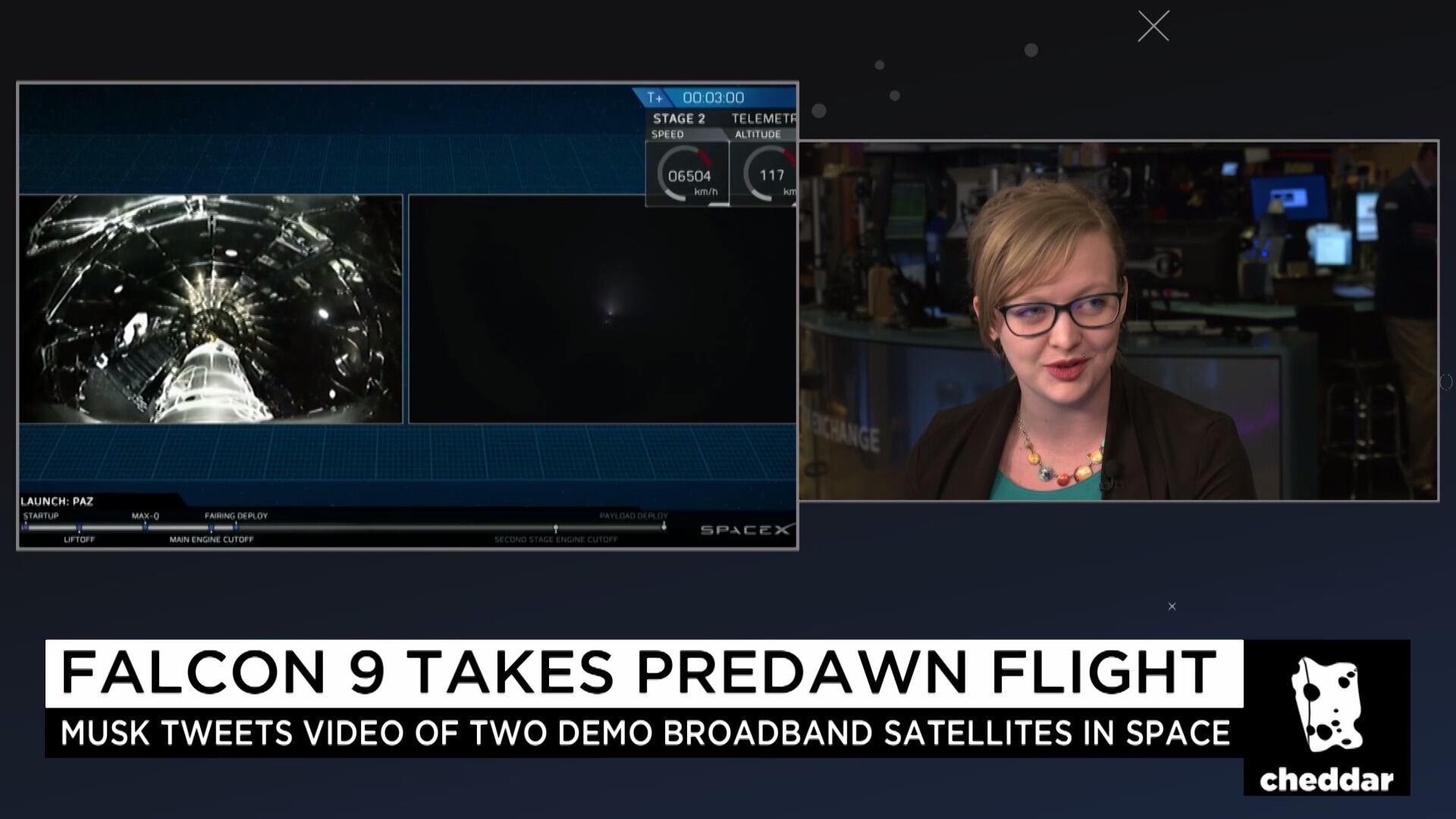
Hanneke Weitering, staff writer at Space.com, discusses SpaceX's launch of the Falcon 9 rocket that carried a Spanish imaging satellite and two demo Starlink broadband test satellites. With this technology, SpaceX hopes to provide high speed, low cost energy across the globe.
Weight Watchers is getting slammed after offering a free membership promotion for teenagers. Project Heal's Kristina Saffran joins Cheddar to discuss the effects early dieting can have on young people's health and wellness.
Cody Gough, podcast host at Curiosity.com, discusses new studies that reveal why we may not want to be around people when we're sick. He also describes the physical characteristics that tell people when we're feeling under the weather.
I-han Chou, senior editor at Nature, discusses a new study about adolescence and how that period of your life influences adulthood.
Concerns over electronics' batteries overheating and potentially exploding have been circling for some time, reaching a head with Samsung's massive recall of its Note Seven phones. That is why KULR Technologies has created technology that protects batteries and material for everything from electric cars to NASA spaceships.
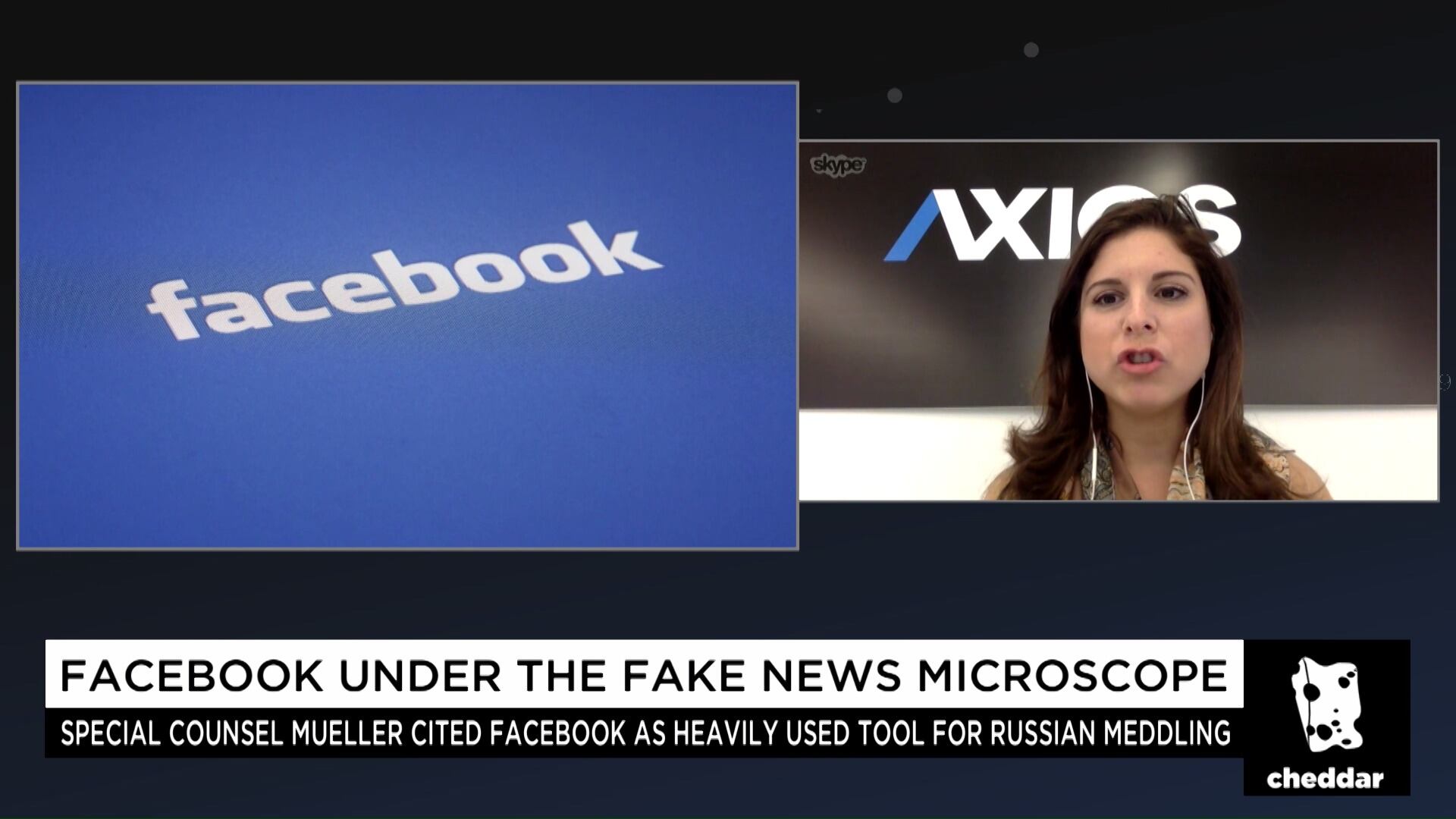
Facebook is back under the microscope for failing to stop the spread of fake news. Sara Fischer, media reporter for AXIOS, joins to explain how the big tech companies are, or are not, addressing the problem.
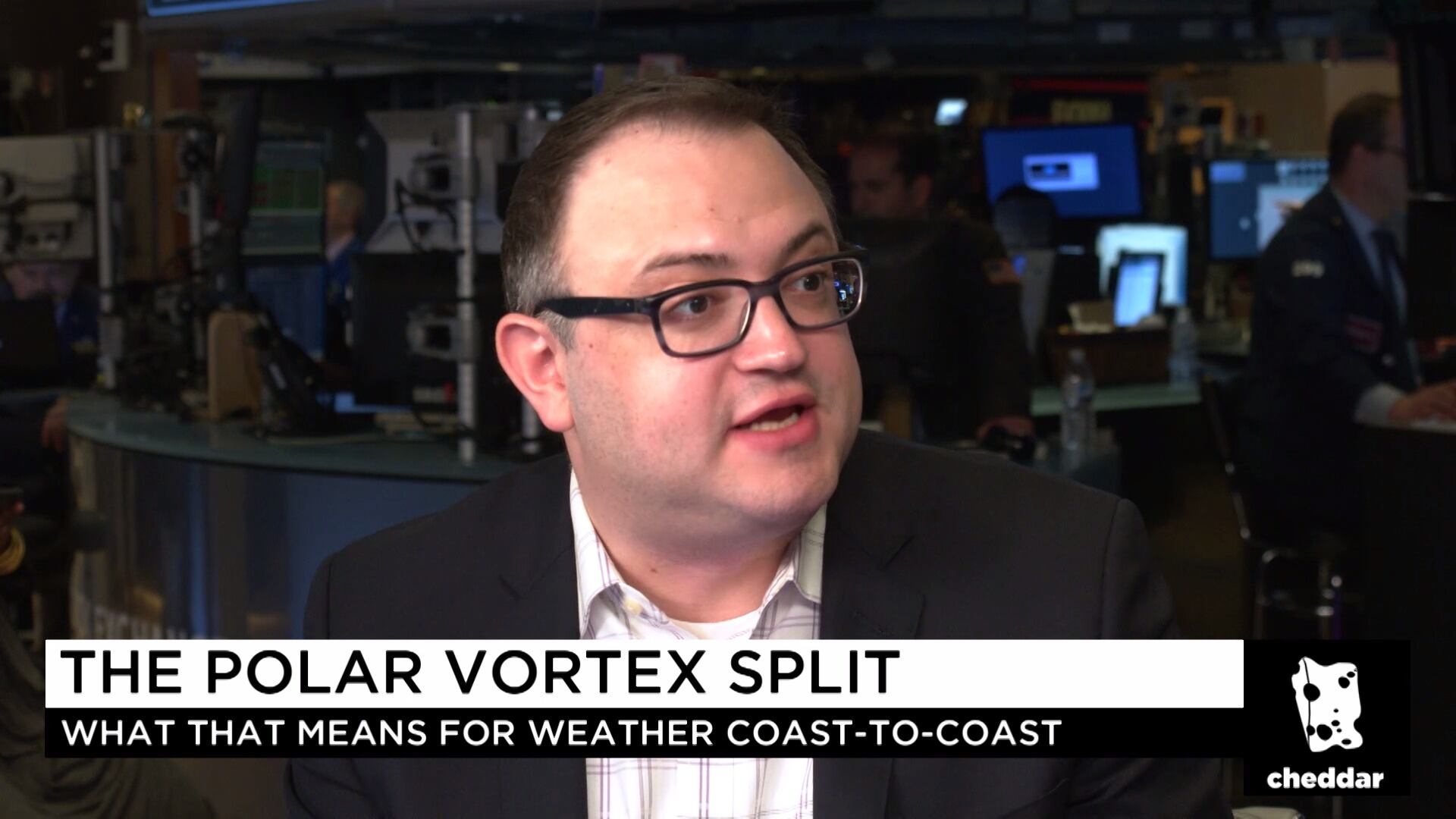
Extreme weather across the nation this week. New York City, Philadelphia, and Washington, D.C. experiencing record high temperatures. Meanwhile, parts of Washington state and Denver are seeing record lows. Mashable's Andrew Freedman explains how the polar vortex split is causing wild weather coast to coast.
Temperatures in Washington, D.C., hit 82 degrees on Wednesday, while the West Coast braced for record lows. Andrew Freedman, senior science editor at Mashable, says a "polar vortex split" is partly to blame.
On Between Bells: Talking to kids about gun violence, Dallas Mavericks under fire, restaurant servers fight tip-pooling laws, and more. With Eater, Parents Magazine, and Popular Science.