The cosmos is offering up a double feature in August: a pair of supermoons culminating in a rare blue moon.
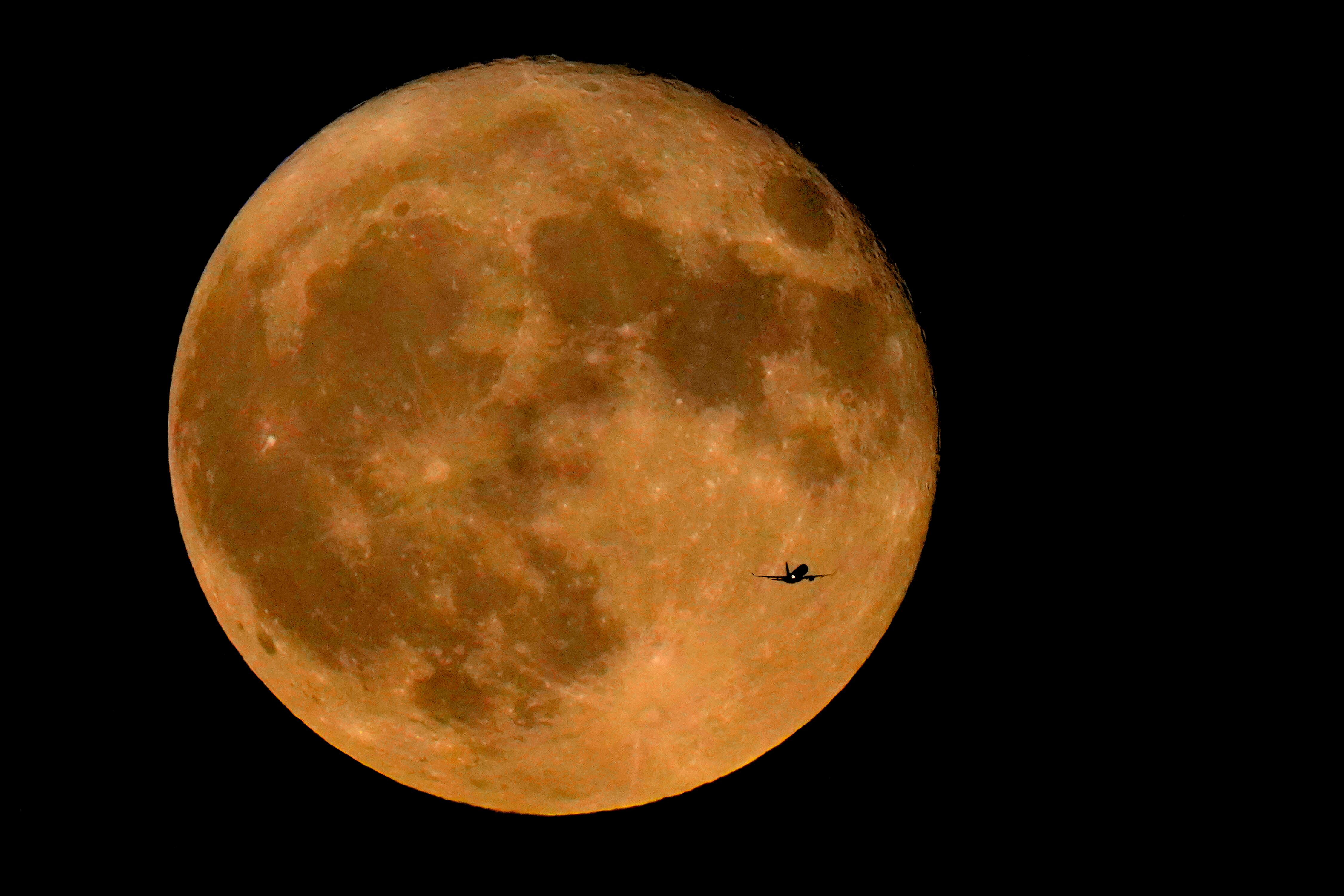
Catch the first show Tuesday evening as the full moon rises in the southeast, appearing slightly brighter and bigger than normal. That’s because it will be closer than usual, just 222,159 miles (357,530 kilometers) away, thus the supermoon label.
The moon will be even closer the night of Aug. 30 — a scant 222,043 miles (357,344 kilometers) distant. Because it’s the second full moon in the same month, it will be what's called a blue moon.
“Warm summer nights are the ideal time to watch the full moon rise in the eastern sky within minutes of sunset. And it happens twice in August,” said retired NASA astrophysicist Fred Espenak, dubbed Mr. Eclipse for his eclipse-chasing expertise.
The last time two full supermoons graced the sky in the same month was in 2018. It won’t happen again until 2037, according to Italian astronomer Gianluca Masi, founder of the Virtual Telescope Project.
Masi will provide a live webcast of Tuesday evening’s supermoon, as it rises over the Coliseum in Rome.
“My plans are to capture the beauty of this ... hopefully bringing the emotion of the show to our viewers,” Masi said in an email.
“The supermoon offers us a great opportunity to look up and discover the sky,” he added.
This year’s first supermoon was in July. The fourth and last will be in September. The two in August will be closer than either of those.
Provided clear skies, binoculars or backyard telescopes can enhance the experience, Espenak said, revealing such features as lunar maria — the dark plains formed by ancient volcanic lava flows — and rays emanating from lunar craters.
According to the Old Farmer’s Almanac, the August full moon is traditionally known as the sturgeon moon. That’s because of the abundance of that fish in the Great Lakes in August, hundreds of years ago.
These are the headlines you Need 2 Know.
Relief for migraine suffers may, at long last, be imminent. With the FDA approving Eli Lilly's Emgality drug, Christi Shaw, president of Lilly Bio-Medicines, expounded on the drug's potential efficacy. The company has said it will offer the treatment to chronic migraine suffers with commercial insurance for free for a year.
These are the headlines you Need 2 Know.
These are the headlines you Need 2 Know.
Facebook announced its newest VR headset that will ship next year. "Oculus Quest" offers users the same virtual experience, but now users are able to move more freely while wearing the headset. Andrew Bosworth, VP of VR/AR at Facebook, said this is the next step in better connecting people around the world.
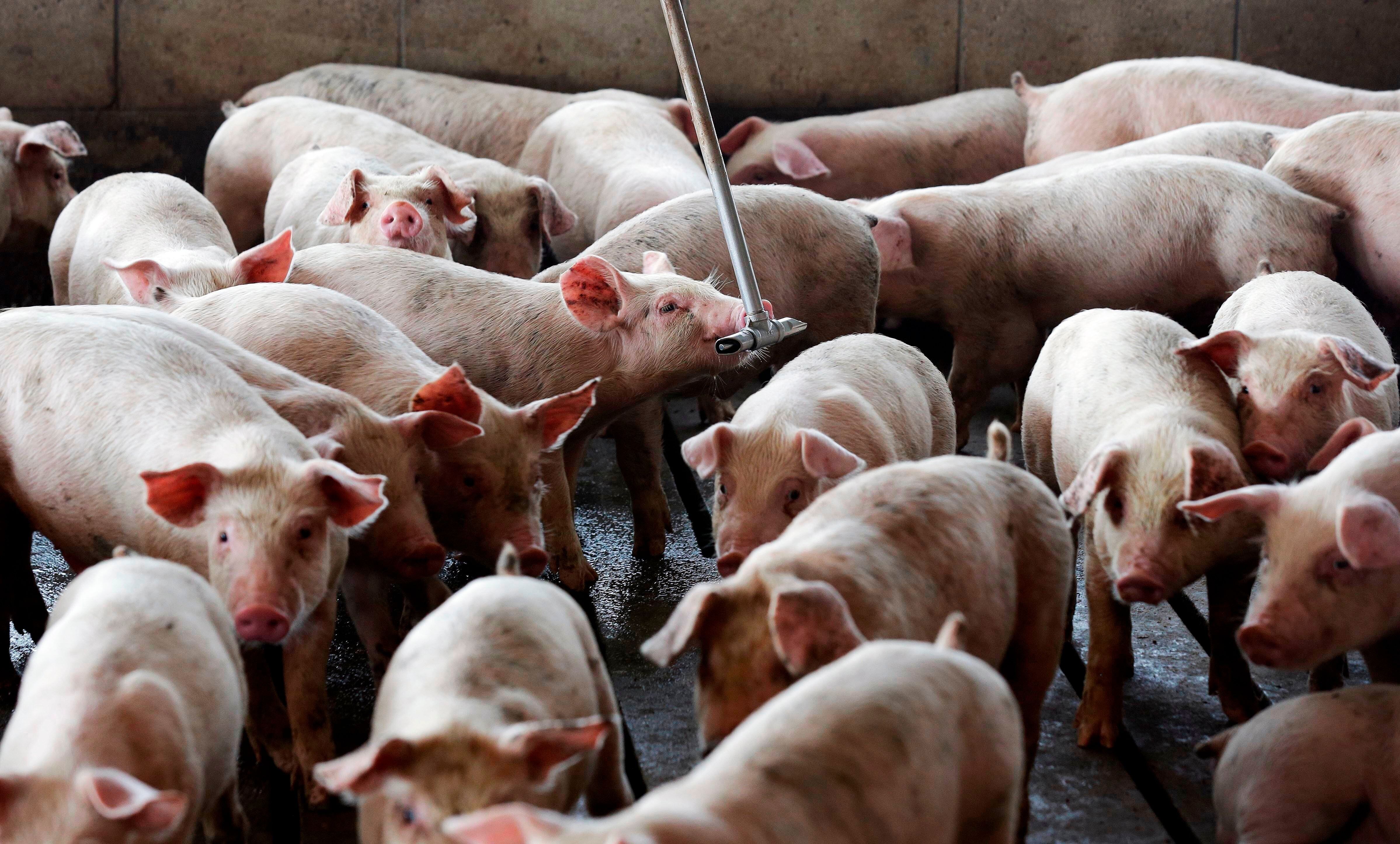
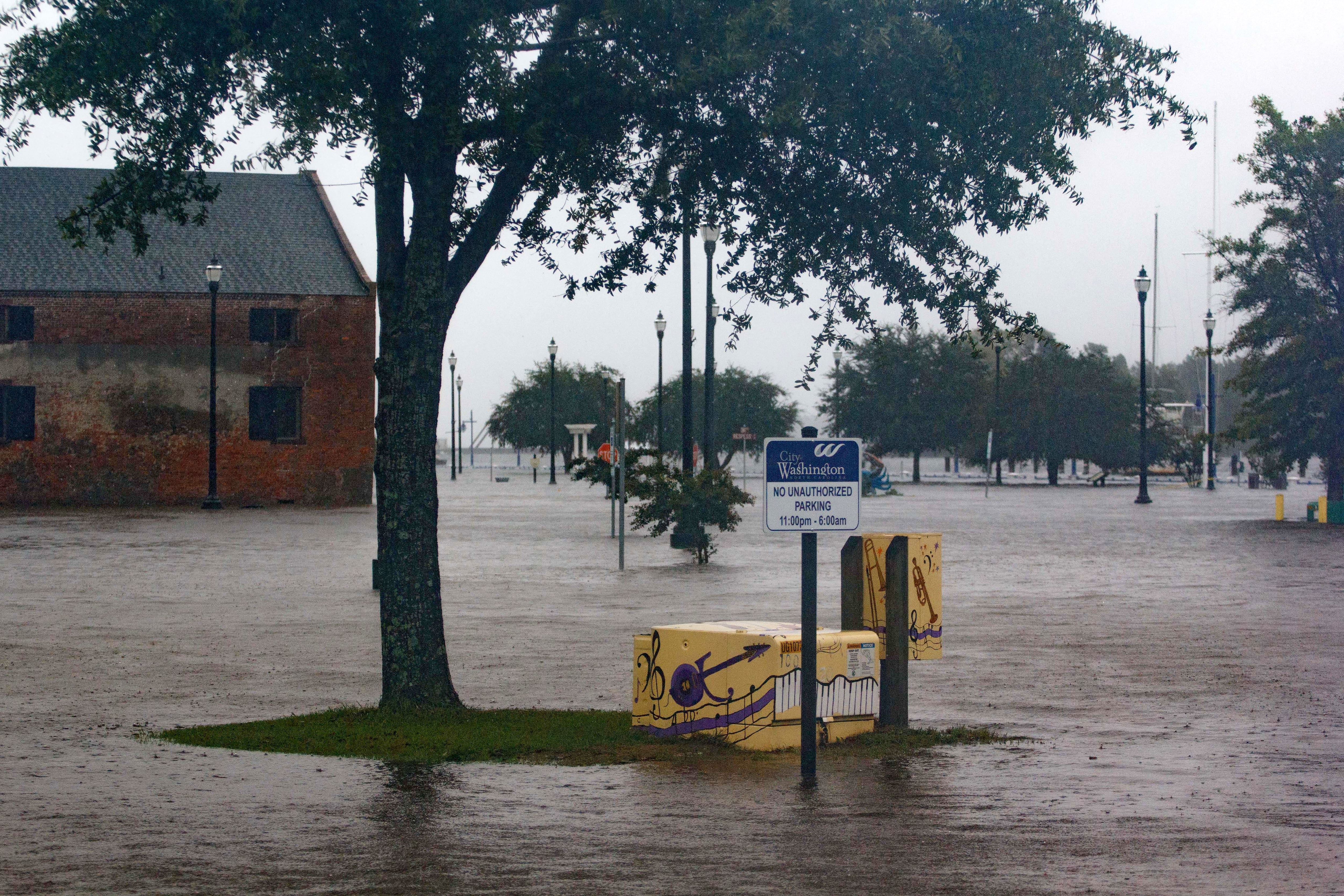
North Carolina is facing a new crisis a week after Hurricane Florence made landfall. Not only have millions of farm animals drowned in the initial floods. Now, flooded waste lagoons are contaminating the drinking water, explained Zoë Schlanger, environment reporter for Quartz.
Tilray, the Canadian cannabis company swiftly becoming one of the most talked-about stocks of the year, was up as much as 50 percent on Wednesday morning, leading a continued bull run in pot stocks and putting its market cap above established companies like Macy's and Viacom.
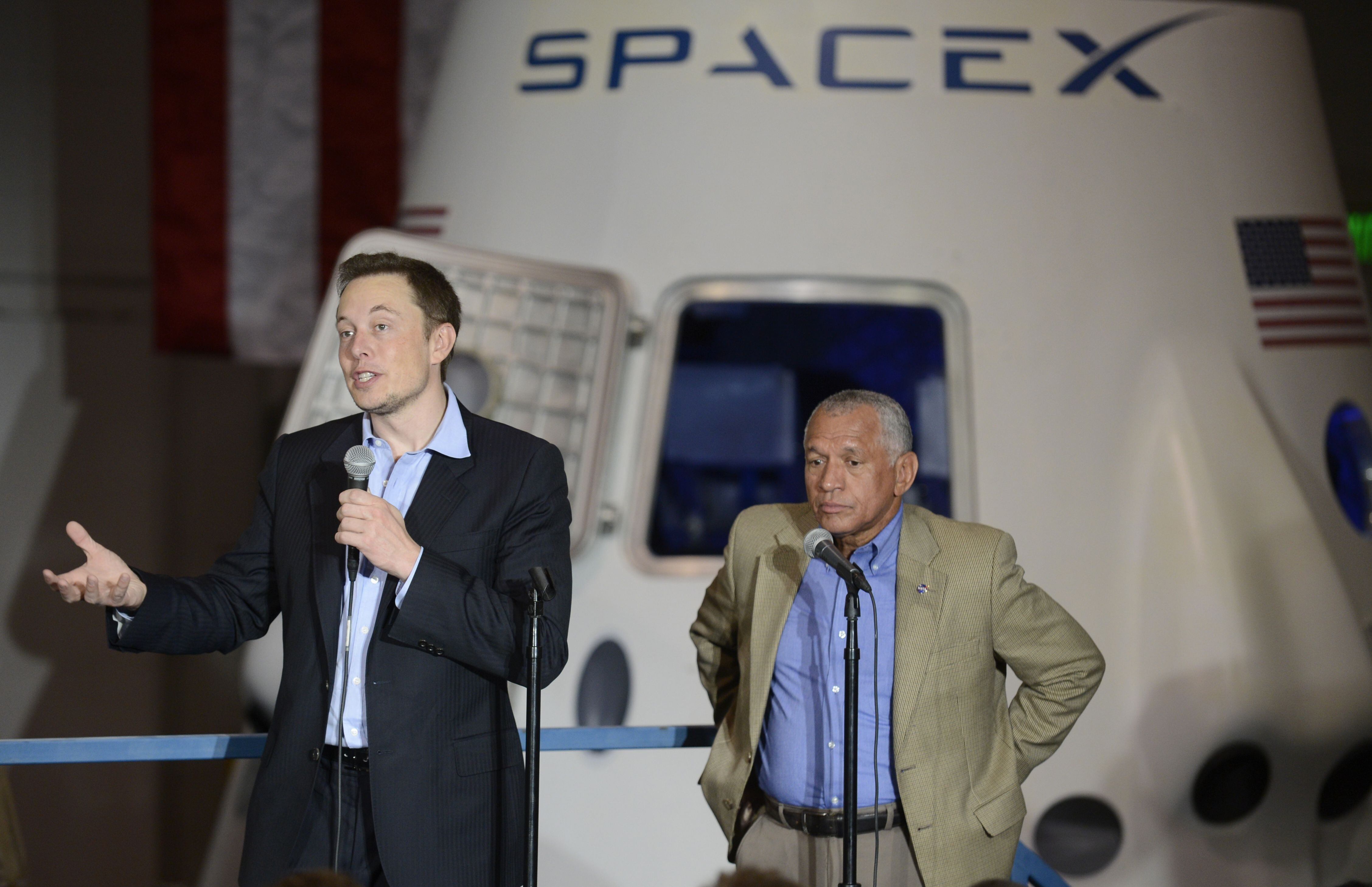
Elon Musk and SpaceX announced the company's first private passenger, Japanese billionaire Yusaku Maezawa. Shannon Stirone, freelance science journalist, said that this is the first step to Musk's ultimate goal ー transporting people to Mars.
Insurers should expect losses in the tens of billions of dollars due to Hurricane Florence's rain, which will linger for days because of the system's slow movement, said Mark Watson, CEO of Argo Group.
Natural disasters, hurricanes especially, were once opportunities for administrations to flex their leadership and empathy muscles. When they failed (see: Bush, Katrina), the results were politically devastating. When they succeeded (see: Christie, Sandy), they launched runs for office. Those days appear to be over.