The cosmos is offering up a double feature in August: a pair of supermoons culminating in a rare blue moon.
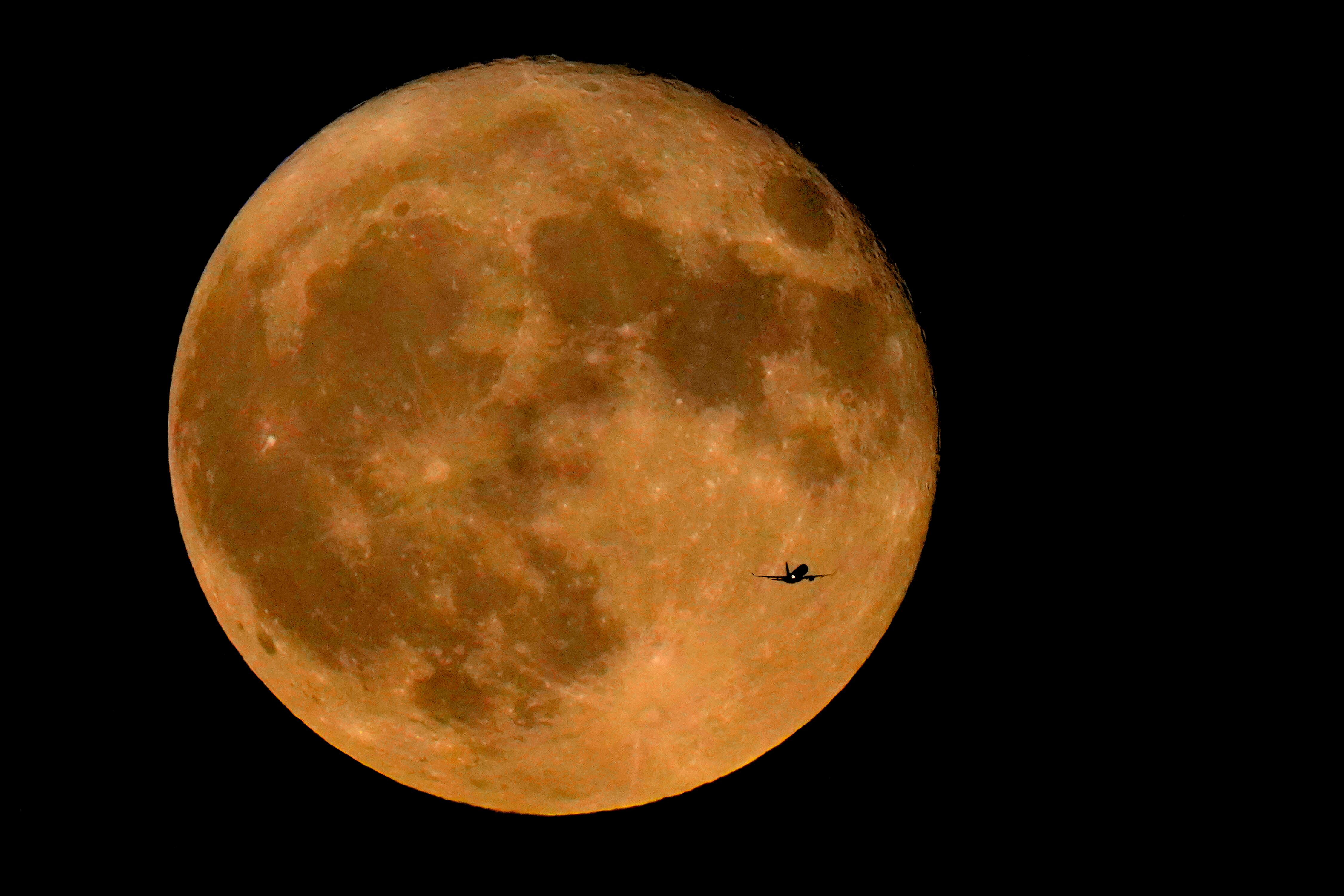
Catch the first show Tuesday evening as the full moon rises in the southeast, appearing slightly brighter and bigger than normal. That’s because it will be closer than usual, just 222,159 miles (357,530 kilometers) away, thus the supermoon label.
The moon will be even closer the night of Aug. 30 — a scant 222,043 miles (357,344 kilometers) distant. Because it’s the second full moon in the same month, it will be what's called a blue moon.
“Warm summer nights are the ideal time to watch the full moon rise in the eastern sky within minutes of sunset. And it happens twice in August,” said retired NASA astrophysicist Fred Espenak, dubbed Mr. Eclipse for his eclipse-chasing expertise.
The last time two full supermoons graced the sky in the same month was in 2018. It won’t happen again until 2037, according to Italian astronomer Gianluca Masi, founder of the Virtual Telescope Project.
Masi will provide a live webcast of Tuesday evening’s supermoon, as it rises over the Coliseum in Rome.
“My plans are to capture the beauty of this ... hopefully bringing the emotion of the show to our viewers,” Masi said in an email.
“The supermoon offers us a great opportunity to look up and discover the sky,” he added.
This year’s first supermoon was in July. The fourth and last will be in September. The two in August will be closer than either of those.
Provided clear skies, binoculars or backyard telescopes can enhance the experience, Espenak said, revealing such features as lunar maria — the dark plains formed by ancient volcanic lava flows — and rays emanating from lunar craters.
According to the Old Farmer’s Almanac, the August full moon is traditionally known as the sturgeon moon. That’s because of the abundance of that fish in the Great Lakes in August, hundreds of years ago.
Maisie Devine, global director for Anheuser-Busch InBev's 100+ Accelerator, said the incubator will focus on nurturing sustainable start-ups, as the alcohol giant commits to reducing its own emissions by 25 percent.
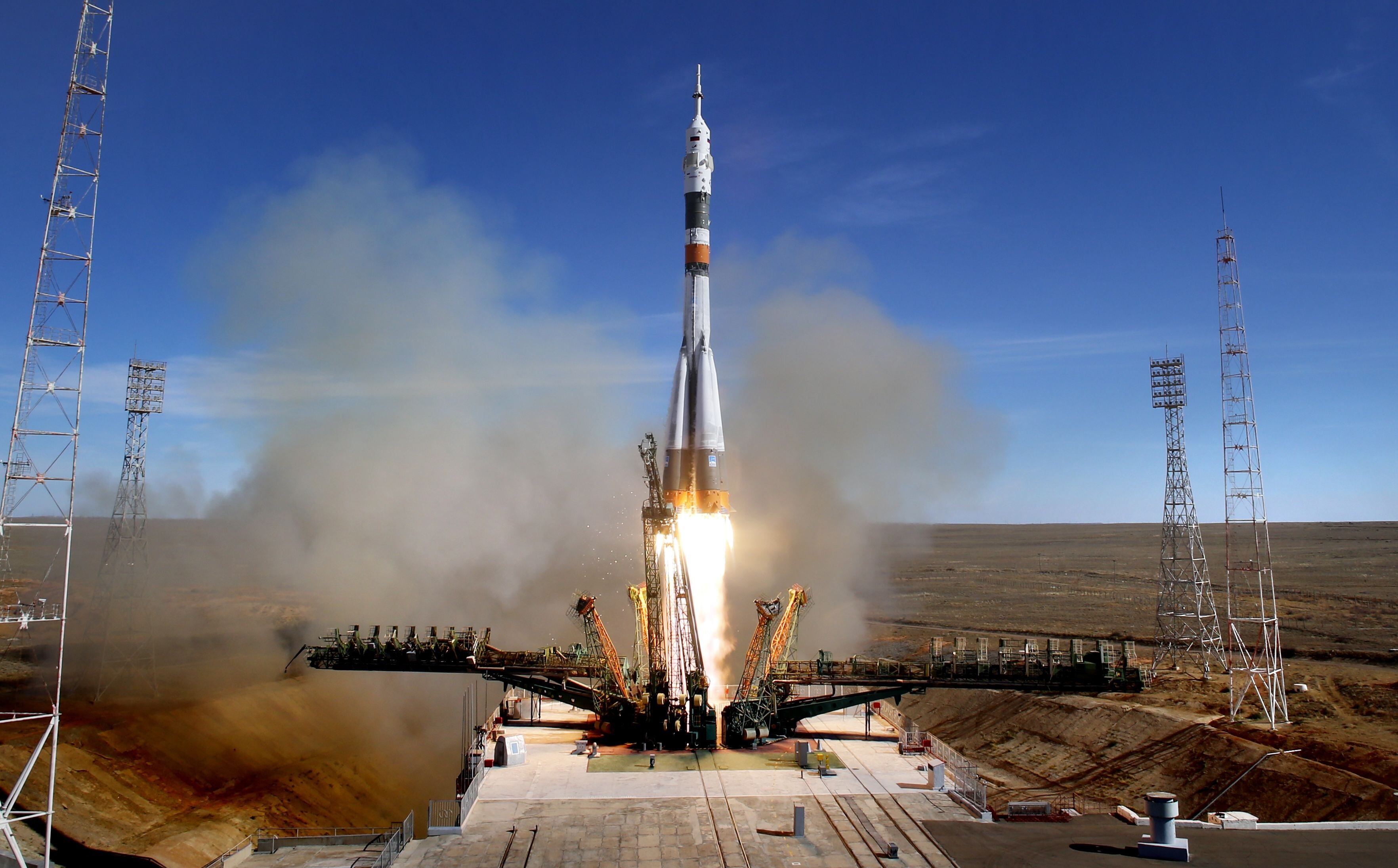
An unknown malfunction prompted an emergency landing of a Russian rocket, with the American astronaut and Russian cosmonaut on board both found safe. Sarah Lewin, an editor at Space.com, said these events are rare but astronauts train extensively for them.
The markets looked to recover from a major sell-off on Wednesday. The Dow closed down more than 800 points. The Florida Panhandle is reeling after Hurricane Michael tore through the region causing catastrophic damage. And Razer launched a handful of new products, including the Razer Phone 2, to make gaming more accessible. Kevin Allen joins Cheddar to explain what makes the products stand out in the gaming world.
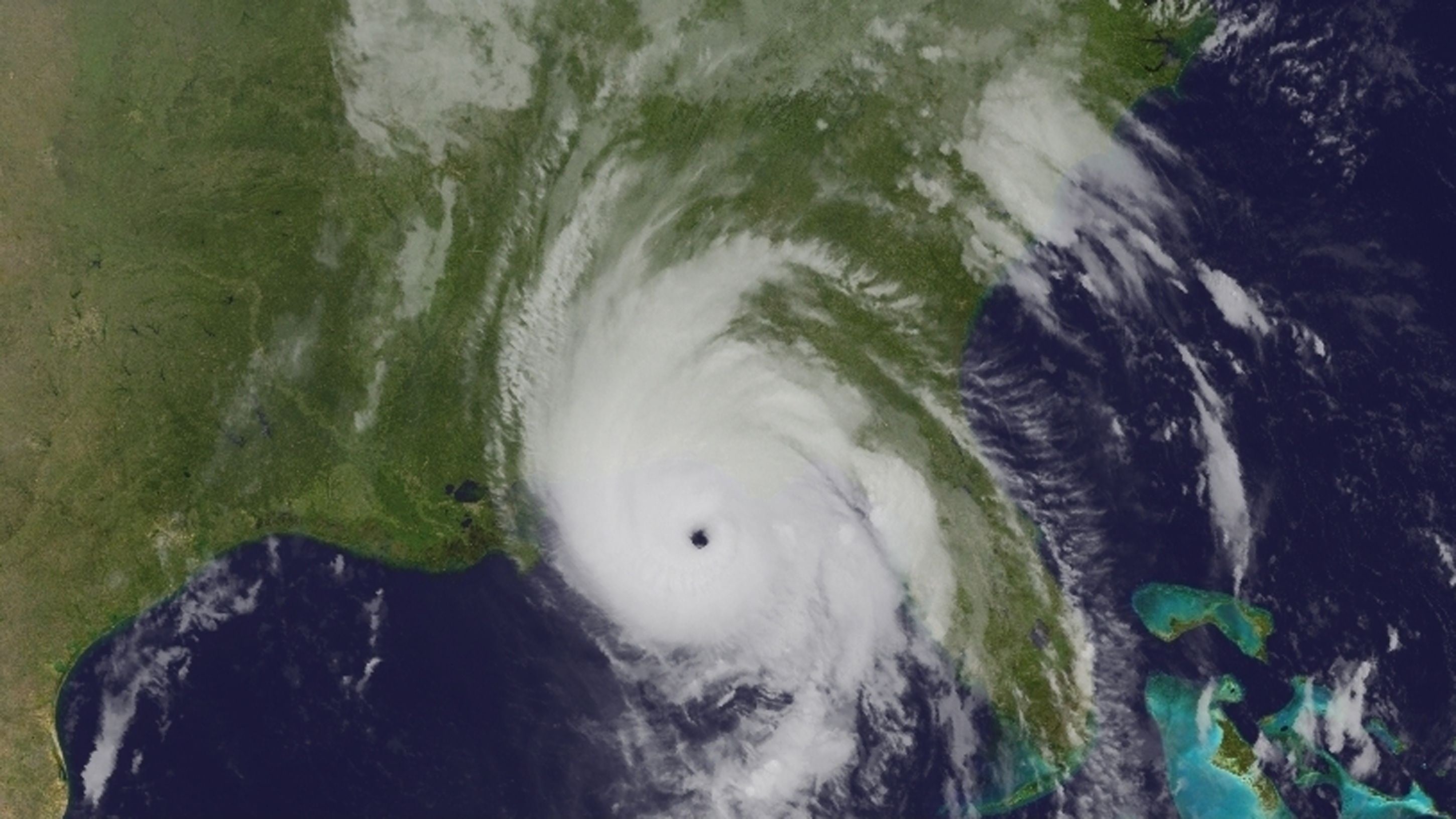
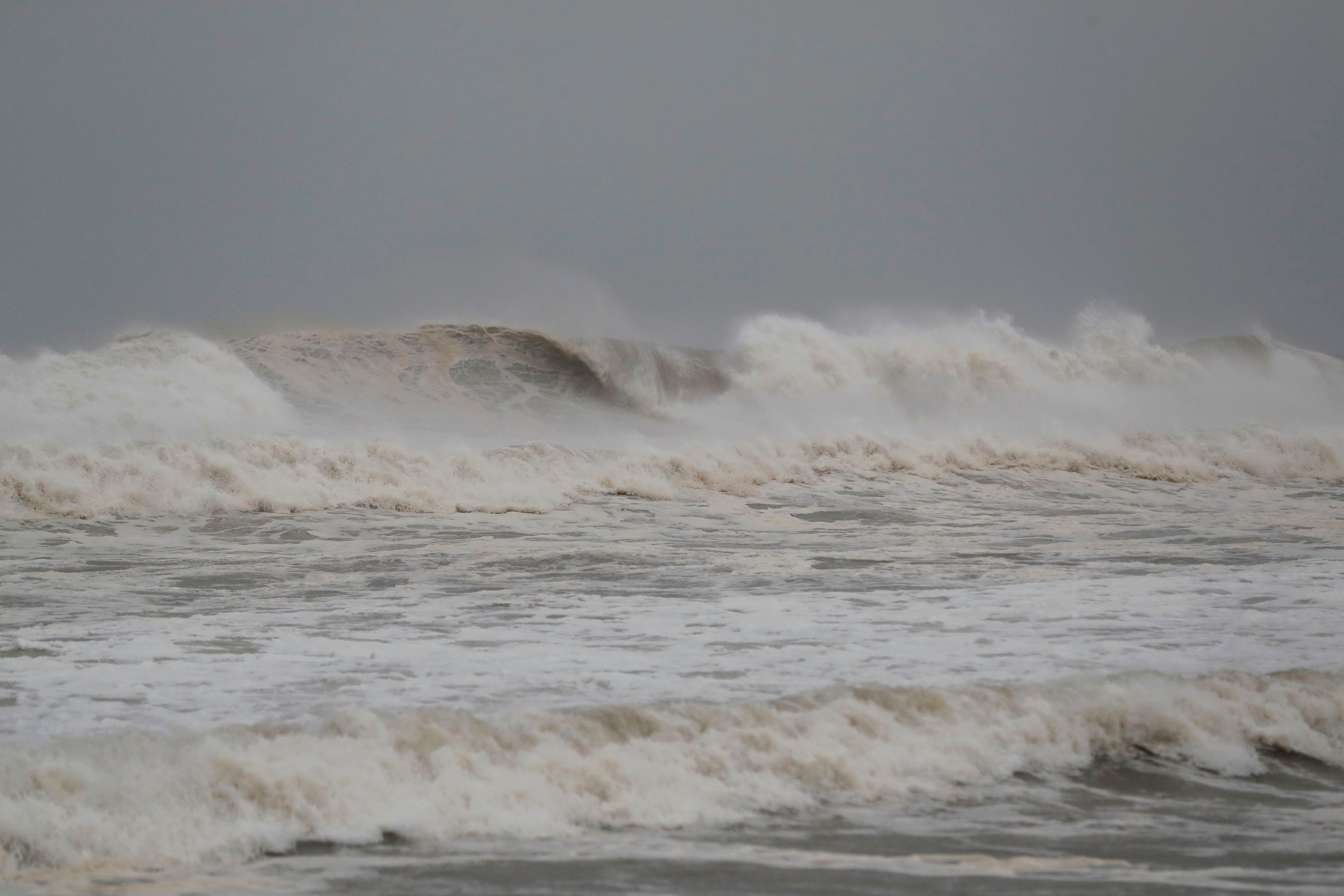
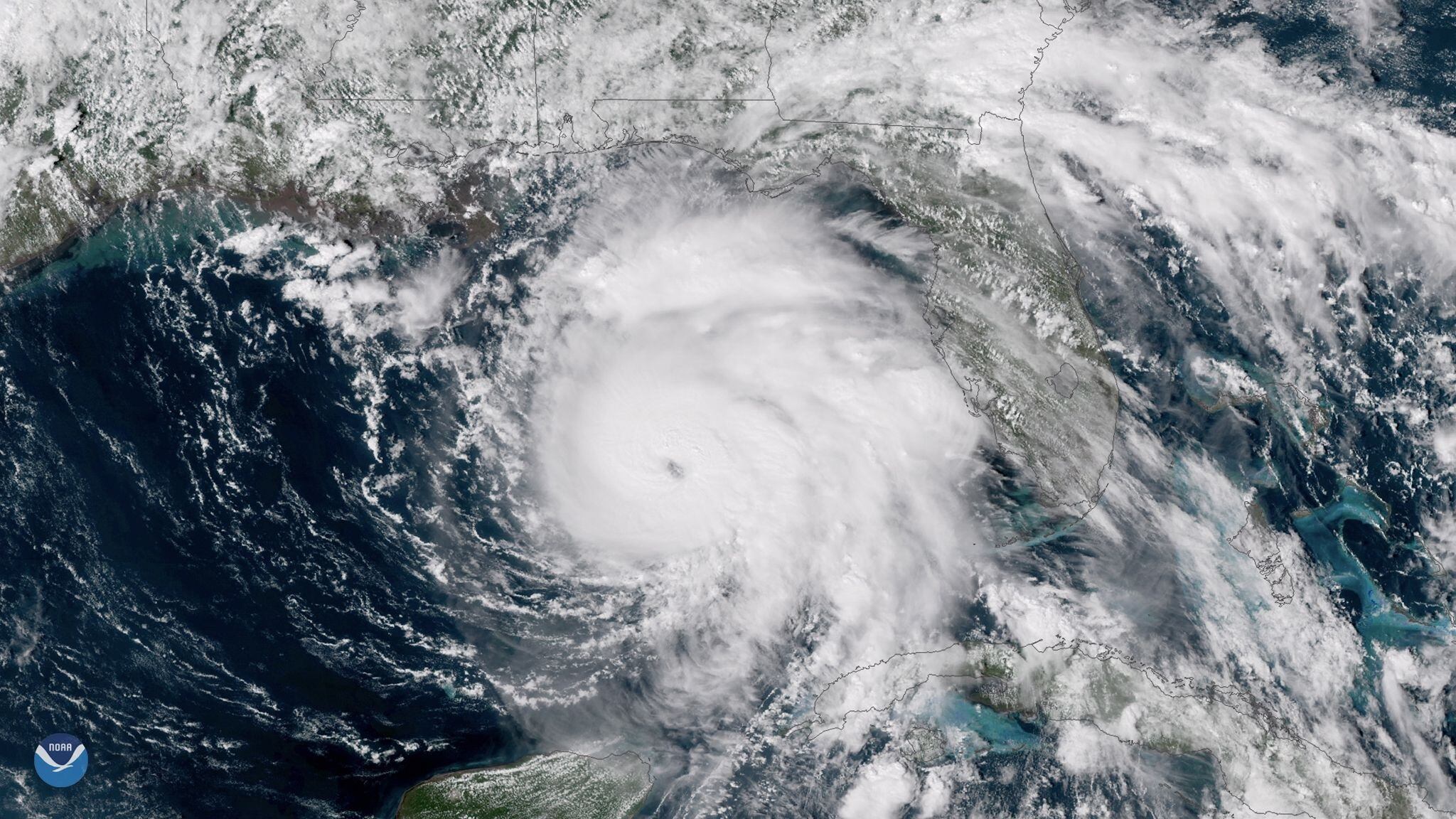
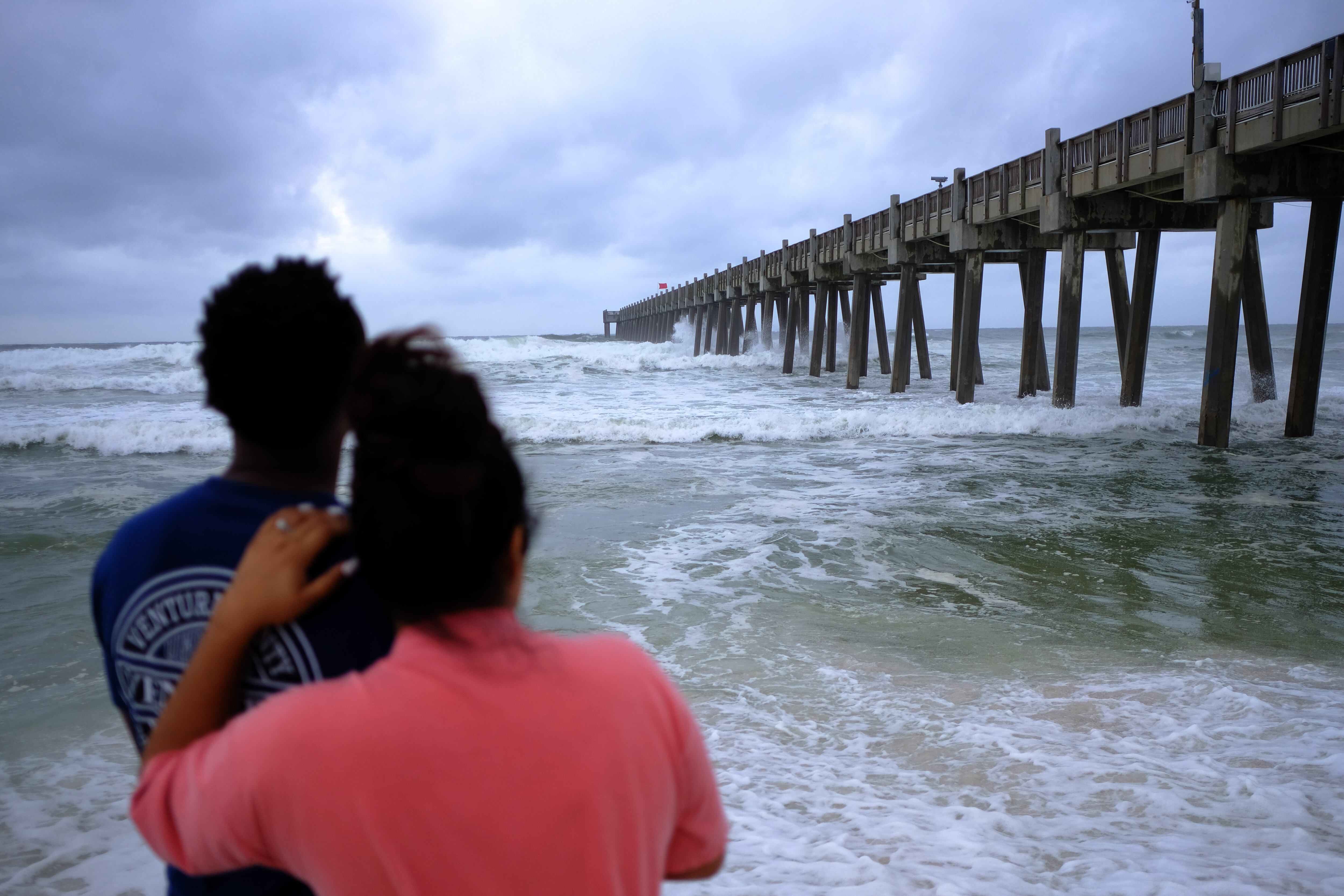
Hurricane Michael made landfall on Wednesday as a Category 4 storm, heading for areas that are still recovering from Florence. Jason Samenow, the Washington Post's weather editor, said the storm is far from over and that the biggest concern will be storm surges.
Hurricane Michael strengthened to a Category 4 overnight as it barrels towards the Florida Panhandle. AccuWeather predicts the hurricane will cause $30 billion in damage. SoftBank is reportedly in talks to take a majority stake in WeWork. Plus, Cheddar's Alyssa Julya Smith chats with actor Caleel Harris about what to expect from the upcoming 'Goosebumps 2: Haunted Halloween' movie and his role in Ava DuVernay's 'Central Park Five' TV series.
Hurricane Michael strengthened into a monster Category 4 storm overnight, tracking for a Wednesday afternoon landfall near Panama Beach, Fla. Joel Myers, founder and president of AccuWeather, explained the specific dangers of this storm for the southeast.
These are the headlines you Need 2 Know.
Hurricane Michael has strengthened to Category 2 hurricane as of Tuesday and could ramp up to Category 3 by the time it makes landfall in Florida Wednesday. Eric Holthaus, meteorologist and writer for Grist, said the storm is likely to be the worst to hit the Panhandle in decades.
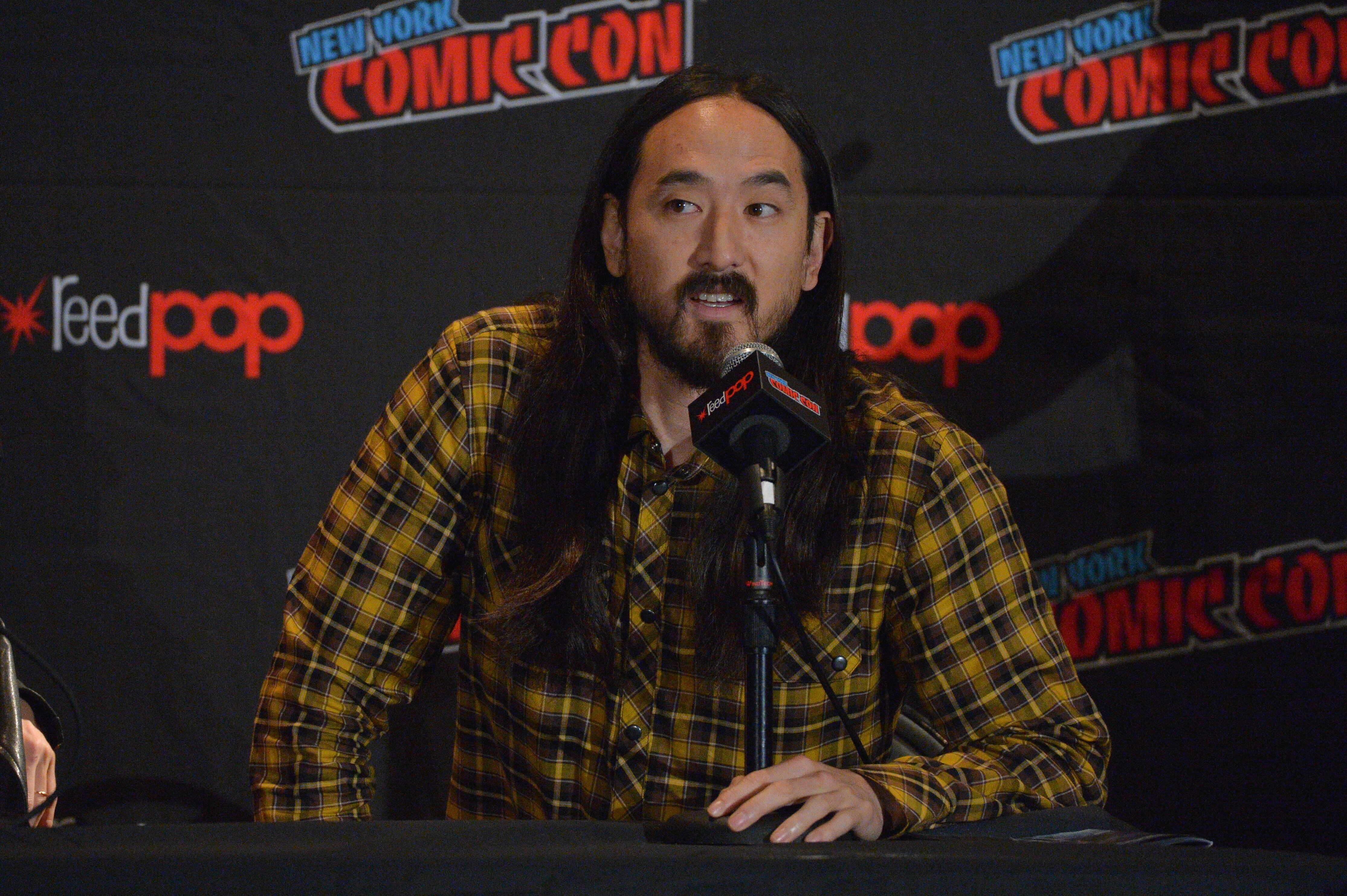
Acclaimed music producer, DJ, and entrepreneur Steve Aoki is dipping his toe into comic books. At New York Comic Con Aoki debuted 'Neon Future,' his comic debut.
A landmark report issued by the Intergovernmental Panel on Climate Change Monday warned that there could be irreversible damage caused by climate change in as little as 12 years. Andrew Freedman, science reporter at Axios, said the effects of this could be even hotter heat waves, sea-levels rising that could wipe out coastal cities, food shortages, and more.