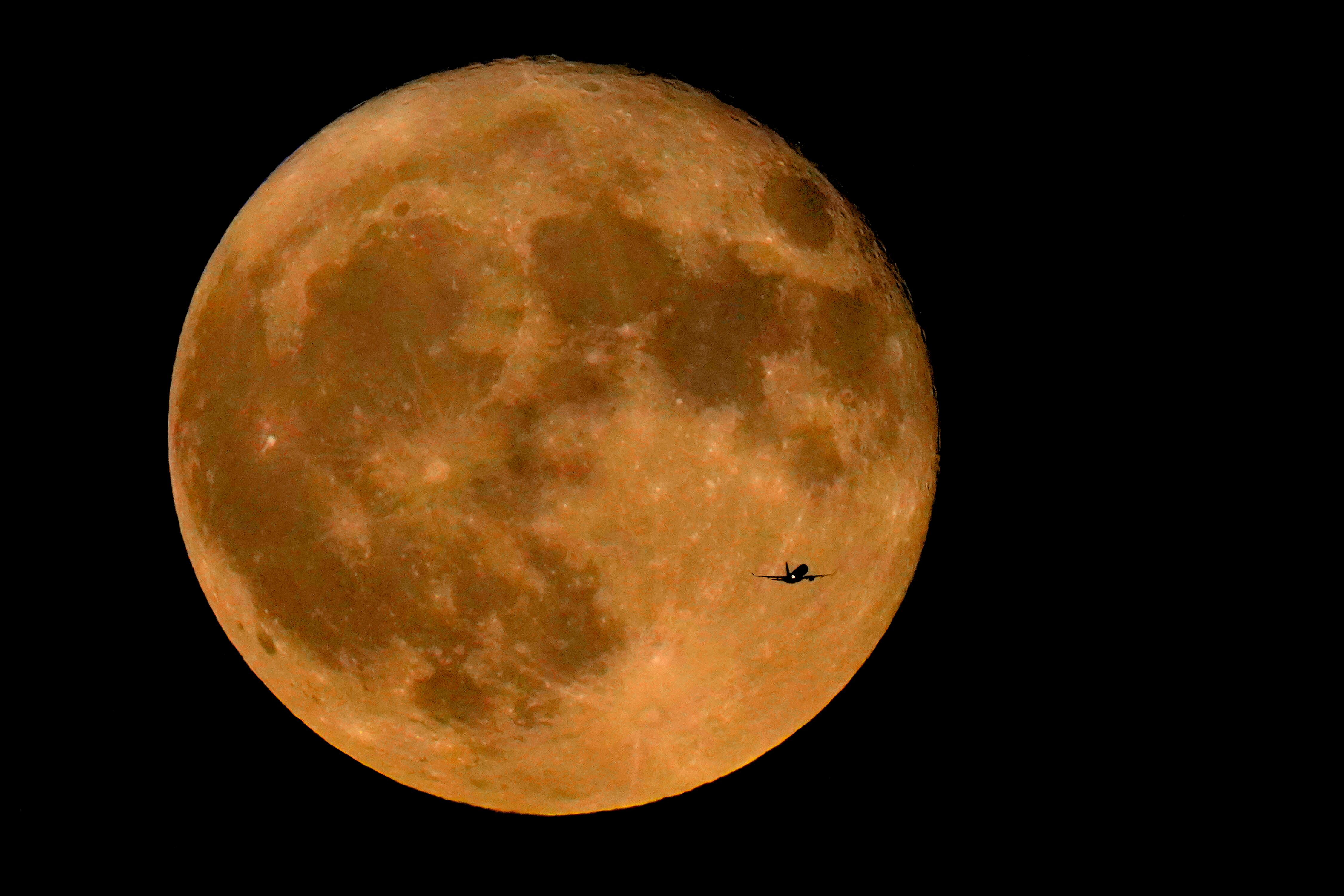
The cosmos is offering up a double feature in August: a pair of supermoons culminating in a rare blue moon.
Catch the first show Tuesday evening as the full moon rises in the southeast, appearing slightly brighter and bigger than normal. That’s because it will be closer than usual, just 222,159 miles (357,530 kilometers) away, thus the supermoon label.
The moon will be even closer the night of Aug. 30 — a scant 222,043 miles (357,344 kilometers) distant. Because it’s the second full moon in the same month, it will be what's called a blue moon.
“Warm summer nights are the ideal time to watch the full moon rise in the eastern sky within minutes of sunset. And it happens twice in August,” said retired NASA astrophysicist Fred Espenak, dubbed Mr. Eclipse for his eclipse-chasing expertise.
The last time two full supermoons graced the sky in the same month was in 2018. It won’t happen again until 2037, according to Italian astronomer Gianluca Masi, founder of the Virtual Telescope Project.
Masi will provide a live webcast of Tuesday evening’s supermoon, as it rises over the Coliseum in Rome.
“My plans are to capture the beauty of this ... hopefully bringing the emotion of the show to our viewers,” Masi said in an email.
“The supermoon offers us a great opportunity to look up and discover the sky,” he added.
This year’s first supermoon was in July. The fourth and last will be in September. The two in August will be closer than either of those.
Provided clear skies, binoculars or backyard telescopes can enhance the experience, Espenak said, revealing such features as lunar maria — the dark plains formed by ancient volcanic lava flows — and rays emanating from lunar craters.
According to the Old Farmer’s Almanac, the August full moon is traditionally known as the sturgeon moon. That’s because of the abundance of that fish in the Great Lakes in August, hundreds of years ago.
Dr. Paul Stoffels, Chief Scientific Officer at Johnson & Johnson, told Cheddar on Tuesday that he’s confident the company will have a vaccine ready for testing within the next few months.
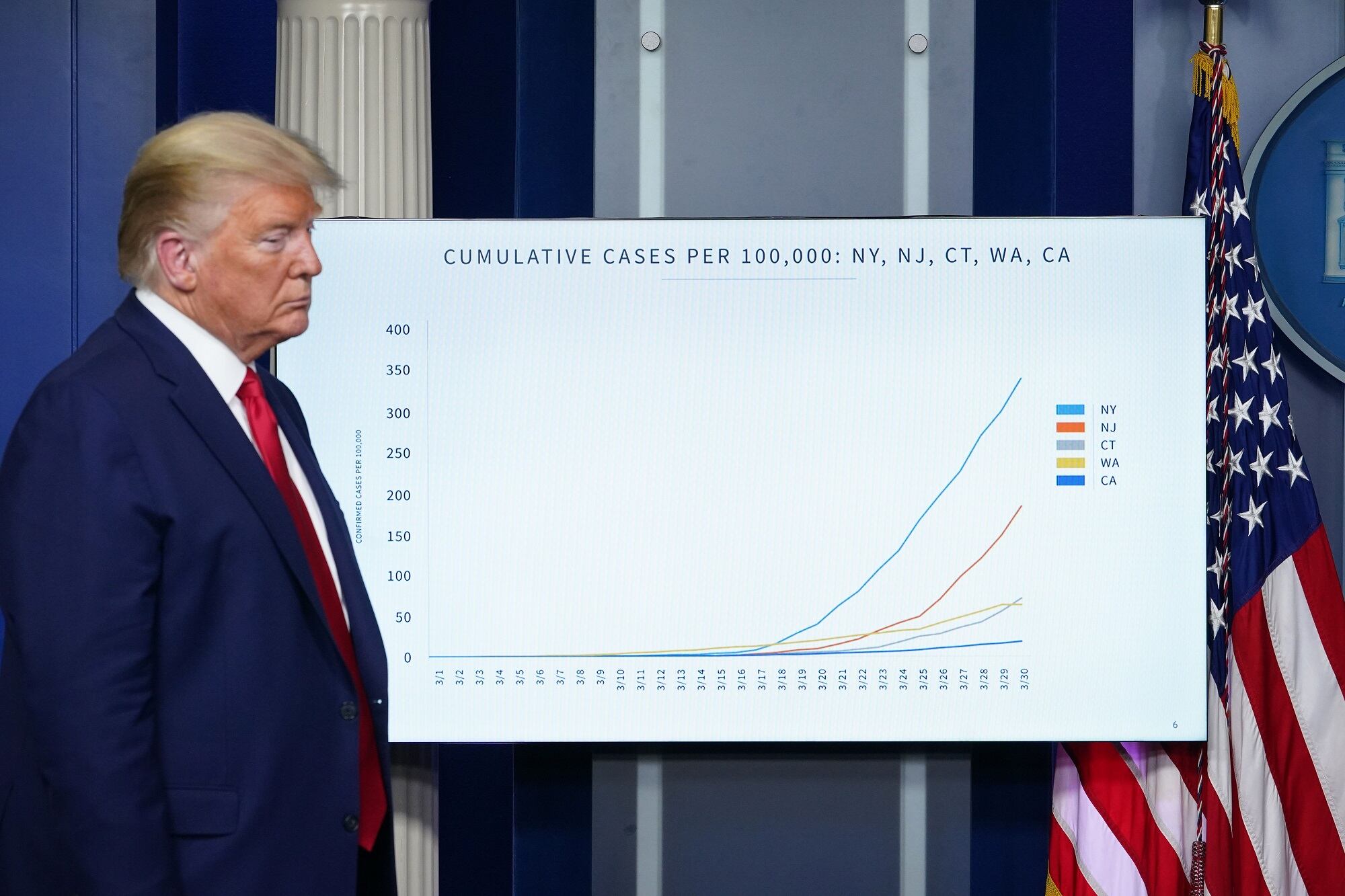
President Donald Trump on Tuesday warned Americans to brace for a “rough two-week period” ahead as the White House released new projections that there could be 100,000 to 240,000 deaths in the U.S. from the coronavirus pandemic even if current social distancing guidelines are maintained.
Parsing the data from around the world is showing a stark difference in how the COVID-19 pandemic is impacting mortality and socioeconomic suffering along gender lines.
A city of about 150,000 just in northern Los Angeles County is preparing for the spread of the novel coronavirus by teaming up with the local aerospace companies to create ventilator substitutes and preparing an ordinance that would require wearing masks, according to Mayor R. Rex Parris.
Gov. Gavin Newsom said he hopes the new Health Corps will increase the number of healthcare workers by thousands as the state prepares for an overwhelmed healthcare system.
California Rep. Ami Bera wants to see more federal control over things like purchasing and stockpiling medical supplies to meet the needs of the coronavirus pandemic.
Stocks are pushing higher on Wall Street, led by big gains for health care companies announcing developments that could aid in the coronavirus outbreak.
Dr. Christopher Wiles, a resident physician at the University of Connecticut, is turning his hobby into a potential way to offset a shortage of personal protective equipment in hospitals dealing with COVID-19.
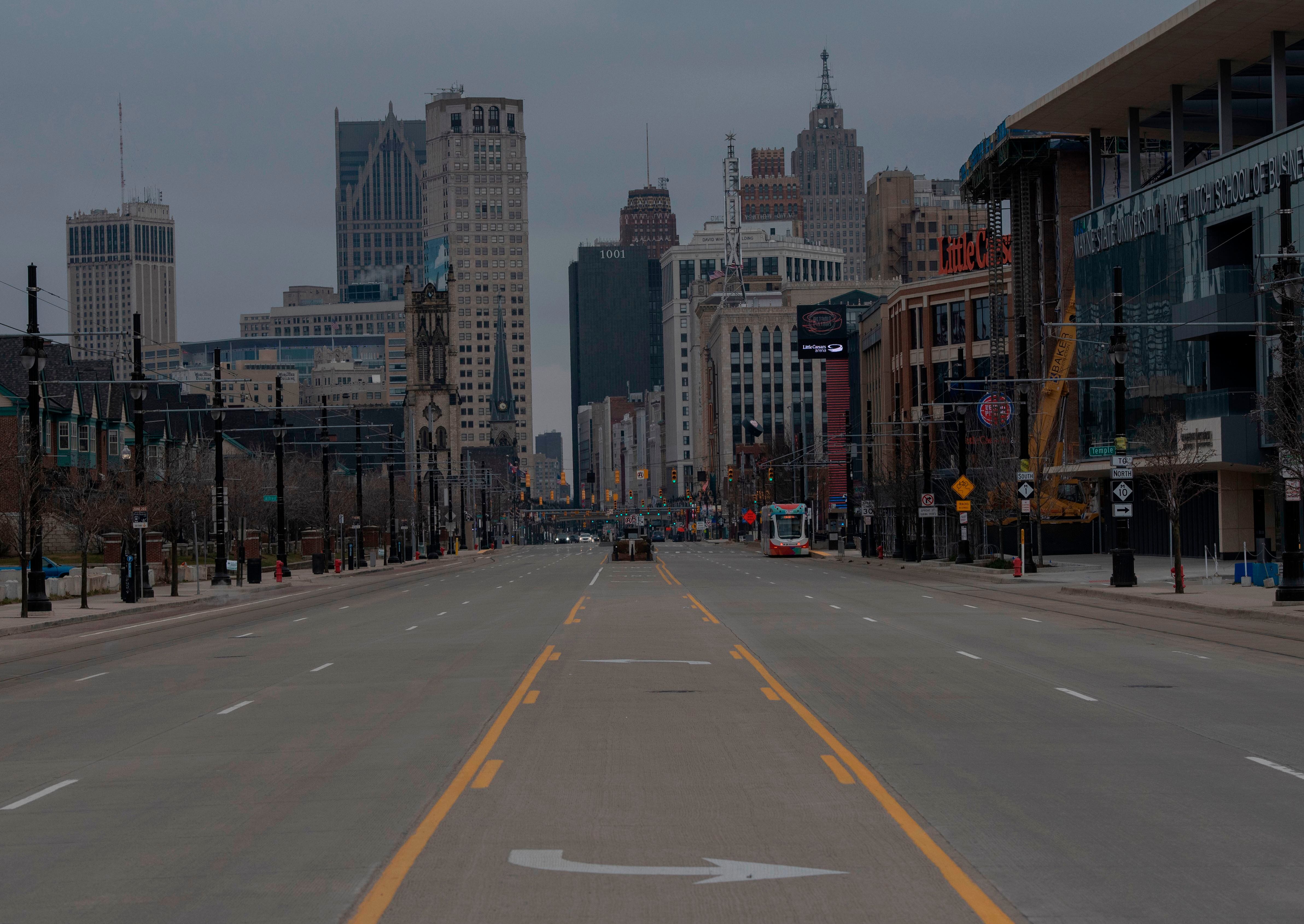
Rep. Debbie Dingell of Michigan sounded alarm as her state recorded the fourth highest number of coronavirus cases in the country.
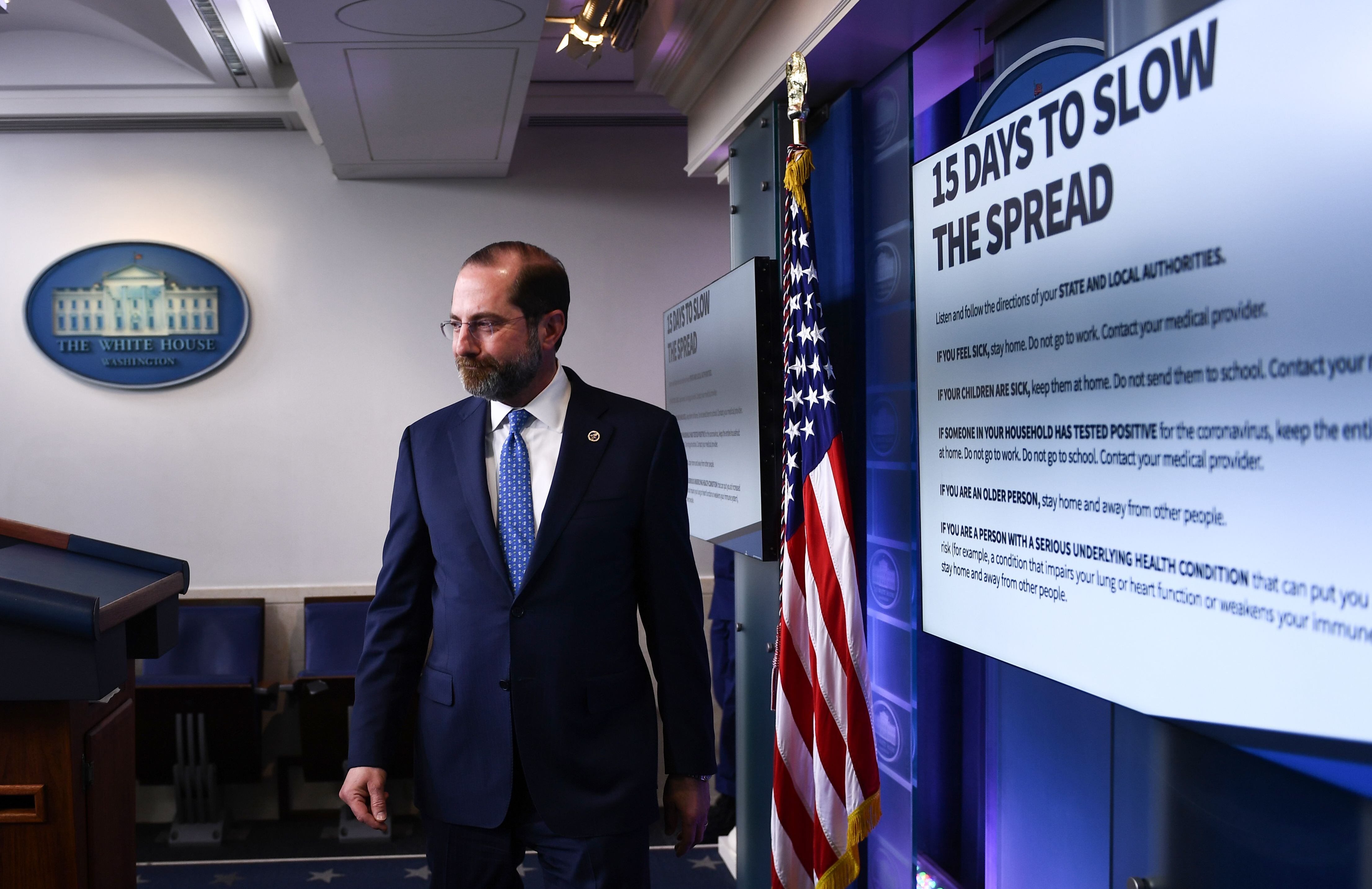
Mike Leavitt, the former HHS Secretary under President George W. Bush, gave a word of support to the current health secretary regarding his response to the coronavirus pandemic.