The cosmos is offering up a double feature in August: a pair of supermoons culminating in a rare blue moon.
Catch the first show Tuesday evening as the full moon rises in the southeast, appearing slightly brighter and bigger than normal. That’s because it will be closer than usual, just 222,159 miles (357,530 kilometers) away, thus the supermoon label.
The moon will be even closer the night of Aug. 30 — a scant 222,043 miles (357,344 kilometers) distant. Because it’s the second full moon in the same month, it will be what's called a blue moon.
“Warm summer nights are the ideal time to watch the full moon rise in the eastern sky within minutes of sunset. And it happens twice in August,” said retired NASA astrophysicist Fred Espenak, dubbed Mr. Eclipse for his eclipse-chasing expertise.
The last time two full supermoons graced the sky in the same month was in 2018. It won’t happen again until 2037, according to Italian astronomer Gianluca Masi, founder of the Virtual Telescope Project.
Masi will provide a live webcast of Tuesday evening’s supermoon, as it rises over the Coliseum in Rome.
“My plans are to capture the beauty of this ... hopefully bringing the emotion of the show to our viewers,” Masi said in an email.
“The supermoon offers us a great opportunity to look up and discover the sky,” he added.
This year’s first supermoon was in July. The fourth and last will be in September. The two in August will be closer than either of those.
Provided clear skies, binoculars or backyard telescopes can enhance the experience, Espenak said, revealing such features as lunar maria — the dark plains formed by ancient volcanic lava flows — and rays emanating from lunar craters.
According to the Old Farmer’s Almanac, the August full moon is traditionally known as the sturgeon moon. That’s because of the abundance of that fish in the Great Lakes in August, hundreds of years ago.
Announcing 599 deaths in the last 24 hours, Cuomo called the fatality number “effectively flat for two days,” which he said hints at a possible flattening of New York’s curve, along with fewer hospital and ICU admissions
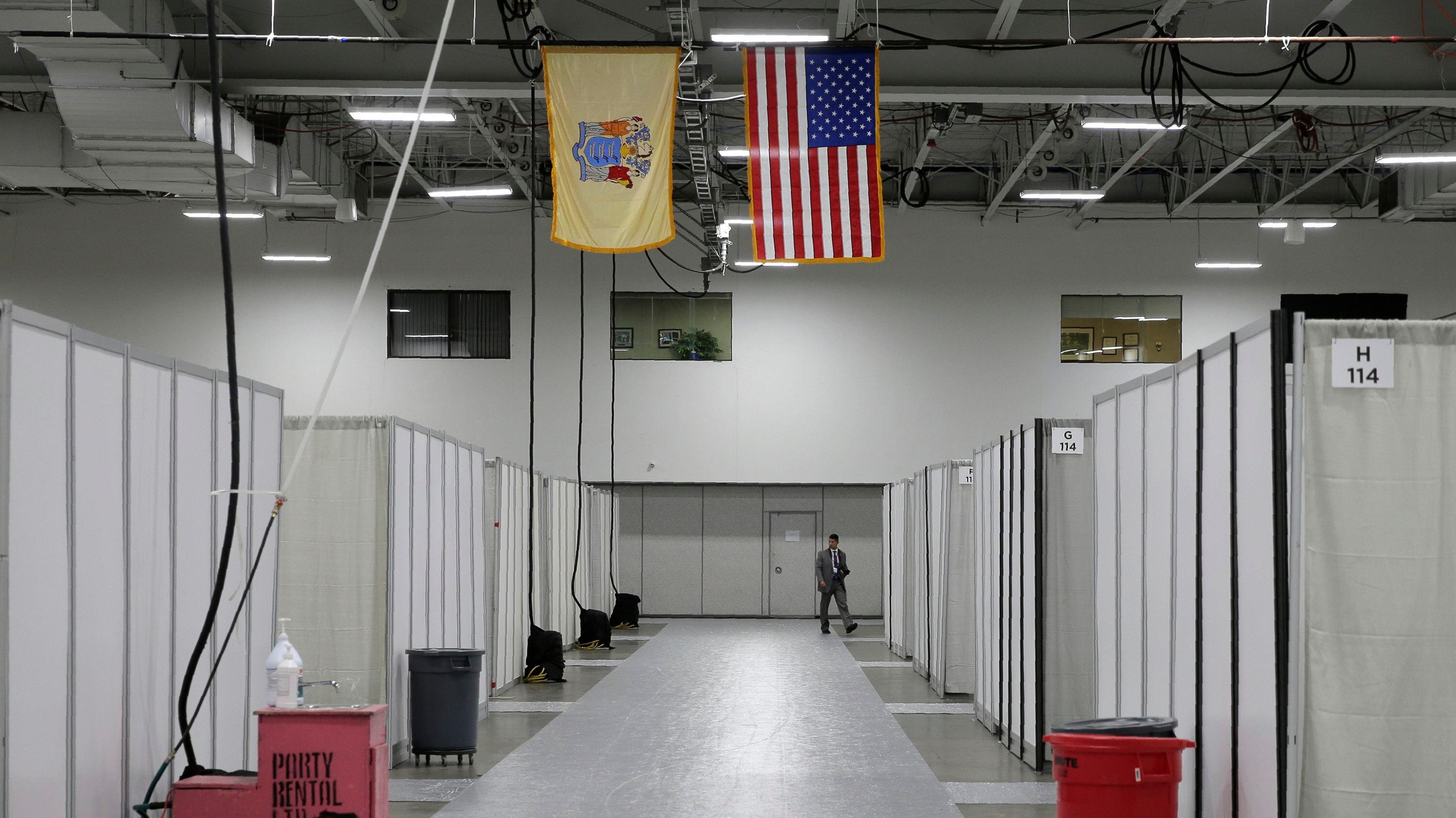
New Jersey is emerging as another hot spot of COVID-19 with nearly 40,000 confirmed cases and 917 deaths. However, the head of one of the state's health care systems said officials there hope they are beginning to see a peak.
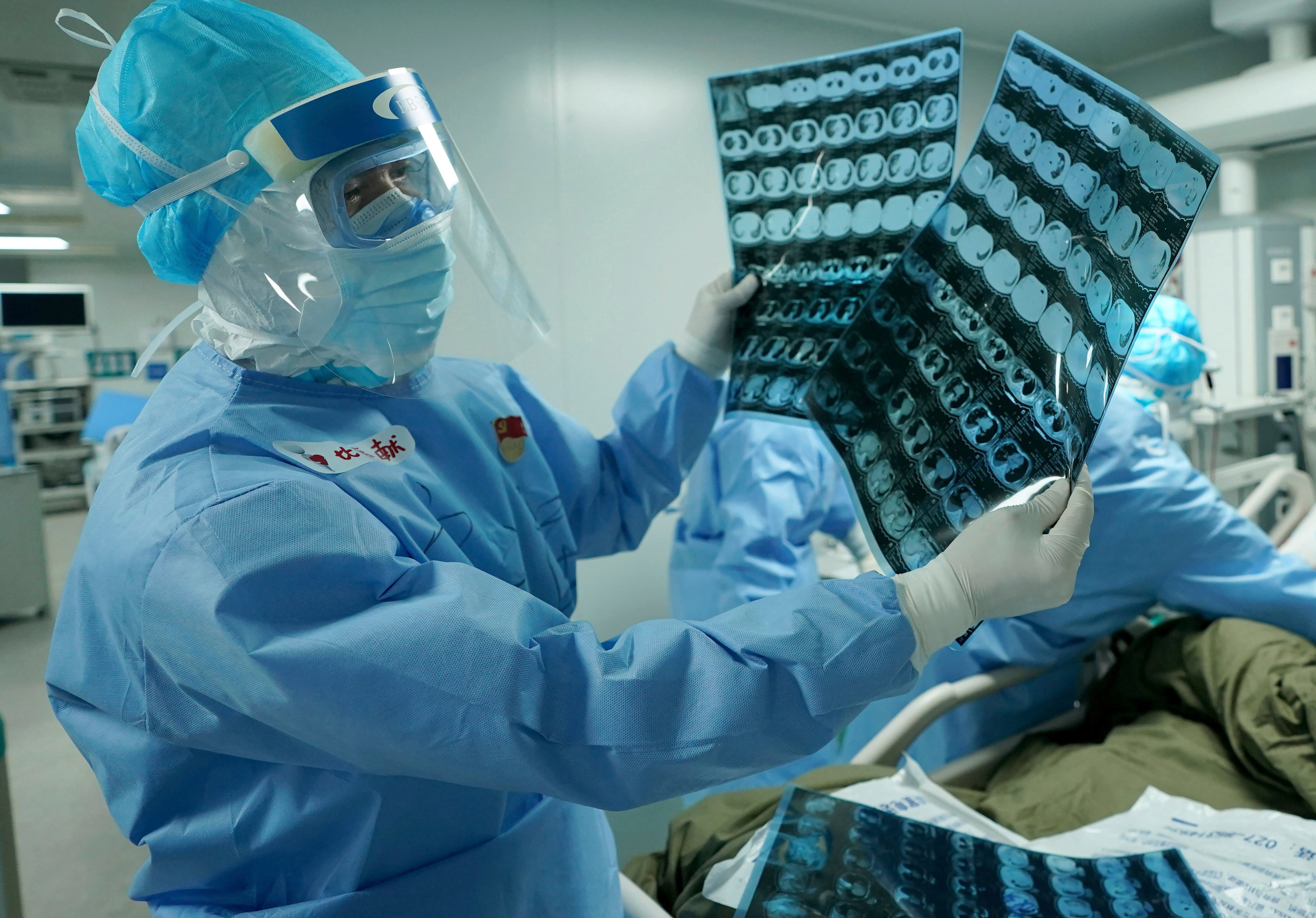
With the number of coronavirus patients exploding in hotspots like New York and hospitals facing a critical shortage of life-saving equipment, health care providers may soon be facing an excruciating choice: Who gets to live. And who doesn’t.
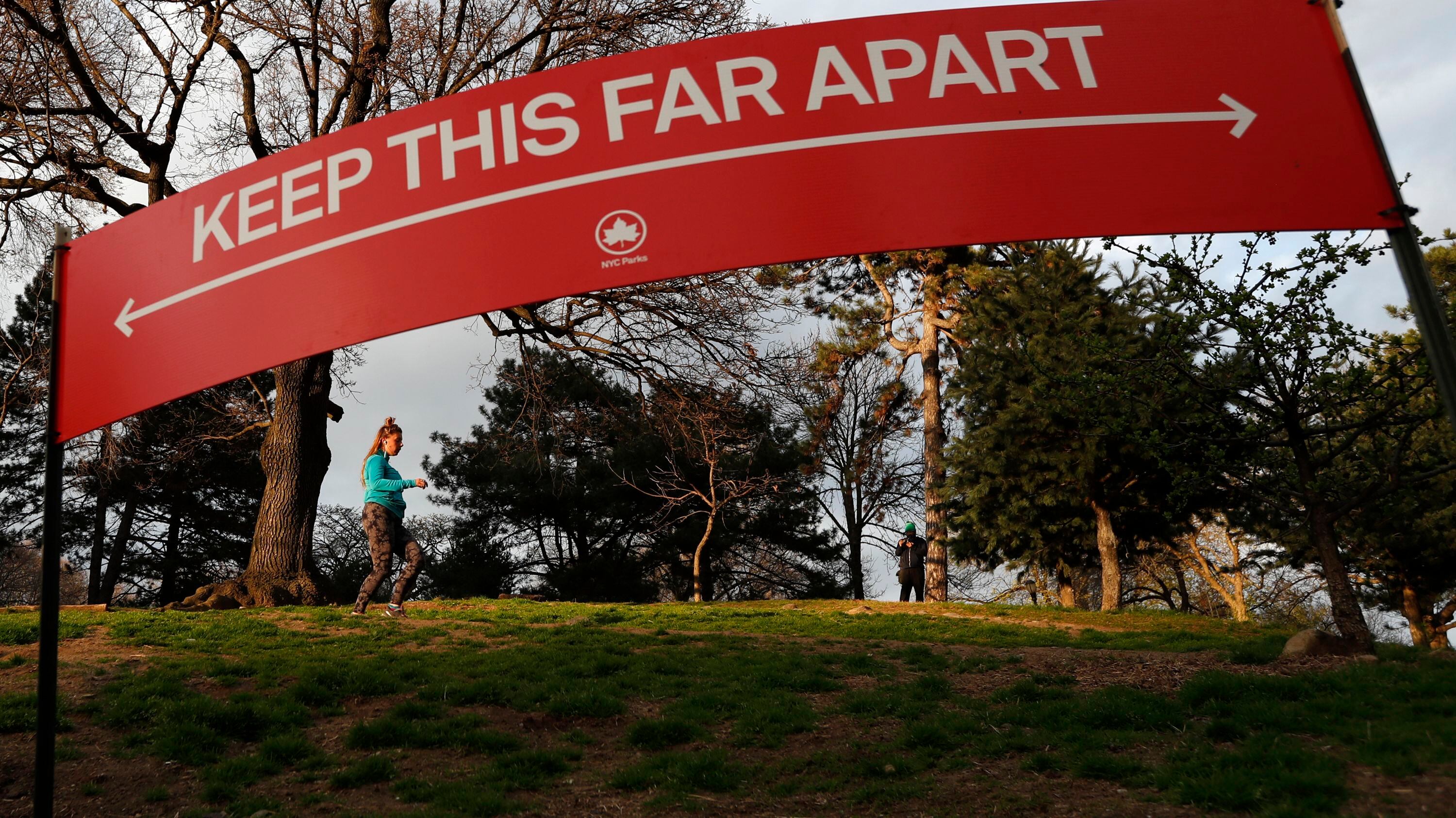
Experts maintain that despite social distancing and quarantining measures during the coronavirus pandemic, people should still attempt to socialize "serendipitously" and commit to acts of kindness to mitigate the stress.
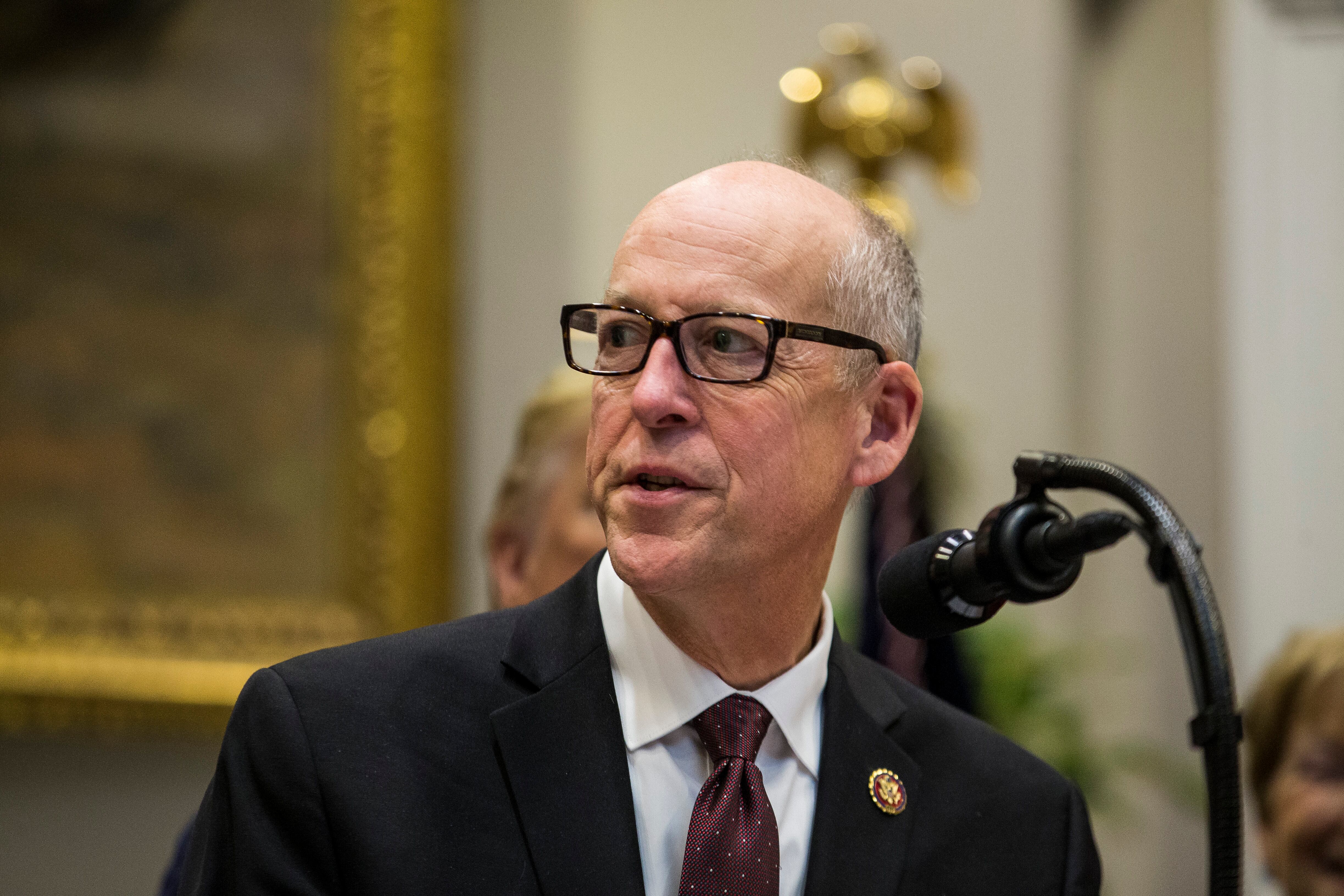
Rep. Greg Walden (R-Ore. 2nd District) supports the "basic public health protocol" is leading to drastic mitigation of the pandemic in his state of Oregon.
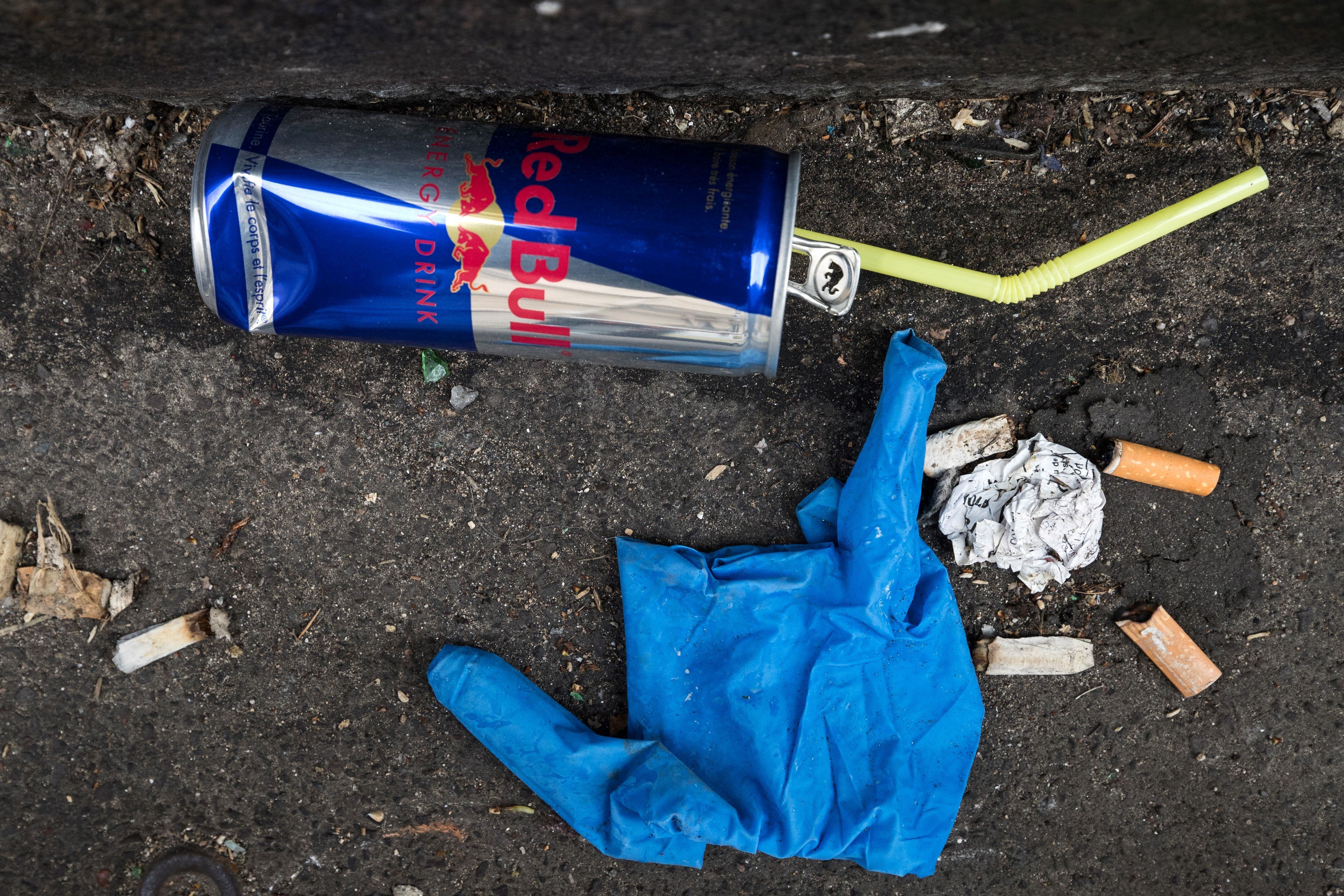
Like many of you out there, everyone at Cheddar is cooped up at home for maximum social distancing. And we’ve noticed something: in our respective self-quarantines, we’re taking out the trash a lot more than usual.
So our Megan Pratz teamed up with HEATED’s Emily Atkin to figure out the impact this extra waste is having on our communities.
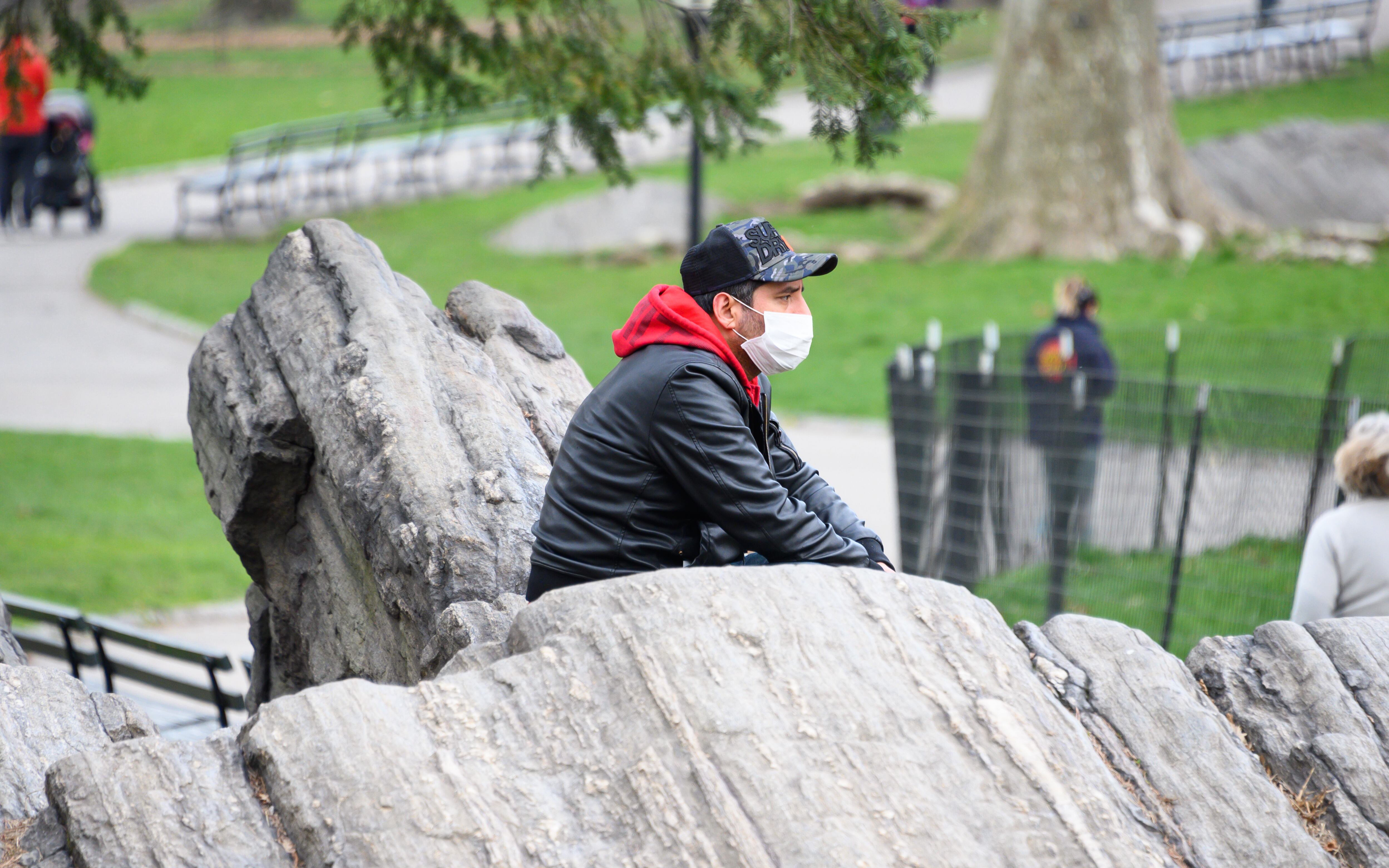
The Trump administration is formalizing new guidance to recommend that many Americans wear face coverings in an effort to slow the spread of the new coronavirus, as the president is aggressively defending his response to the public health crisis.
The coronavirus outbreak has triggered a stunning collapse in the U.S. workforce, with 10 million people losing their jobs in the past two weeks. Meanwhile, the number of confirmed infections worldwide has hit 1 million, with more than 50,000 deaths, according to the tally kept by Johns Hopkins University.
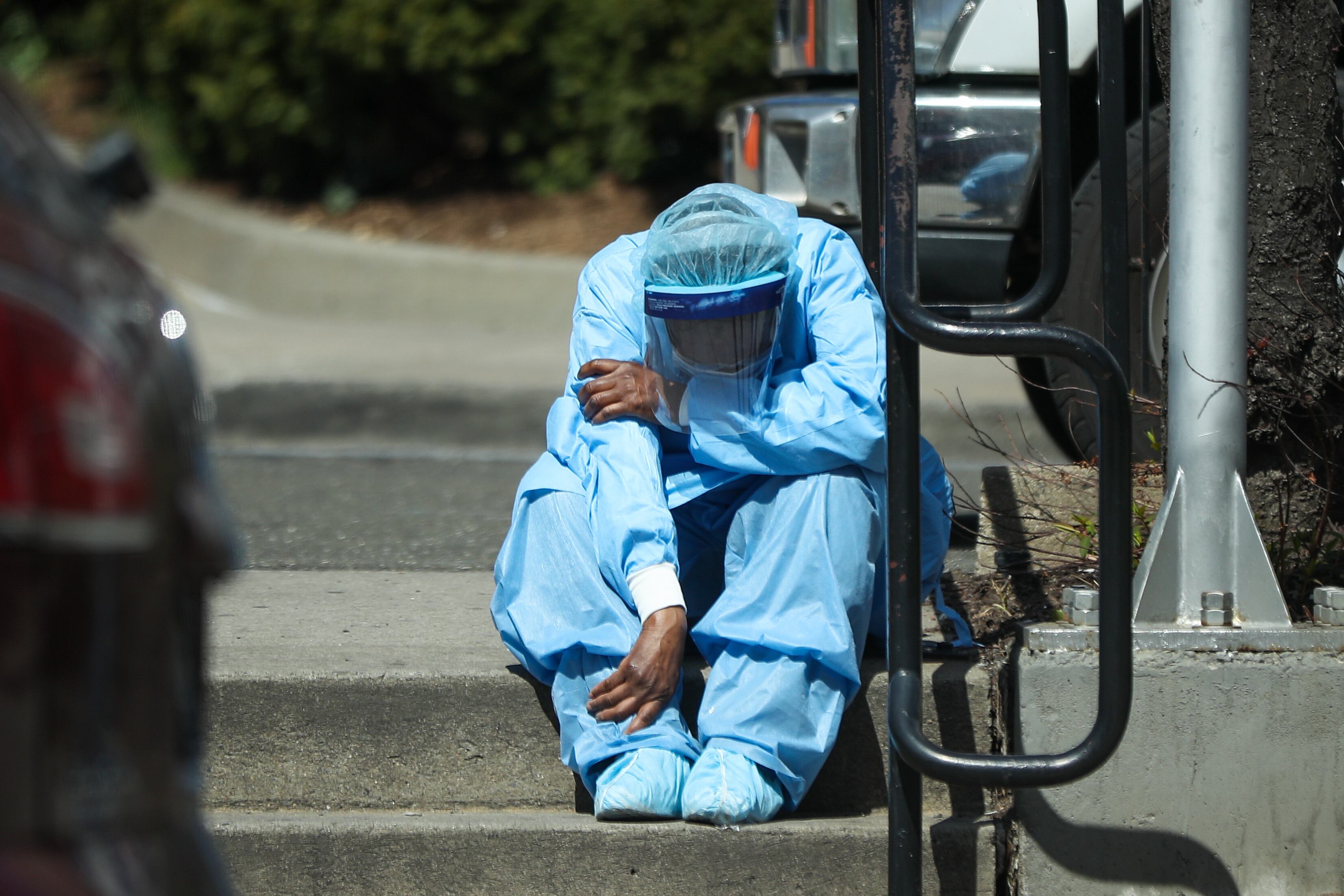
Dr. Eric Wei, chief quality officer for NYC Health + Hospitals, told Cheddar that one of his biggest fears as a hospital administrator and ER doctor is the potential impact of the pandemic on the emotional and mental well being of the health care workers.
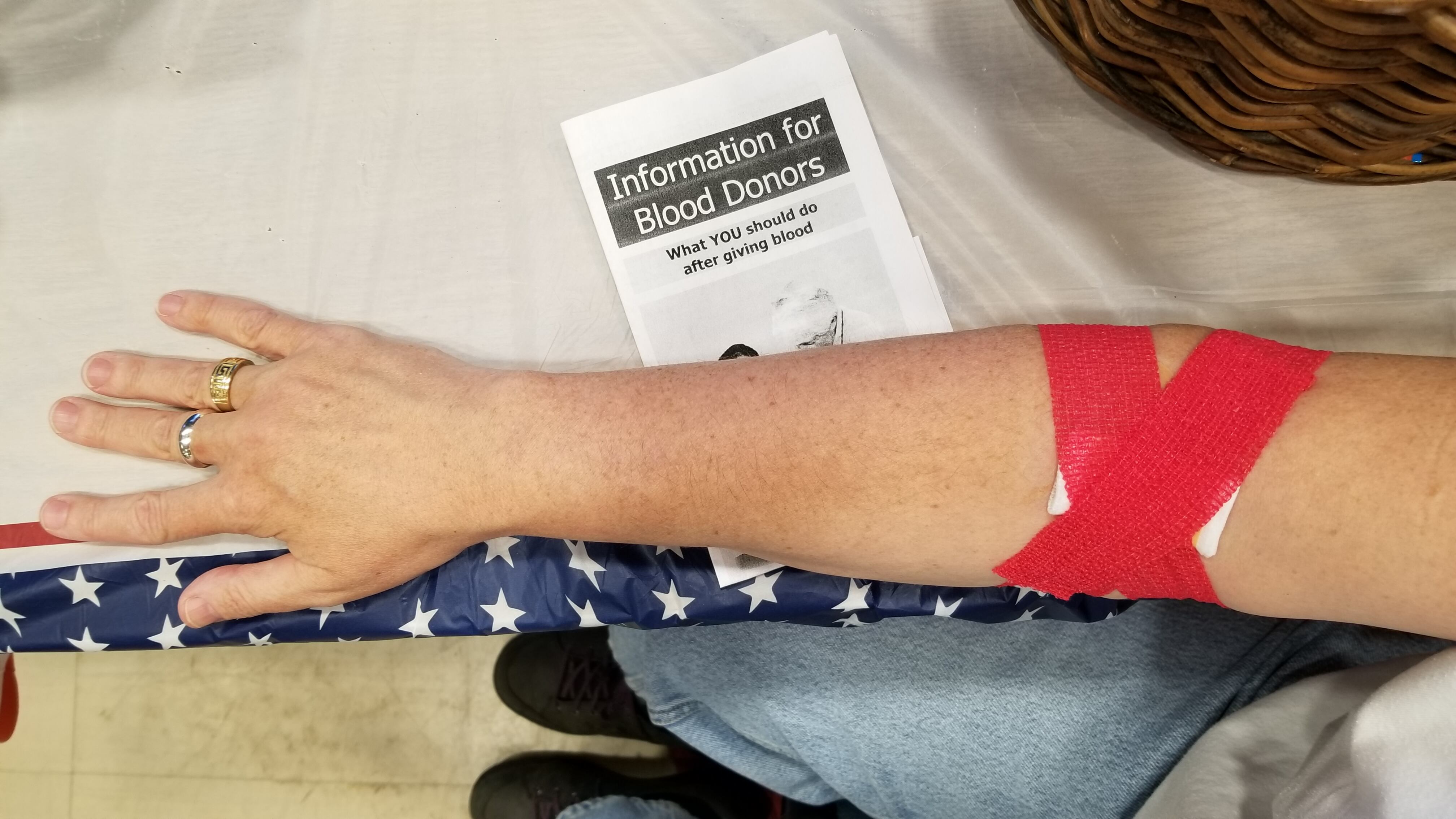
The U.S. Food and Drug Administration has released new guidelines for blood donors to bolster the supply of urgently needed blood and blood components. Most notable perhaps is a partial lifting of the controversial ban on men who have had sexual relations with another man within the last 12 months.