The cosmos is offering up a double feature in August: a pair of supermoons culminating in a rare blue moon.
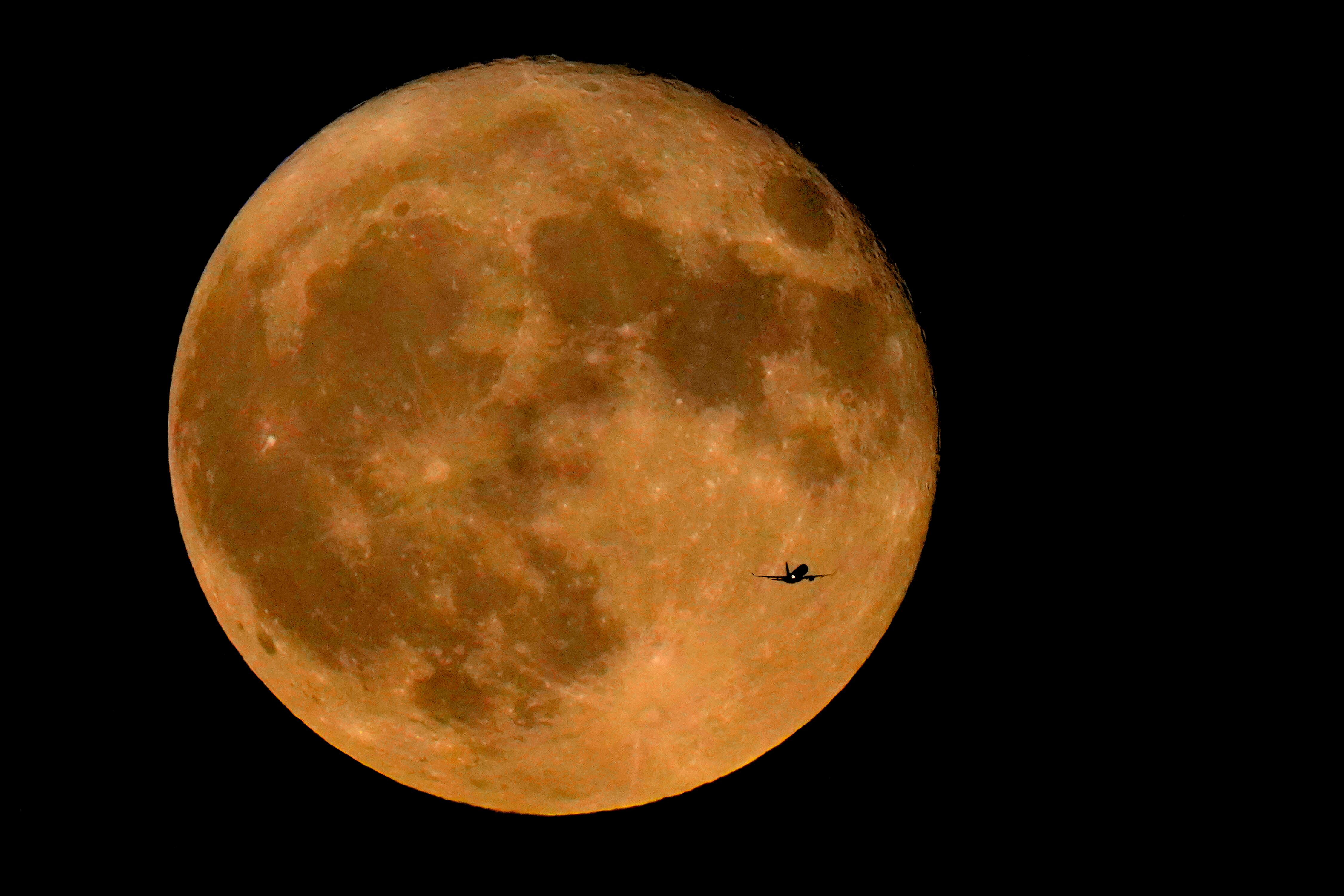
Catch the first show Tuesday evening as the full moon rises in the southeast, appearing slightly brighter and bigger than normal. That’s because it will be closer than usual, just 222,159 miles (357,530 kilometers) away, thus the supermoon label.
The moon will be even closer the night of Aug. 30 — a scant 222,043 miles (357,344 kilometers) distant. Because it’s the second full moon in the same month, it will be what's called a blue moon.
“Warm summer nights are the ideal time to watch the full moon rise in the eastern sky within minutes of sunset. And it happens twice in August,” said retired NASA astrophysicist Fred Espenak, dubbed Mr. Eclipse for his eclipse-chasing expertise.
The last time two full supermoons graced the sky in the same month was in 2018. It won’t happen again until 2037, according to Italian astronomer Gianluca Masi, founder of the Virtual Telescope Project.
Masi will provide a live webcast of Tuesday evening’s supermoon, as it rises over the Coliseum in Rome.
“My plans are to capture the beauty of this ... hopefully bringing the emotion of the show to our viewers,” Masi said in an email.
“The supermoon offers us a great opportunity to look up and discover the sky,” he added.
This year’s first supermoon was in July. The fourth and last will be in September. The two in August will be closer than either of those.
Provided clear skies, binoculars or backyard telescopes can enhance the experience, Espenak said, revealing such features as lunar maria — the dark plains formed by ancient volcanic lava flows — and rays emanating from lunar craters.
According to the Old Farmer’s Almanac, the August full moon is traditionally known as the sturgeon moon. That’s because of the abundance of that fish in the Great Lakes in August, hundreds of years ago.
New York Gov. Andrew Cuomo said Thursday that a state survey of about 3,000 people found that 13.9% had antibodies suggesting they had been exposed to the virus.
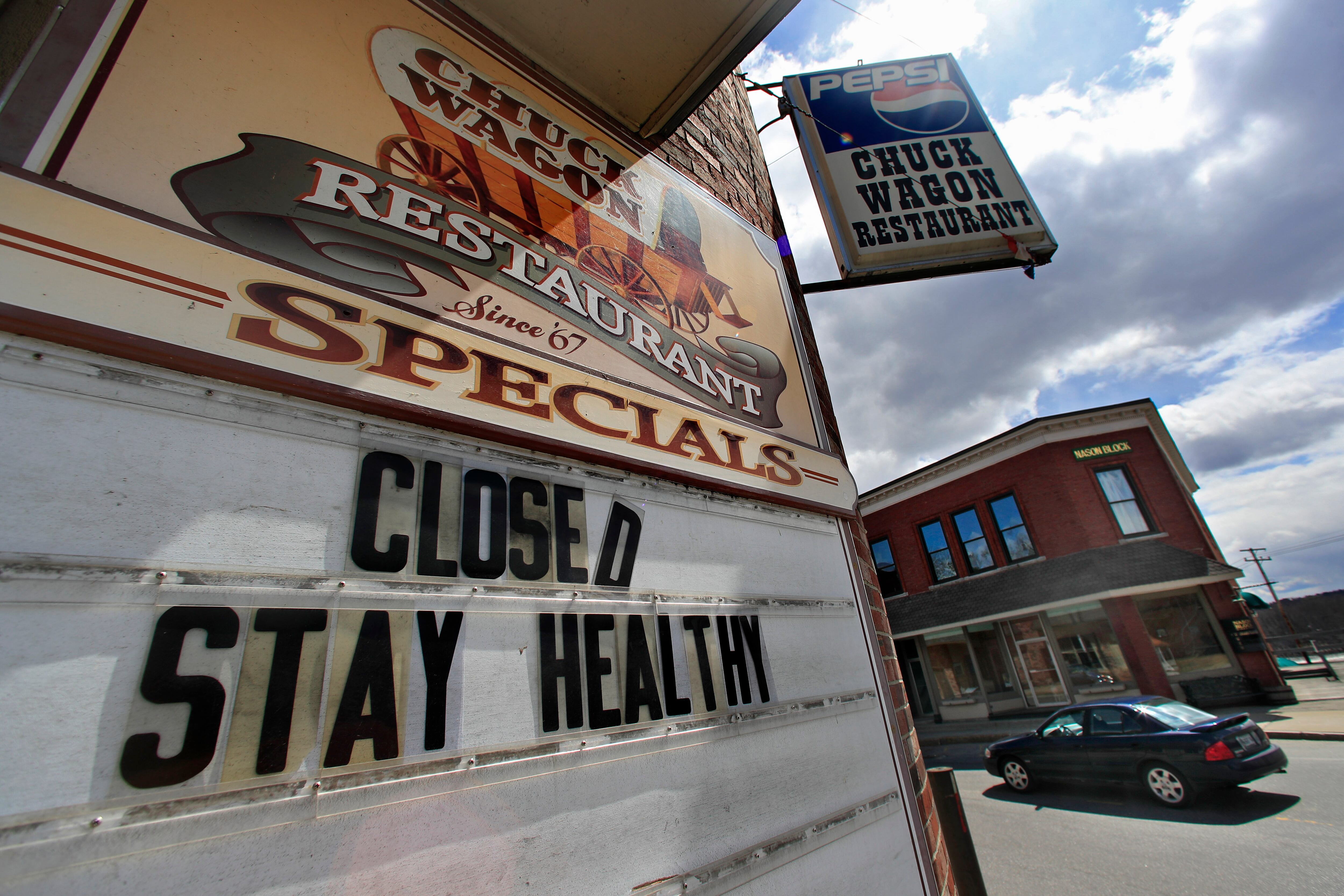
A new survey finds Americans remain overwhelmingly in favor of stay-at-home orders and other efforts to slow the spread of the coronavirus. A majority say it won’t be safe to lift such restrictions anytime soon. T
Will Shafroth, president and CEO of the National Park Foundation, told Cheddar Wednesday that the changes in the environment have allowed him to see more wildlife than he has ever seen before.
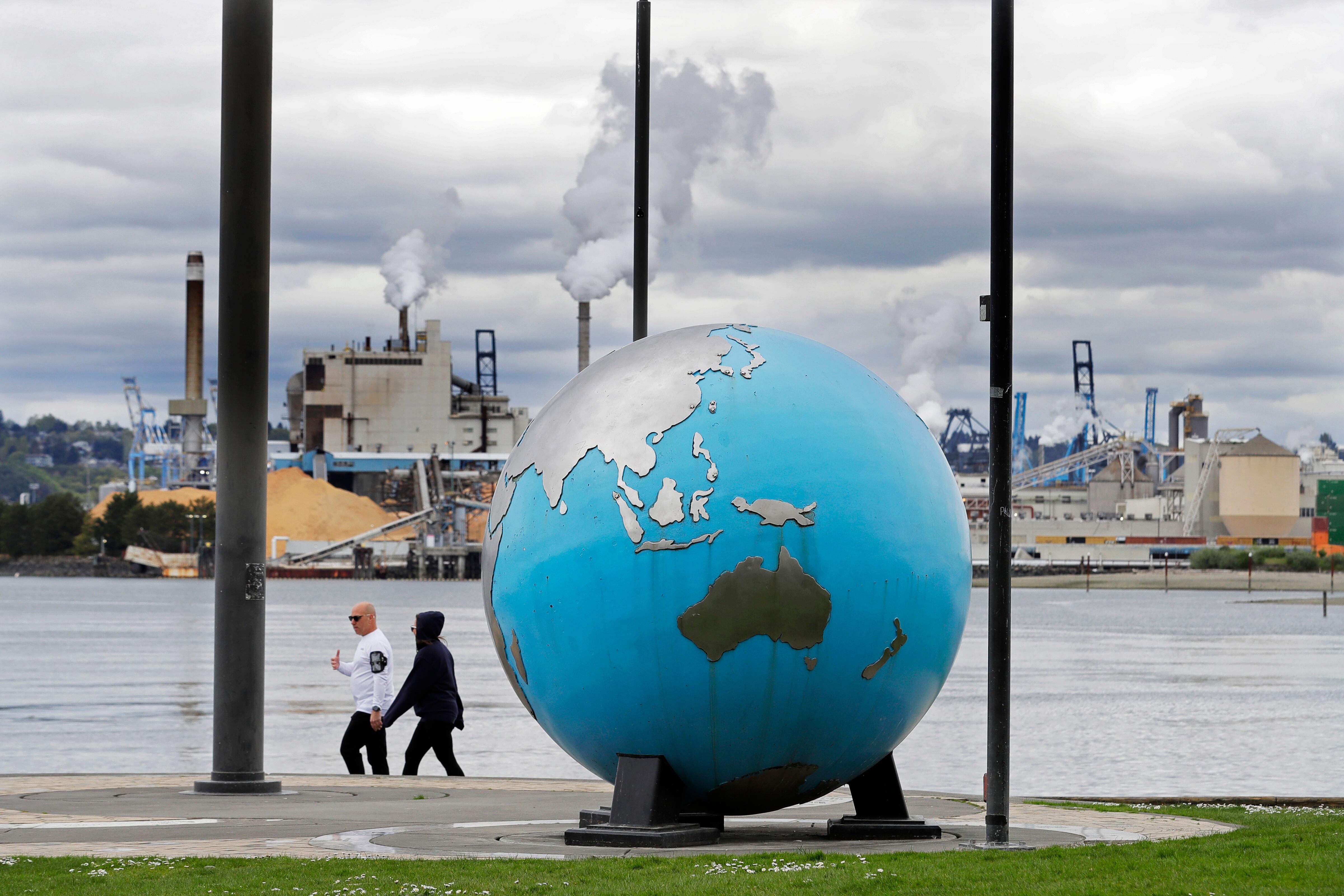
This Earth Day, you may be wondering how to help the environment, even as you prioritize health and safety by staying at home and observing social distancing. Here are five things you can do to help the planet without leaving your neighborhood (and one that requires a little more of a drive).
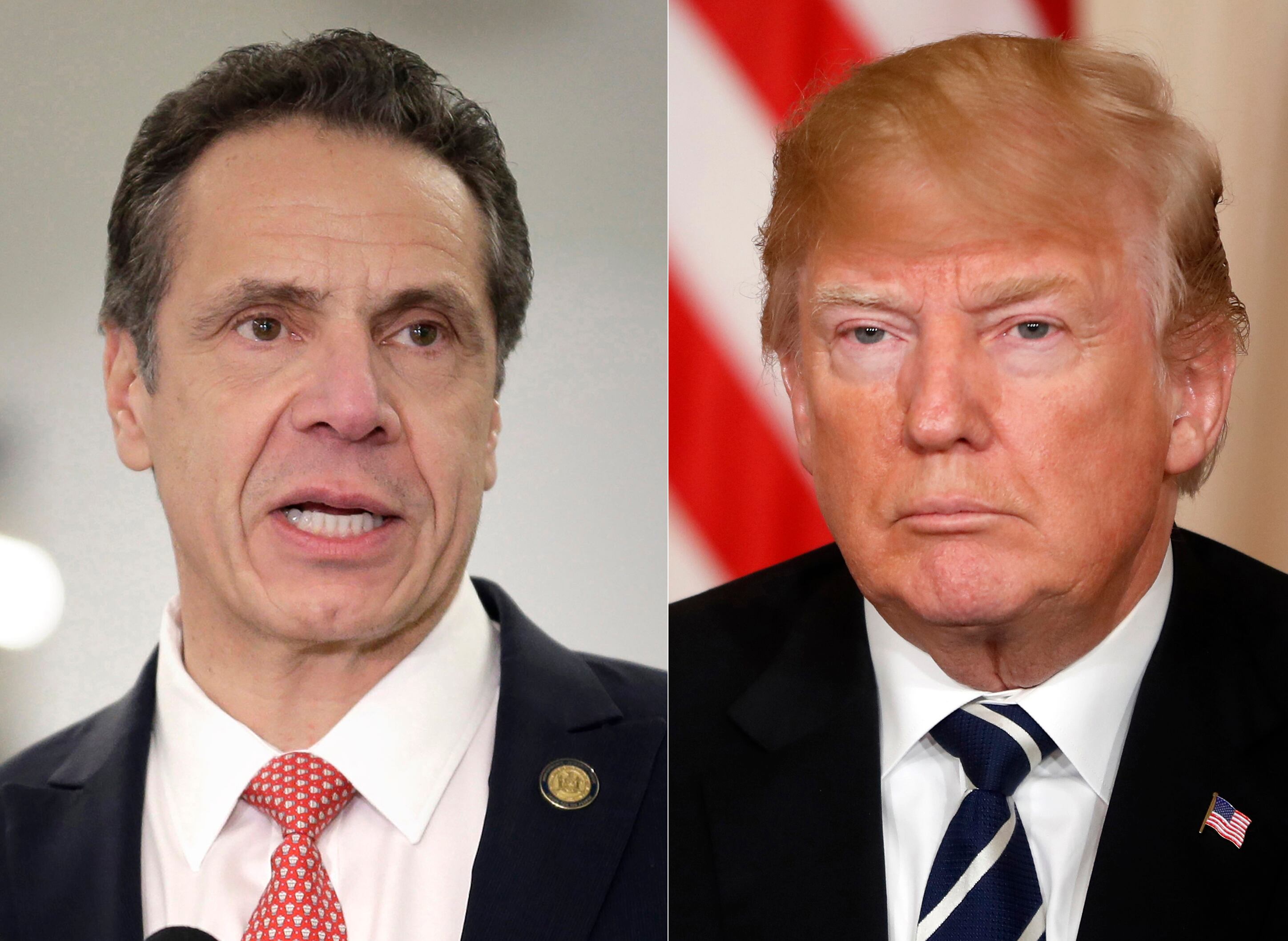
New York Gov. Andrew Cuomo said he had a “functional and effective” Oval Office meeting on Tuesday with President Donald Trump in which he pressed for more federal help as states try to increase testing for the coronavirus.
Over the past 50 years the global population has nearly doubled. Because of this, the relationship between humans and nature has had to change dramatically. Earth Decoded explores the surprising effects of our modernizing world on the planet we call home.
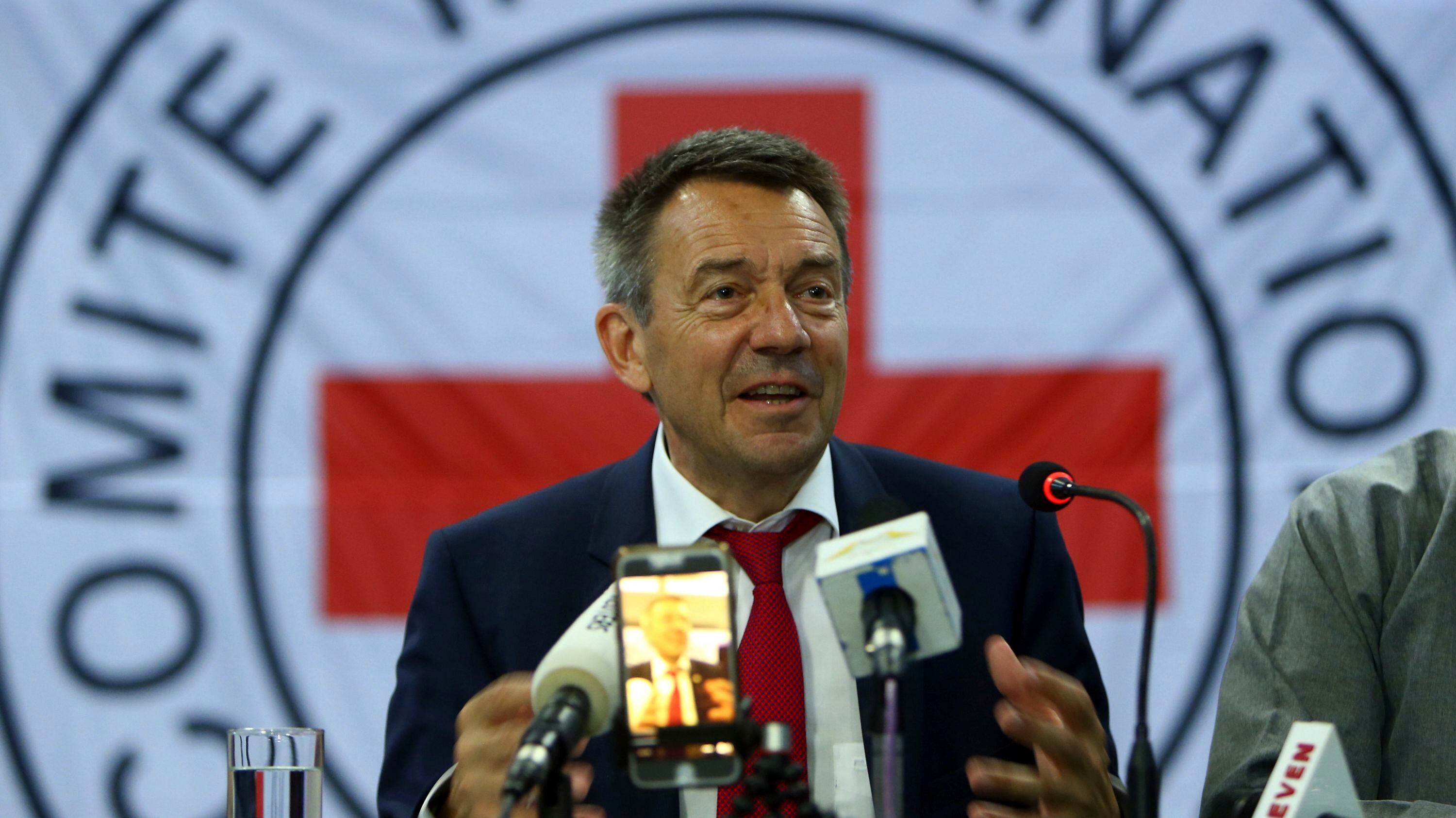
Peter Maurer, president of the International Committee of the Red Cross (ICRC), told Cheddar Monday that the countries that drew the most concerns could take this opportunity to build better health systems going forward.
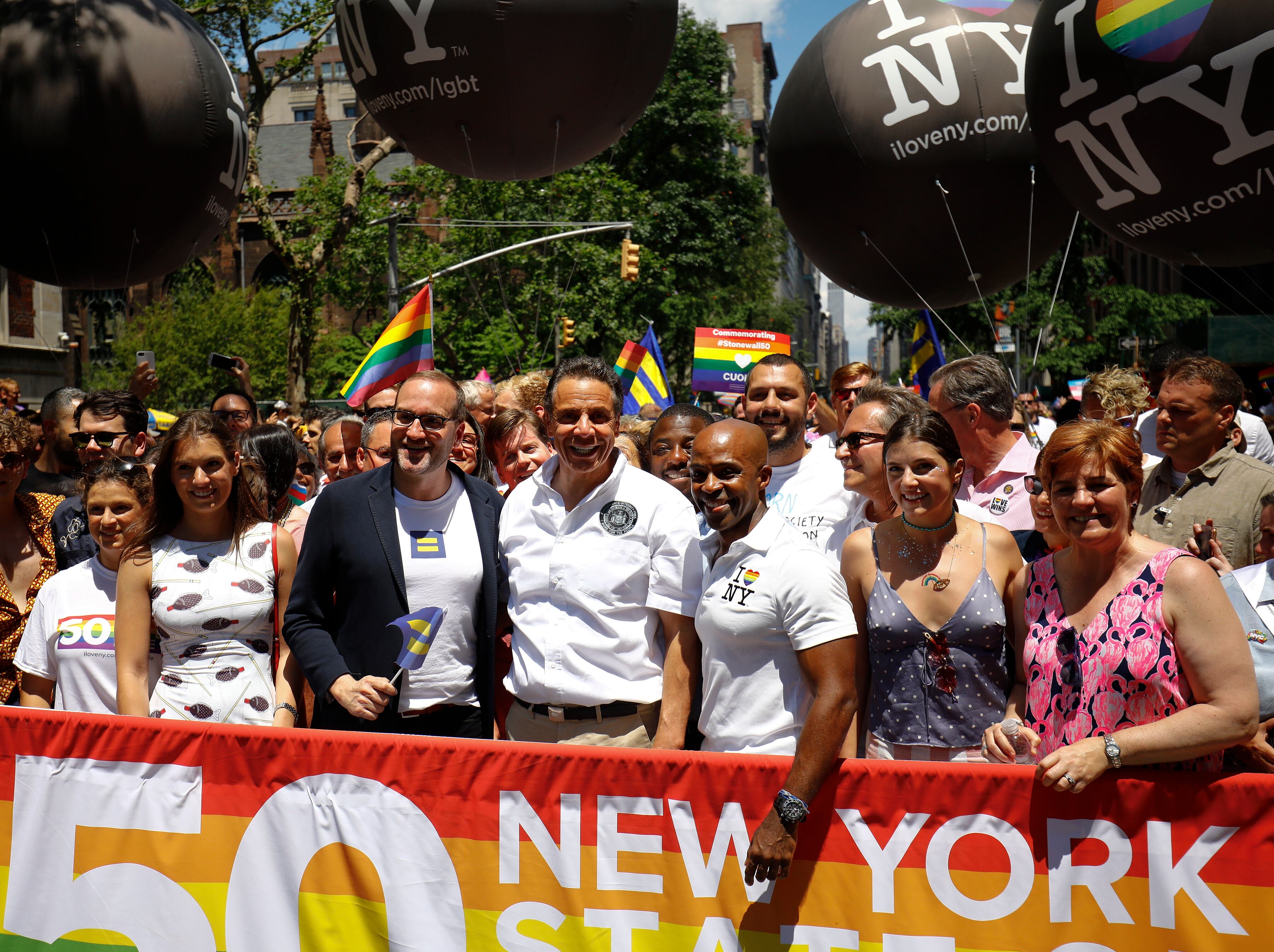
New York City won’t allow public events in June, including three of the city’s major annual celebrations: the National Puerto Rican Day Parade, the Celebrate Israel parade, and the Pride parade on its 50th anniversary.
From Wall Street to Silicon Valley, these are the top stories that moved markets and had investors, business leaders, and entrepreneurs talking this week on Cheddar.
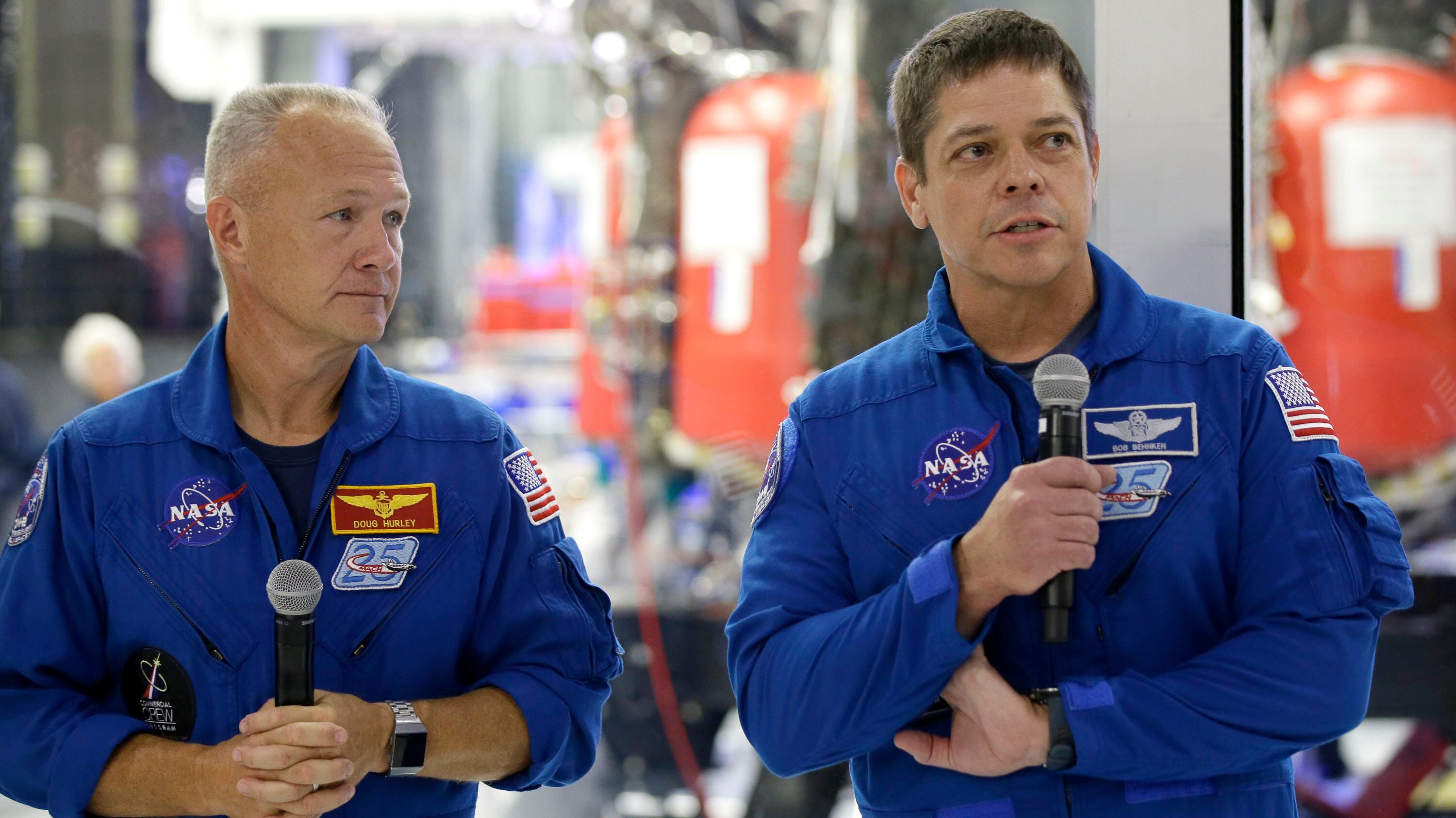
NASA and SpaceX have chosen May 27 for resuming astronaut launches from the U.S. after nine years. NASA Administrator Jim Bridenstine announced the launch date Friday.