The cosmos is offering up a double feature in August: a pair of supermoons culminating in a rare blue moon.
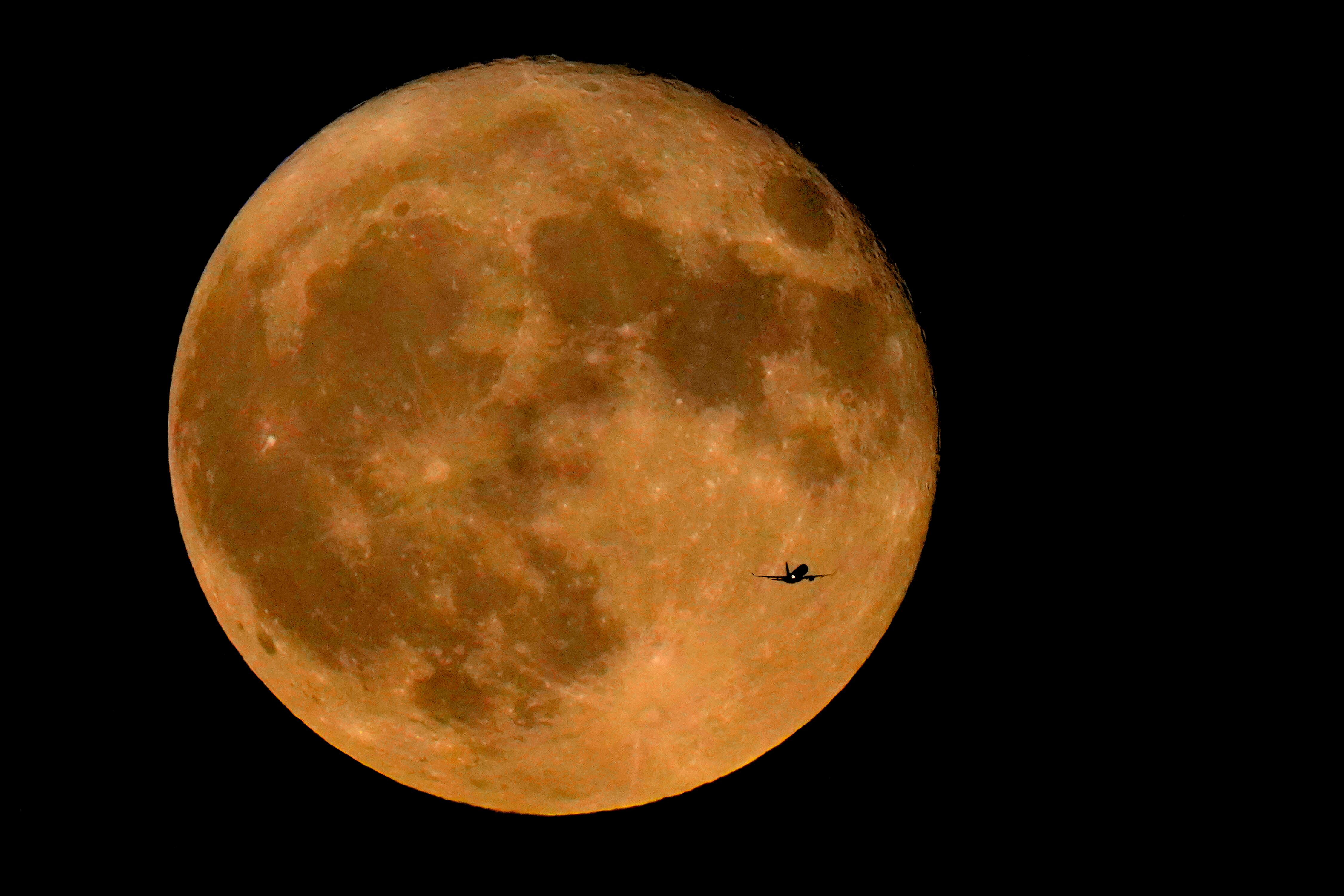
Catch the first show Tuesday evening as the full moon rises in the southeast, appearing slightly brighter and bigger than normal. That’s because it will be closer than usual, just 222,159 miles (357,530 kilometers) away, thus the supermoon label.
The moon will be even closer the night of Aug. 30 — a scant 222,043 miles (357,344 kilometers) distant. Because it’s the second full moon in the same month, it will be what's called a blue moon.
“Warm summer nights are the ideal time to watch the full moon rise in the eastern sky within minutes of sunset. And it happens twice in August,” said retired NASA astrophysicist Fred Espenak, dubbed Mr. Eclipse for his eclipse-chasing expertise.
The last time two full supermoons graced the sky in the same month was in 2018. It won’t happen again until 2037, according to Italian astronomer Gianluca Masi, founder of the Virtual Telescope Project.
Masi will provide a live webcast of Tuesday evening’s supermoon, as it rises over the Coliseum in Rome.
“My plans are to capture the beauty of this ... hopefully bringing the emotion of the show to our viewers,” Masi said in an email.
“The supermoon offers us a great opportunity to look up and discover the sky,” he added.
This year’s first supermoon was in July. The fourth and last will be in September. The two in August will be closer than either of those.
Provided clear skies, binoculars or backyard telescopes can enhance the experience, Espenak said, revealing such features as lunar maria — the dark plains formed by ancient volcanic lava flows — and rays emanating from lunar craters.
According to the Old Farmer’s Almanac, the August full moon is traditionally known as the sturgeon moon. That’s because of the abundance of that fish in the Great Lakes in August, hundreds of years ago.
Dr. Rick Bright is telling Congress that America faces the “darkest winter in modern history” unless its leaders act decisively to prevent a rebound of the coronavirus.
With grim images of coronavirus frontline workers splashing across screens, the founder of the virtual support group Lyf decided to come up with new ways of helping those struggling during the pandemic.
Josh Morrison, the co-founder of 1 Day Sooner, discussed asking volunteers to sign up for human challenge trials that will expose them to the virus in an effort to study the disease and develop a cure.
Gov. Andrew Cuomo said Tuesday that the state is now investigating about 100 cases of the Kawasaki disease-like syndrome. Three children have died.
Dr. Anthony Fauci, the nation’s top infectious disease expert, is warning Congress and the nation of what he calls "really serious” consequences of suffering, death and deeper economic damage if state and local officials lift stay-at-home orders too quickly.
Dr. Beth Cameron, who is currently vice president of global biology programs at the Nuclear Threat Initiative, was previously a senior director in the White House pandemic office under the National Security Council.
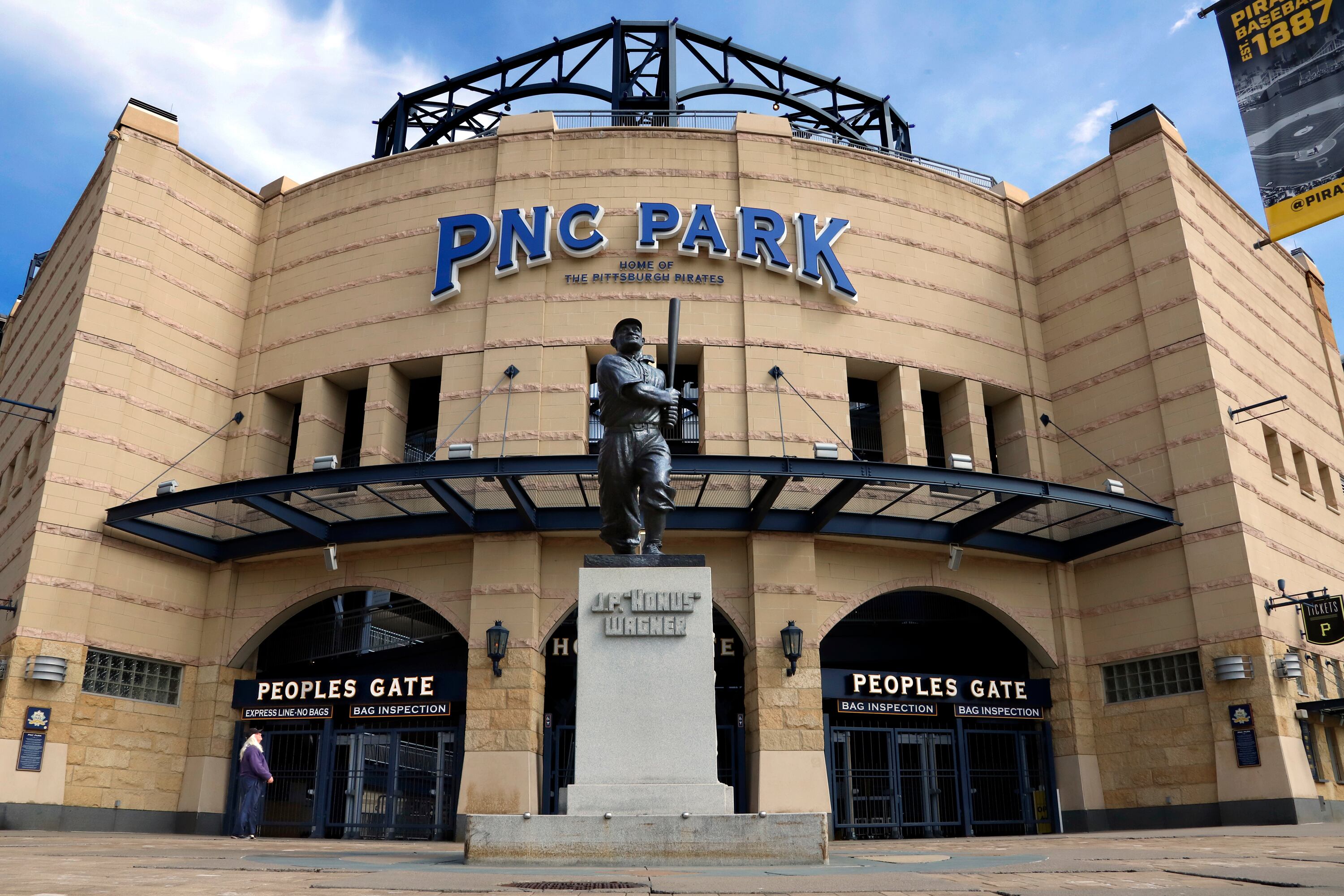
Under 1% of Major League Baseball employees tested positive for antibodies to COVID-19, the illness caused by the new coronavirus. Results were based on 5,603 completed records from employees of 26 clubs.
From Wall Street to Silicon Valley, these are the top stories that moved markets and had investors, business leaders, and entrepreneurs talking this week on Cheddar.
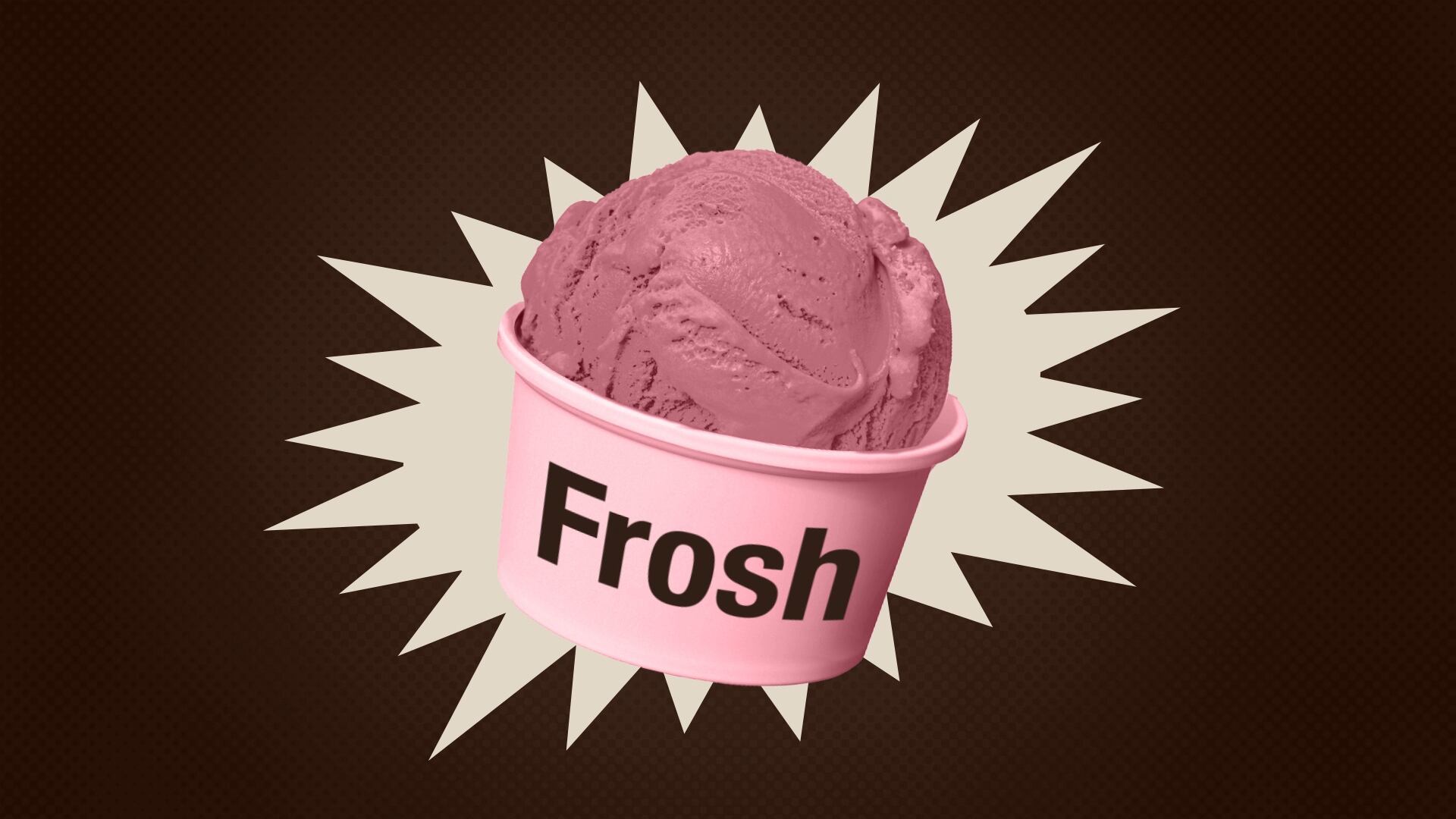
Marketers use a linguistic science called ‘Sound Symbolism’ to aid in naming brands and products. The science focuses on the sounds of words and how they can affect how people perceive a word. Join Cheddar as we examine just how brand names come to be formed and if a brand by any other name is just as lucrative.
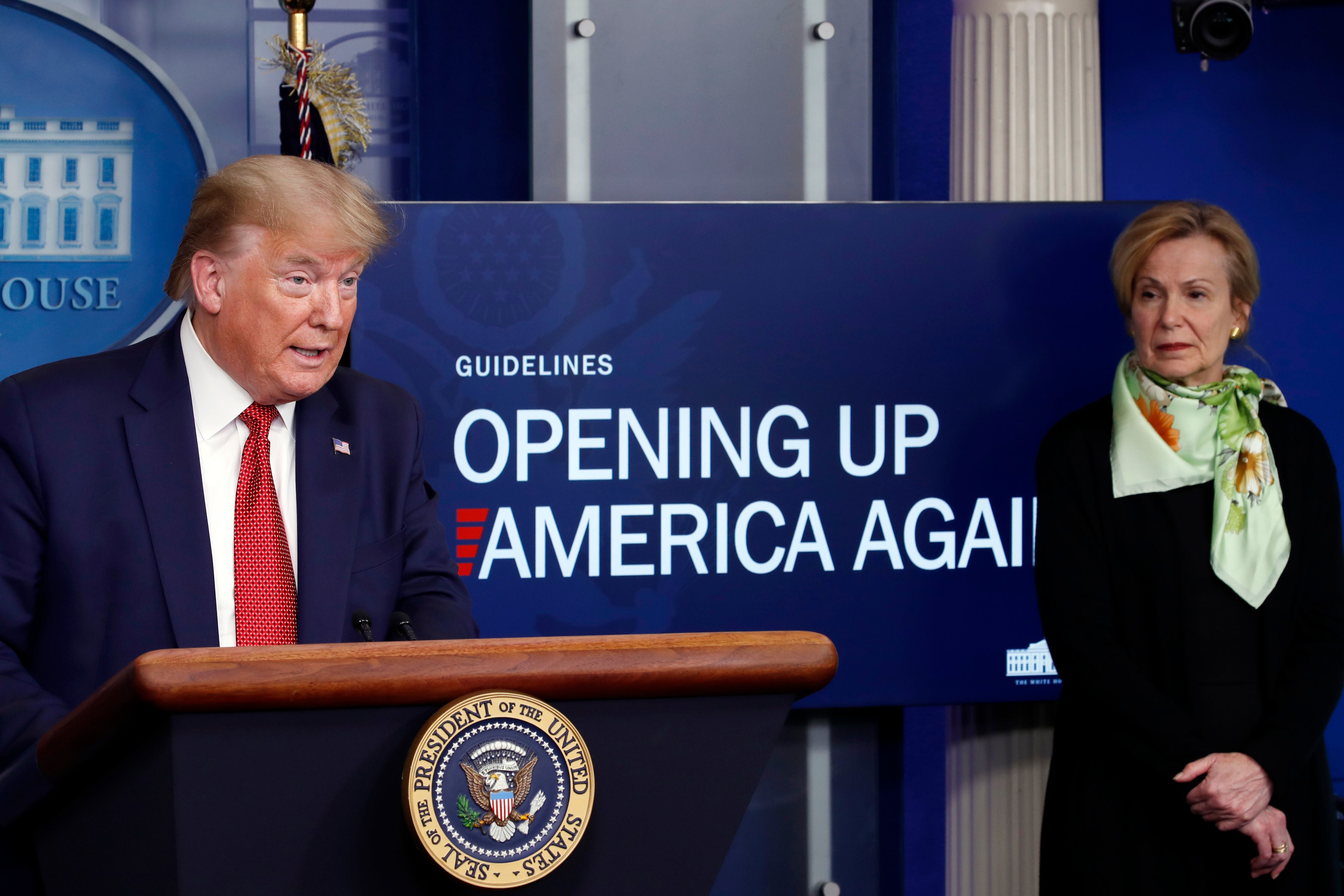
The Trump administration has shelved a set of detailed documents created by the nation’s top disease investigators meant to give step-by-step advice to local leaders deciding when and how to reopen public places during the still-raging pandemic.