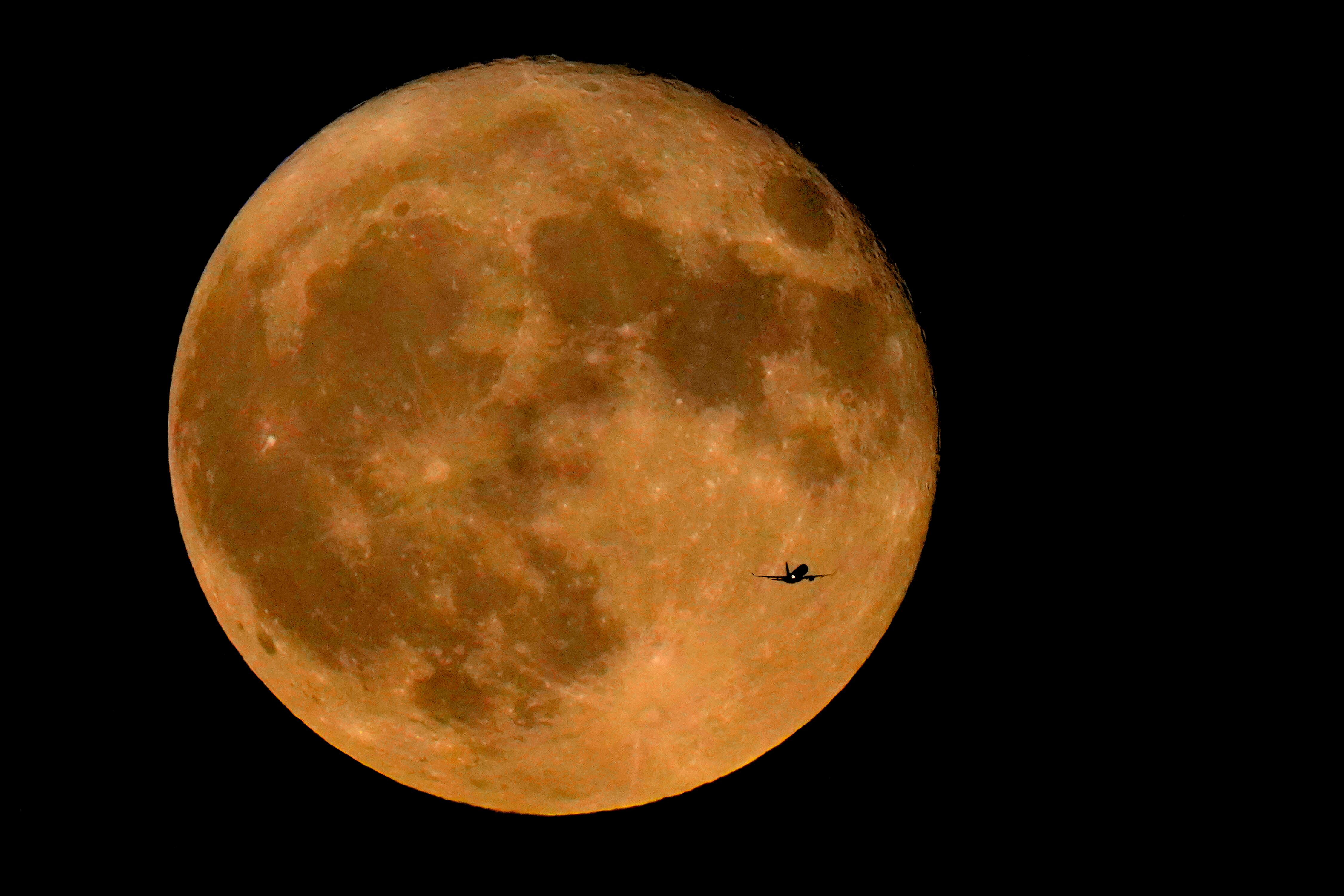
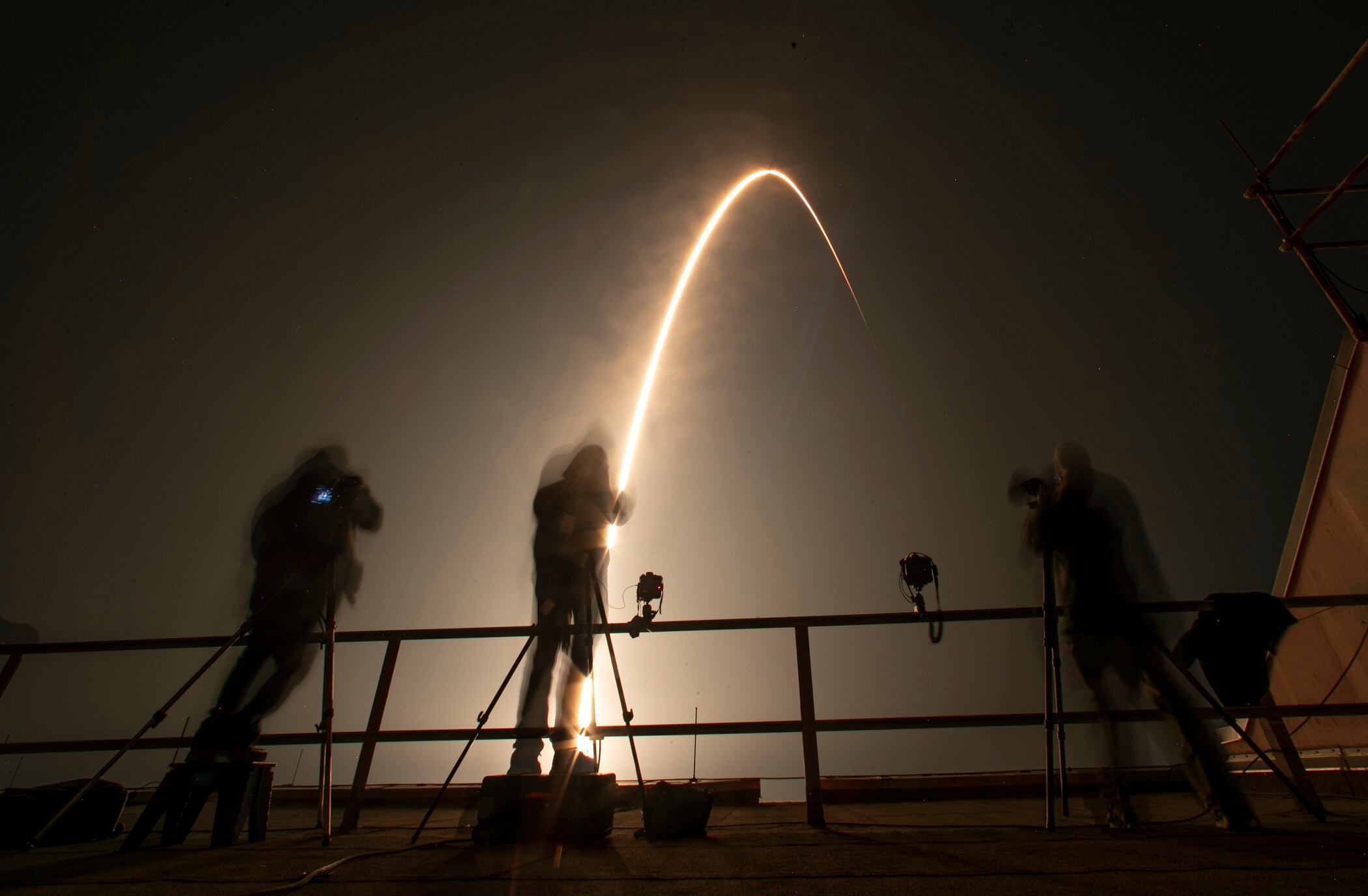
A commercial airliner flies Northwest across Lake Michigan in front of the "Full Buck" supermoon, the first of four supermoons in 2023, July 3, 2023, in Chicago. The cosmos is offering up a double feature in August: a pair of supermoons. Catch the first show Tuesday night, Aug. 2, as the full moon rises in the southeast. (AP Photo/Charles Rex Arbogast, File)
The cosmos is offering up a double feature in August: a pair of supermoons culminating in a rare blue moon.
Catch the first show Tuesday evening as the full moon rises in the southeast, appearing slightly brighter and bigger than normal. That’s because it will be closer than usual, just 222,159 miles (357,530 kilometers) away, thus the supermoon label.
The moon will be even closer the night of Aug. 30 — a scant 222,043 miles (357,344 kilometers) distant. Because it’s the second full moon in the same month, it will be what's called a blue moon.
“Warm summer nights are the ideal time to watch the full moon rise in the eastern sky within minutes of sunset. And it happens twice in August,” said retired NASA astrophysicist Fred Espenak, dubbed Mr. Eclipse for his eclipse-chasing expertise.
The last time two full supermoons graced the sky in the same month was in 2018. It won’t happen again until 2037, according to Italian astronomer Gianluca Masi, founder of the Virtual Telescope Project.
Masi will provide a live webcast of Tuesday evening’s supermoon, as it rises over the Coliseum in Rome.
“My plans are to capture the beauty of this ... hopefully bringing the emotion of the show to our viewers,” Masi said in an email.
“The supermoon offers us a great opportunity to look up and discover the sky,” he added.
This year’s first supermoon was in July. The fourth and last will be in September. The two in August will be closer than either of those.
Provided clear skies, binoculars or backyard telescopes can enhance the experience, Espenak said, revealing such features as lunar maria — the dark plains formed by ancient volcanic lava flows — and rays emanating from lunar craters.
According to the Old Farmer’s Almanac, the August full moon is traditionally known as the sturgeon moon. That’s because of the abundance of that fish in the Great Lakes in August, hundreds of years ago.
Health officials are warning of a grim winter as the Omicron variant of COVID-19 spreads rapidly across the country. New York City is the latest hotspot, with cases rising in a way the city hasn't previously seen in the pandemic. Dr. Bob Lahita, director of the Institute for Autoimmune and Rheumatic Diseases at St. Joseph Health and author of the book "Immunity Strong," joined Cheddar to discuss whether the rest of the country will follow in New York's footsteps.
Covid cases and deaths are on the rise in many parts of the country even before the Omicron variant takes hold. More than 30 states had higher seven-day averages for new cases last week than they did before Thanksgiving, according to Johns Hopkins University data, with some of the biggest increases in the Northeast. Dr. Anthony Santella, professor of Health Administration and University COVID Coordinator at the University of New Haven, joined Cheddar to discuss where we stand in the pandemic and how we can keep ourselves safe during the holidays.
Carlo's joined by a quarantining Baker to discuss the headlines from the weekend as Omicron spreads like wildfire, Manchin kills Biden's signature bill and Spider-Man throws a lifeline to the box office.
Authorities say at least five people died when a powerful storm system swept across the Great Plains and Midwest, spawning hurricane-force winds and likely tornadoes in Nebraska, Iowa and Minnesota.
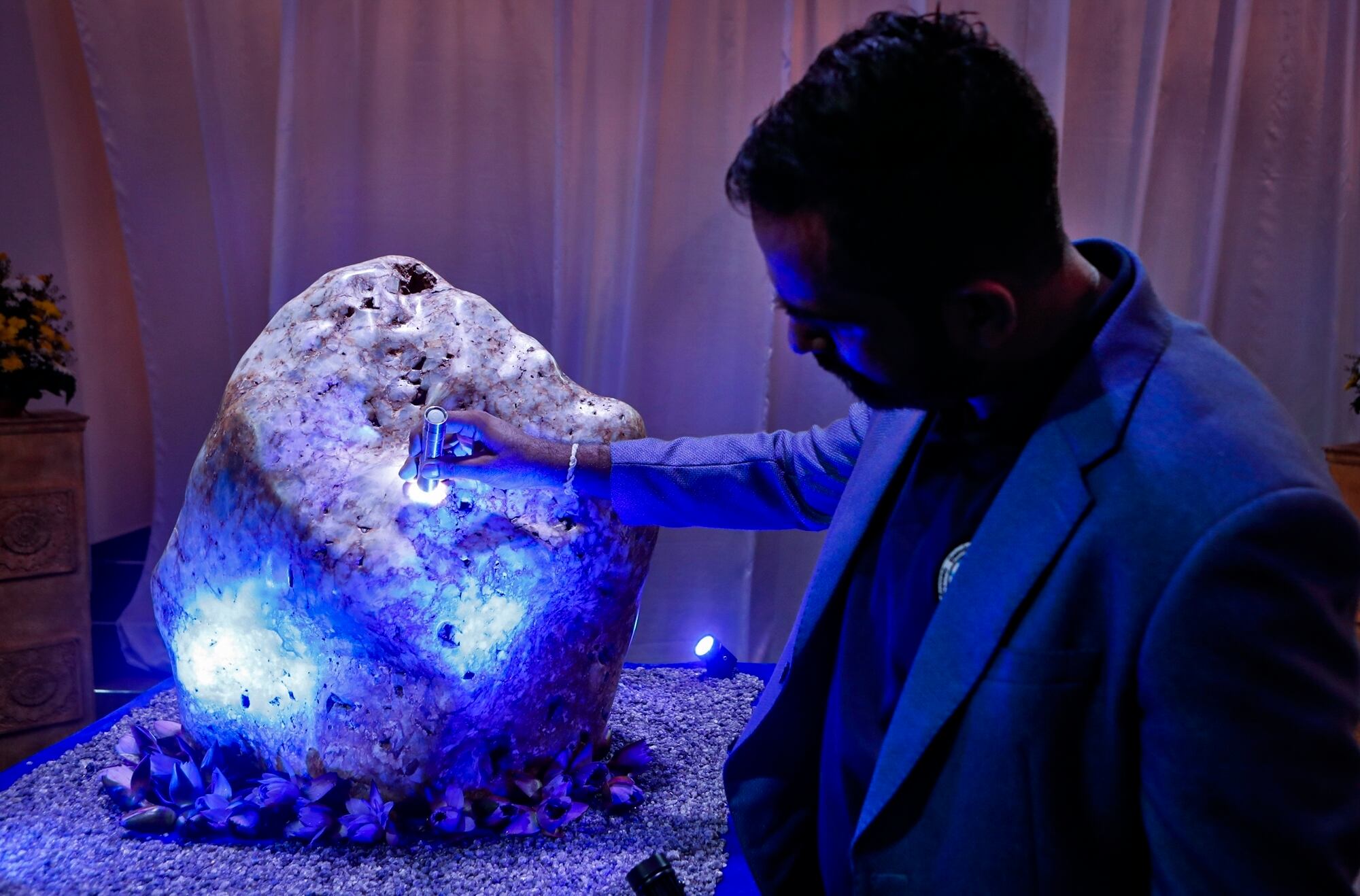
A gem company in Sri Lanka has unveiled a rare and massive gemstone weighing 683 pounds (310 kilograms) that has been certified as one of the biggest corundums ever found in the country.