By Aamer Madhani, Jonathan Lemire, and Vladimir Isachenkov
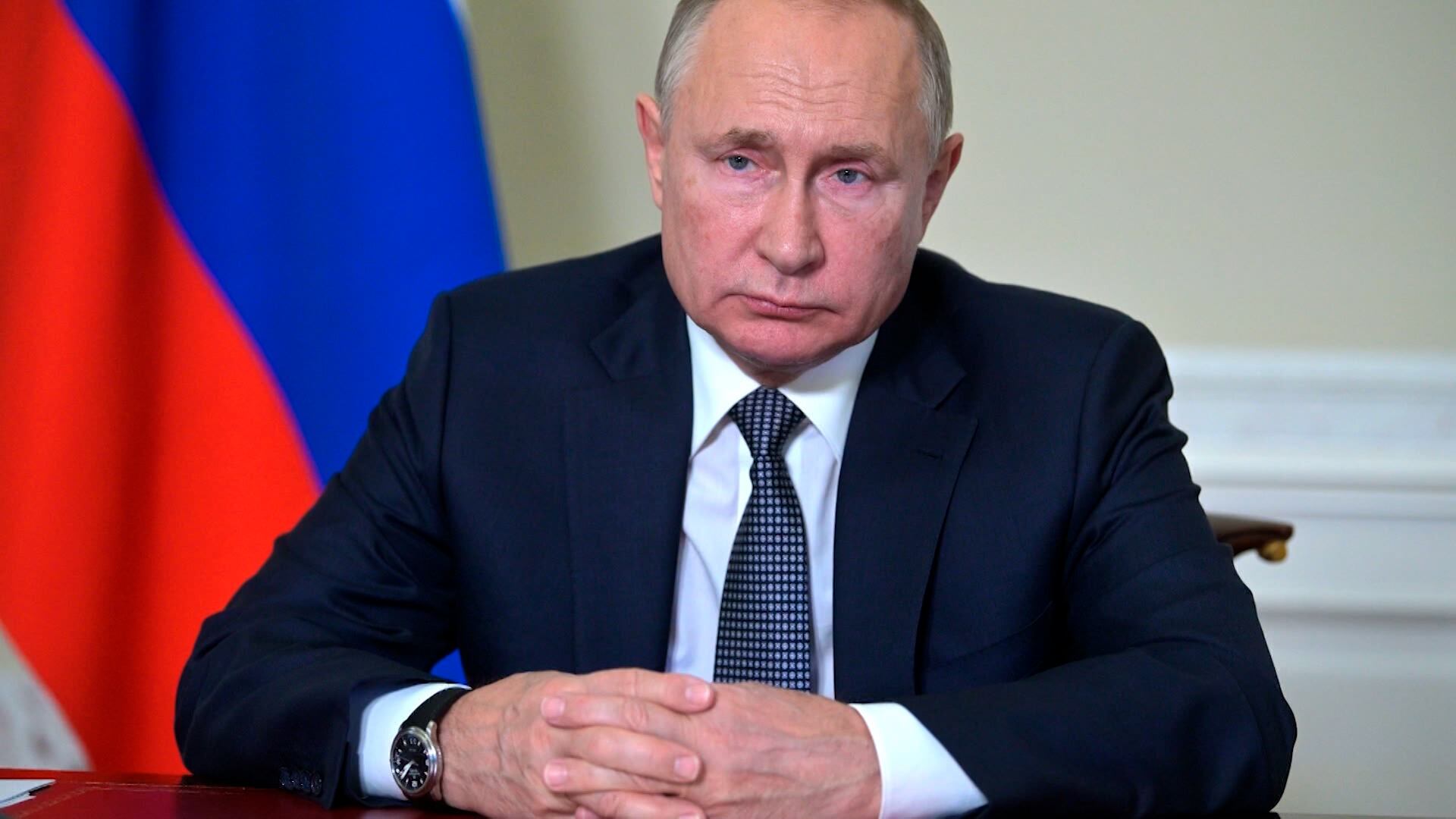
Russian President Vladimir Putin says he and U.S. President Joe Biden agreed in a “constructive” summit Wednesday to return their nations' ambassadors to their posts and begin negotiations to replace the last remaining treaty between the two countries limiting nuclear weapons.
Putin said there was “no hostility” during the talks that wrapped up more quickly than expected.
The two sides had said they expected to meet for four to five hours but spent less than three hours together, including an opening meeting with just the two presidents and each one's top foreign aide.
When it was over, Putin had first crack at describing the results at a solo news conference, with Biden to follow with his own session with reporters.
Putin acknowledged that Biden raised human rights issues with him, including the fate of opposition leader Alexei Navalny. Putin defended Navalny’s prison sentence and deflected repeated questions about mistreatment of Russian opposition leaders by highlighting U.S. domestic turmoil, including the Black Lives Matter protests and the Jan. 6 Capitol insurrection.
Putin held forth for nearly an hour before international reporters. While showing defiance at queries about Biden pressing him on human rights, he also expressed a significant measure of respect for Biden as an experienced political leader.
The Russian leader noted that Biden repeated wise advice his mother had given him and also spoke about his family — messaging that Putin said might not have been entirely relevant to their summit but demonstrated Biden's “moral values.” Though he raised doubt that the U.S.-Russia relationship could soon return to a measure of equilibrium of years past, Putin suggested that Biden was someone he could work with.
“The meeting was actually very efficient,” Putin said. “It was substantive, it was specific. It was aimed at achieving results, and one of them was pushing back the frontiers of trust.”
Putin said he and Biden agreed to begin negotiations on nuclear talks to potentially replace the New START treaty limiting nuclear weapons after it expires in 2026.
Washington broke off talks with Moscow in 2014 in response to Russia’s annexation of Ukraine’s Crimea and its military intervention in support of separatists in eastern Ukraine. Talks resumed in 2017 but gained little traction and failed to produce an agreement on extending the New START treaty during the Trump administration.
The Russian president said there was an agreement between the leaders to return their ambassadors to their respective postings. Both countries had pulled back their top envoys to Washington and Moscow as relations chilled in recent months.
Russia’s ambassador to the U.S., Anatoly Antonov, was recalled from Washington about three months ago after Biden called Putin a killer; U.S. Ambassador to Russia John Sullivan left Moscow almost two months ago, after Russia suggested he return to Washington for consultations. Putin said that the ambassadors were expected to return their posts in the coming days.
Putin also said the two sides agreed in principle to begin consultations on cybersecurity issues, though he continued to deny U.S. allegations that Russian government was responsible for a spate of recent high-profile hacks against business and government agencies in the United States and around the globe.
The meeting in a book-lined room had a somewhat awkward beginning — both men appeared to avoid looking directly at each other during a brief and chaotic photo opportunity before a scrum of jostling reporters.
Biden nodded when a reporter asked if Putin could be trusted, but the White House quickly sent out a tweet insisting that the president was “very clearly not responding to any one question, but nodding in acknowledgment to the press generally.”
Their body language, at least in their brief moments together in front of the press, was not exceptionally warm.
The two leaders did shake hands — Biden extended his hand first and smiled at the stoic Russian leader — after Swiss President Guy Parmelin welcomed them to Switzerland for the summit. When they were in front of the cameras a few minutes later—this time inside the grand lakeside mansion where the summit was held—they seemed to avoid eye contact.
For months, Biden and Putin have traded sharp rhetoric. Biden has repeatedly called out Putin for malicious cyberattacks by Russian-based hackers on U.S. interests, for the jailing of Russia's foremost opposition leader and for interference in American elections.
Putin has reacted with whatabout-isms and denials — pointing to the Jan. 6 insurrection at the U.S. Capitol to argue that the U.S. has no business lecturing on democratic norms and insisting that the Russian government hasn't been involved in any election interference or cyberattacks despite U.S. intelligence showing otherwise.
In advance of Wednesday's meeting, both sides set out to lower expectations.
Even so, Biden said it was an important step if the United States and Russia were able to ultimately find “stability and predictability" in their relationship, a seemingly modest goal from the president for dealing with the person he sees as one of America's fiercest adversaries.
Arrangements for the meeting were carefully choreographed and vigorously negotiated.
Biden first floated the meeting in an April phone call in which he informed Putin that he would be expelling several Russian diplomats and imposing sanctions against dozens of people and companies, part of an effort to hold the Kremlin accountable for interference in last year’s presidential election and the hacking of federal agencies.
The White House announced ahead of the summit that Biden wouldn't hold a joint news conference with Putin, deciding it did not want to appear to elevate Putin at a moment when the U.S. president is urging European allies to pressure Putin to cut out myriad provocations.
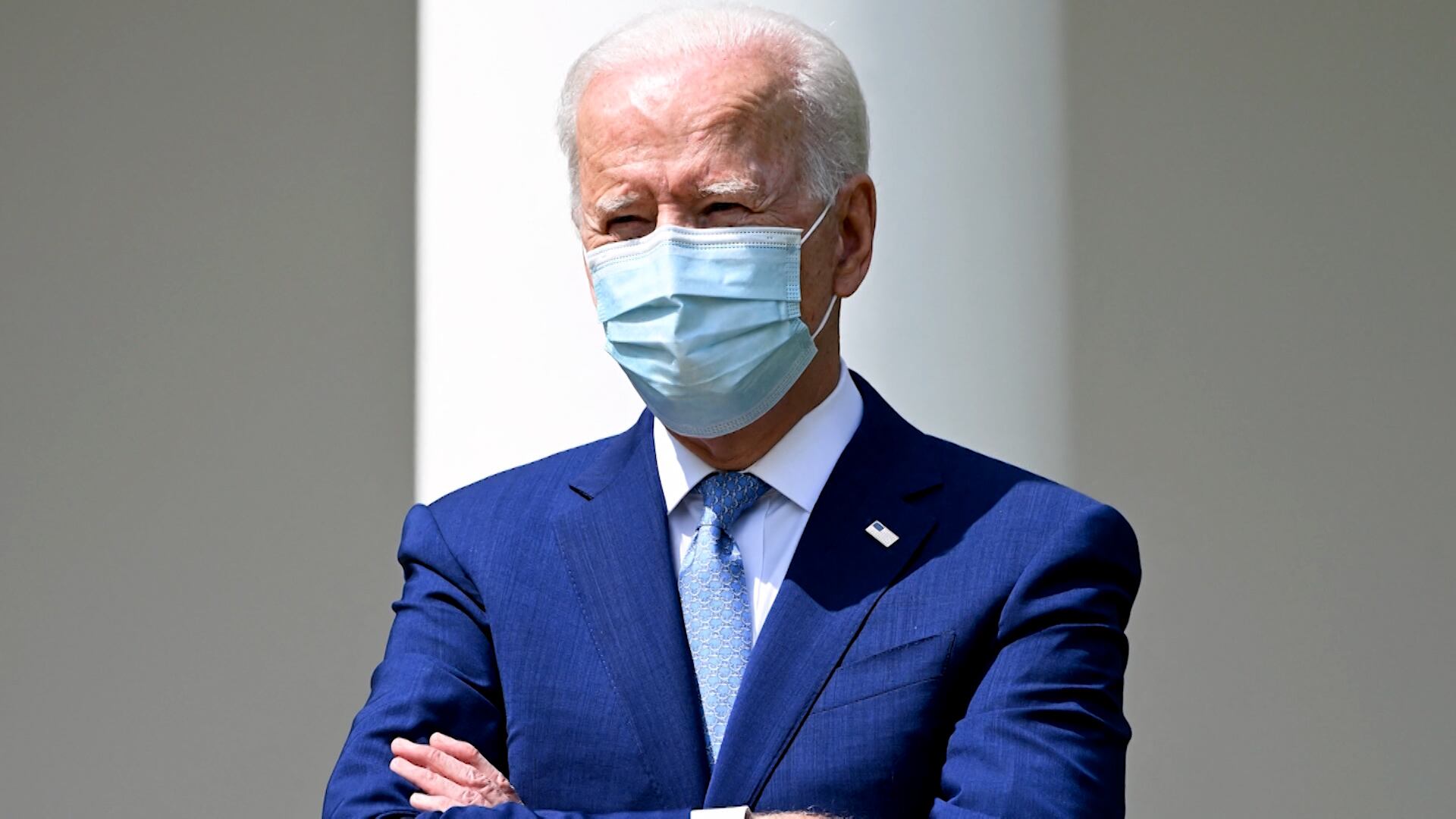
Biden sees himself with few peers on foreign policy. He traveled the globe as a member of the Senate Foreign Relations Committee and was given difficult foreign policy assignments by President Barack Obama when Biden was vice president. His portfolio included messy spots like Iraq and Ukraine and weighing the mettle of China's Xi Jinping during his rise to power.
He has repeatedly said that he believes executing effective foreign policy comes from forming strong personal relations, and he has managed to find rapport with both the likes of Turkey's Recep Tayyip Erdogan, whom Biden has labeled an “autocrat,” and more conventional Western leaders including Canada's Justin Trudeau.
But with Putin, who he has said has “no soul," Biden has long been wary. At the same time, he acknowledges that Putin, who has remained the most powerful figure in Russian politics over the span of five U.S. presidents, is not without talent.
“He’s bright. He’s tough," Biden said earlier this week. “And I have found that he is a — as they say ... a worthy adversary."
Biden had prepared for his one-on-one by reviewing materials and consulting with officials across government and with outside advisers. Aides said the level of preparation wasn't unusual. Biden, in a brief exchange with reporters upon a rriving in Geneva on Tuesday night, sought to offer the impression that he wasn't sweating his big meeting.
“I am always ready,” Biden said.
___
Associated Press writer Zeke Miller in Washington and AP video journalist Daniel Kozin contributed reporting
Updated on June 16, 2021, at 1:43 p.m. ET with the latest details.