Twitter is starting to test tweets that disappear after 24 hours, although initially only in Brazil.

The company says the ephemeral tweets, which it calls “fleets” because of their fleeting nature, are designed to allay the concerns of new users who might be turned off by the public and permanent nature of normal tweets.

Fleets can't be retweeted and they won't have “likes.” People can respond to them, but the replies show up as direct messages to the original tweeter, not as a public response, turning any back-and-forth into a private conversation instead of a public discussion.

Despite having high-profile users such as President Donald Trump, Twitter has lagged behind other tech powerhouses like Facebook and Google in terms of user growth and advertising revenue. Twitter is hoping that by offering disappearing tweets, people will be more likely to share casual, everyday thoughts — and to do so more often.

The new feature is reminiscent of Instagram and Facebook “Stories” and Snapchat's Snaps, which let users post short-lived photos and messages. Such features are increasingly popular with social media users looking for smaller groups and more private chats.

But Twitter often serves a different function than Instagram or Facebook, operating not only as a basis for conversation but as a platform for politicians and other public figures. Disappearing tweets could make it harder to hold such people accountable, monitor their posts and fact-check them.

Social media services often test new features in smaller markets before bringing them to the U.S. and elsewhere — if they do so at all.

Twitter said it may bring fleets to other countries depending on how the Brazil test goes. In its blog post on Wednesday, Twitter said it will be looking into how the new feature “changes the way you interact and if it allows you to share what you’re thinking more comfortably."

Share:
More In Technology
Samsung Replaces CEOs, Merges Mobile And Consumer Units
Samsung is getting a major shake-up. In its biggest reshuffle since 2017, the South Korean company is merging its mobile and consumer electronics divisions and replacing its three CEOs with two new leaders. The move is seen as an effort to simplify its structure and focus more on the semiconductor business. Paulina Likos, investing reporter for U.S. News & World Report, explains why Samsung is merging these two units now, and its potential priorities moving forward.
Is The Internet Too Reliant On Amazon?
Sarah E. Needleman, reporter at The Wall Street Journal joins Cheddar News to discuss the recent AWS outage and if the internet is too dependent on Amazon.
Head of Instagram Adam Mosseri Testifies Before Congress
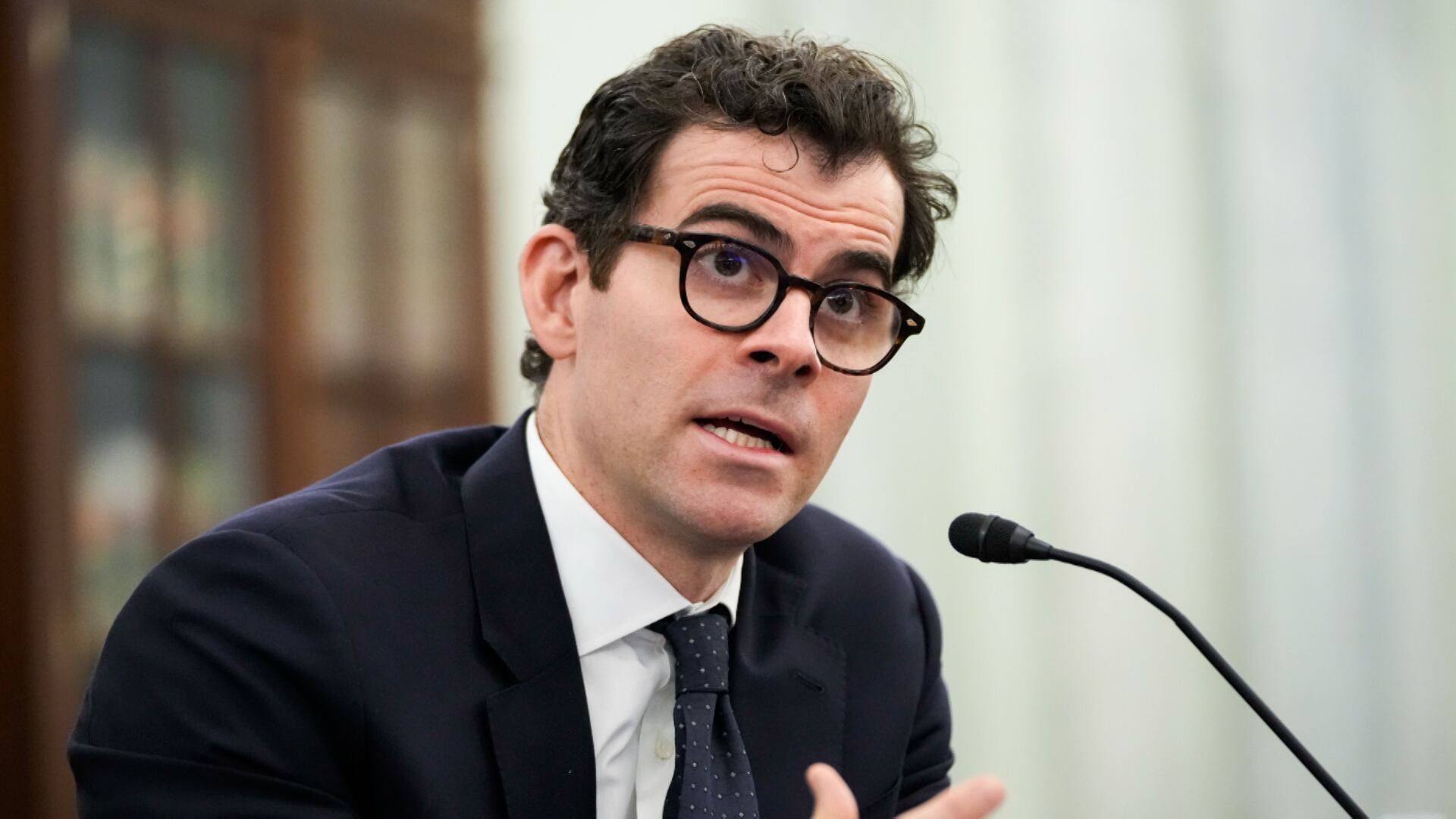
Following bombshell reports about Instagram's toxic impacts on the mental health of teens and children, Adam Mosseri, head of Instagram, was summoned to capitol hill to answer questions. Today's hearing was part of a series of six hearings on protecting children online. Jim Steyer, founder and CEO of Common Sense Media joins Cheddar News to discuss.
Trial Watch, Partygate & Fleeting Fame
A packed Thursday pod: Carlo and Baker cover the latest developments in the Ghislaine Maxwell, Jussie Smollett and Elizabeth Holmes trials. Plus, Dems are losing the Hispanic vote, Boris Johnson in trouble again, and is it possible that Adele has peaked?
Attack Surface Management Startup CyCognito Raises $100 Million
Attack surface management startup CyCognito recently raised $100 million in its latest funding round, valuing the company at $800 million. CyCognito offers cyber security through its attack surface scanner, which uses artificial intelligence to identify weak spots in an organization's network. The new funding comes as companies around the world continue to add new defenses to the growing rise of cyber threats and attacks. CyCognito co-founder and CEO Rob Gurzeev joins Cheddar News' Closing Bell to discuss.
Load More