Photo Illustration by Omar Marques/SOPA Images/LightRocket via Getty Images
Twitter is starting to test tweets that disappear after 24 hours, although initially only in Brazil.
The company says the ephemeral tweets, which it calls “fleets” because of their fleeting nature, are designed to allay the concerns of new users who might be turned off by the public and permanent nature of normal tweets.
Fleets can't be retweeted and they won't have “likes.” People can respond to them, but the replies show up as direct messages to the original tweeter, not as a public response, turning any back-and-forth into a private conversation instead of a public discussion.
Despite having high-profile users such as President Donald Trump, Twitter has lagged behind other tech powerhouses like Facebook and Google in terms of user growth and advertising revenue. Twitter is hoping that by offering disappearing tweets, people will be more likely to share casual, everyday thoughts — and to do so more often.
The new feature is reminiscent of Instagram and Facebook “Stories” and Snapchat's Snaps, which let users post short-lived photos and messages. Such features are increasingly popular with social media users looking for smaller groups and more private chats.
But Twitter often serves a different function than Instagram or Facebook, operating not only as a basis for conversation but as a platform for politicians and other public figures. Disappearing tweets could make it harder to hold such people accountable, monitor their posts and fact-check them.
Social media services often test new features in smaller markets before bringing them to the U.S. and elsewhere — if they do so at all.
Twitter said it may bring fleets to other countries depending on how the Brazil test goes. In its blog post on Wednesday, Twitter said it will be looking into how the new feature “changes the way you interact and if it allows you to share what you’re thinking more comfortably."
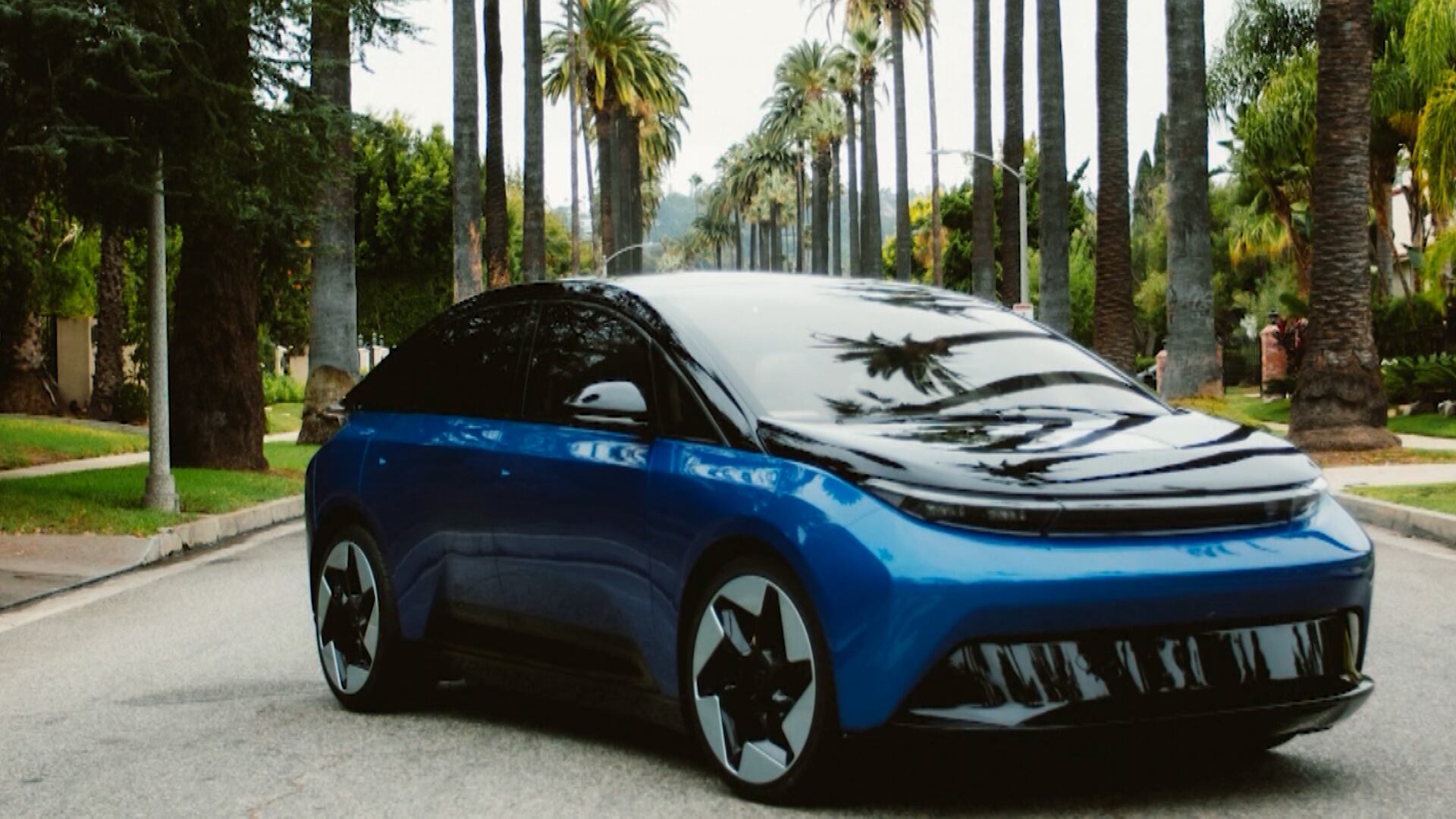
California-based startup Indi EV is gearing up to release its first crossover vehicle incorporating a supercomputer that will allow, among other things, gaming. Andre Hudson, head of design at Indi EV, joined Cheddar to talk about the launch of the Indi One and how the company is distinguishing itself from leaders in the EV space like Tesla. He also talked about the tech behind the Indi One and noted that the car's computer system will enable people to run applications and even create their own. "As a company, we fundamentally saw a major disconnect between how people transition into their cars using the digital devices in their life," Hudson said
Cheddar is looking back at the 12 biggest buzzwords of the year leading up to Christmas. The term for Day 12 is Web3. Definition: (noun) Also known as Web 3.0, a version of the internet where data is decentralized and based on peer-to-peer technologies.
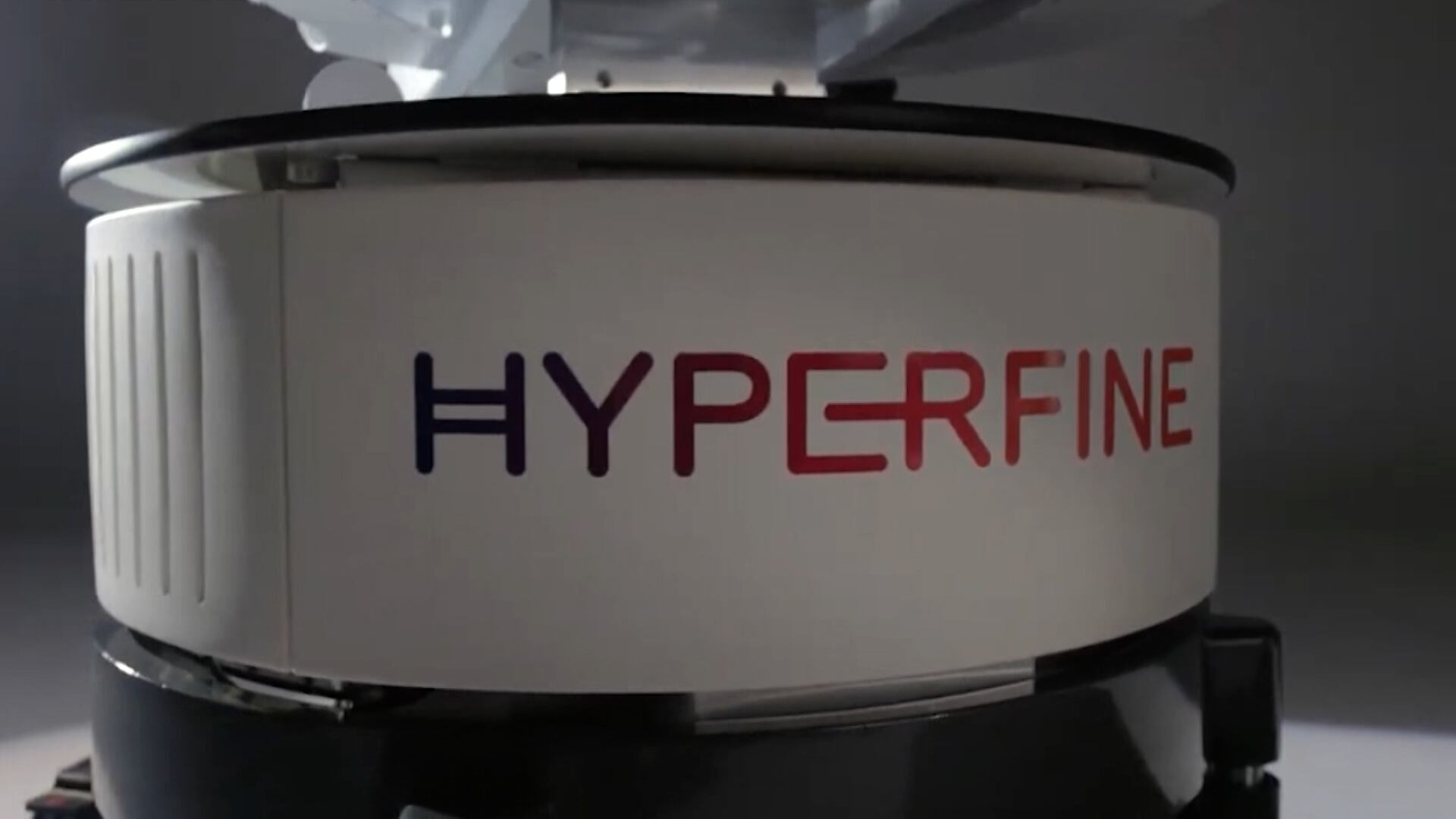
Hyperfine, the pioneer of the very first FDA-approved portable MRI device, made its public debut on the Nasdaq via a SPAC merger. CEO Dave Scott joined Cheddar's "Opening Bell" to discuss the IPO launch, the company's valuation at $580 million, and the impact of its machine called Swoop. "We can roll an MRI system, our MRI Swoop system, right into the room where you are, right up to your patient bedside, and scan you right there and get an image in less than an hour," he explained.
Social media platform TikTok was the most visited website in 2021, topping Google, Facebook, Microsoft, and Apple, according to IT security company Cloudflare.
AdTheorent just the latest company to go public via a SPAC. The company specializes in digital advertising, using AI and machine learning as a tool to move marketing forward. AdTheorent to close its SPAC merger with MCAP Acquisition today and will trade on the Nasdaq under the ticker symbol ADTH. CEO Jim Lawson spoke with Cheddar ahead of the move.
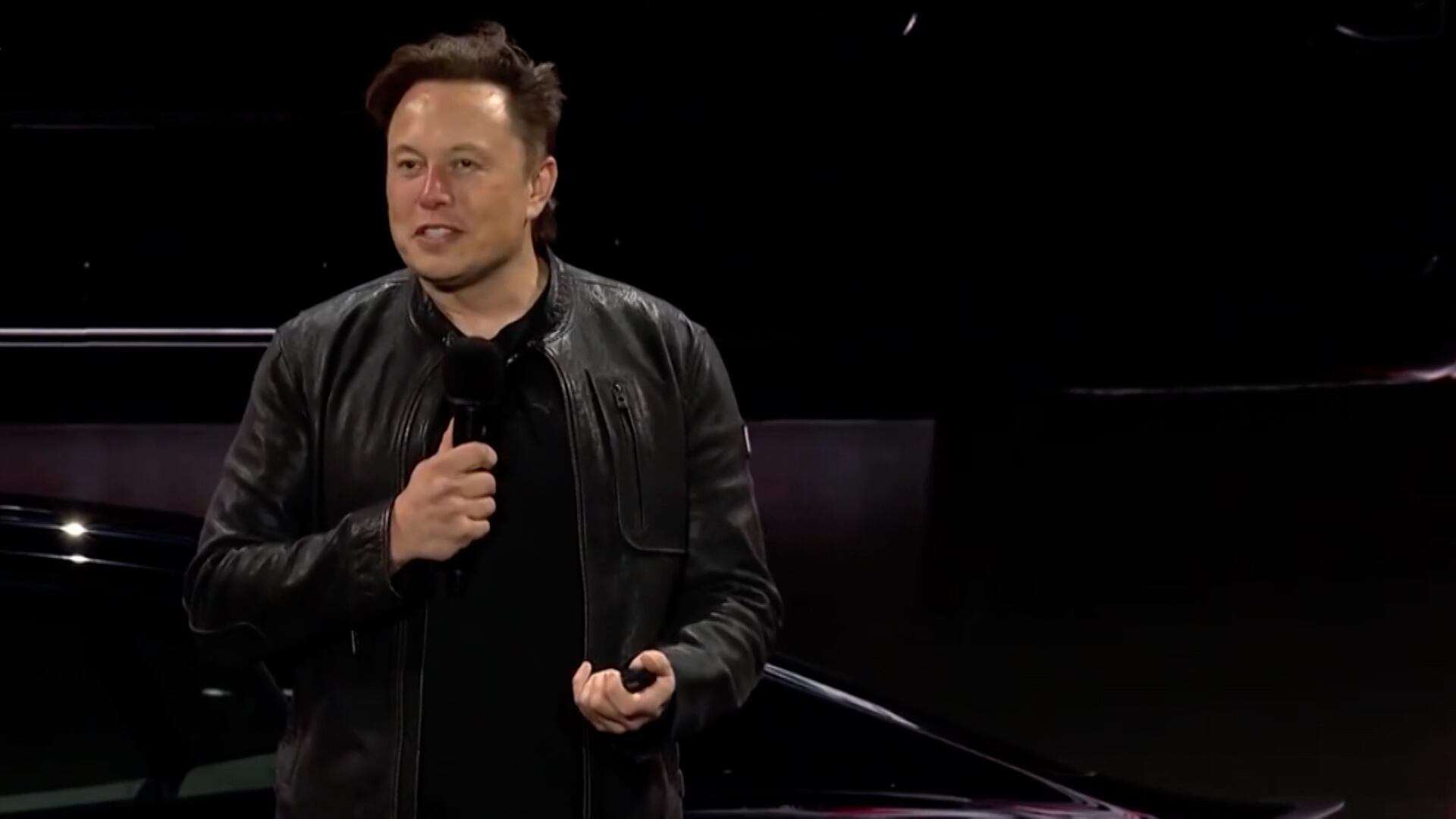
Although still early in development, blockchain technology, Web3, also known as Web 3.0 has been getting a lot of attention from some top tech names lately. Web3 is based on blockchain technology, which powers NFT’s and cryptocurrencies such as bitcoin. With Web3, users would ideally control their own data, rather than have it be controlled by a few large companies. But, Tesla CEO Elon musk isn't buying into Web3 just yet, tweeting over the weekend that the decentralized iteration of the internet seems more like a marketing "buzzword" right now than reality. Twitter co-founder Jack Dorsey also chiming in to the conversation, expressing doubt over whether or not Web3 would actually be decentralized if ownership still belonged to venture capital firms. Parker McCurley, co-founder & CEO of Decent Labs explains the significance of Web3 catching the eye of the tech giants, and what Web3 could mean for the future of the internet.
Carlo and Baker cover the heartening news on the Covid front ahead of the holiday, plus President Biden punting student loan repayments again, a new space telescope and Love, Hate, Ate: Christmas Eve Eve Edition!