Photo Illustration by Omar Marques/SOPA Images/LightRocket via Getty Images
Twitter is starting to test tweets that disappear after 24 hours, although initially only in Brazil.
The company says the ephemeral tweets, which it calls “fleets” because of their fleeting nature, are designed to allay the concerns of new users who might be turned off by the public and permanent nature of normal tweets.
Fleets can't be retweeted and they won't have “likes.” People can respond to them, but the replies show up as direct messages to the original tweeter, not as a public response, turning any back-and-forth into a private conversation instead of a public discussion.
Despite having high-profile users such as President Donald Trump, Twitter has lagged behind other tech powerhouses like Facebook and Google in terms of user growth and advertising revenue. Twitter is hoping that by offering disappearing tweets, people will be more likely to share casual, everyday thoughts — and to do so more often.
The new feature is reminiscent of Instagram and Facebook “Stories” and Snapchat's Snaps, which let users post short-lived photos and messages. Such features are increasingly popular with social media users looking for smaller groups and more private chats.
But Twitter often serves a different function than Instagram or Facebook, operating not only as a basis for conversation but as a platform for politicians and other public figures. Disappearing tweets could make it harder to hold such people accountable, monitor their posts and fact-check them.
Social media services often test new features in smaller markets before bringing them to the U.S. and elsewhere — if they do so at all.
Twitter said it may bring fleets to other countries depending on how the Brazil test goes. In its blog post on Wednesday, Twitter said it will be looking into how the new feature “changes the way you interact and if it allows you to share what you’re thinking more comfortably."
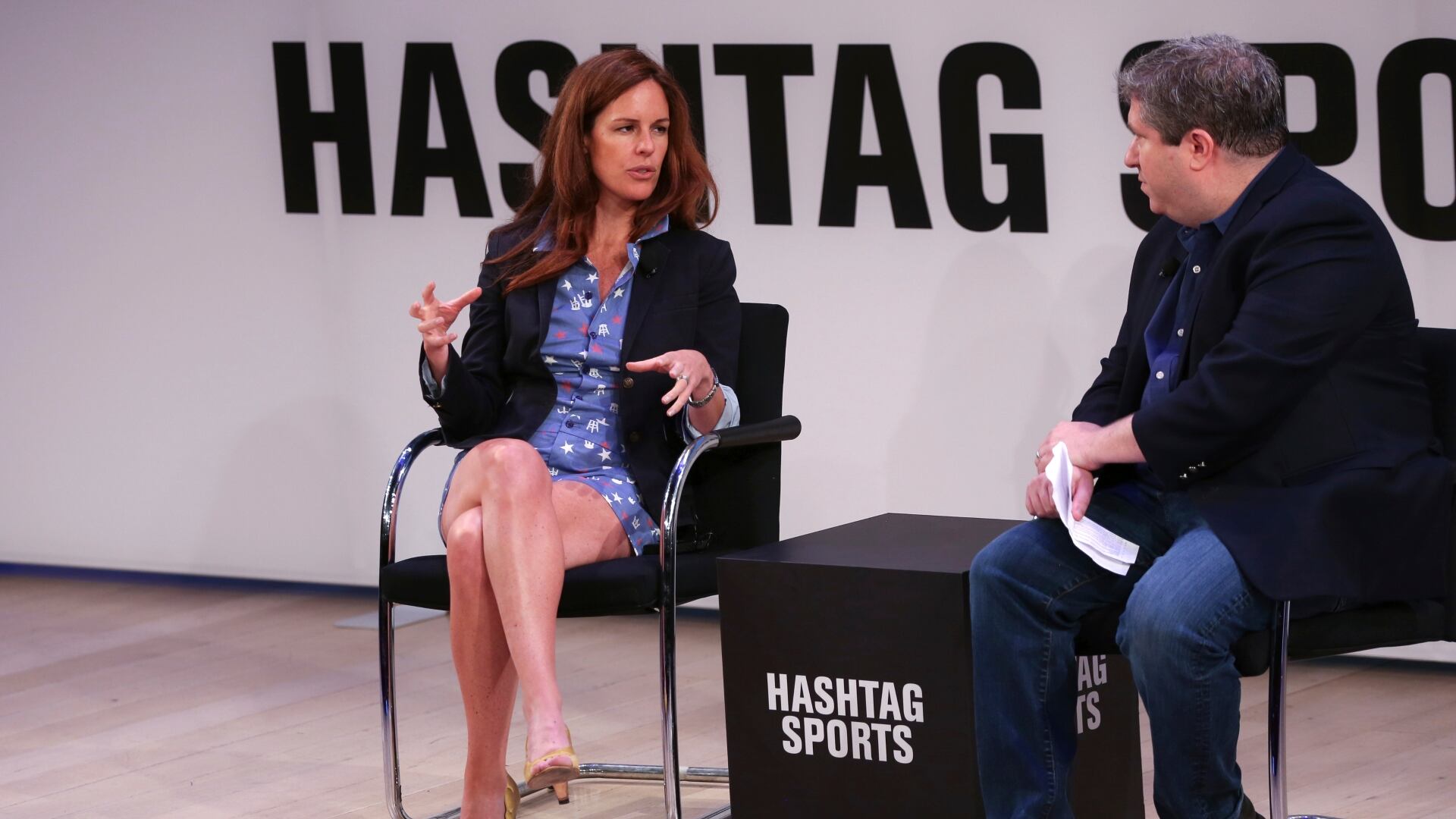
Barstool Sports CEO Erika Nardini joined Cheddar's Kristen Scholer to discuss plans for the future even as COVID-19 upended Barstool's sponsorship of the Arizona Bowl featuring the Boise State Broncos and the Central Michigan Chippewas due to the spreading omicron variant. "In our case as a company, coronavirus has been a big boom for us," she noted. "We've been able to create a lot of new programming, launch a lot of different personalities, and frankly take share from traditional media, and that's what we've done the entire pandemic." While she admitted to taking a hit on the canceled Bowl game, live events aren't completely off the table for Barstool in 2022. Nardini also talked about potential sports betting expansion following its partnership with Penn National Gaming.
Interest in the concept of the metaverse is heating up as more companies get on board, and Cathy Hackl, CEO of Futures Intelligence Group, a metaverse-focused consultancy, joined Cheddar to talk about trends to watch out for in 2022 and what it will take for it to be more than just a buzzword. Hackl noted that businesses likely will have to consider big technology upgrades in the upcoming year in order to keep up. "We're going to need new levels of computing power to be able to enable shared virtual experiences, both in VR but also in augmented reality," she said.
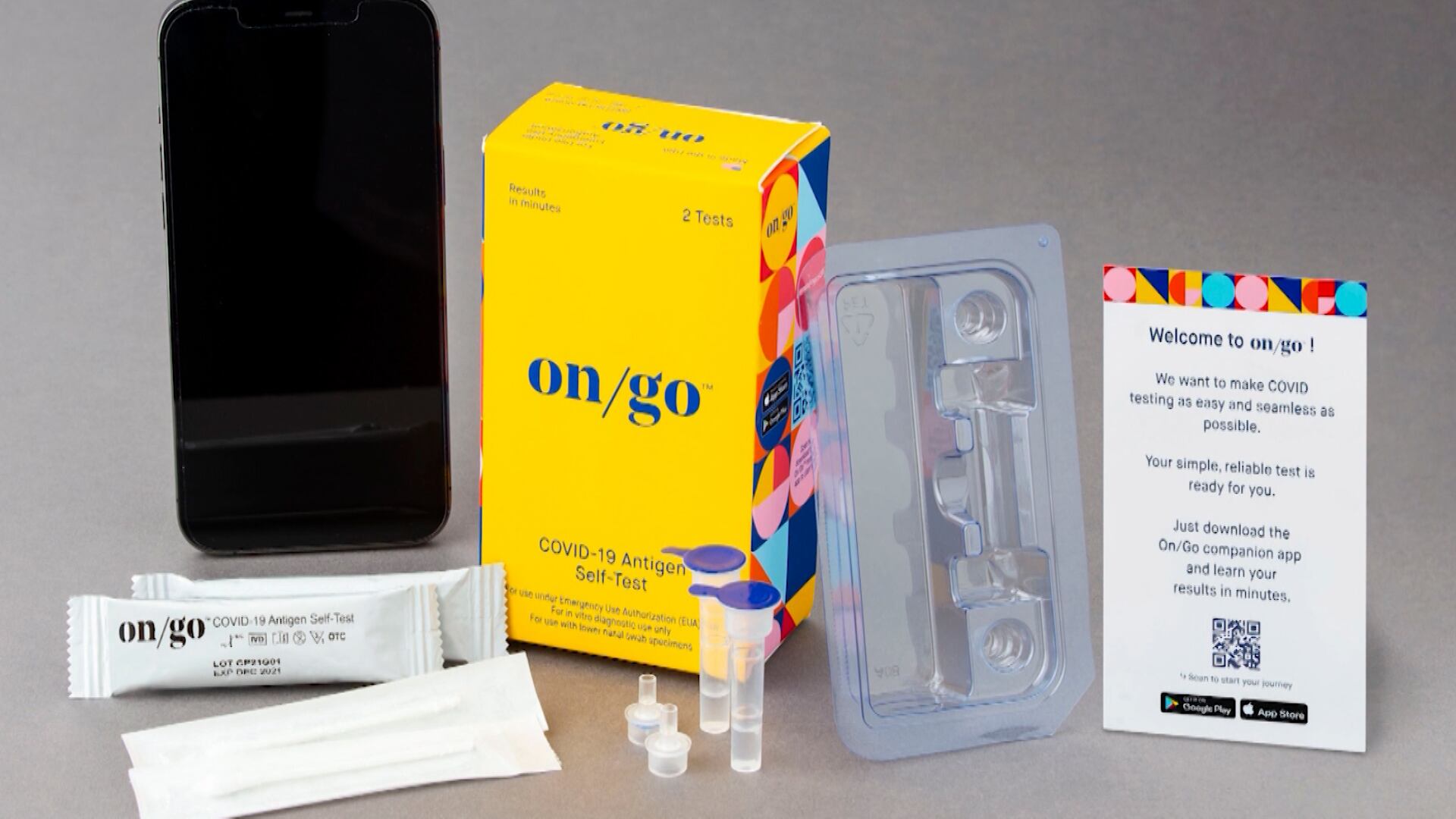
Ron Gutman, Co-CEO of Intrivo, joins Cheddar News to discuss how the company is creating a test and tech solution for Covid testing called 2Gather, and how it's using data-driven digital diagnostics to make these tests widely available and affordable.
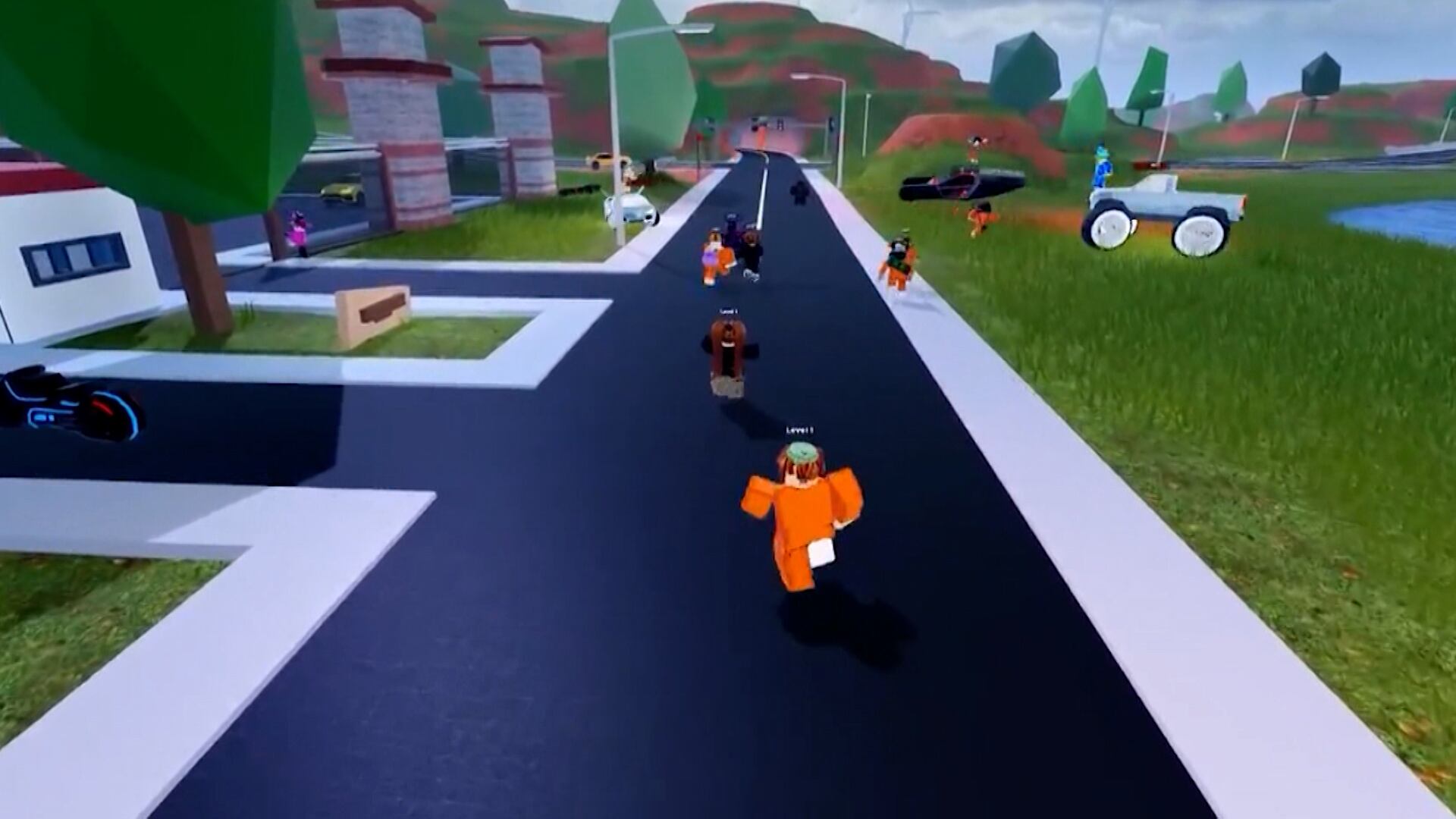
The metaverse took the world by storm in 2021 and it is just the beginning of the virtual universe. Consumers are jumping on board and companies like Meta and Roblox are already taking advantage. Entrepreneur Andrew Duplessie joined Cheddar to discuss how the metaverse will impact the future of socialization and business. "If I'm doing anything right now, I'm building an app, I'm jumping into that ecosystem, and I'm testing it. I'm seeing what people think," he said.