Photo Illustration by Omar Marques/SOPA Images/LightRocket via Getty Images
Twitter is starting to test tweets that disappear after 24 hours, although initially only in Brazil.
The company says the ephemeral tweets, which it calls “fleets” because of their fleeting nature, are designed to allay the concerns of new users who might be turned off by the public and permanent nature of normal tweets.
Fleets can't be retweeted and they won't have “likes.” People can respond to them, but the replies show up as direct messages to the original tweeter, not as a public response, turning any back-and-forth into a private conversation instead of a public discussion.
Despite having high-profile users such as President Donald Trump, Twitter has lagged behind other tech powerhouses like Facebook and Google in terms of user growth and advertising revenue. Twitter is hoping that by offering disappearing tweets, people will be more likely to share casual, everyday thoughts — and to do so more often.
The new feature is reminiscent of Instagram and Facebook “Stories” and Snapchat's Snaps, which let users post short-lived photos and messages. Such features are increasingly popular with social media users looking for smaller groups and more private chats.
But Twitter often serves a different function than Instagram or Facebook, operating not only as a basis for conversation but as a platform for politicians and other public figures. Disappearing tweets could make it harder to hold such people accountable, monitor their posts and fact-check them.
Social media services often test new features in smaller markets before bringing them to the U.S. and elsewhere — if they do so at all.
Twitter said it may bring fleets to other countries depending on how the Brazil test goes. In its blog post on Wednesday, Twitter said it will be looking into how the new feature “changes the way you interact and if it allows you to share what you’re thinking more comfortably."
Members of Congress have voted to advance a bill meant to address antitrust concerns related to tech giants including Amazon, Apple, Google, and Meta. The 'American Innovation and Choice Online Act' is largely seen as one of the best chances for the government to reign in Big Tech's dominance
Seth Schachner, Managing Director StratAmericas; Digital Business Executive joined Cheddar's Opening Bell to discuss.
The Federal Reserve released its highly-anticipated research weighing the pros and cons of a digital dollar in the U.S. The report comes as economic rivals like china have already piloted their own central bank digital currencies. Edward Moya, Senior Market Analyst, The Americas, Oanda, joined Cheddar's Opening Bell to discuss.
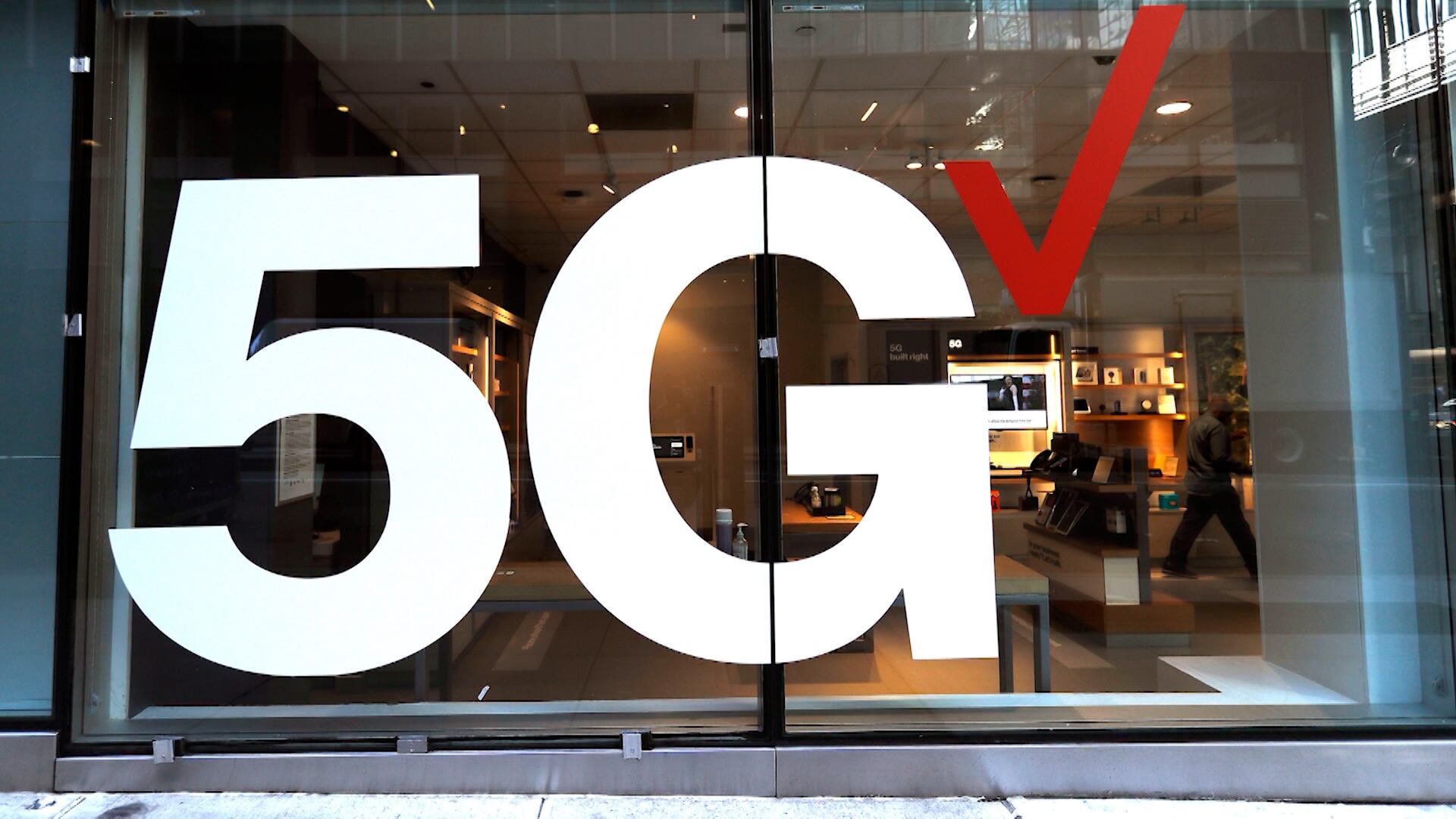
Verizon and AT&T officially launched their 5G wireless services Wednesday across the U.S. Despite pushback from U.S. airlines and the FAA over safety concerns, the telecom giants rolled out the next generation of wireless cellular technology, with speeds up to 20 times faster than 4G LTE. John Biggs, Editor, Tech Crunch joined Cheddar's Opening Bell to discuss.
Earnings season kicks into high gear this week as big players are on tap to report their Q4 numbers, including Microsoft, Apple, and Tesla. Investors will be watching for key indicators on how the companies are dealing with inflation, Omicron and interest rates. Christine Short, VP of Research, Wall Street Horizon joined Cheddar's Opening Bell to discuss.
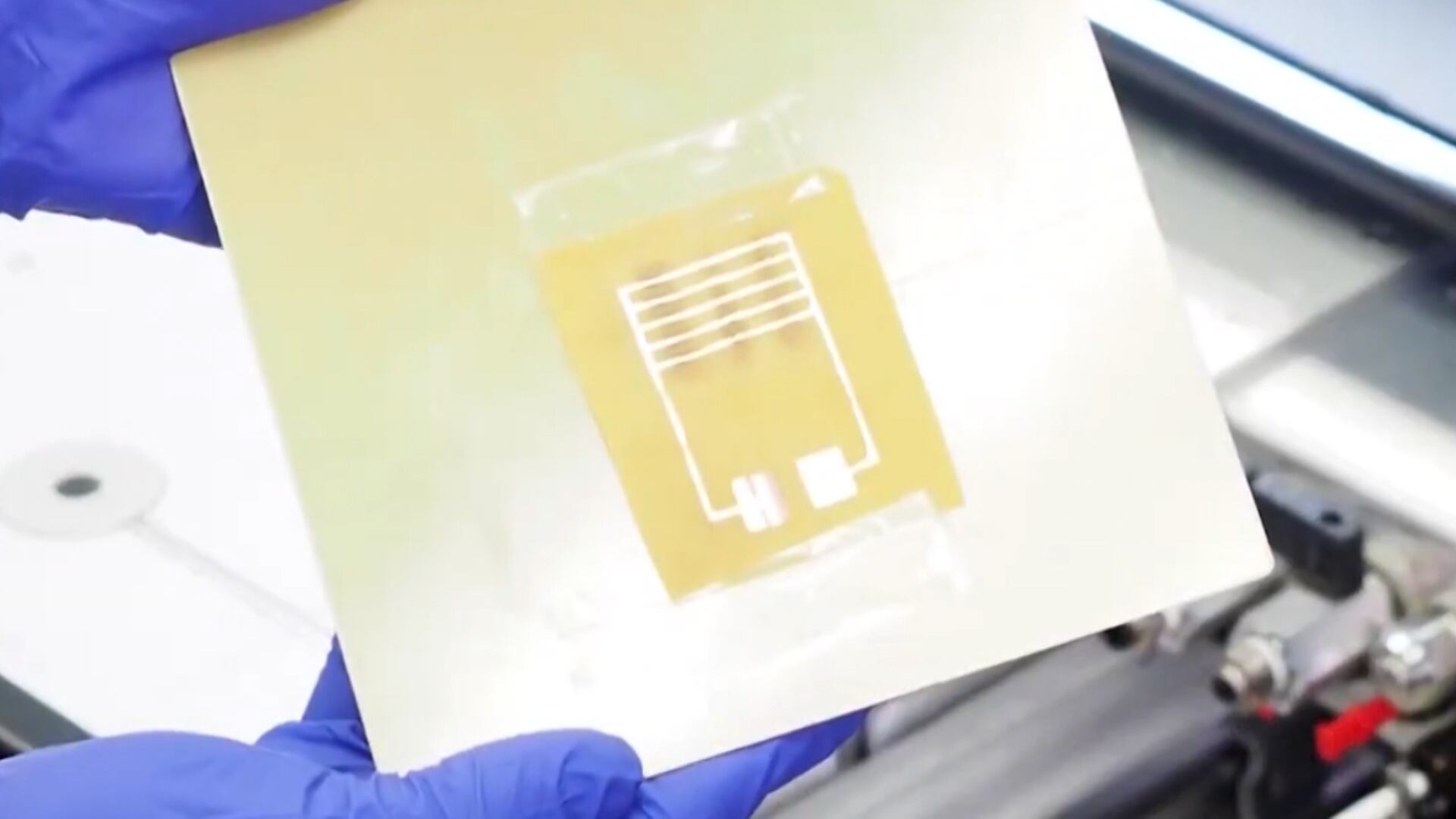
Stan Farnsworth, chief marketing officer at PulseForge, joined Cheddar to talk about his company's debut at CES 2022 and how it plans to innovate the sustainable tech manufacturing space. PulseForge is bringing a new approach to industrial thermal processing, which contributes to 30 percent of global greenhouse gas emissions, according to Farnsworth. "By using 85 percent less energy in the processing of materials through a variety of manufacturing processes, we can make a direct impact in reducing carbon output and reducing carbon footprint associated with manufacturing," he said.