Photo Illustration by Omar Marques/SOPA Images/LightRocket via Getty Images
Twitter is starting to test tweets that disappear after 24 hours, although initially only in Brazil.
The company says the ephemeral tweets, which it calls “fleets” because of their fleeting nature, are designed to allay the concerns of new users who might be turned off by the public and permanent nature of normal tweets.
Fleets can't be retweeted and they won't have “likes.” People can respond to them, but the replies show up as direct messages to the original tweeter, not as a public response, turning any back-and-forth into a private conversation instead of a public discussion.
Despite having high-profile users such as President Donald Trump, Twitter has lagged behind other tech powerhouses like Facebook and Google in terms of user growth and advertising revenue. Twitter is hoping that by offering disappearing tweets, people will be more likely to share casual, everyday thoughts — and to do so more often.
The new feature is reminiscent of Instagram and Facebook “Stories” and Snapchat's Snaps, which let users post short-lived photos and messages. Such features are increasingly popular with social media users looking for smaller groups and more private chats.
But Twitter often serves a different function than Instagram or Facebook, operating not only as a basis for conversation but as a platform for politicians and other public figures. Disappearing tweets could make it harder to hold such people accountable, monitor their posts and fact-check them.
Social media services often test new features in smaller markets before bringing them to the U.S. and elsewhere — if they do so at all.
Twitter said it may bring fleets to other countries depending on how the Brazil test goes. In its blog post on Wednesday, Twitter said it will be looking into how the new feature “changes the way you interact and if it allows you to share what you’re thinking more comfortably."
James Whitley, Core Contributor at cypher, joins Cheddar News' Closing Bell, where he discusses the underlying factors that support a bounce-back for Bitcoin despite the token's recent slump.
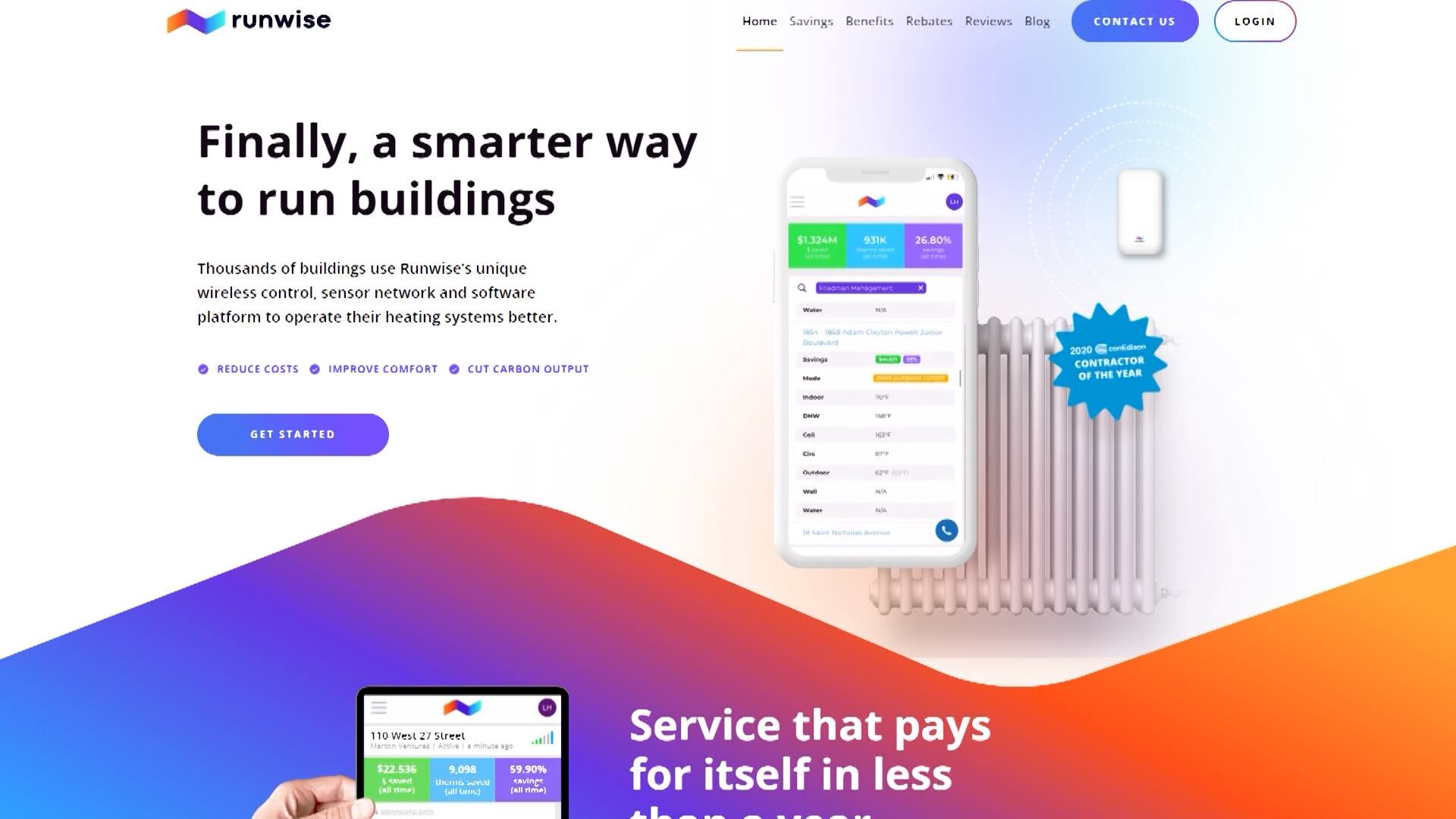
Commercial and residential buildings account for 13% of carbon emissions in the U.S., according to the EPA, and one company says it has a solution. Runwise says it has updated the boiler and heating systems of thousands of buildings, and that its technology not only lowers carbon output but also saves landlords money. Lee Hoffman, Co-Founder and COO of Runwise, joined Cheddar Climate to discuss.
Following sales tech startup Scratchpad raising $33 million in Series B Funding, CEO and co-founder Pouyan Salehi joined Cheddar to discuss how his company's software works to help salespeople with an all-in-one workspace, integrating with Salesforce to optimize notes, spreadsheets, and other relevant information so businesses can forecast and make the best decisions. "If you look at other crafts like artists, they'll have studios; chefs, they'll have kitchens; scientists will have labs, and we just asked, well, if you look at sales as a craft, why doesn't something exist that is designed solely for a salesperson?" Salehi said about his workspace app.
Google could be gearing up to release its own wearable device as rumors swirl about a potential smartwatch with the Pixel brand. Jon Prosser, the creator of Front Page Tech, who tweeted a possible leak about the product, joined Cheddar's "Closing Bell" to discuss potential the benefits of it entering the same space as the Apple Watch. Prosser said, while he doesn't expect it to launch until at least 2023, the Pixel Watch will be "one of the most vital, most important wearables that we can have on the market," noting that it won't likely challenge Apple for much market share but will set the standard for other Android wearables to come.