Photo Illustration by Omar Marques/SOPA Images/LightRocket via Getty Images
Twitter is starting to test tweets that disappear after 24 hours, although initially only in Brazil.
The company says the ephemeral tweets, which it calls “fleets” because of their fleeting nature, are designed to allay the concerns of new users who might be turned off by the public and permanent nature of normal tweets.
Fleets can't be retweeted and they won't have “likes.” People can respond to them, but the replies show up as direct messages to the original tweeter, not as a public response, turning any back-and-forth into a private conversation instead of a public discussion.
Despite having high-profile users such as President Donald Trump, Twitter has lagged behind other tech powerhouses like Facebook and Google in terms of user growth and advertising revenue. Twitter is hoping that by offering disappearing tweets, people will be more likely to share casual, everyday thoughts — and to do so more often.
The new feature is reminiscent of Instagram and Facebook “Stories” and Snapchat's Snaps, which let users post short-lived photos and messages. Such features are increasingly popular with social media users looking for smaller groups and more private chats.
But Twitter often serves a different function than Instagram or Facebook, operating not only as a basis for conversation but as a platform for politicians and other public figures. Disappearing tweets could make it harder to hold such people accountable, monitor their posts and fact-check them.
Social media services often test new features in smaller markets before bringing them to the U.S. and elsewhere — if they do so at all.
Twitter said it may bring fleets to other countries depending on how the Brazil test goes. In its blog post on Wednesday, Twitter said it will be looking into how the new feature “changes the way you interact and if it allows you to share what you’re thinking more comfortably."
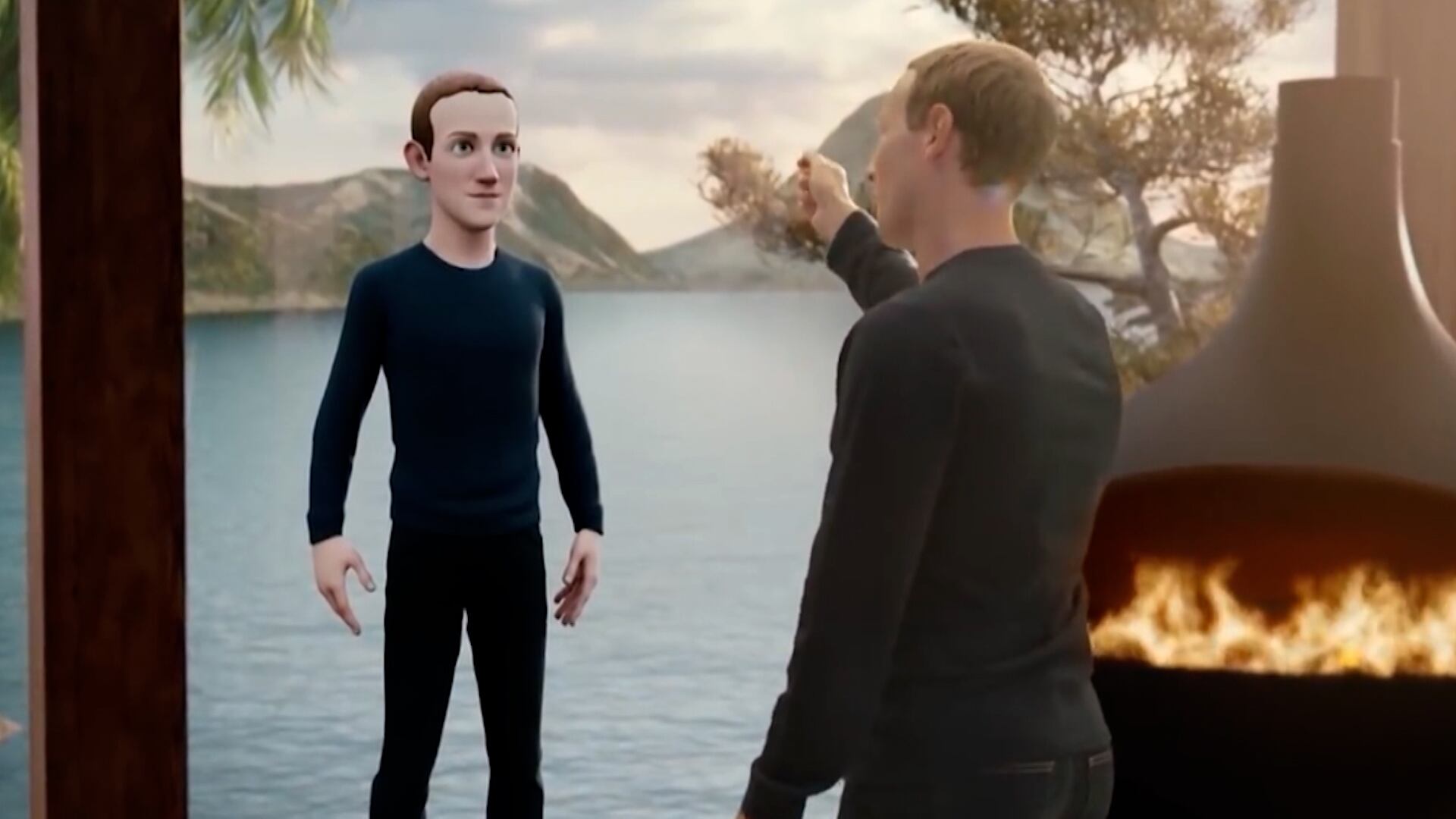
While many still remain skeptical about the metaverse, big tech firms and even one big bank are ready to expand their virtual worlds. Facebook parent company has pivoted so hard it will now call its employees 'Metamates,' and even JPMorgan Chase has created its own digital lounge on one virtual platform. While the sector remains young, there seems to be significant investment opportunity, especially with companies like Nvidia. Adam Johnson, a portfolio strategist at Adviser Investments, joins Closing Bell to discuss which companies could win in this space, consumer appetite, and more.
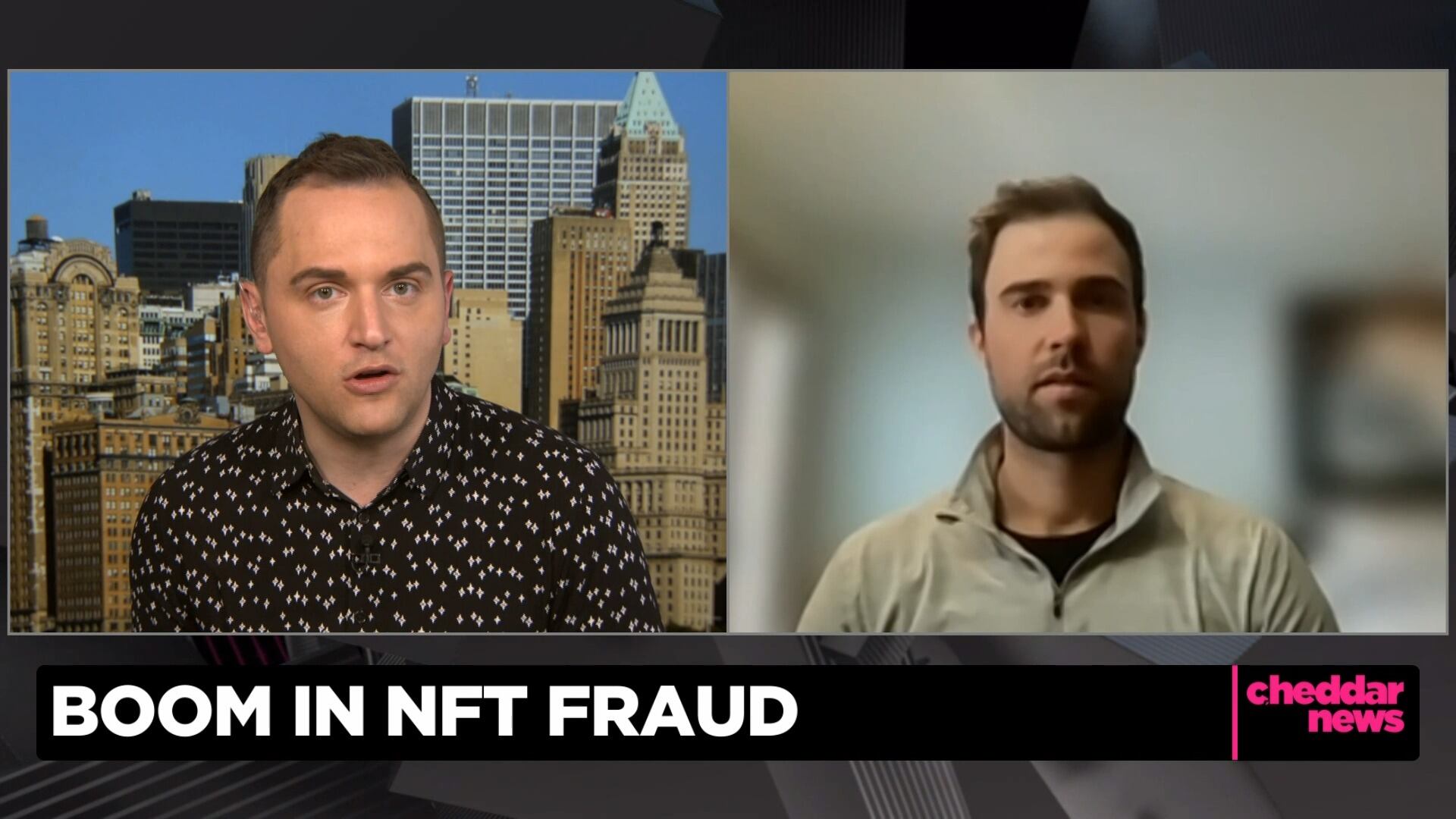
Marc Blinder, Co-Founder and CEO of Aikon, joins Cheddar News' Closing Bell, where he discusses how his company is helping businesses use blockchain applications without needing to learn the intricacies of the new technology.
Senators Richard Blumenthal (D-Conn.) and Marsha Blackburn (R-Tenn.) have introduced a new bill to afford greater protection to minors on social media. The genesis of the Kids Online Safety Act came from a Facebook whistleblower case exposing the harm apps can have on the mental health of young girls.
Ride share competitors Uber and Lyft both posted their fourth quarter earnings days apart from each other. Both companies have been trying to get back on their feet after taking some pandemic-related hits, but the Omicron variant had other ideas as the year came to a close, with each company taking a hit in ridership in December. Lance Ippolito, head trader at The Future of Wealth explains how Uber and Lyft measured up this earnings period and why Uber may still have an edge over the competition.