Photo Illustration by Omar Marques/SOPA Images/LightRocket via Getty Images
Twitter is starting to test tweets that disappear after 24 hours, although initially only in Brazil.
The company says the ephemeral tweets, which it calls “fleets” because of their fleeting nature, are designed to allay the concerns of new users who might be turned off by the public and permanent nature of normal tweets.
Fleets can't be retweeted and they won't have “likes.” People can respond to them, but the replies show up as direct messages to the original tweeter, not as a public response, turning any back-and-forth into a private conversation instead of a public discussion.
Despite having high-profile users such as President Donald Trump, Twitter has lagged behind other tech powerhouses like Facebook and Google in terms of user growth and advertising revenue. Twitter is hoping that by offering disappearing tweets, people will be more likely to share casual, everyday thoughts — and to do so more often.
The new feature is reminiscent of Instagram and Facebook “Stories” and Snapchat's Snaps, which let users post short-lived photos and messages. Such features are increasingly popular with social media users looking for smaller groups and more private chats.
But Twitter often serves a different function than Instagram or Facebook, operating not only as a basis for conversation but as a platform for politicians and other public figures. Disappearing tweets could make it harder to hold such people accountable, monitor their posts and fact-check them.
Social media services often test new features in smaller markets before bringing them to the U.S. and elsewhere — if they do so at all.
Twitter said it may bring fleets to other countries depending on how the Brazil test goes. In its blog post on Wednesday, Twitter said it will be looking into how the new feature “changes the way you interact and if it allows you to share what you’re thinking more comfortably."
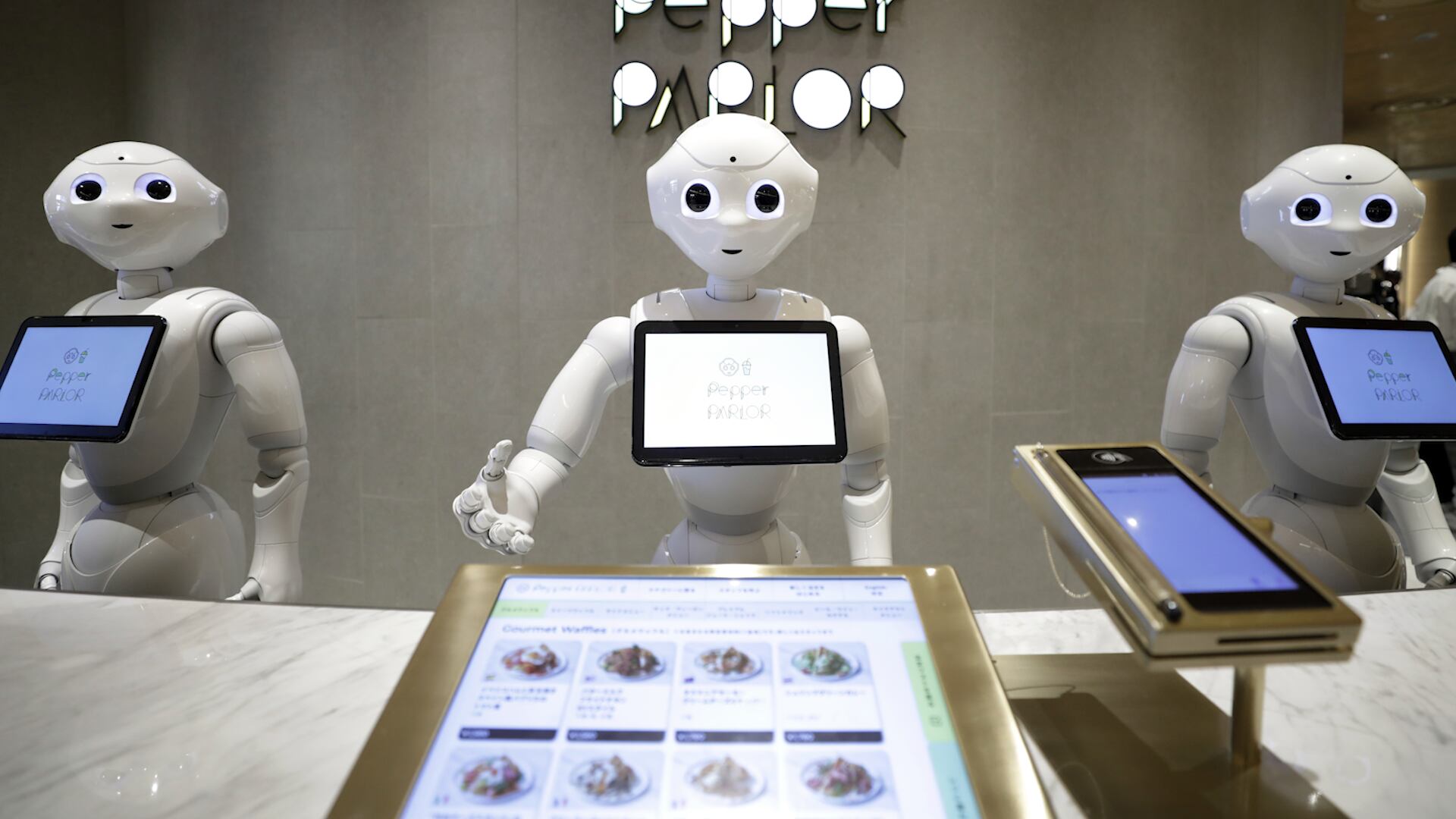
Nicolas Halftermeyer, Communications & Product Branding Director, SoftBank Robotics, and Emile Kroeger, Robotics Engineer, Humanizing Technologies, join Cheddar Reveals to unveil Pepper and NAO, the humanoid robots designed to interact with humans.
On this episode of Cheddar Reveals, Christopher Atkeson, roboticist and a professor at the Robotics Institute and Human-Computer Interaction Institute at Carnegie Mellon University, discusses what the robots of the future will look like, the role they will play in society and different industries, and if they will they ever reach human-level sentience; Nicolas Halftermeyer, Communications & Product Branding Director, SoftBank Robotics, and Emile Kroeger, Robotics Engineer, Humanizing Technologies, unveil Pepper and NAO, the humanoid robots designed to interact with humans; Cheddar gets a look at Curiosity Stream's 'iHuman.'
Christopher Atkeson, roboticist and a professor at the Robotics Institute and Human-Computer Interaction Institute at Carnegie Mellon University, joins Cheddar Reveals to discuss what the robots of the future will look like, the role they will play in society and different industries, and if they will they ever reach human-level sentience.
When it comes to diversity in children's toys, we have come a long way as a society but we still have a ways to go. One group of students decided to take matters into their own hands. Truly You! Character Creator is a fashion illustration activity set made for youth by youth. Lindsay Buckingham, one of the toy’s creators, sat down with Cheddar News to talk all about it.
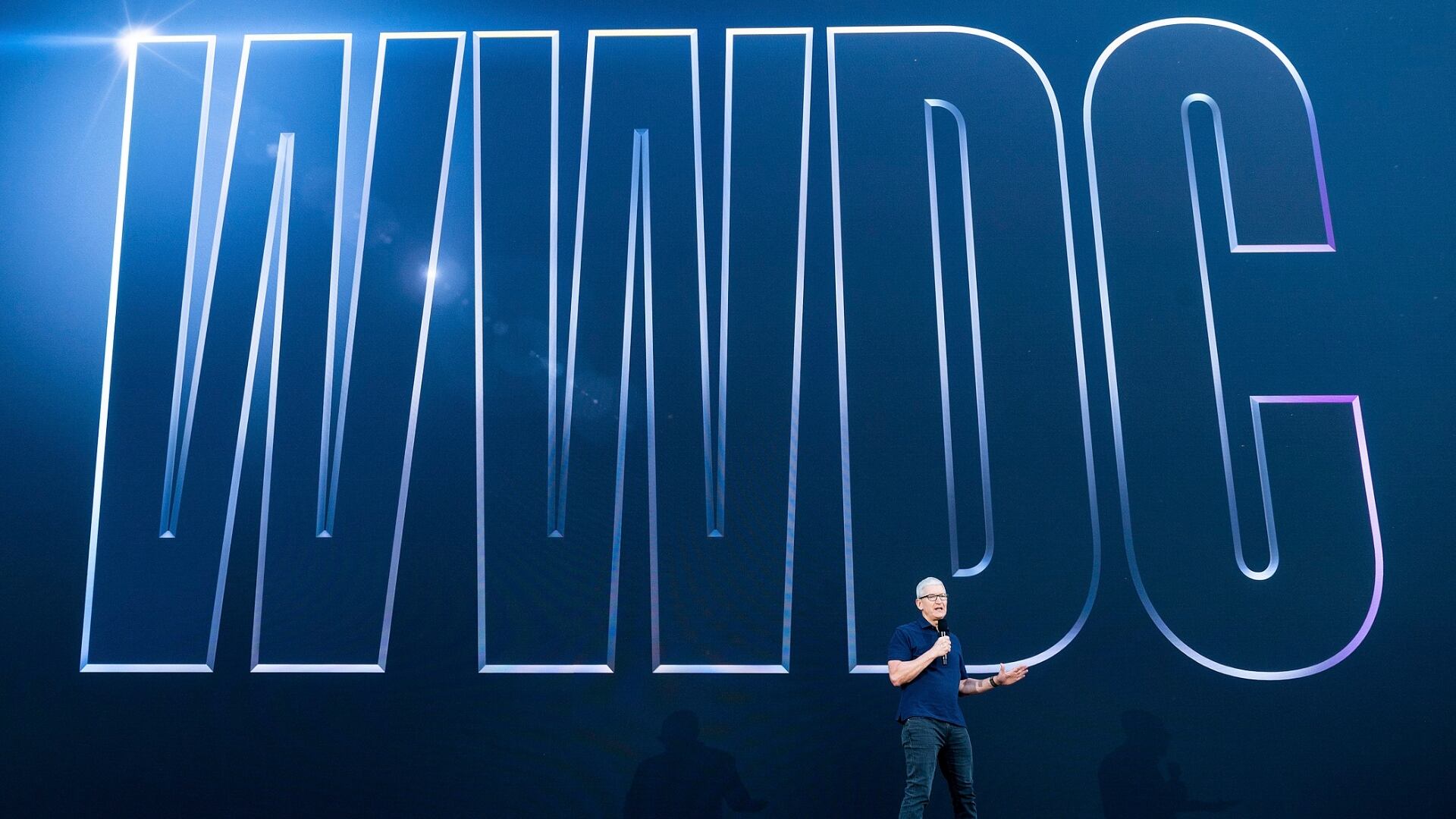
Apple revealed its plans for new IOS software, products, and more at its Worldwide Developers Conference. However, new features added to iMessage, including options to delete and edit already sent text messages, stole the show.