*By Michael Teich*
The World Cup will take over a large part of the Twitter universe this summer when the quadrennial international soccer championship begins June 14 in Russia, and the social network aims to reach fans far and wide with its live video platform.
About 80 percent of Twitter's 330 million monthly active users are outside the United States, said Motley Fool analyst Jason Moser. The World Cup represents an opportunity for Twitter to grow that reach.
Four years ago, the tournament in Brazil reached 3.2 billion viewers around the world, and fans around the world are expected to be at least as excited this year.
Consumers are ditching cable at a rapid clip and opting to stream video content from services such as Netflix and Hulu. Disney's ESPN has been slow to adapt and retain subscribers, social media companies including Twitter are capitalizing by loading up on live and on-demand sports content.
The social media company's investments to become a premier destination for video appear to be paying off: Twitter revealed in its latest quarterly report that video ads made up more than 50 percent of total ad revenue.
For the full interview, [click here](https://cheddar.com/videos/twitter-looking-forward-to-world-cup-boost-2).
The U.S. economy is being held up in part by the AI boom, but that boom could still lead to broader prosperity or inequality, says a Nobel Prize winner.
Foundation Robotics co-founder Michael LeBlanc explains how humanoid robots are moving from the lab to military and industrial missions and what comes next.
Jeff Burnstein, President of the Association for Advancing Automation (A3), discusses humanoid robots, AI, smart manufacturing, and the future of U.S. industry.
Should kids be banned from social media? Nick Lichtenberg of Fortune breaks down the global push to restrict under-16 users and what it means for Big Tech.
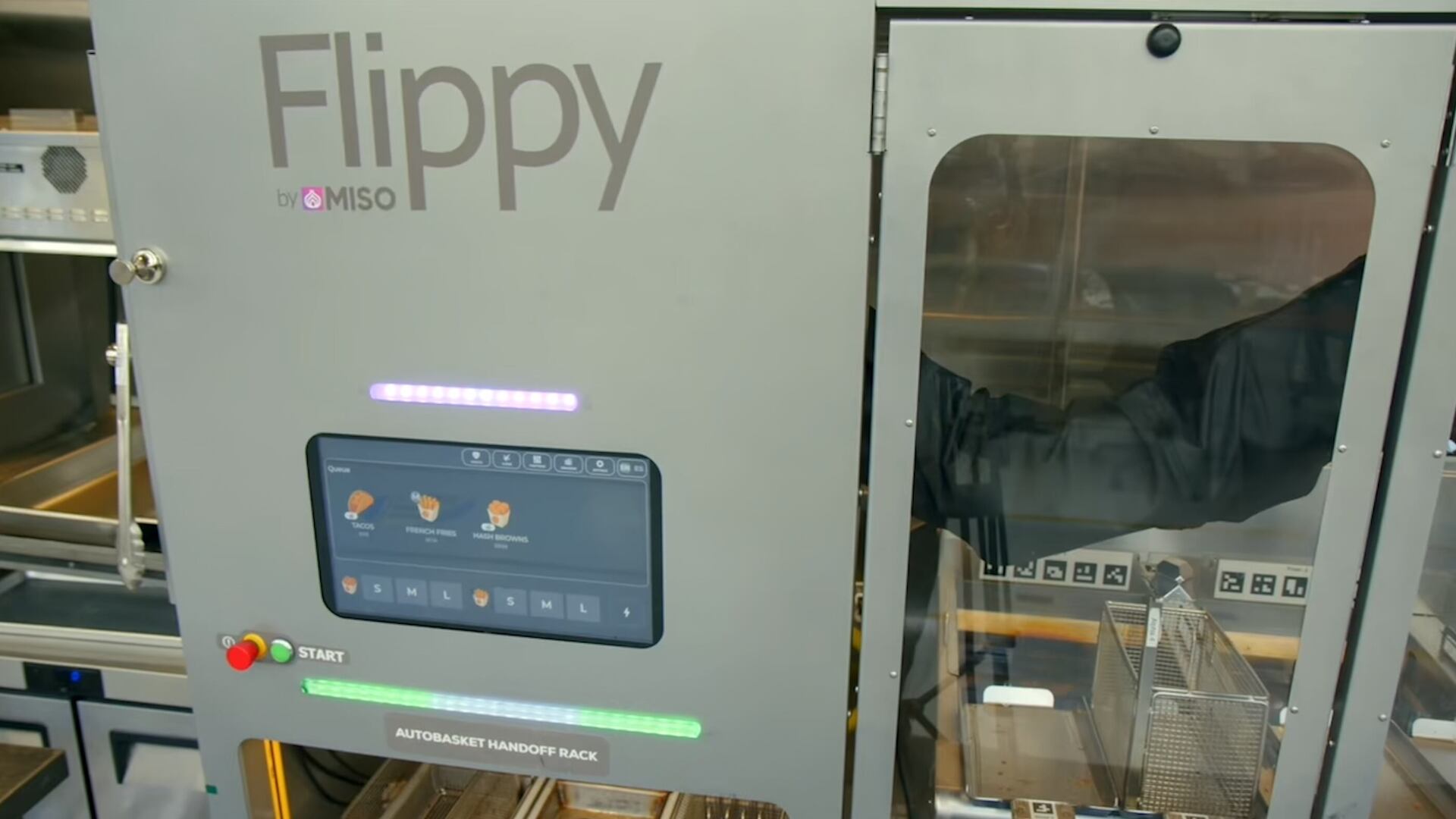
Miso Robotics CEO Rich Hull discusses Flippy Fry Station, the future of AI-powered restaurant automation and how acquiring Zume's IP could reshape food robotics
After two years of AI-fueled spending, Wall Street is asking what's next. Gil Luria breaks down monetization, valuations, winners, losers, and AI's future.