The Twitter icon is displayed on a mobile phone in Philadelphia on April 26, 2017. Twitter said in a statement Friday, April 15, 2022, that its board of directors has unanimously adopted a “poison pill” defense in response to Tesla CEO Elon Musk’s proposal to buy the company and take it private. (AP Photo/Matt Rourke, File)
By Matt O'Brien
Twitter said Friday that its board of directors has unanimously adopted a “poison pill” defense in response to Tesla CEO Elon Musk’s proposal to buy the company and take it private.
Twitter said the move, formally called a “limited duration shareholder rights plan," aims to enable its investors to “realize the full value of their investment” by reducing the likelihood that any one person can gain control of the company without either paying shareholders a premium or giving the board more time. Poison pills are often used to defend against hostile takeovers.
Twitter’s plan would take effect if Musk’s roughly 9% stake grows to 15% or more. Even then, Musk could still take over the company with a proxy fight by voting out the current directors. Twitter said the plan doesn’t prevent the board from engaging with parties or accepting an acquisition proposal if it’s in the company’s “best interests.”
Twitter had revealed in a securities filing Thursday that Musk offered to buy the company outright for more than $43 billion, saying the social media platform “needs to be transformed as a private company” in order to build trust with its users.
“I believe free speech is a societal imperative for a functioning democracy,” Musk said in the filing. “I now realize the company will neither thrive nor serve this societal imperative in its current form.”
Later on Thursday, during an onstage interview at the TED 2022 conference, he went even broader: “Having a public platform that is maximally trusted and broadly inclusive is extremely important to the future of civilization.”
Eddie Ghabour, co-founder and owner of KEY Advisors Wealth Management, explains why he’s investing in India, what could happen if inflation rises again, and the long-term ‘debt bubble’ looming.
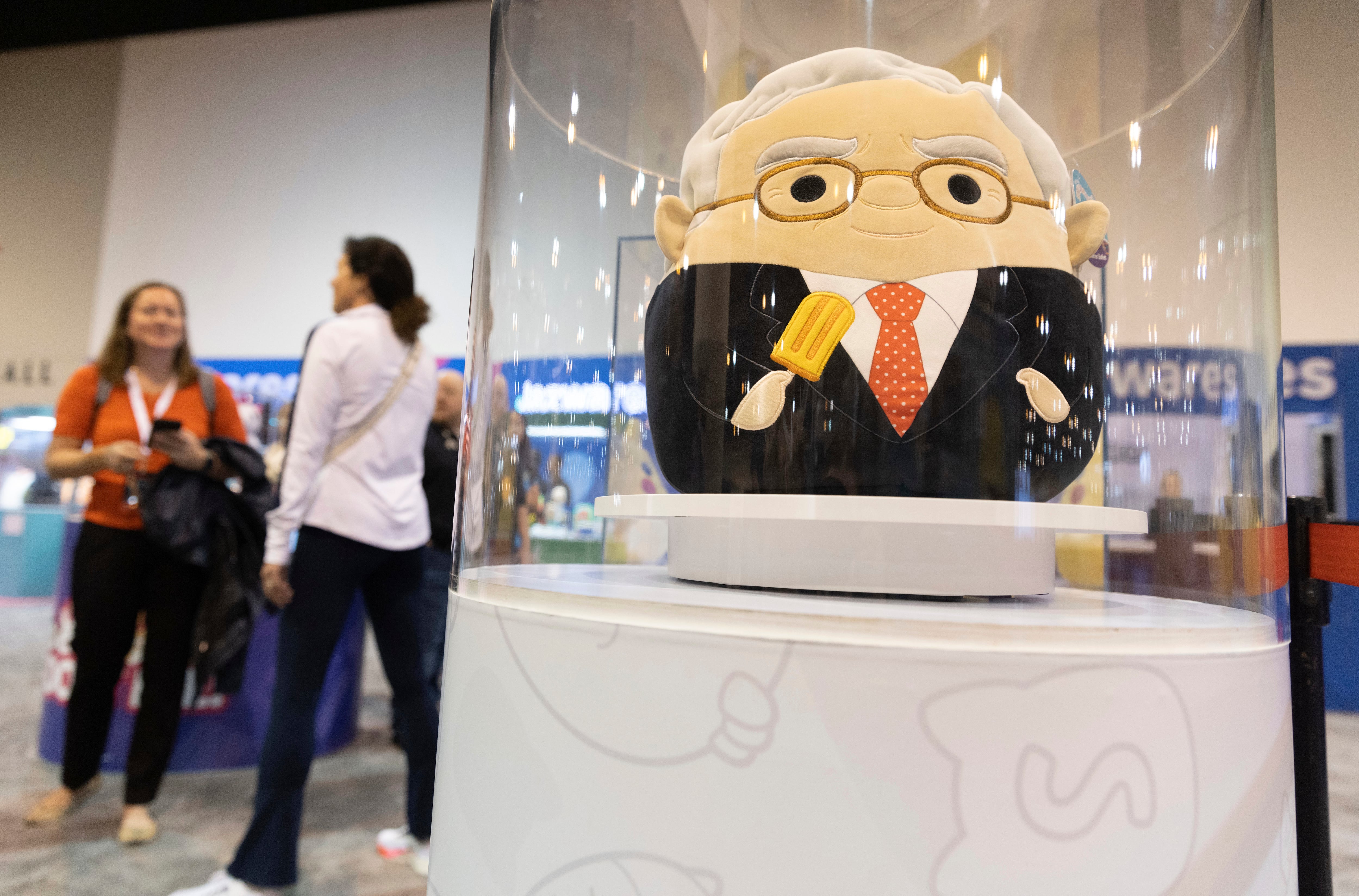
The company behind Squishmallows says Build-A-Bear's new Skoosherz toys are a copy of their own plushies. Build-A-Bear filed their own suit basically responding, "No they're not!"
While tech employees worry about artificial intelligence taking over their jobs, Microsoft says Iran, North Korea, and more U.S. adversaries are beginning to use AI in cyber spying.
The self-proclaimed "only Post who worked at Kellogg" was a military veteran who fought in World War II before inventing everyone’s favorite fruit-filled breakfast ravioli.
Kevin Gordon, Senior Investment Research Manager at Charles Schwab, shares his thoughts on how investors can take advantage of the current bull market while keeping in mind the impacts of Fed policy and inflation.
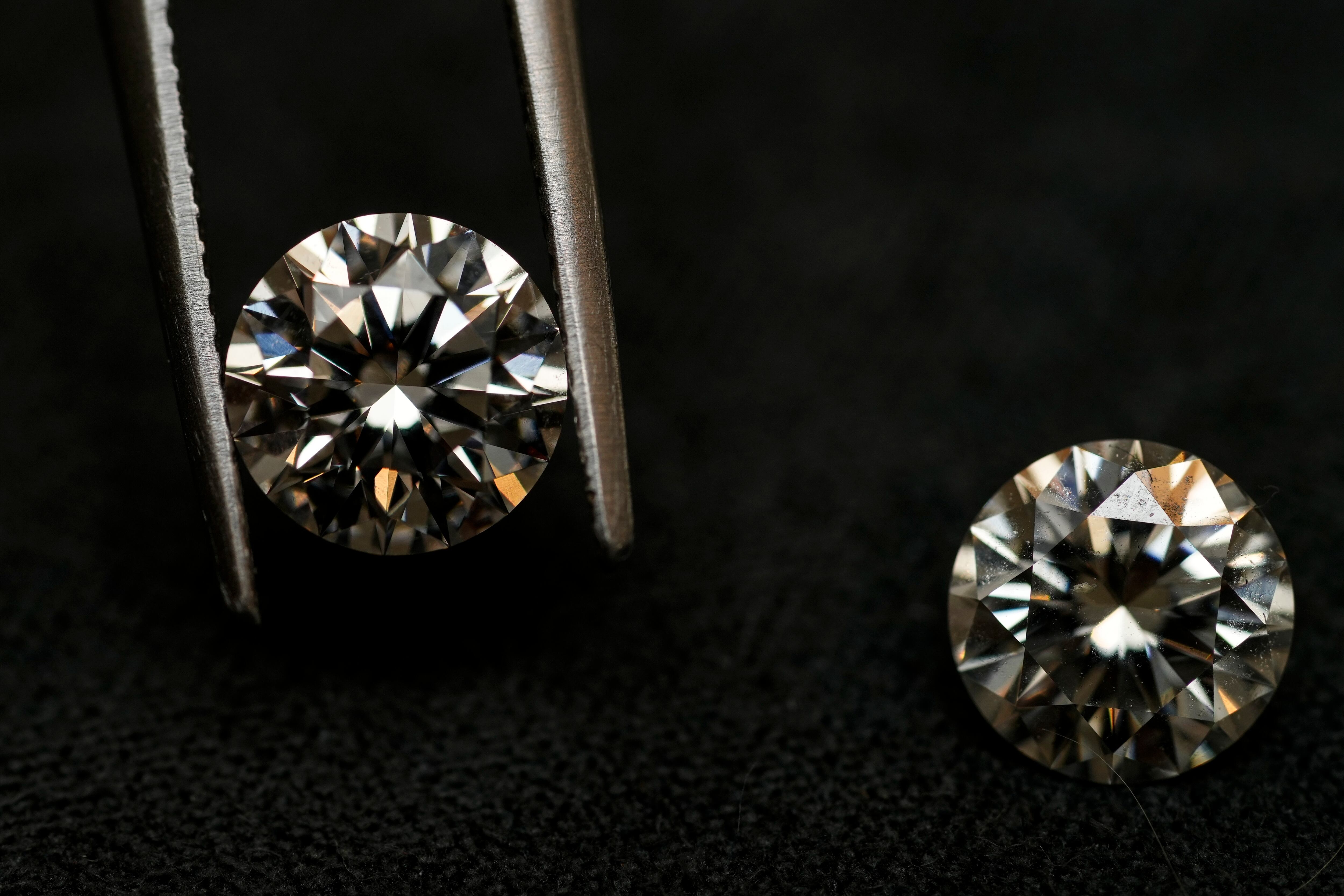
Lab-created diamonds come with sparkling claims: that they are ethically made by machines running on renewable energy. But many don't live up to these claims or don't respond to questions about their electricity sources, and lab diamonds require a lot of electricity.
Geoff Freeman, president and CEO of the U.S. Travel association, explains why other nations are outcompeting the U.S., and the innovations that would put American back on top.