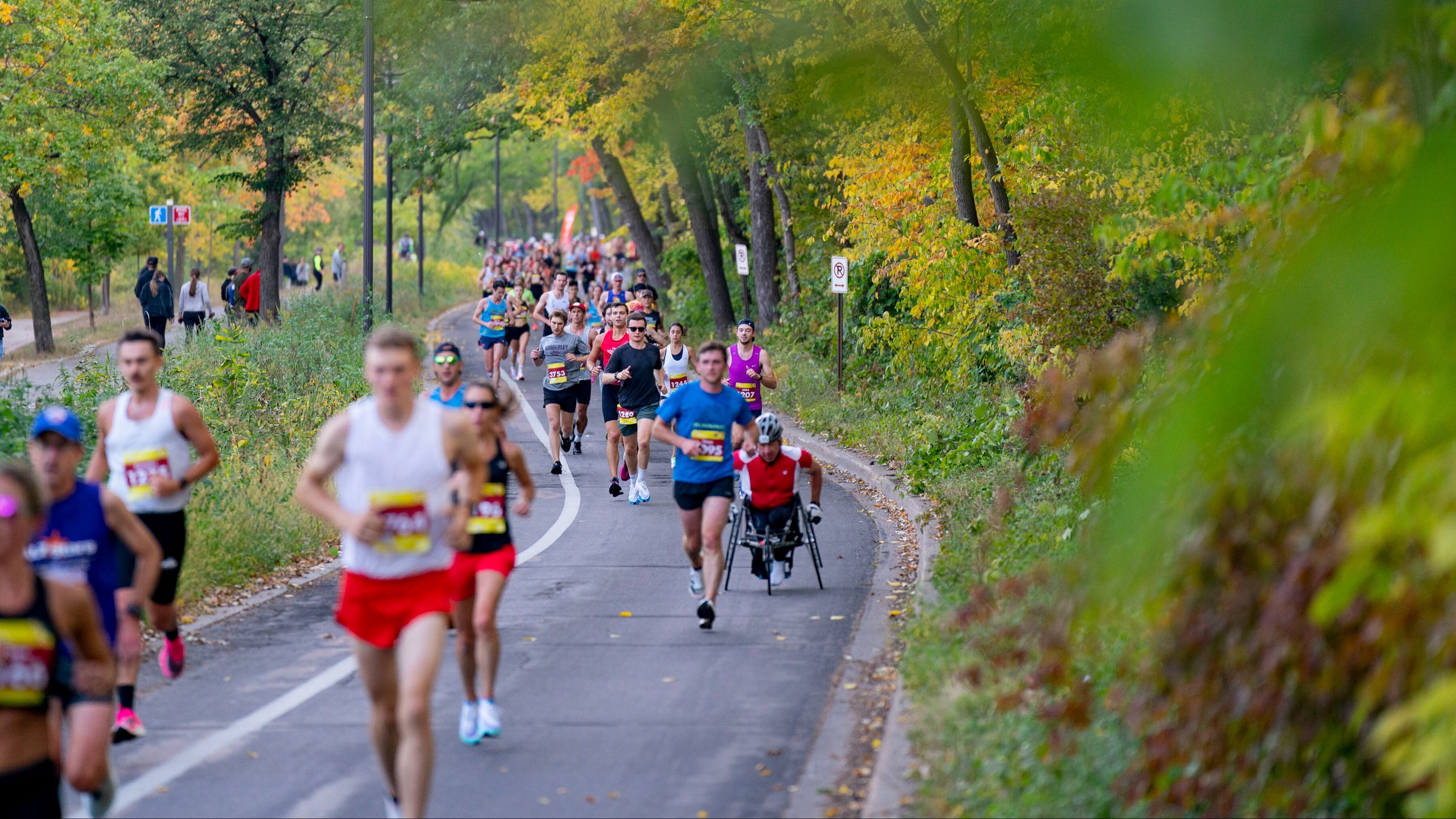
A forecast that record high temperatures and humidity would create “extreme and dangerous” conditions prompted organizers to cancel two long-distance races Sunday in Minnesota's two largest cities that were expected to draw up to 20,000 runners.
The Medtronic Twin Cities Marathon from Minneapolis to neighboring St. Paul had been expected to draw up to 8,000 runners when organizers called it off early Sunday. The organizers, Twin Cities in Motion, also canceled a separate 10-mile race drawing 12,000 runners.
In an email to race participants early Sunday, race organizers said: “The latest weather forecast update projects record-setting heat conditions that do not allow a safe event for runners, supporters and volunteers.”
In the days leading up to Sunday's race, organizers had warned that weather conditions could be unsafe. But the race was expected to still be held, with additional safety precautions in place. By Sunday morning, a “black flag" warning was issued, prompting the event's cancellation.
The National Weather Service predicted a midday high Sunday of 88 degrees Fahrenheit (31 degrees Celsius).
Some runners had lined up for the race's start early Sunday and told the Minneapolis Star Tribune they planned to run anyway.
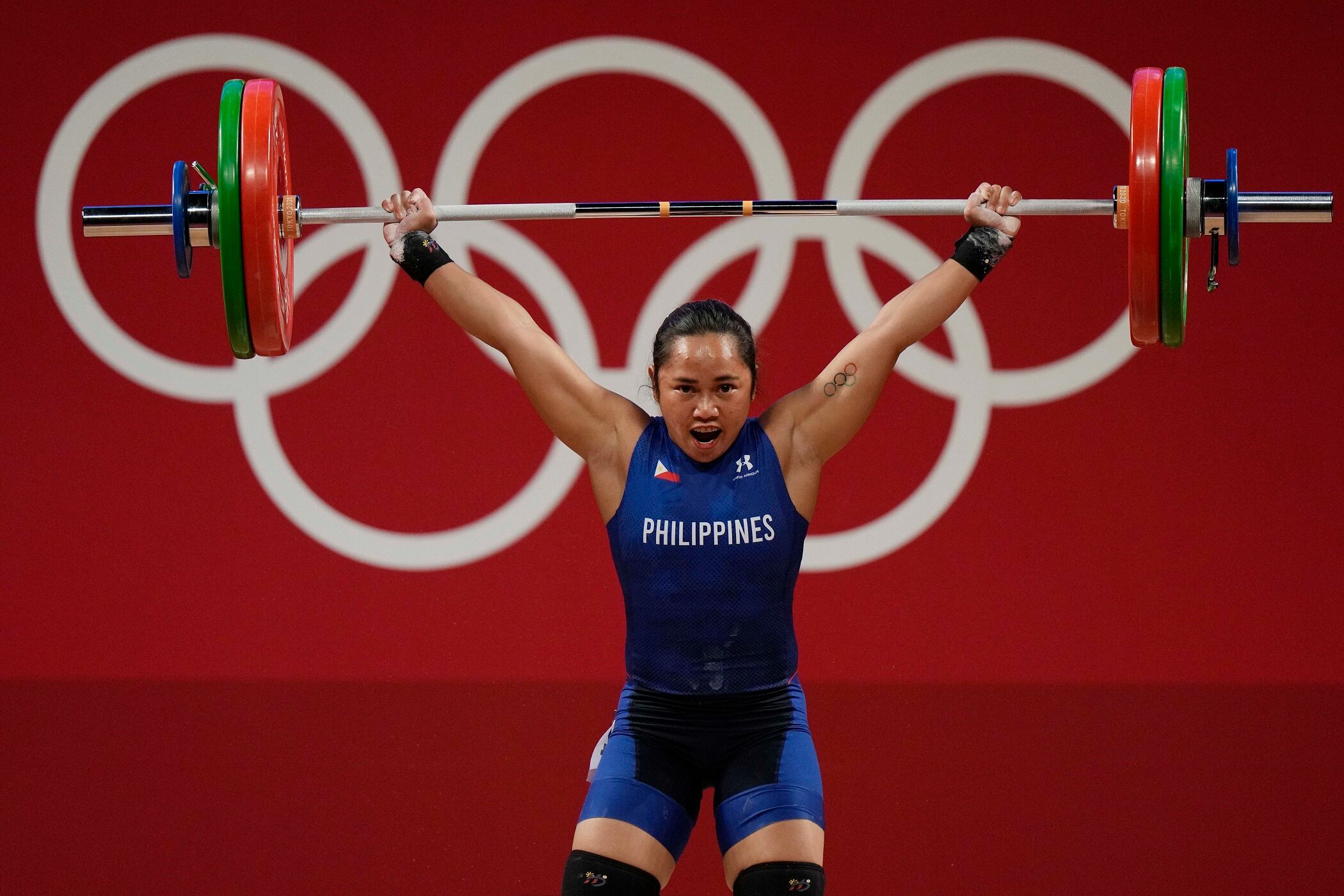
Weightlifter Hidilyn Diaz’s arduous buildup to the Tokyo Olympics culminated on the top step of the podium. Diaz won the first Olympic gold medal for the Philippines in a triumphant result for a country that has competed at every Summer Olympics except one since 1924.
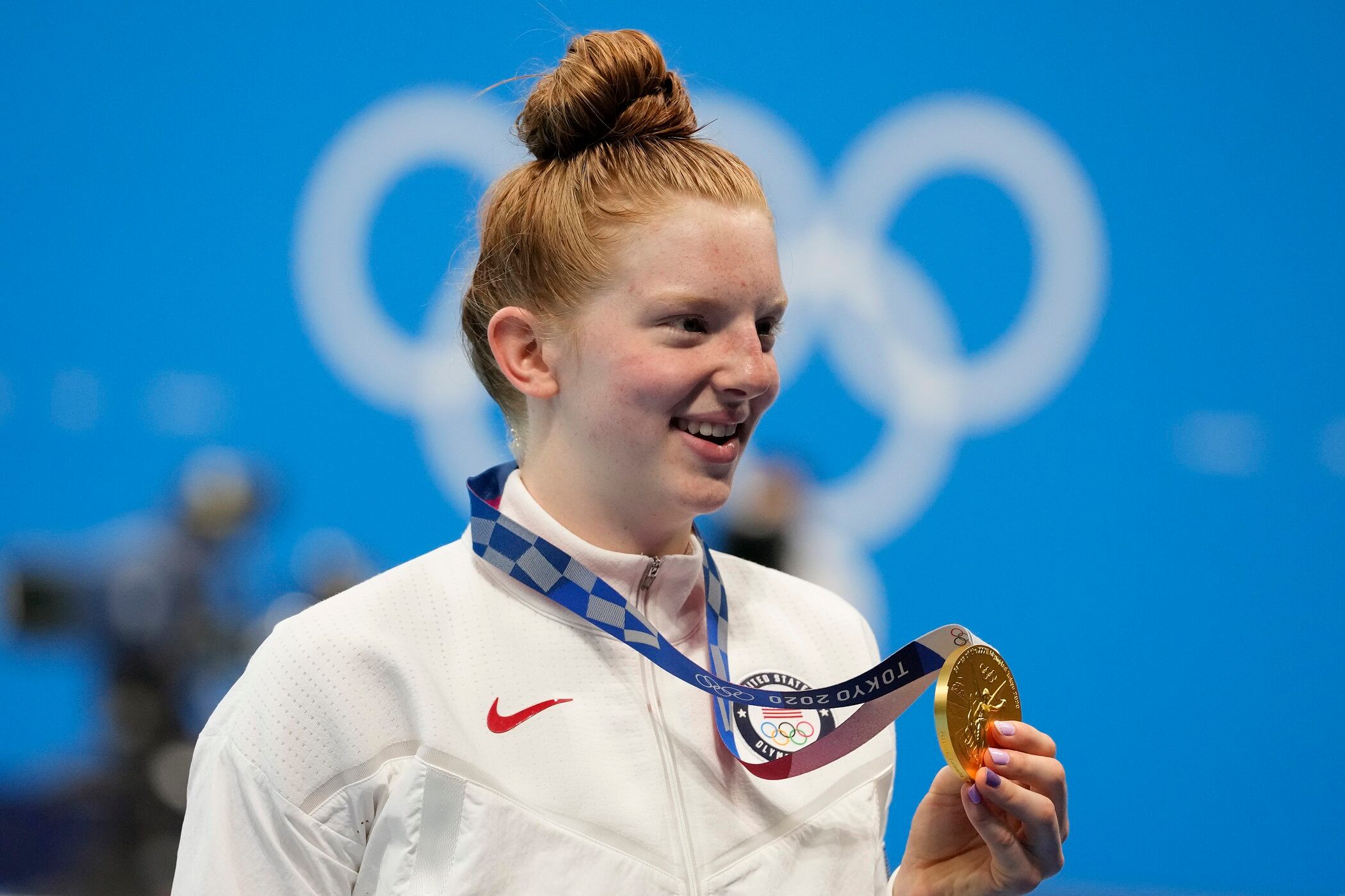
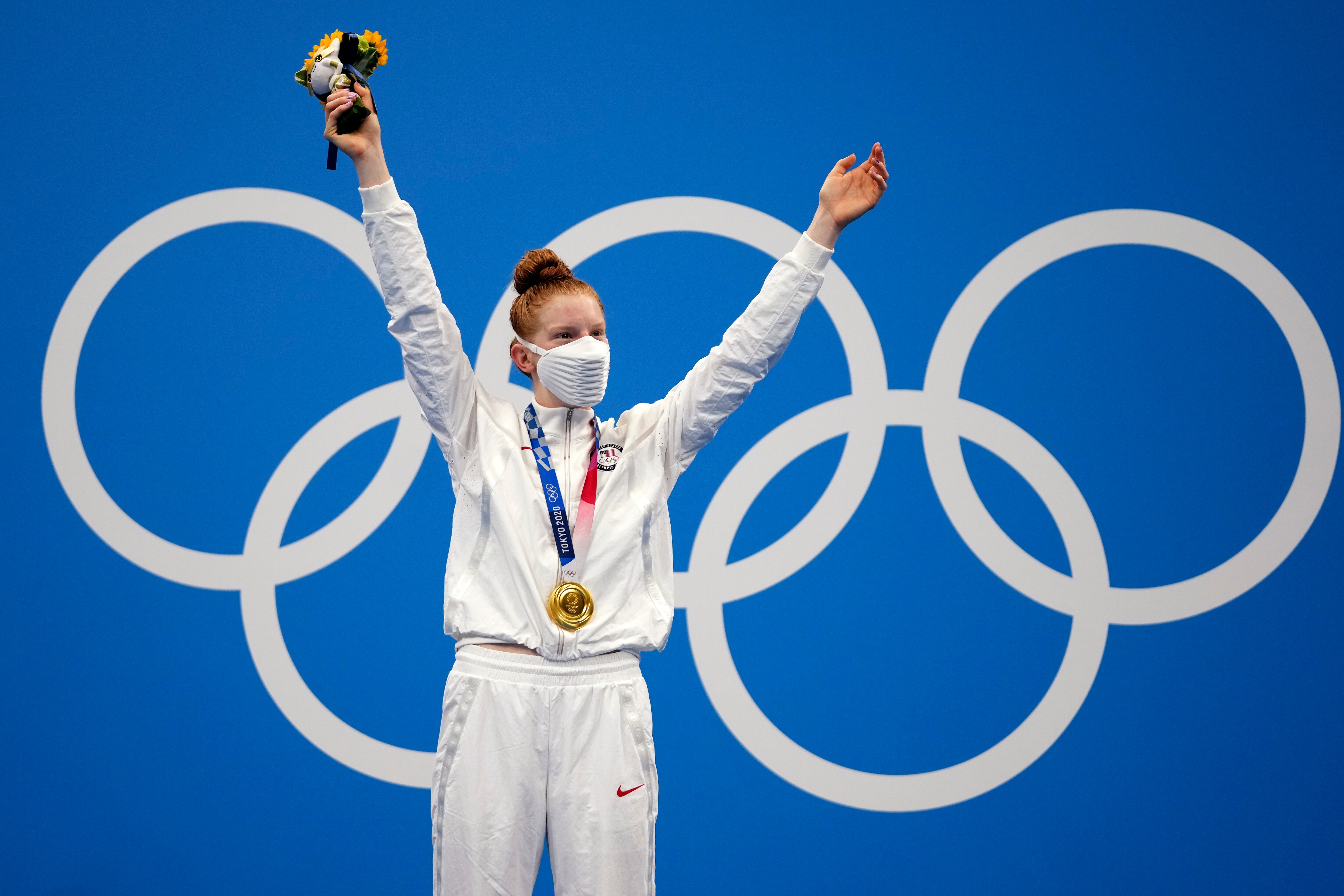
Jacoby pulled off a stunning upset in the 100-meter breaststroke, beating defending champion Lilly King. Jacoby already was the first swimmer from Alaska to make the U.S. Olympic team. Now, she's got a gold.
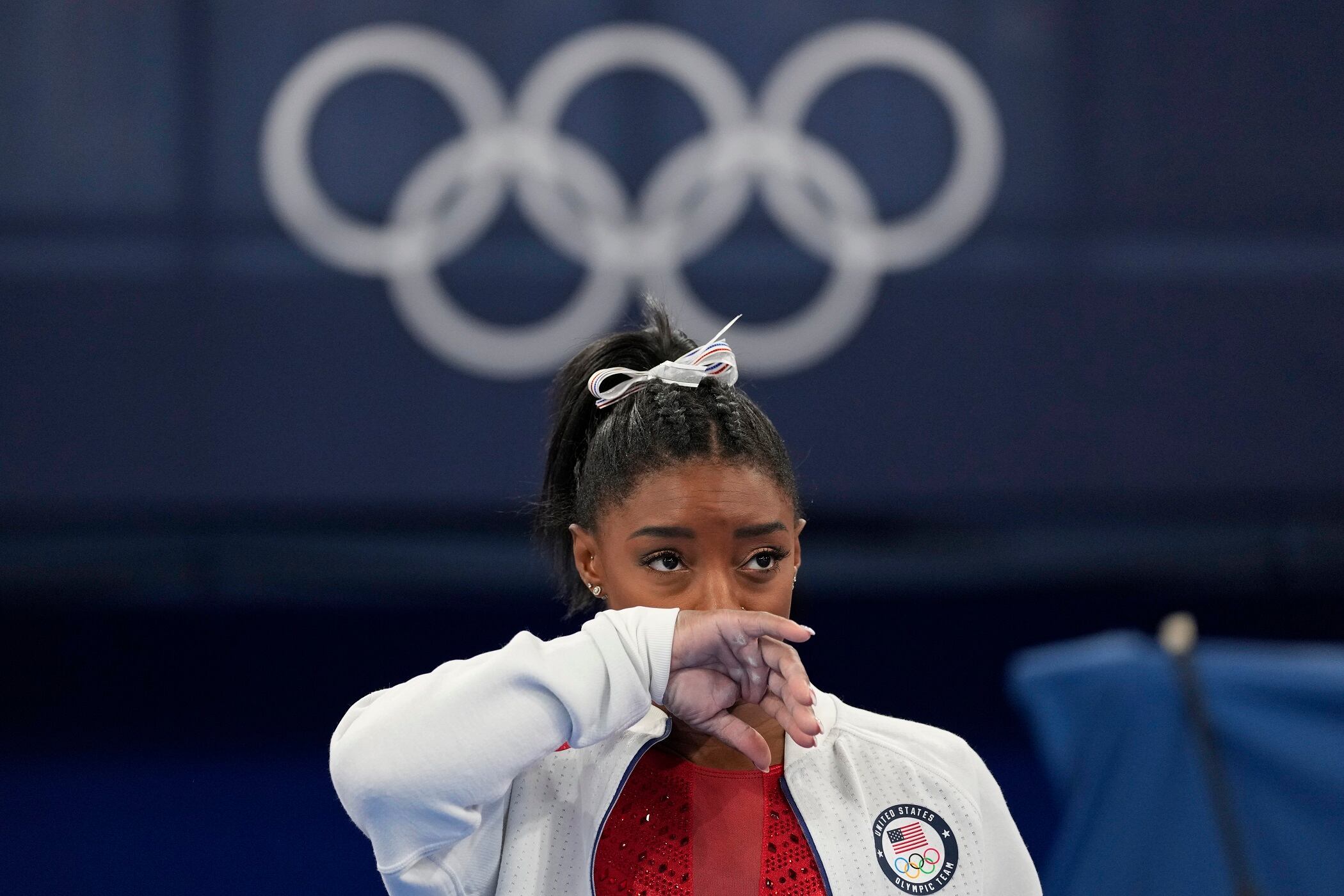
The Russian Olympic Committee has won the gold medal in women’s gymnastics after U.S. star Simone Biles exited with a medical issue.
Vaccine Mandates, Osaka Out & LeVar Burton Takes Jeopardy!
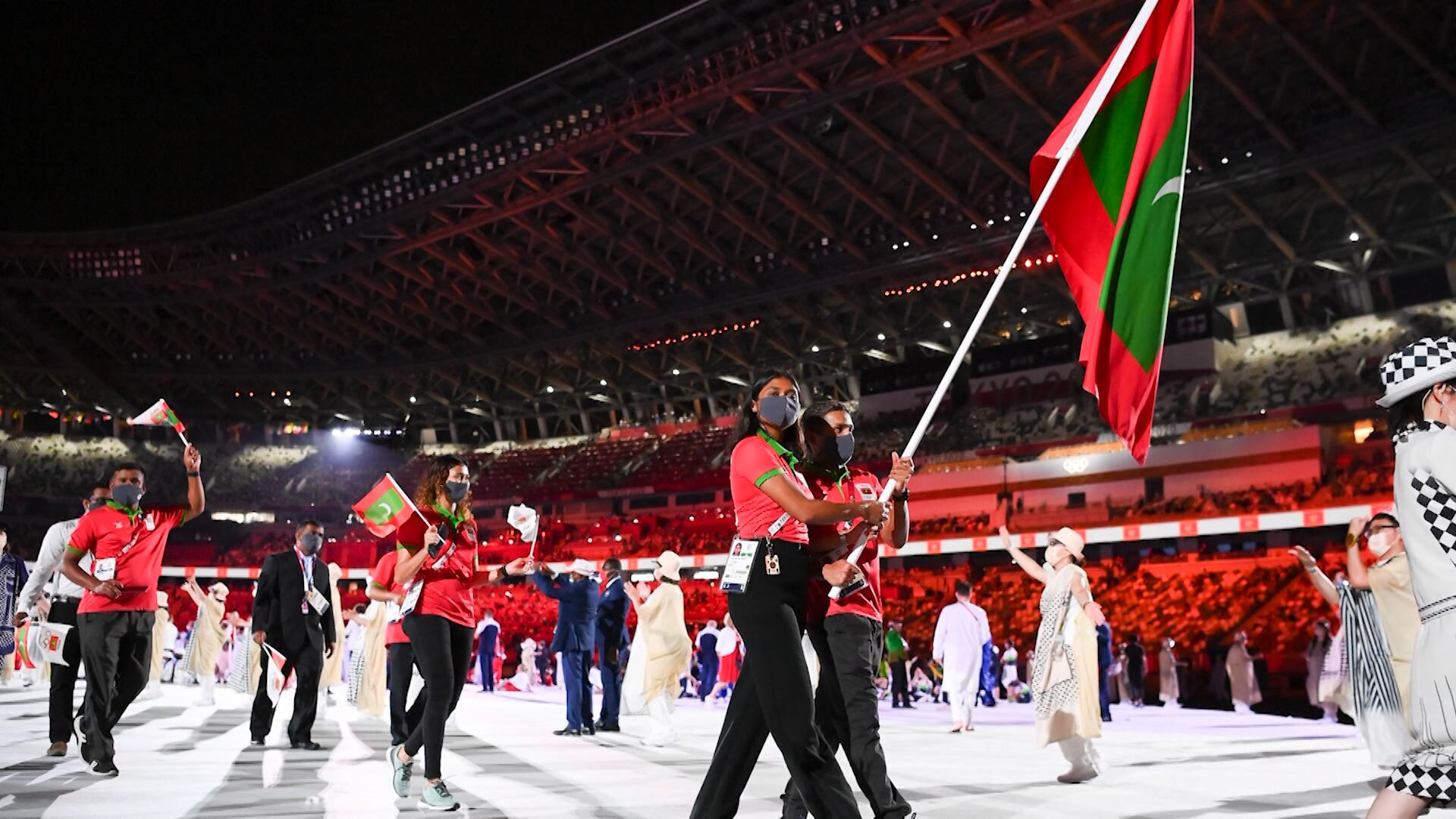
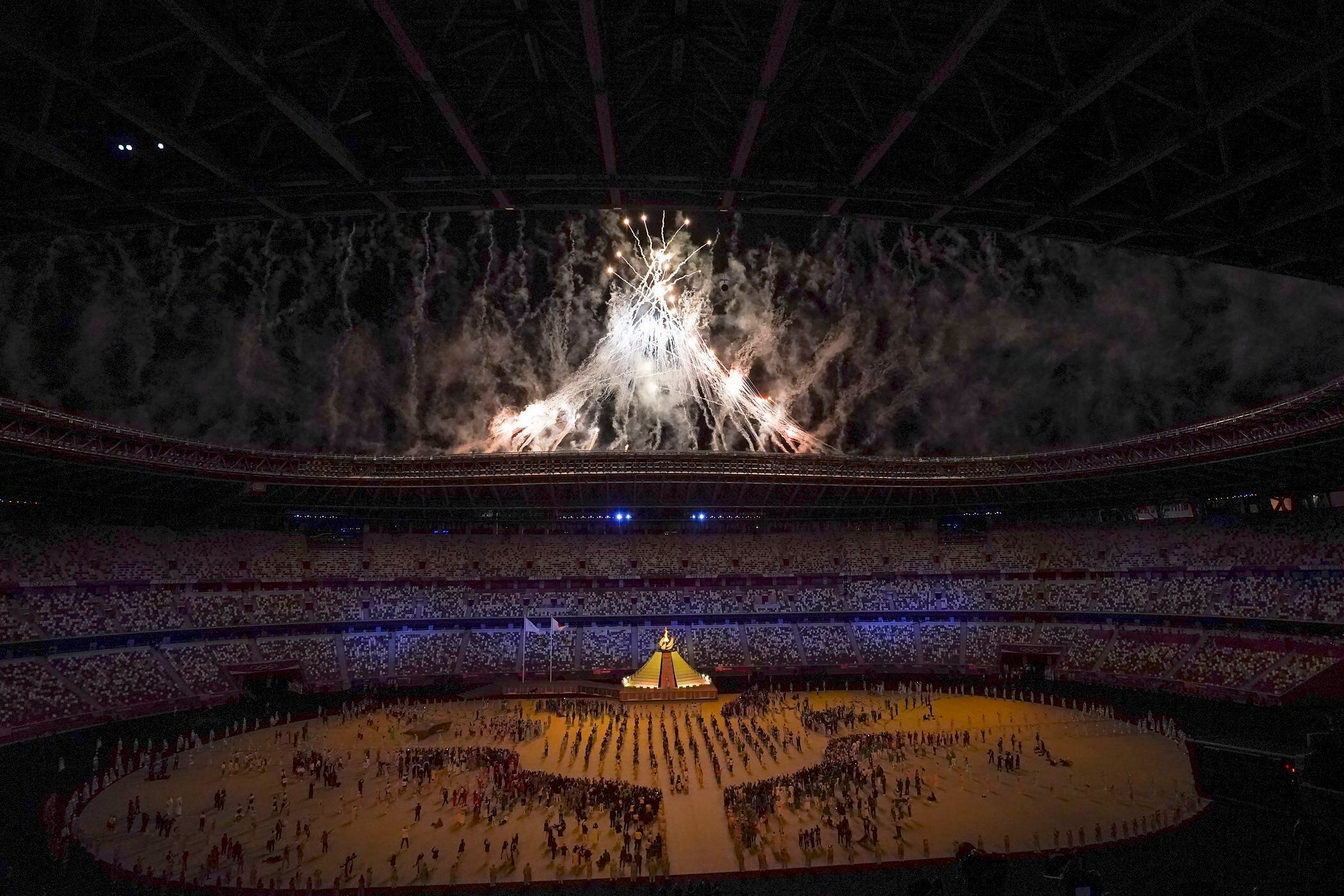
After a year of delays, the Tokyo Olympics is finally here.
But the growth in streaming is expected to lower broadcast viewership numbers. Still, advertisers and sponsors haven't pulled out of the popular live sporting event.
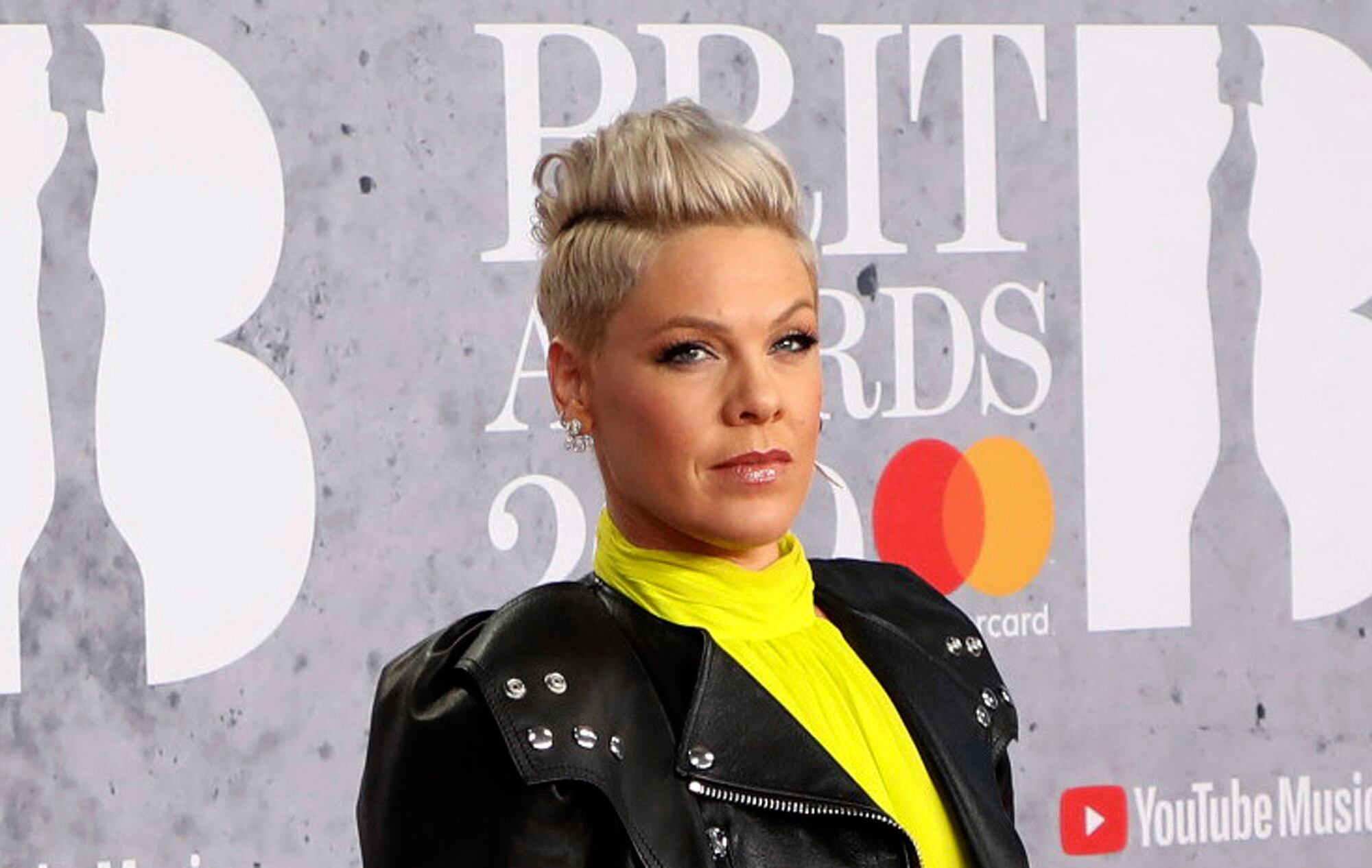
U.S. pop singer Pink has offered to pay a fine given to the Norwegian female beach handball team for wearing shorts instead of the required bikini bottoms.
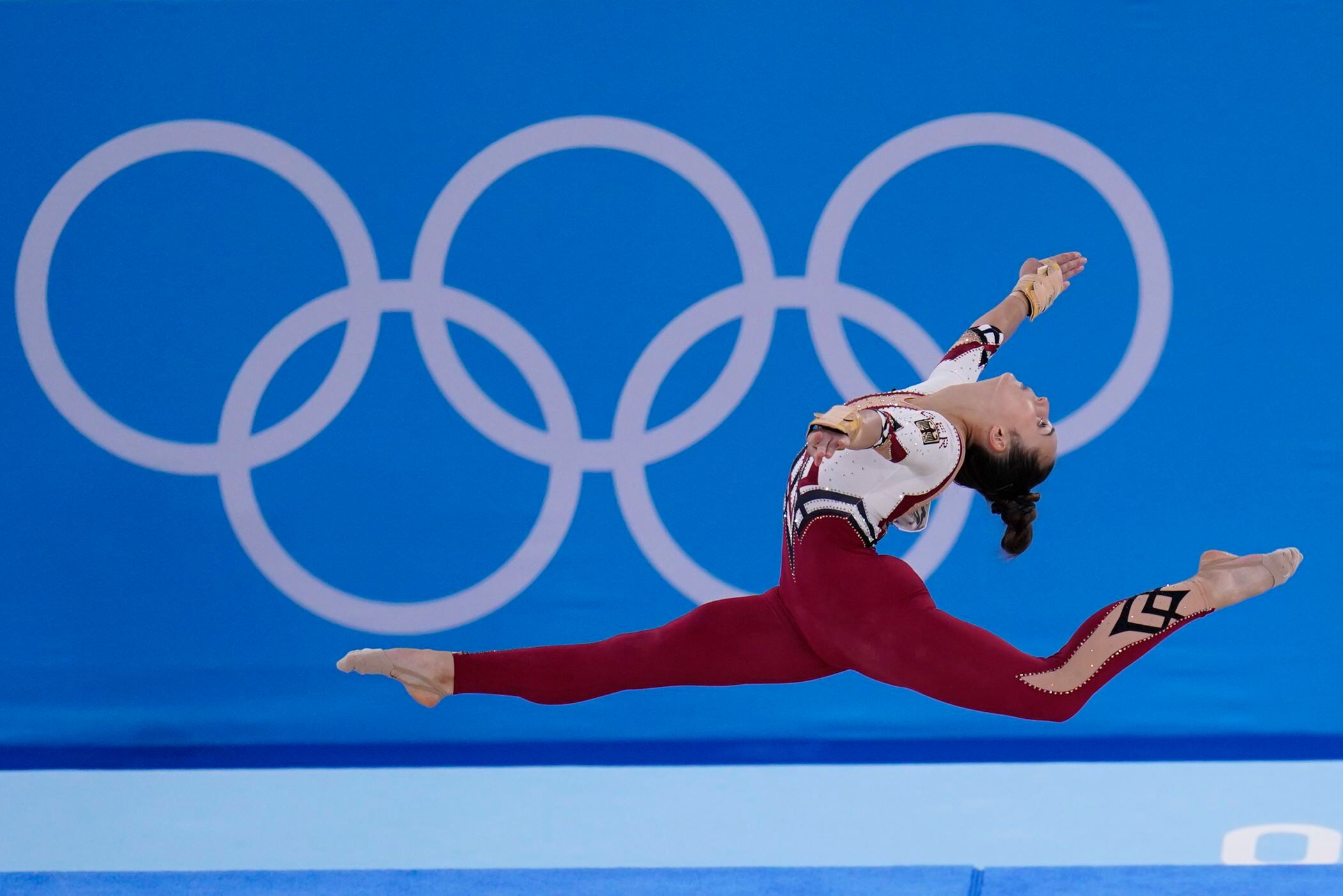
The German women’s gymnastics team took the floor for their first competition at the Tokyo Olympics wearing unitards with leggings that stretched down to the ankle. That defied the custom of high-cut bikini bottoms in the sport.
Team USA's Uneven Start, Optimism Plummets & 'Old' Stuns Box Office
Despite the protests and concerns over safety during COVID-19, advertisers haven't stopped backing the Games.
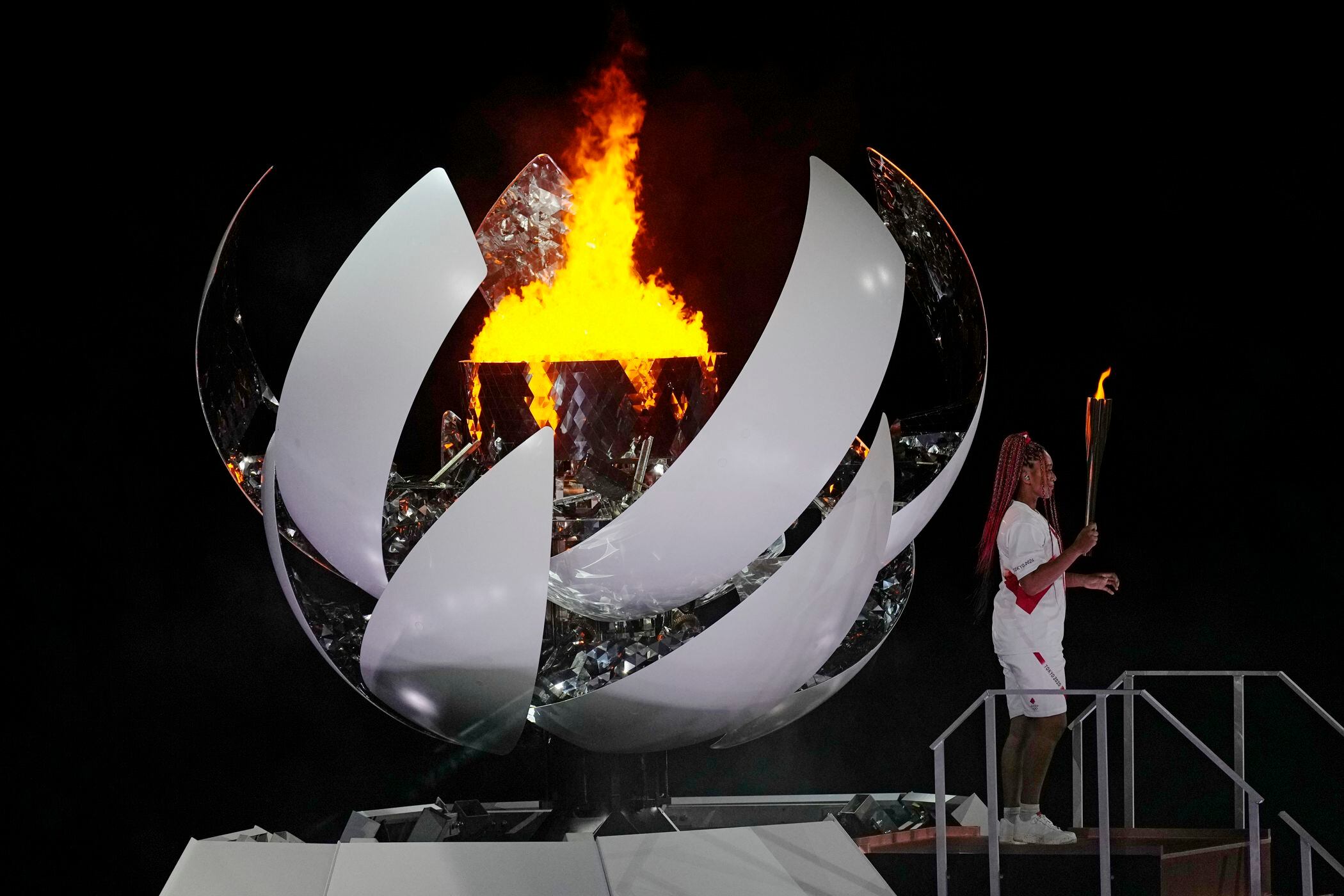
The flame at Tokyo’s National Stadium and another cauldron burning along the waterfront near Tokyo Bay throughout the games will be sustained in part by hydrogen, the first time the clean fuel source will be used to power an Olympic fire.