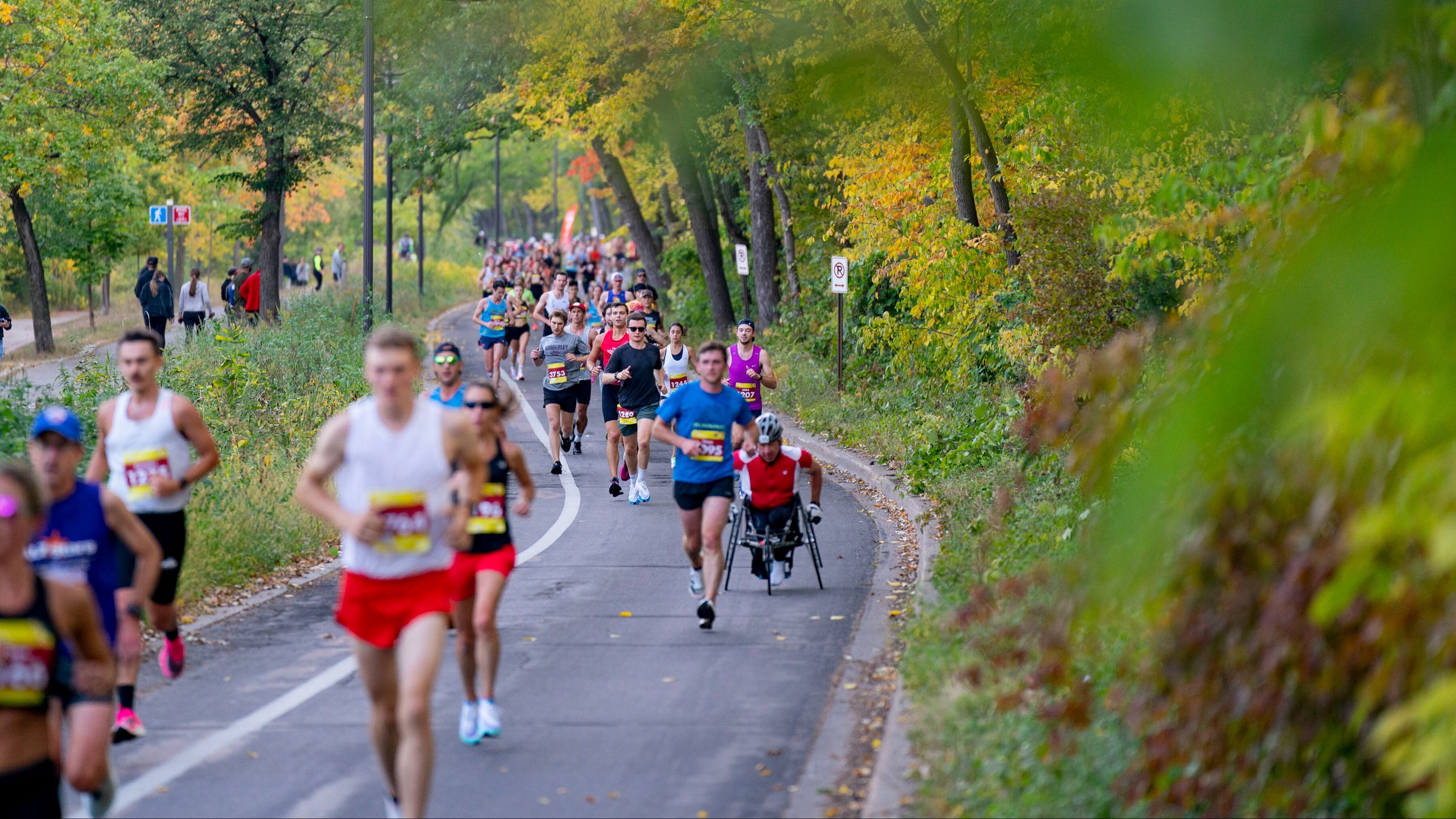
Runners make their way past Lake Harriet during the Twin Cities Marathon Sunday, Oct. 2, 2022 in Minneapolis, Minn. (Photo by Alex Kormann/Star Tribune via Getty Images)
A forecast that record high temperatures and humidity would create “extreme and dangerous” conditions prompted organizers to cancel two long-distance races Sunday in Minnesota's two largest cities that were expected to draw up to 20,000 runners.
The Medtronic Twin Cities Marathon from Minneapolis to neighboring St. Paul had been expected to draw up to 8,000 runners when organizers called it off early Sunday. The organizers, Twin Cities in Motion, also canceled a separate 10-mile race drawing 12,000 runners.
In an email to race participants early Sunday, race organizers said: “The latest weather forecast update projects record-setting heat conditions that do not allow a safe event for runners, supporters and volunteers.”
In the days leading up to Sunday's race, organizers had warned that weather conditions could be unsafe. But the race was expected to still be held, with additional safety precautions in place. By Sunday morning, a “black flag" warning was issued, prompting the event's cancellation.
The National Weather Service predicted a midday high Sunday of 88 degrees Fahrenheit (31 degrees Celsius).
Some runners had lined up for the race's start early Sunday and told the Minneapolis Star Tribune they planned to run anyway.
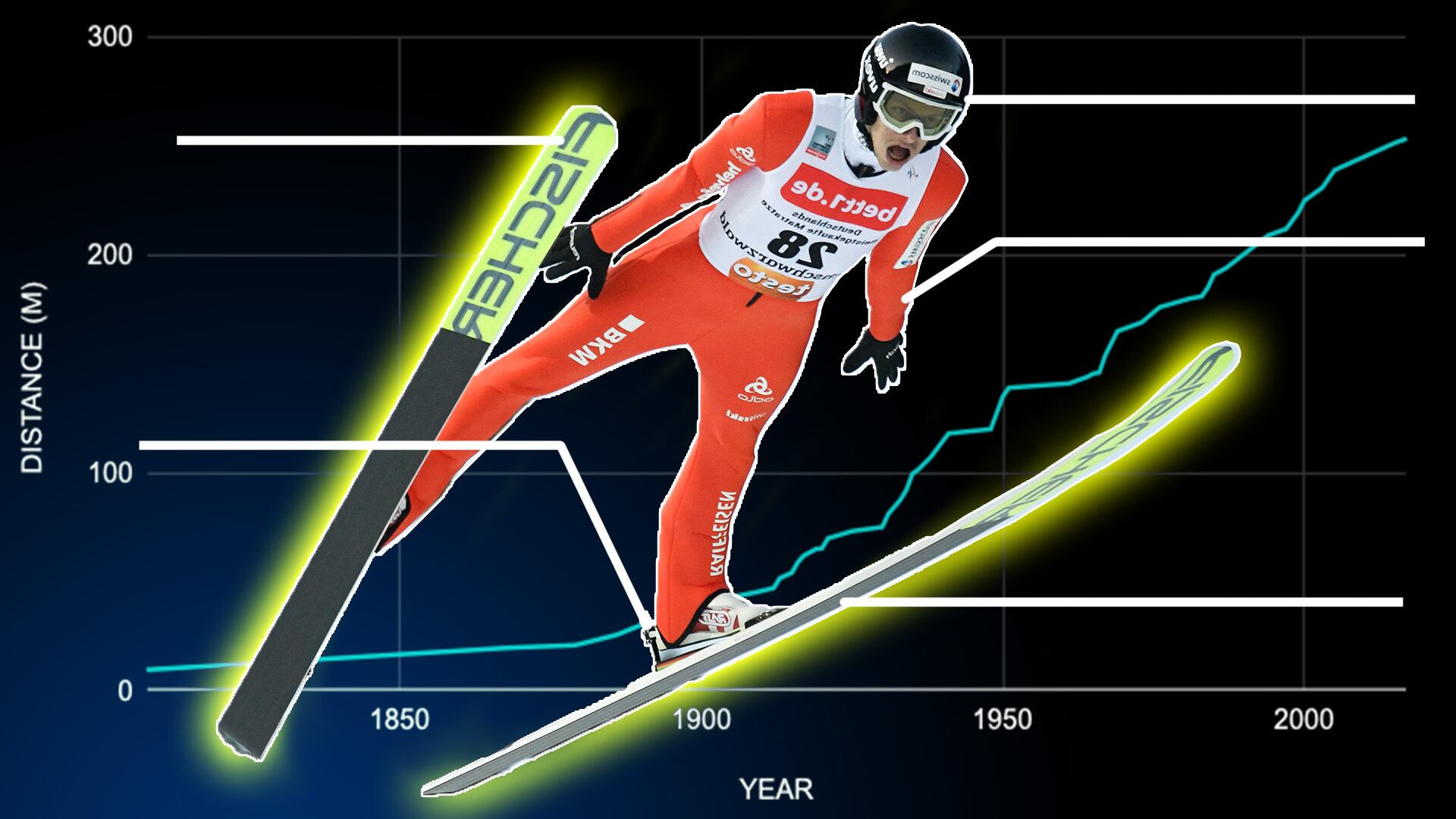
Every few years, the Olympics roll around to prove that, yes, the world’s best athletes can jump farther, swim faster, and generally crush records that would’ve been impossible just a few decades ago. Take ski jumping - the world record has increased by well over 200 meters in fewer than 100 years. Responsible for this is a lot of intentional engineering of equipment and hills, but perhaps the biggest change is thanks to one act of human daring. Watch to find out how!
Add FIFA to the list of organizations announcing a break with Russia. The world soccer authority has suspended the nation from competing in the 2022 World Cup tournament, while the NHL also announced suspending business relations with Russia. Executive editor and senior writer at Sports Illustrated, Jon Wertheim, joined Cheddar News to discuss the rebukes. "I think a big element of this is, this is a way to really hit at Putin because we know how much this appearance of strength and the victory… often portrayed through sports, how much that means to him," he said. "This will bother him in a way that it might not bother other world leaders."
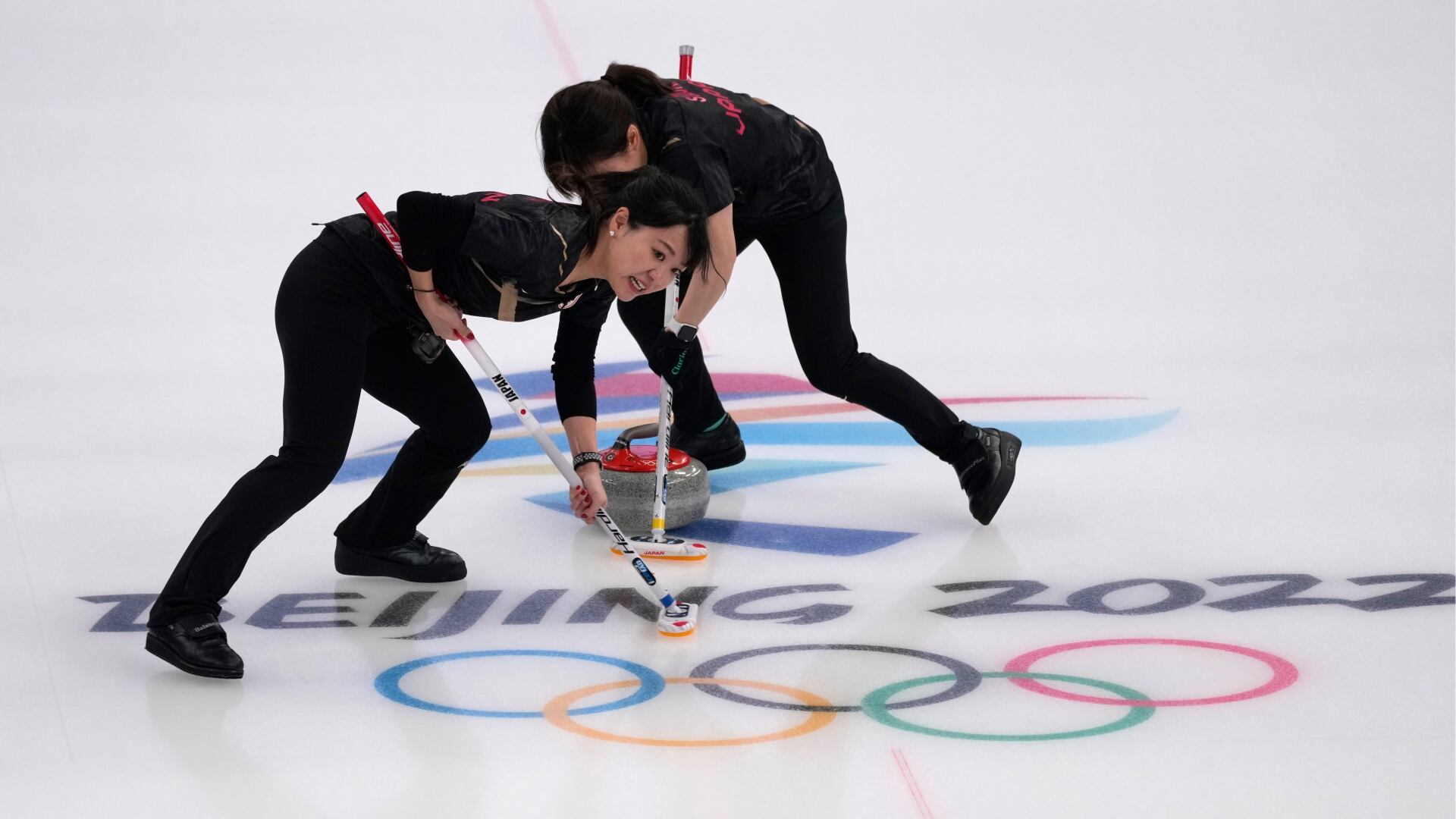
The Winter Olympics is slowly winding down with a lot of competition left. Boston Globe Reporter Nicole Yang, joined Cheddar to discuss more on what we can expect to see and some of the hiccups surrounding the games this year.
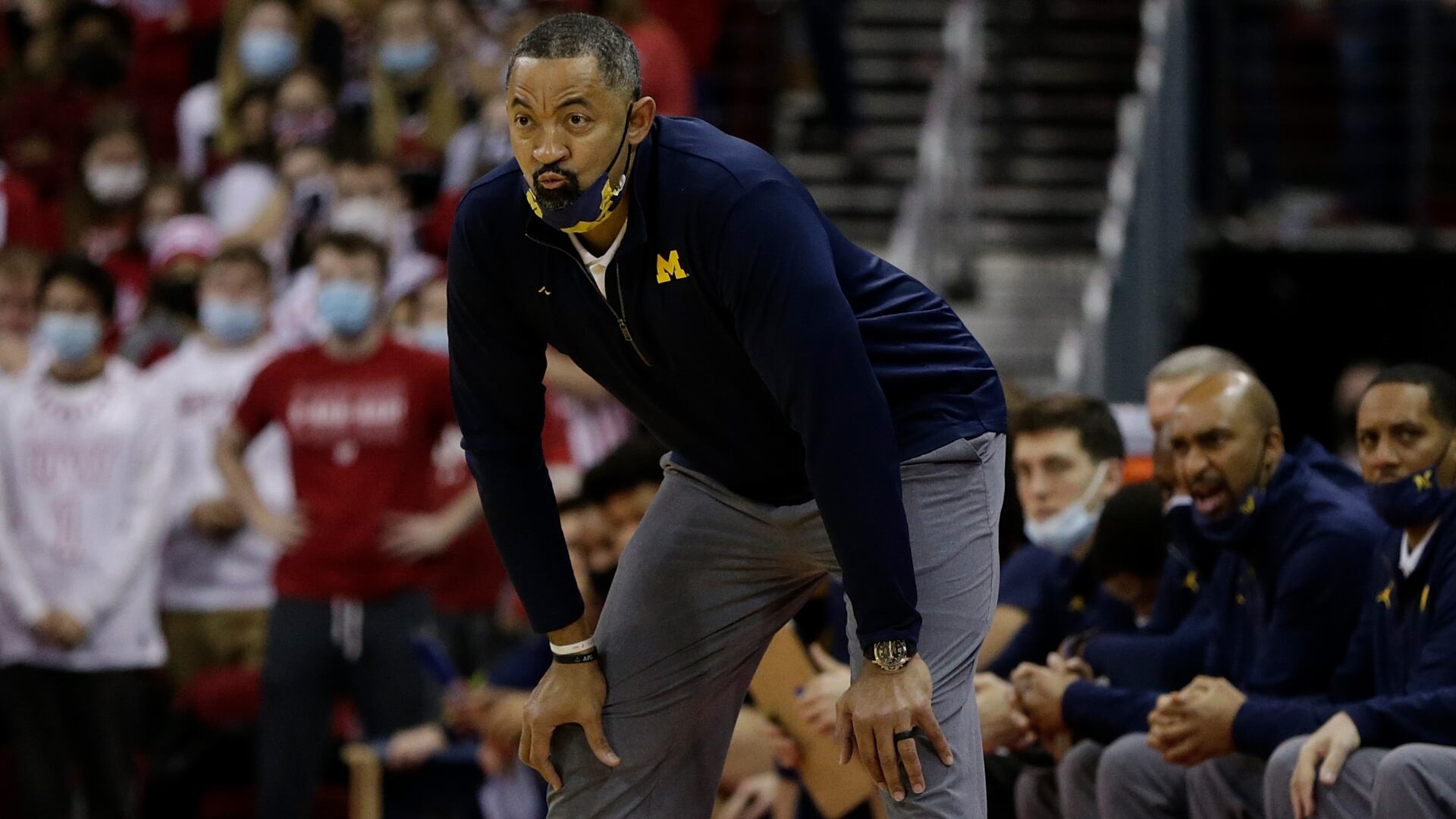
Rohit Ponnaiya, betting analysts for Covers.com, discusses the impact Juwan Howard's suspension will have on Michigan and dishes out his picks for Thursday's top college hoops contests.
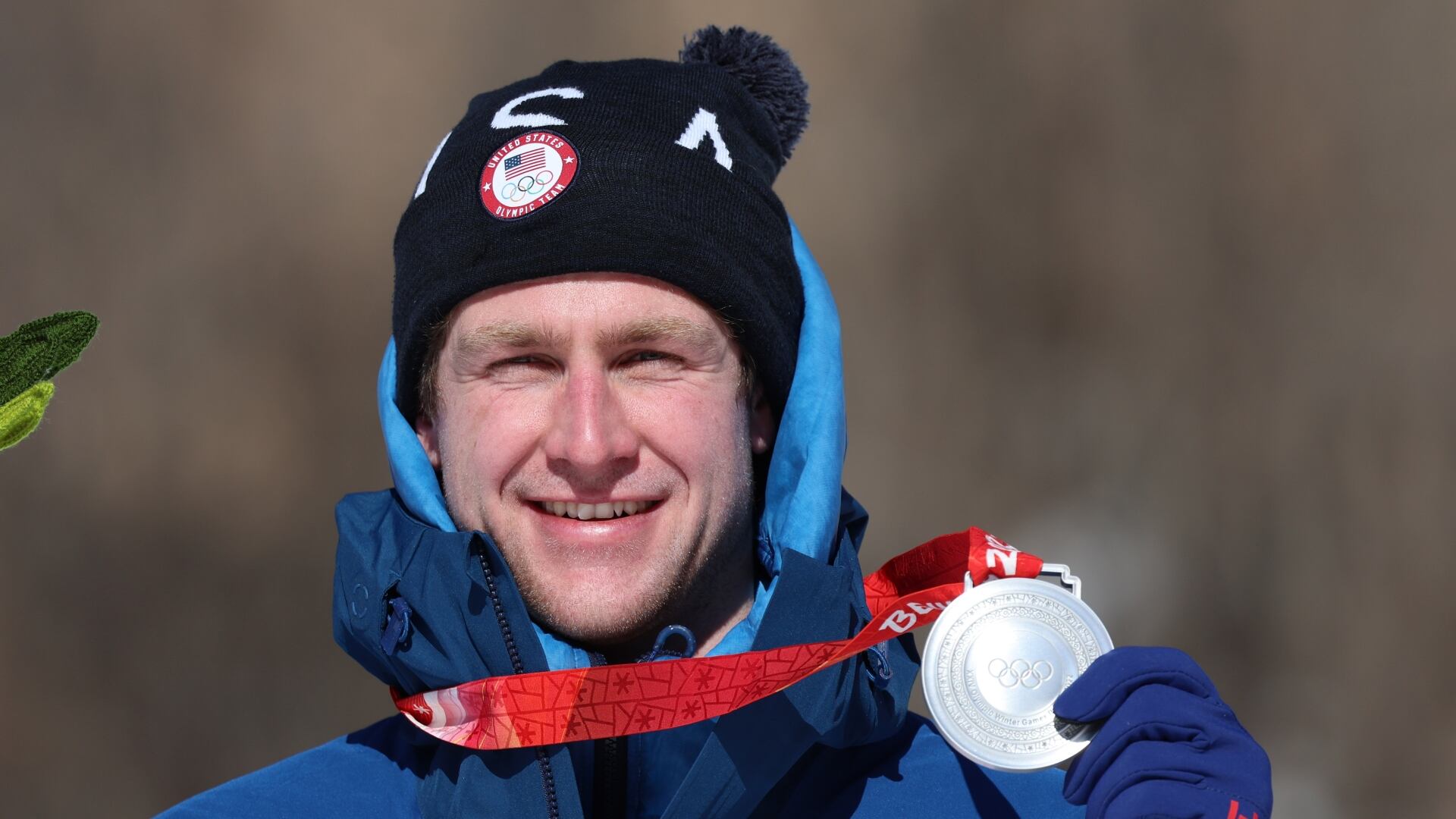
Ryan Cochran-Siegl earned his silver medal 50 years after his mother won gold in the 1972 Olympic games. Coming in a close second in the men's Super-G, he was the first American skier to snag a medal at the Beijing games this year. J.D. Durkin sat down with Ryan to discuss the highlights from the games, his road to the Olympics, and how he's gearing up for his next shot at gold.
Ben Wittenstein, podcast host for Stadium, joins Cheddar Bets to break down his favorite win total bets for the last quarter of the NBA season. Ben also plays a round of Pick 6.
Sponsored by BetMGM
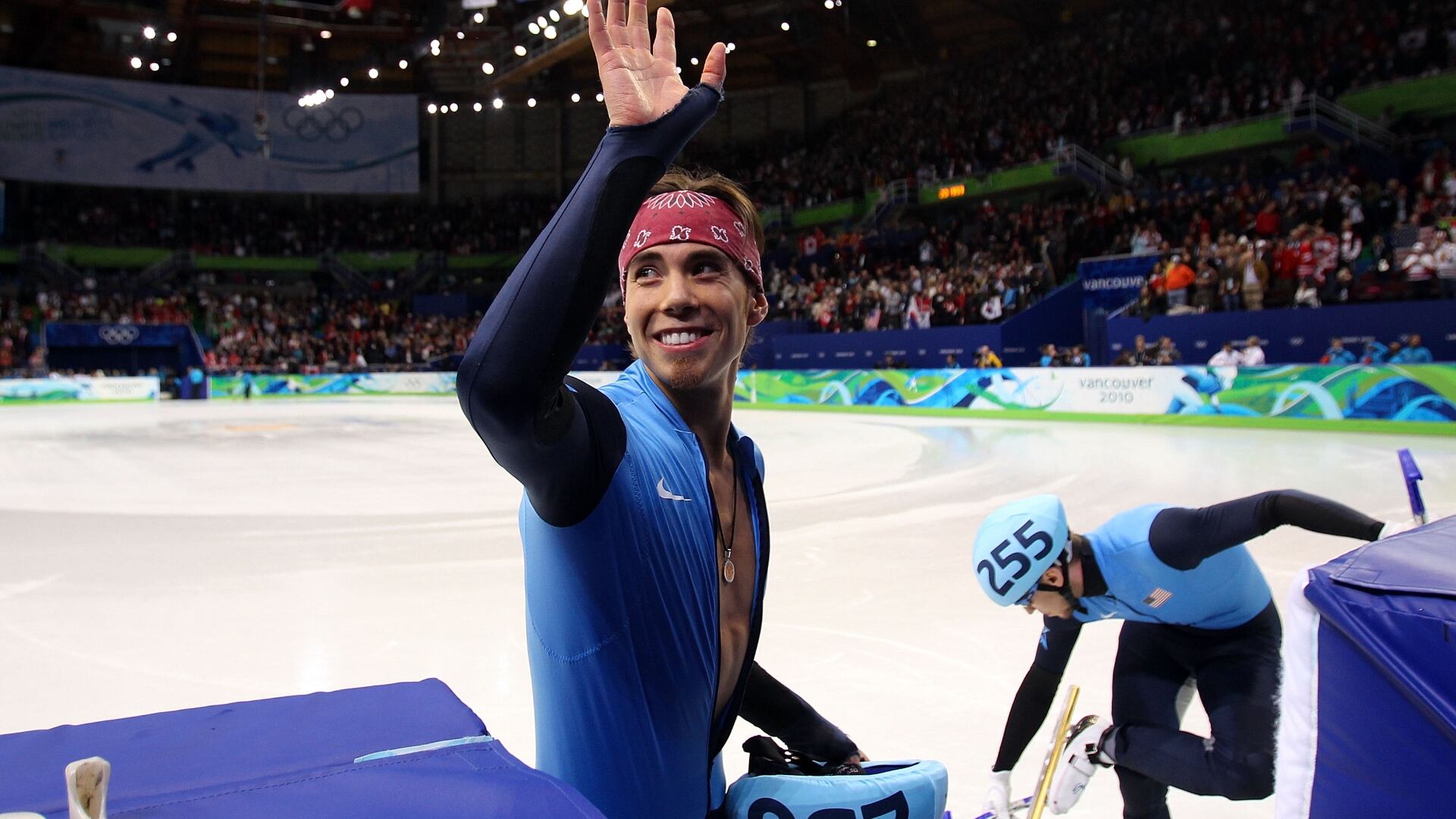
Today, Apolo Ohno is much more than a former Olympian. He's an entrepreneur, sports analyst, speaker, and New York Times bestseller. His latest book, 'Hard Pivot,' is a guide for any person learning to adapt or wanting to reinvent themselves, just as Ohno did over a decade ago. Ohno joins Cheddar News to discuss.