This year has had its fair share of political tension and technological advancements, but 2018 could have even more in store. "The World in 2018," an annual publication from The Economist, predicts 2018 will be a "nerve jangling" year. Daniel Franklin, Executive Editor of The Economist, and Editor of "The World in 2018," stopped by to discuss the 12 global themes for 2018.
Franklin says we will see more open versus closed world views. While President Donald Trump focuses on his "America first" agenda, France's President Emmanuel Macron is promoting a new kind of pro-globalization plan.
The Economist also sees sports competing with politics in the South Korea Winter Olympics, and the World Cup in Russia. South Korea will put on the Winter Olympics in the shadow of the North's nuclear threats. Franklin also discusses how the World Cup takes center stage in Russia at a sensitive time in the country's relationship with the West.
Railroad unions report that workers for Norfolk Southern who were present at the derailment and chemical spill site in East Palestine, Ohio, have been falling ill.
The Biden administration on Thursday released a plan for improving the nation's cybersecurity by shifting the burden from individuals, small businesses, and local governments to federal agencies and major tech providers.
COVID-19's origins remain hazy. Three years after the start of the pandemic, it's still unclear whether the coronavirus that causes the disease leaked from a lab or spread to humans from an animal.
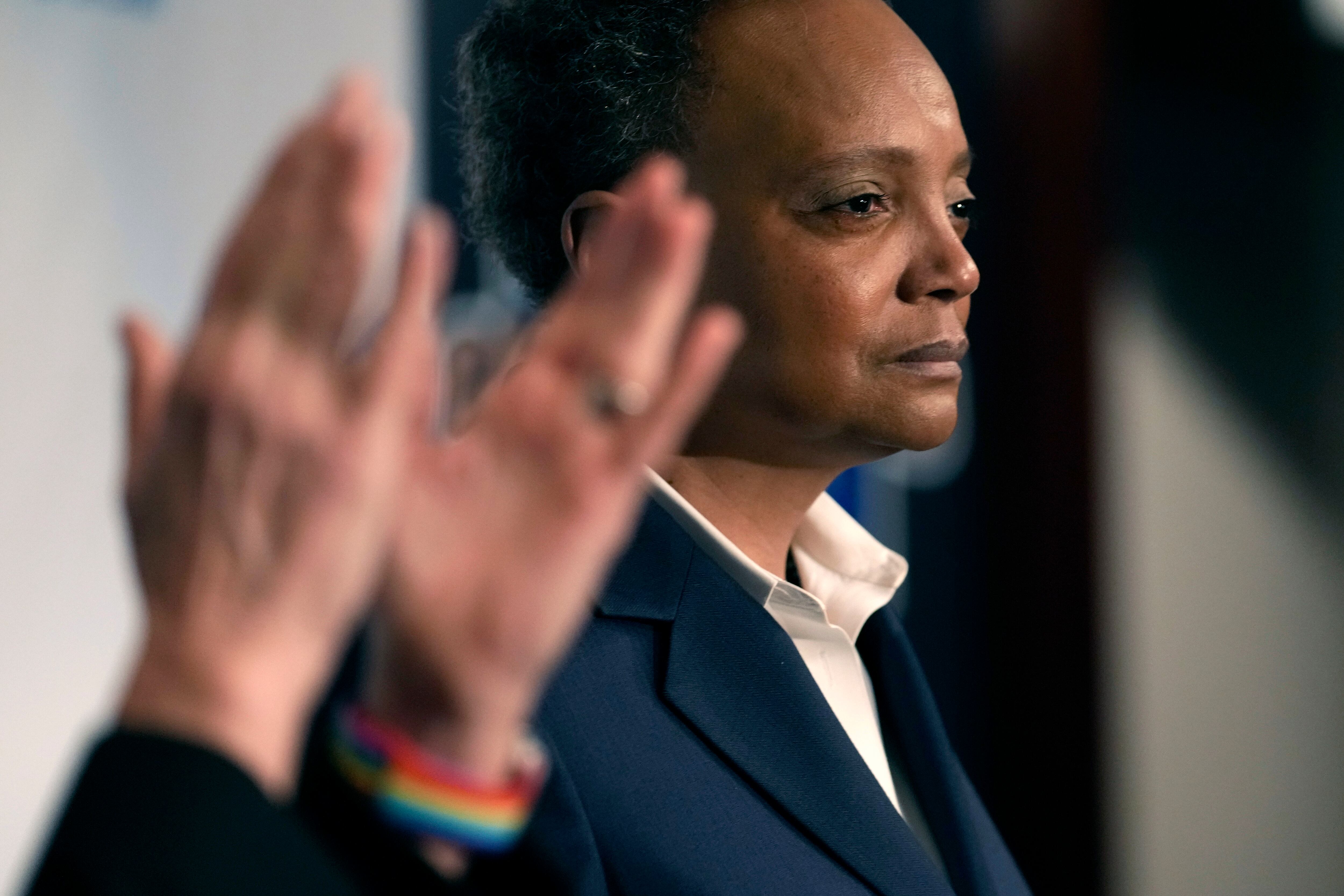
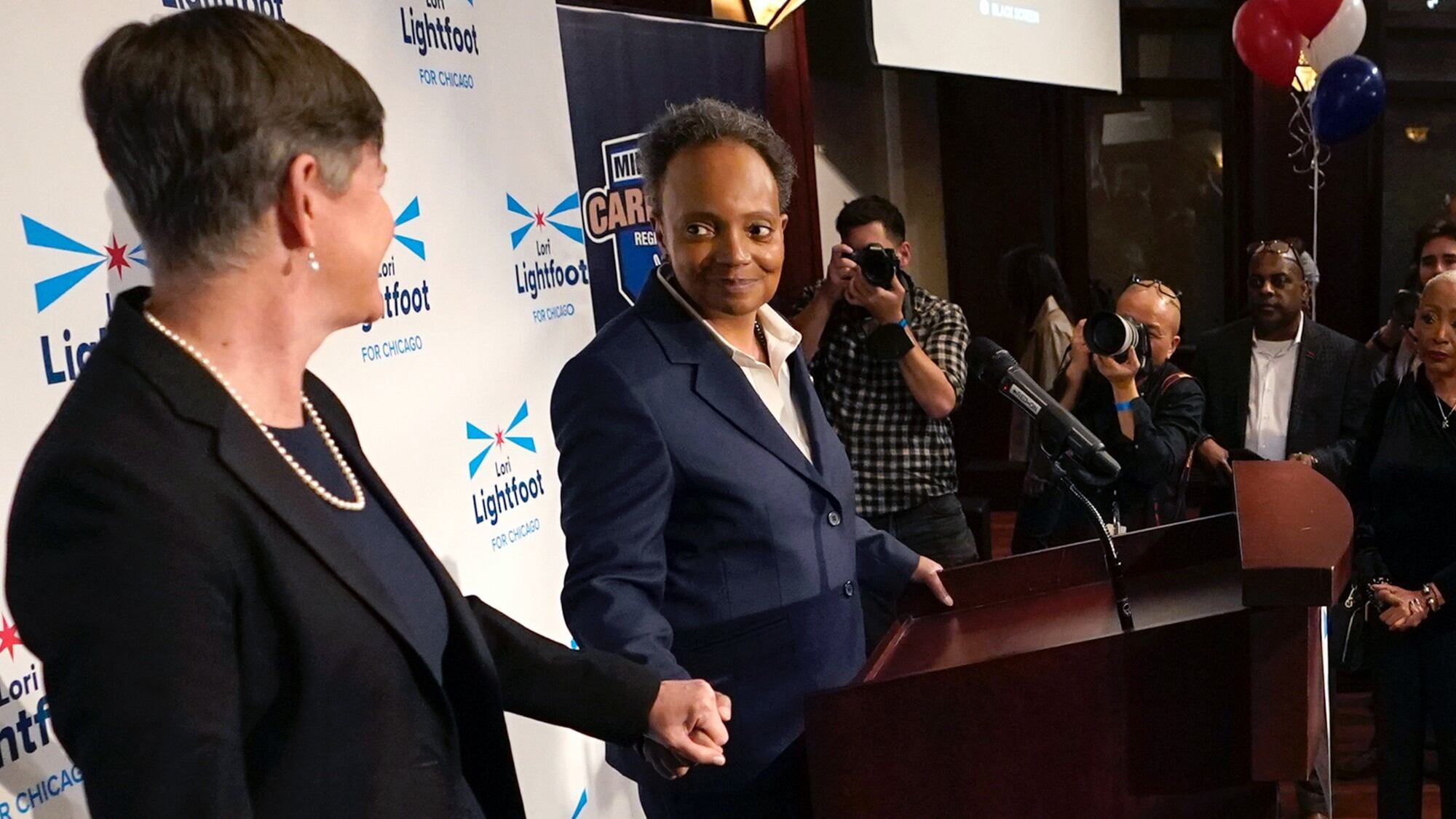
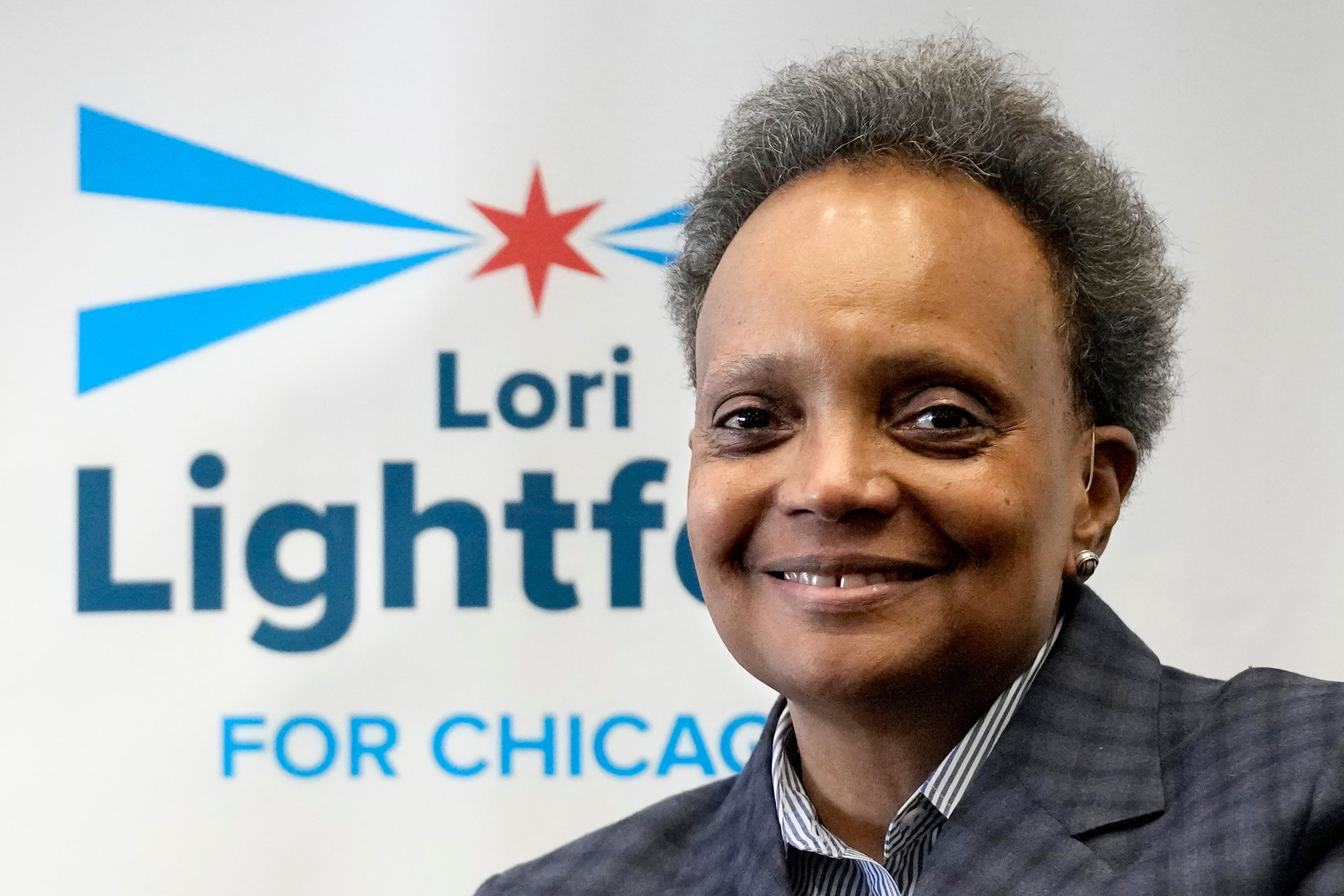
Paul Vallas and Brandon Johnson will meet in a runoff to be the next mayor of Chicago after voters on Tuesday denied incumbent Lori Lightfoot a second term, issuing a rebuke to a leader who made history as head of the nation’s third-largest city.
Chicago Mayor Lori Lightfoot has lost her bid for a second term. None of the nine candidates in Tuesday’s election won more than 50% of the vote, so Paul Vallas and Brandon Johnson will meet in a runoff to succeed her.
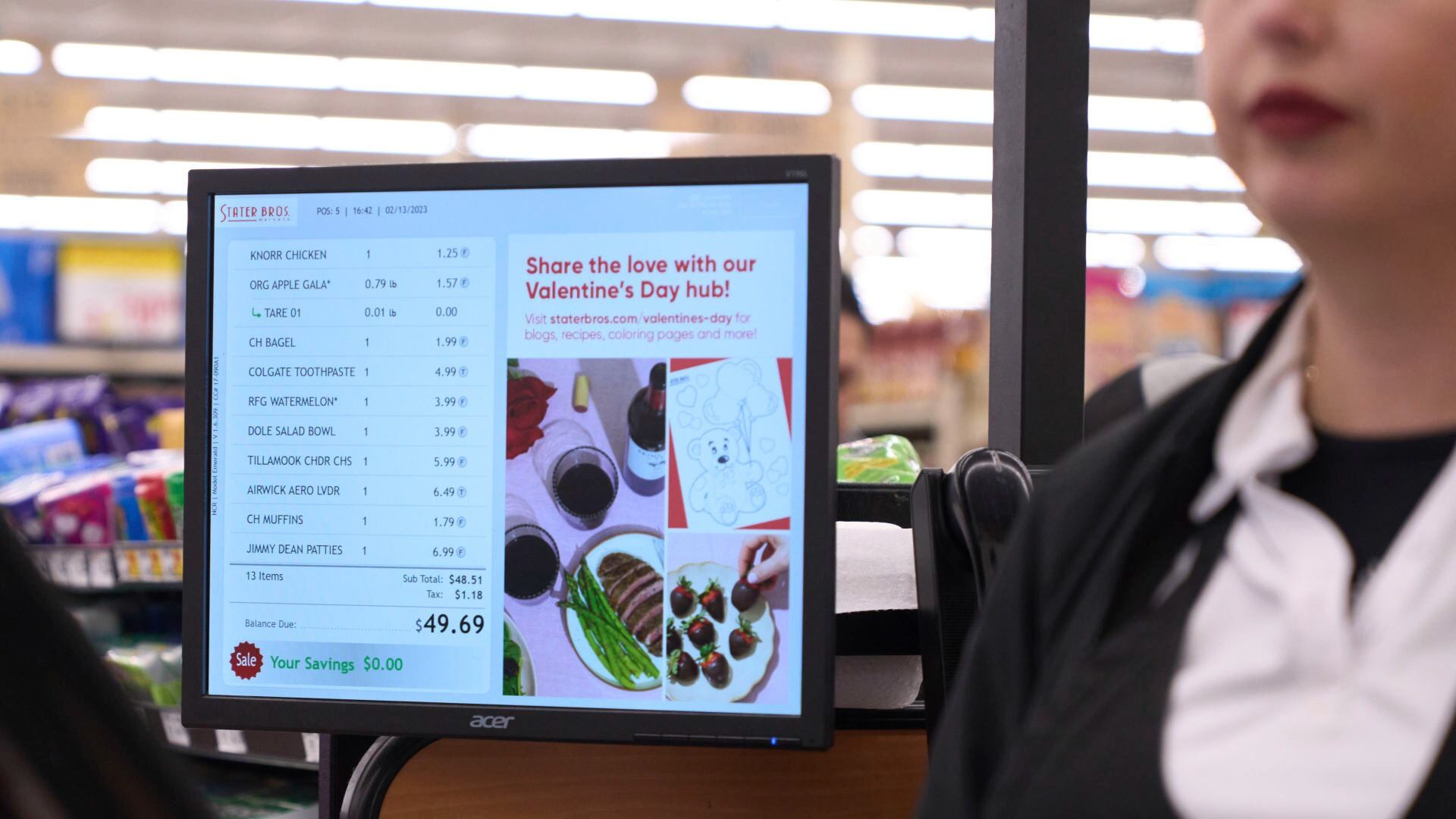
A large cross-section of Americans is at risk of falling below the poverty line as the program that provided more than 32 million people with extra SNAP benefits during the pandemic is set to end. Families received at least $95 extra per month to spend on food.
Conservative justices in the Supreme Court’s majority seem likely to sink President Joe Biden’s plan to wipe away or reduce student loans held by millions of Americans.