*By Bridgette Webb*
Turtle Beach is on a roll.
The headset producer unveiled a new line of gaming gear called Atlas that's specifically designed for PC gamers.
"We are doing the same thing in the PC segment that we are doing in the console headset gaming segment for many years," said Turtle Beach CEO Juergen Stark in an interview Thursday on Cheddar. "We've put a lot of effort in making sure the build quality, the audio quality and the mic quality is the best you can get."
The new headset was introduced after the company reported second-quarter results that blew away analysts' expectations. Net revenue, net income, and earnings were higher than any second quarter since the company's 2014 IPO. Turtle Beach reported $60.8 million in revenue for the quarter ー up from $19.1 million the year before.
Stark attributed Turtle Beach's success to cost cutting on one side of its balance sheet and the booming demand for headsets generated by the popularity of battle royale games Fortnite and PUBG.
As promising a year as it's been so far, Stark said international tariffs could hurt sales of the imported Turtle Beach headsets.
"It will effect retail pricing for us, and for everyone in the category if what people are threatening goes through," he said. "I'm hopeful that it doesn't happen, I don't see how increasing the prices for consumers for everything you buy that's electronic is going to help anybody."
When asked how tariffs would affect the price of gaming headsets, Stark offered a matter-of-fact outlook.
"If there is a 10 percent tariff and you are building a product in China, the retail price point is going to go up 10 percent. If it's a 25 percent tariff that's being threatened, the retailer is it going to go up 25 percent."
For more on this story, [click here](https://cheddar.com/videos/turtle-beach-expands-further-into-pc-gaming).
Prince Harry interviews Barack Obama, Kanye gives Kim top stocks for Christmas, and Americans are expended to send back around $90 billion worth of presents.
Trips with the likes of Gigi Hadid? Check. Microchipping animals on a safari? Check. Affordable? Depends on who you are. This digital concierge is bringing adventures to the one percent.
The experience economy is on the rise as consumers are trending toward spending money on events rather than things. Velocity Black wants to capitalize on the shift with a subscription service app catering to the elite.
Seeking Alpha Author Robert Maltbie joins Cheddar to discuss his "buy" rating on Stamps.com. Projections for an above-average Christmas shopping season and e-commerce participation benefitted this company immensely. Maltbie puts a $250 price target on the company.
Alyssa Julya Smith visited the USC Institute for Technology earlier this month where she learned about research being conducted in virtual reality from audio lead Jamison Moore and assistant professor Ari Shapiro.
Hundreds of people took to Twitter over the weekend to post pictures of what looked like a UFO over California. Unfortunately for alien enthusiasts, the object in question was just one of SpaceX's Falcon 9 rockets.
Matt Harrigan, co-founder at Grand Central Tech, says that New York City is the second most invested-in tech hub.
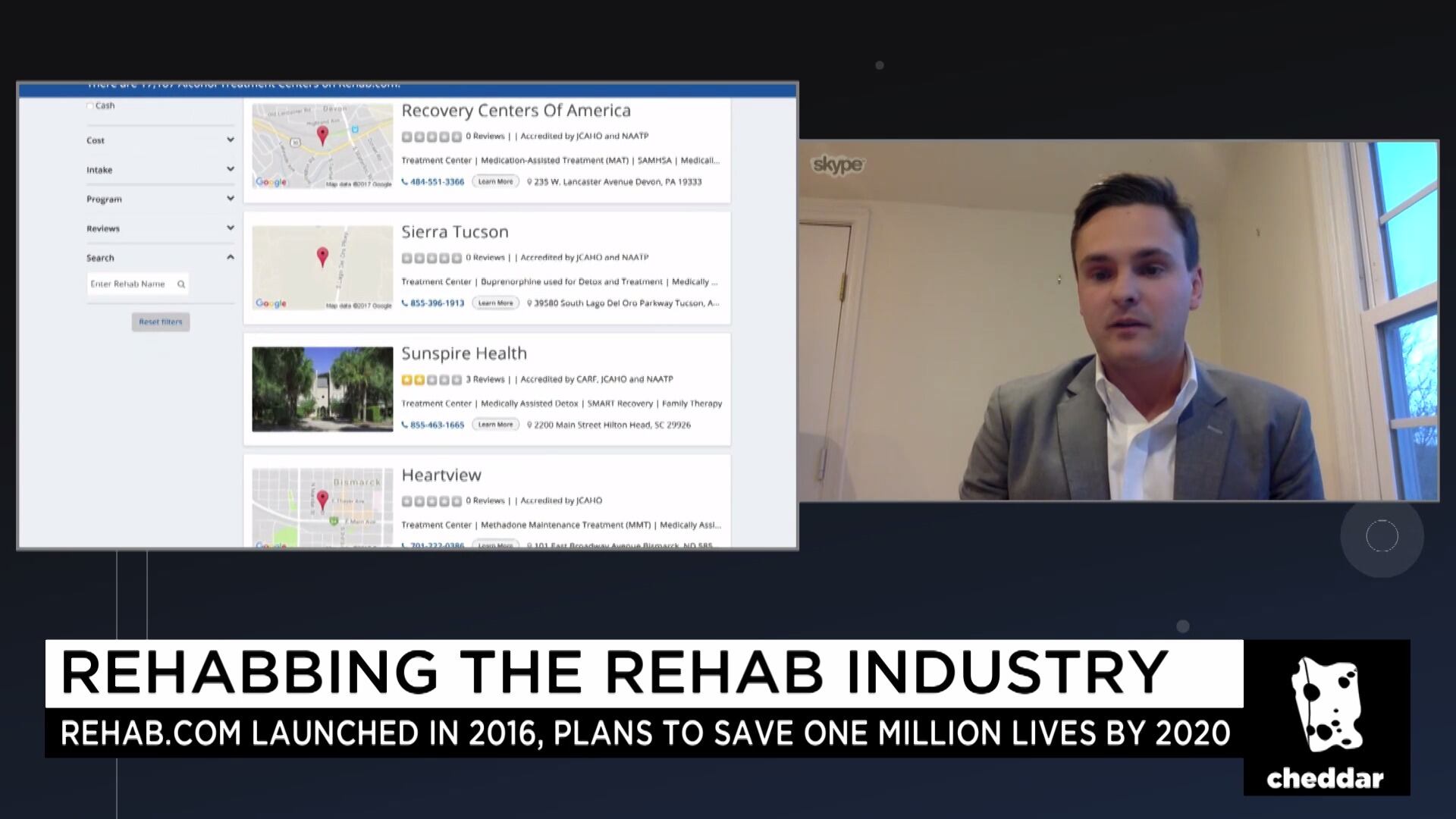
The rehab industry is getting a digital intervention. Kyle Rice is the co-founder of rehab.com and joins Cheddar to discuss his company's transparent overhaul to the treatment industry.
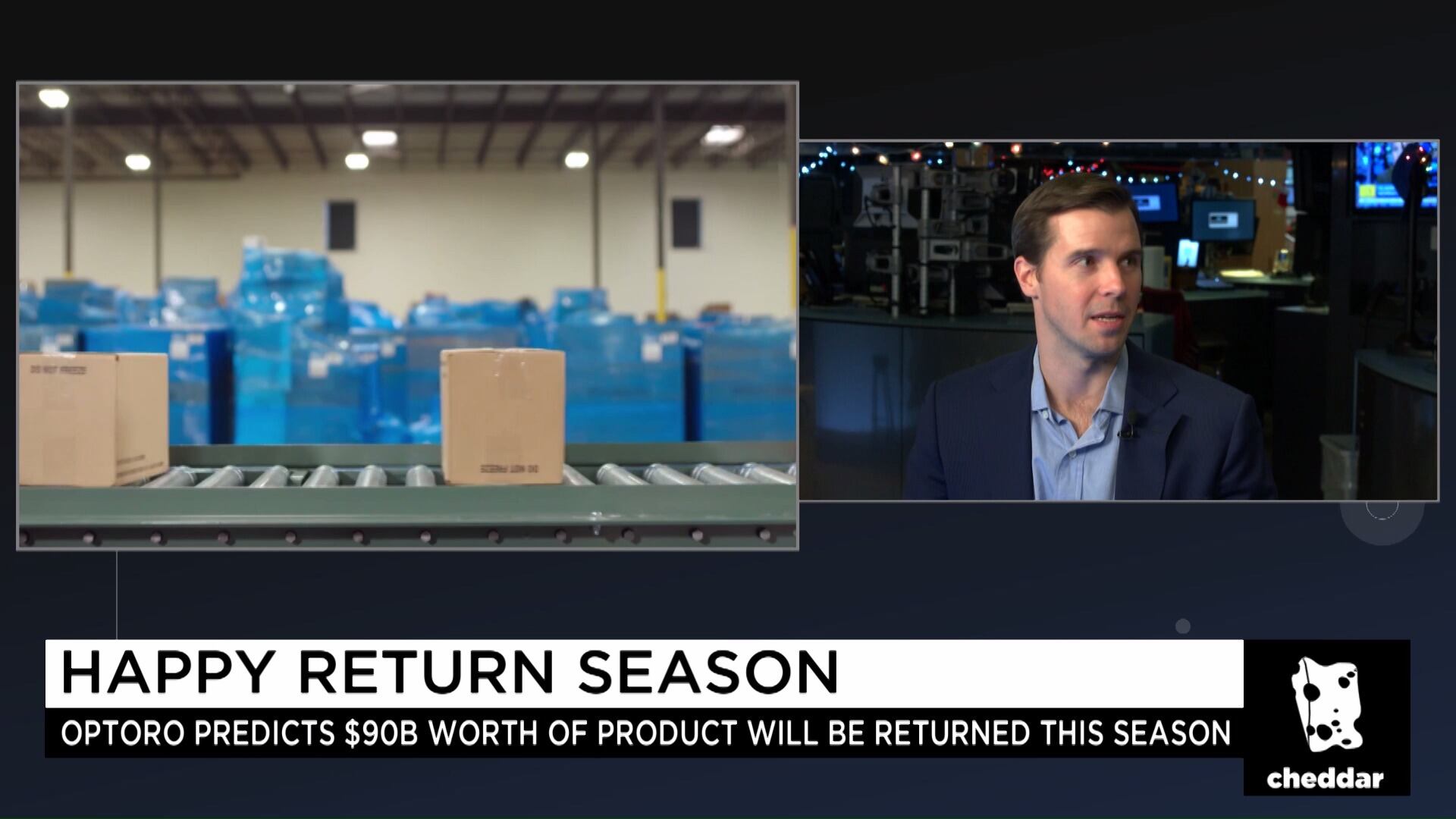
Now that the holidays have passed, we are officially in return season! Americans return about $380 billion worth of merchandise each year, and around 1/4th of the returns happen around the holidays. With shipping, storage, and re-sale complications, returns can be a major headache for retailers. Tobin Moore is the CEO and founder of Optoro, a reverse logistics technology company that helps major retailers manage their returns.
Wal-Mart is headed into 2018 with big technology goals including personal shopping via text message and cashier-less stores. Ted Rubin gives his take on these big retail moves.