*By Bridgette Webb*
Turtle Beach is on a roll.
The headset producer unveiled a new line of gaming gear called Atlas that's specifically designed for PC gamers.
"We are doing the same thing in the PC segment that we are doing in the console headset gaming segment for many years," said Turtle Beach CEO Juergen Stark in an interview Thursday on Cheddar. "We've put a lot of effort in making sure the build quality, the audio quality and the mic quality is the best you can get."
The new headset was introduced after the company reported second-quarter results that blew away analysts' expectations. Net revenue, net income, and earnings were higher than any second quarter since the company's 2014 IPO. Turtle Beach reported $60.8 million in revenue for the quarter ー up from $19.1 million the year before.
Stark attributed Turtle Beach's success to cost cutting on one side of its balance sheet and the booming demand for headsets generated by the popularity of battle royale games Fortnite and PUBG.
As promising a year as it's been so far, Stark said international tariffs could hurt sales of the imported Turtle Beach headsets.
"It will effect retail pricing for us, and for everyone in the category if what people are threatening goes through," he said. "I'm hopeful that it doesn't happen, I don't see how increasing the prices for consumers for everything you buy that's electronic is going to help anybody."
When asked how tariffs would affect the price of gaming headsets, Stark offered a matter-of-fact outlook.
"If there is a 10 percent tariff and you are building a product in China, the retail price point is going to go up 10 percent. If it's a 25 percent tariff that's being threatened, the retailer is it going to go up 25 percent."
For more on this story, [click here](https://cheddar.com/videos/turtle-beach-expands-further-into-pc-gaming).
Duracell's "PowerForward" initiative is working to help relief efforts in Puerto Rico after it was devastated by Hurricane Maria. Alfonso Arteaga, Senior Brand Manager at the company, explains how Duracell is providing internet access to those in need.
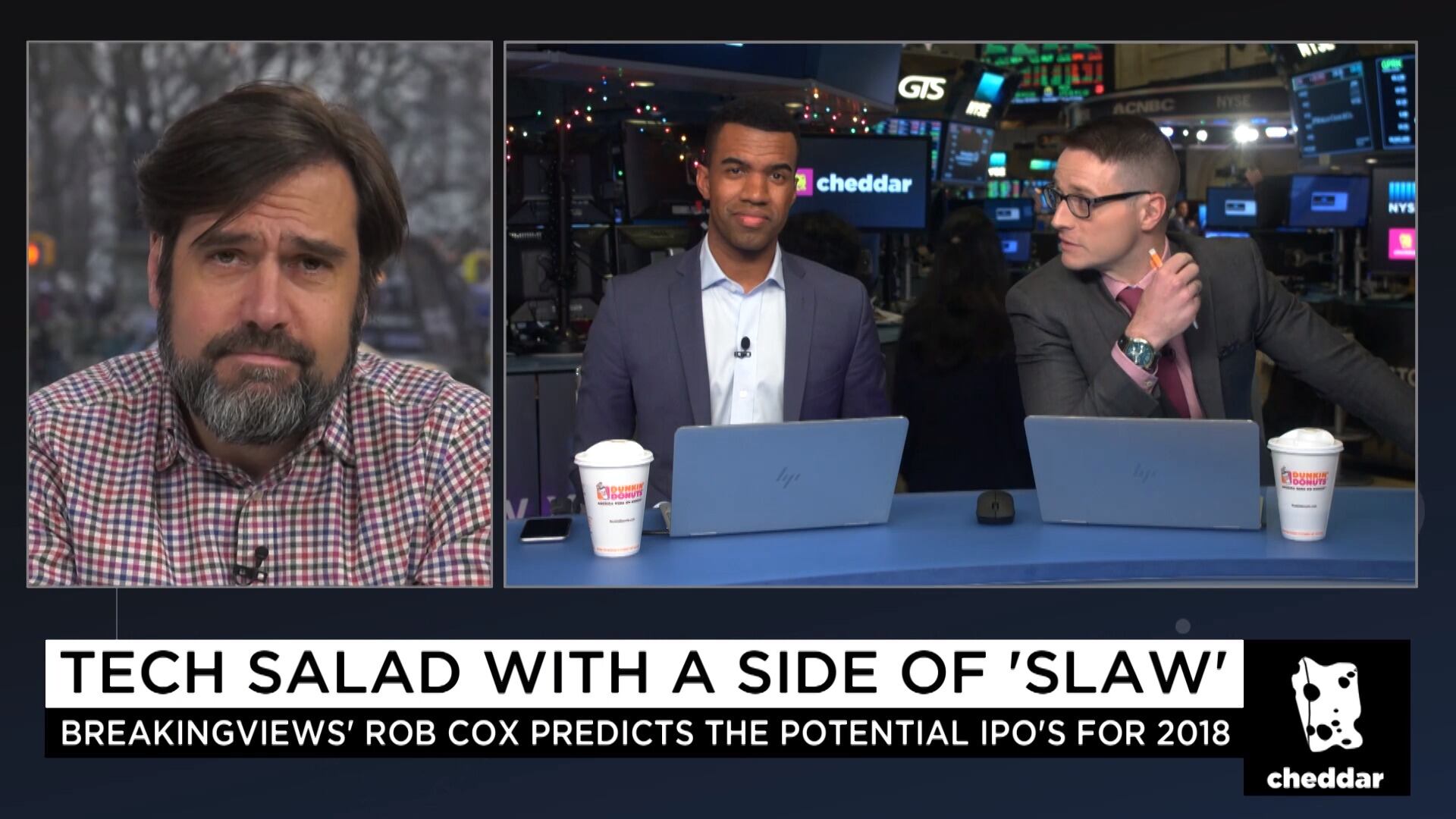
Four major technology companies potentially eyeing an IPO in 2018 include Spotify, Lyft, Airbnb, and WeWork. Reuter's Breaking Views Global Editor Rob Cox shares why these companies are poised for further disruption in their marketplaces.
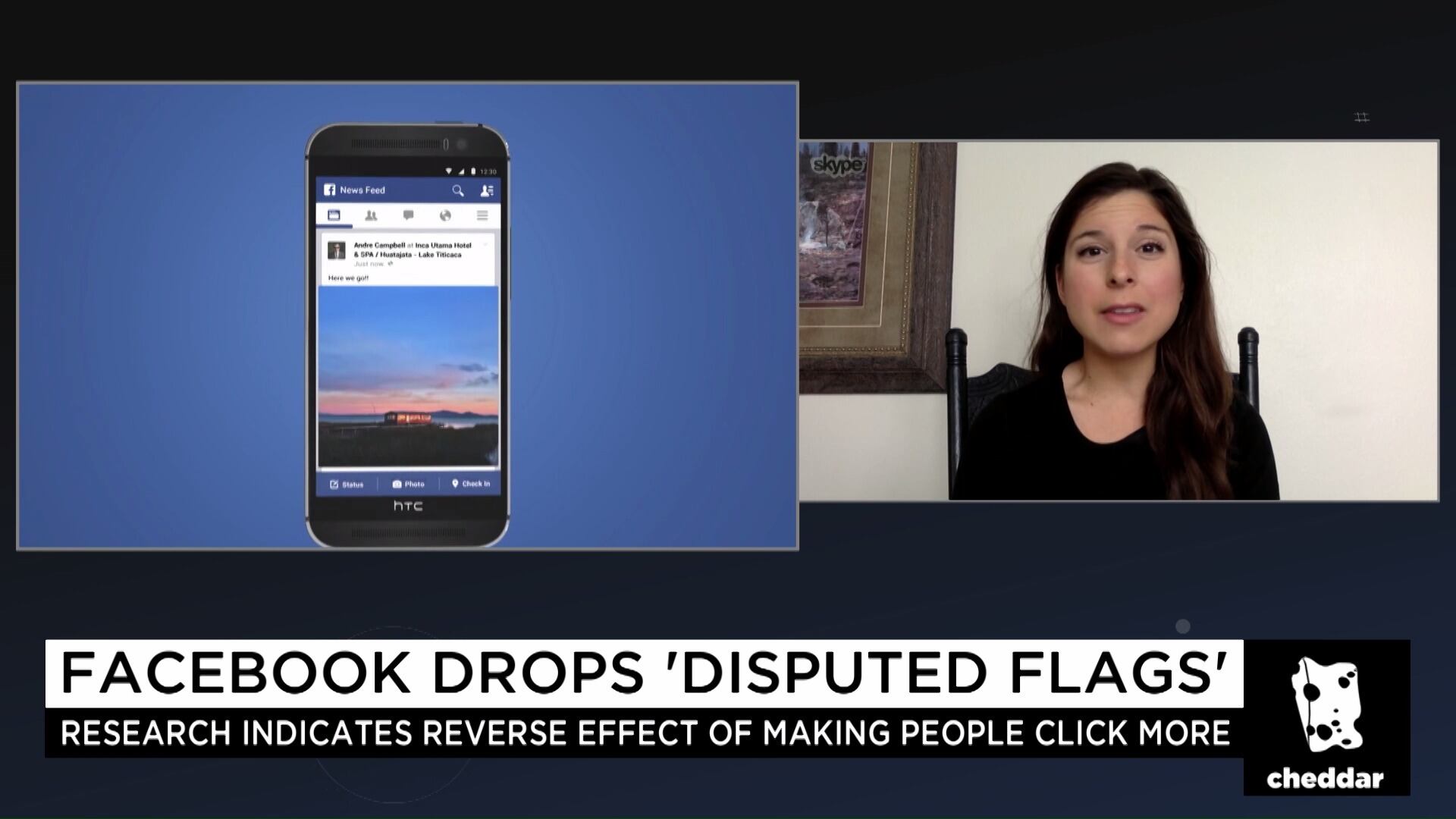
Facebook is no longer using red flags next to fake news articles according to a new report by Axios. Sara Fischer, Media Reporter at Axios, explains why the social media giant is shifting its strategy, and her outlook for the digital ad space in 2018.
Between Bells: Motor Trend's Car, Truck, and SUV of the year, the top entertainment stories of 2017, and gearing up for recreational cannabis legalization in 2018. We're joined by Cannabis Culture, Rare Media, PCMag, Hollywood Life and more.
Rob Cox, the Global Editor of Reuters Breakingviews, says that these private companies (Spotify, Lyft, Airbnb, and WeWork) have the potential to change the landscape as they go public.
Communities around the country are beginning to recognize the importance of computer science education, but only one city is devoting an entire month to the cause. Chicago City of Learning's Sybil Madison-Boyd joins Cheddar to tell us all about the Windy City's Month of Code initiative.
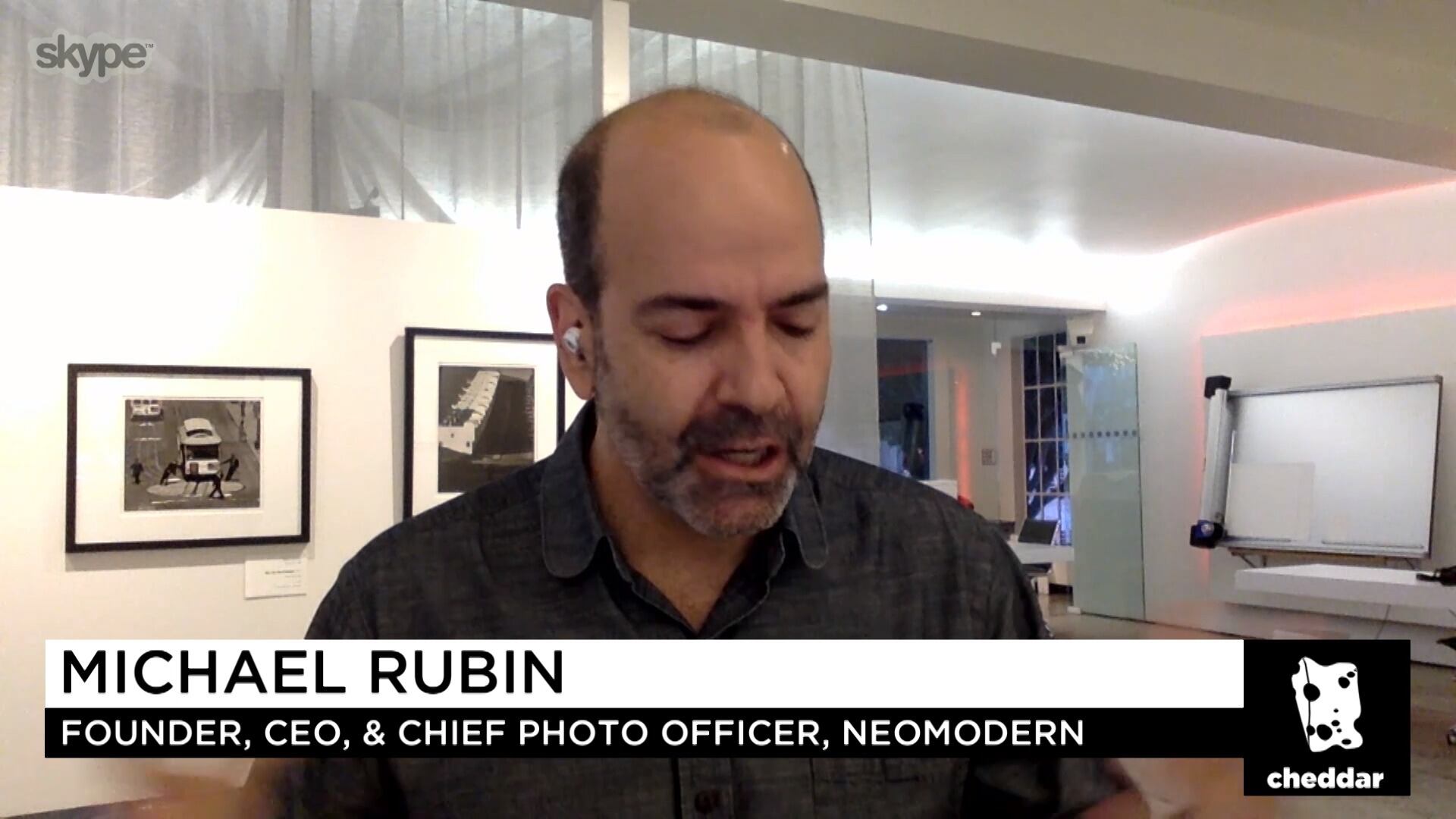
With high-quality cameras built into every smartphone, it has never been easier to snap a photo. Now, Neomodern wants to help you turn those beautiful pics into printed and framed pieces of art.
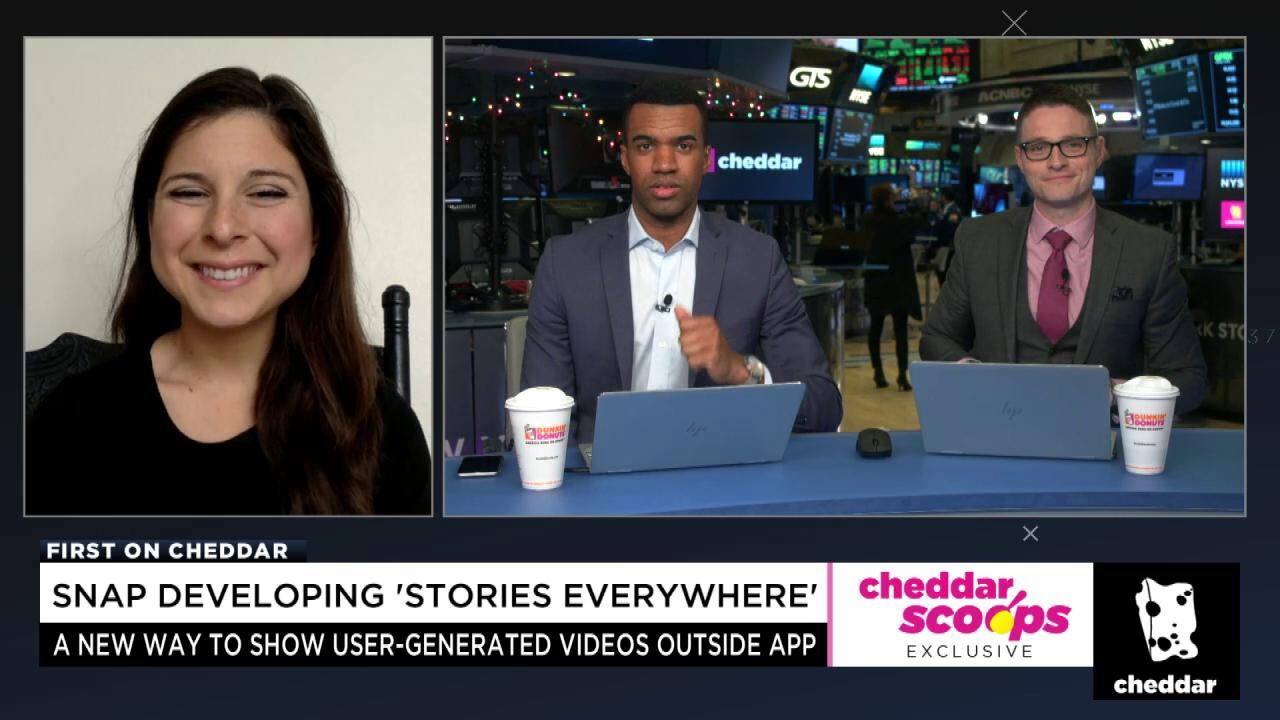
Fischer reacts to the Cheddar Scoops story. She compares Facebook and Snap and says that pushing content out of the app is a very smart decision.
No car company is making more headlines right now than Tesla, but can the electric vehicle company stay ahead in the battle for electric car dominance?
Prince Harry interviews Barack Obama, Kanye gives Kim top stocks for Christmas, and Americans are expended to send back around $90 billion worth of presents.