*By Bridgette Webb*
Turtle Beach is on a roll.
The headset producer unveiled a new line of gaming gear called Atlas that's specifically designed for PC gamers.
"We are doing the same thing in the PC segment that we are doing in the console headset gaming segment for many years," said Turtle Beach CEO Juergen Stark in an interview Thursday on Cheddar. "We've put a lot of effort in making sure the build quality, the audio quality and the mic quality is the best you can get."
The new headset was introduced after the company reported second-quarter results that blew away analysts' expectations. Net revenue, net income, and earnings were higher than any second quarter since the company's 2014 IPO. Turtle Beach reported $60.8 million in revenue for the quarter ー up from $19.1 million the year before.
Stark attributed Turtle Beach's success to cost cutting on one side of its balance sheet and the booming demand for headsets generated by the popularity of battle royale games Fortnite and PUBG.
As promising a year as it's been so far, Stark said international tariffs could hurt sales of the imported Turtle Beach headsets.
"It will effect retail pricing for us, and for everyone in the category if what people are threatening goes through," he said. "I'm hopeful that it doesn't happen, I don't see how increasing the prices for consumers for everything you buy that's electronic is going to help anybody."
When asked how tariffs would affect the price of gaming headsets, Stark offered a matter-of-fact outlook.
"If there is a 10 percent tariff and you are building a product in China, the retail price point is going to go up 10 percent. If it's a 25 percent tariff that's being threatened, the retailer is it going to go up 25 percent."
For more on this story, [click here](https://cheddar.com/videos/turtle-beach-expands-further-into-pc-gaming).
Mark Hibben, author at Seeking Alpha, is following ASML Holdings as his "Idea of the Month." He weighs in on competition in the chip equipment space and the company's development of EUV lithography technology.
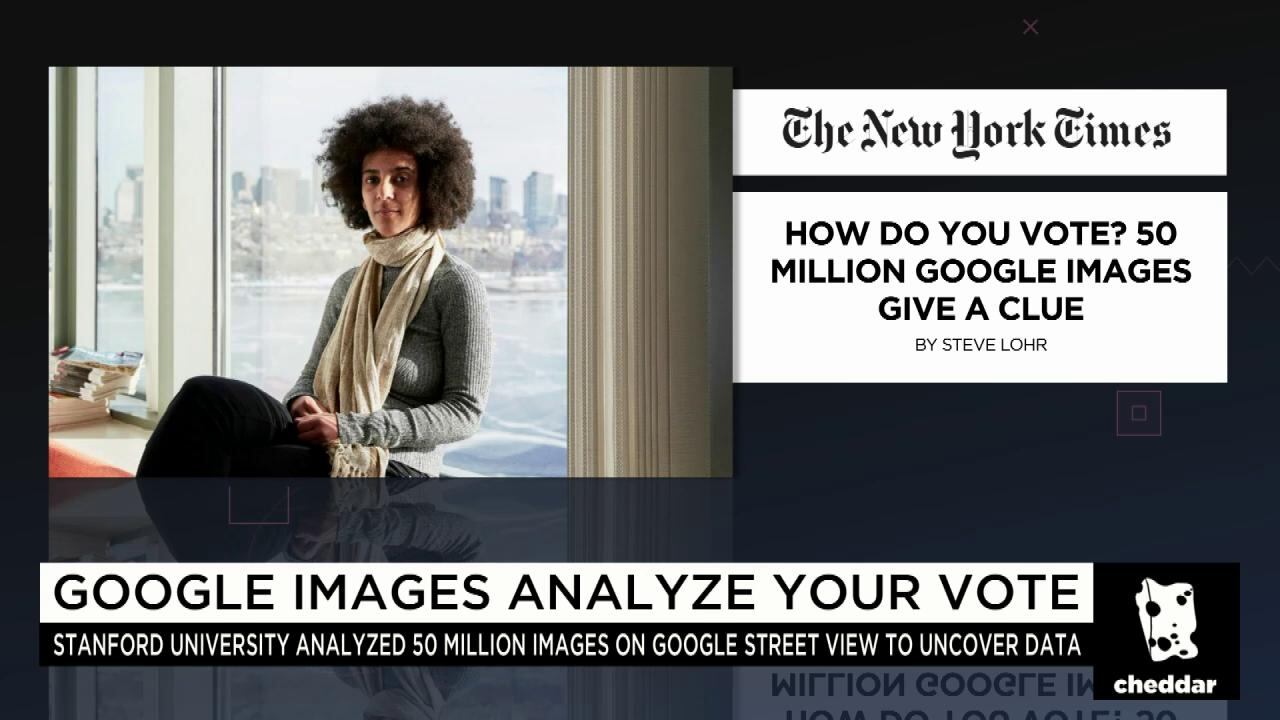
New York Times reporter Steve Lohr says that the study analyzed the makes and models of cars captured by the tech giant's Street View feature to make predictions on voting and even pollution.
Between Bells: Californians lining up for recreational marijuana, Hollywood's A-List women say 'Time's Up' on workplace harassment, and can Dems get a DACA deal? We're joined by Fast Company, Cannabis Culture, Bossip.com, TechnoBuffalo, Conservative Review and more.
When you are sitting around with nothing to do, lots of consumers mindlessly pick up their phone and scroll on any one of their social media apps. That is why Dabbl wanted to optimize on this downtime. Dabbl is a new app and website that allows consumers to interact with branded content in exchange for points and cash at some of their favorite retailers.
Cloud-based password manager LastPass recently fixed a security flaw in its authenticator app. The company's Vice President Cid Ferrara explains how it recently revamped procedures for reporting issues, and is offering new features for consumers and businesses.
Software company Cvent is working to help businesses better understand how attendees are responding to their events. The company's Chief Marketing Officer Patrick Smith explains how its technology works for both event planners and venues.
What has your phone done for you, lately? The past year was a big year one for mobile technology, with advancements in facial recognition, augmented reality, and more. But what does your phone need to do for you in 2018?
Sean Aune, Editor-in-Chief of Technobuffalo tells us what the mobile industry has to do to keep business this year.
From blockchain to Amazon's dominance, look for last year's biggest business stories to carry into 2018. Fast Company's Noah Robischon joins Cheddar to preview the trends to watch for in the new year.
The top headlines in politics, tech, and entertainment.
Social media networks now face a fine of over $50 million in Germany if reported hate speech is not taken down within 24 hours, or seven days in complicated cases. Phillip Tracy, Tech Writer at The Daily Dot, joins Cheddar to discuss the new laws.