*By Bridgette Webb*
Turtle Beach is on a roll.
The headset producer unveiled a new line of gaming gear called Atlas that's specifically designed for PC gamers.
"We are doing the same thing in the PC segment that we are doing in the console headset gaming segment for many years," said Turtle Beach CEO Juergen Stark in an interview Thursday on Cheddar. "We've put a lot of effort in making sure the build quality, the audio quality and the mic quality is the best you can get."
The new headset was introduced after the company reported second-quarter results that blew away analysts' expectations. Net revenue, net income, and earnings were higher than any second quarter since the company's 2014 IPO. Turtle Beach reported $60.8 million in revenue for the quarter ー up from $19.1 million the year before.
Stark attributed Turtle Beach's success to cost cutting on one side of its balance sheet and the booming demand for headsets generated by the popularity of battle royale games Fortnite and PUBG.
As promising a year as it's been so far, Stark said international tariffs could hurt sales of the imported Turtle Beach headsets.
"It will effect retail pricing for us, and for everyone in the category if what people are threatening goes through," he said. "I'm hopeful that it doesn't happen, I don't see how increasing the prices for consumers for everything you buy that's electronic is going to help anybody."
When asked how tariffs would affect the price of gaming headsets, Stark offered a matter-of-fact outlook.
"If there is a 10 percent tariff and you are building a product in China, the retail price point is going to go up 10 percent. If it's a 25 percent tariff that's being threatened, the retailer is it going to go up 25 percent."
For more on this story, [click here](https://cheddar.com/videos/turtle-beach-expands-further-into-pc-gaming).
Amazon's Alexa has made its way into augmented reality smart glasses. Paul Boris, Chief Operating Officer at Vuzix, showcases the company's integration of voice-technology into its glasses at CES in Las Vegas.
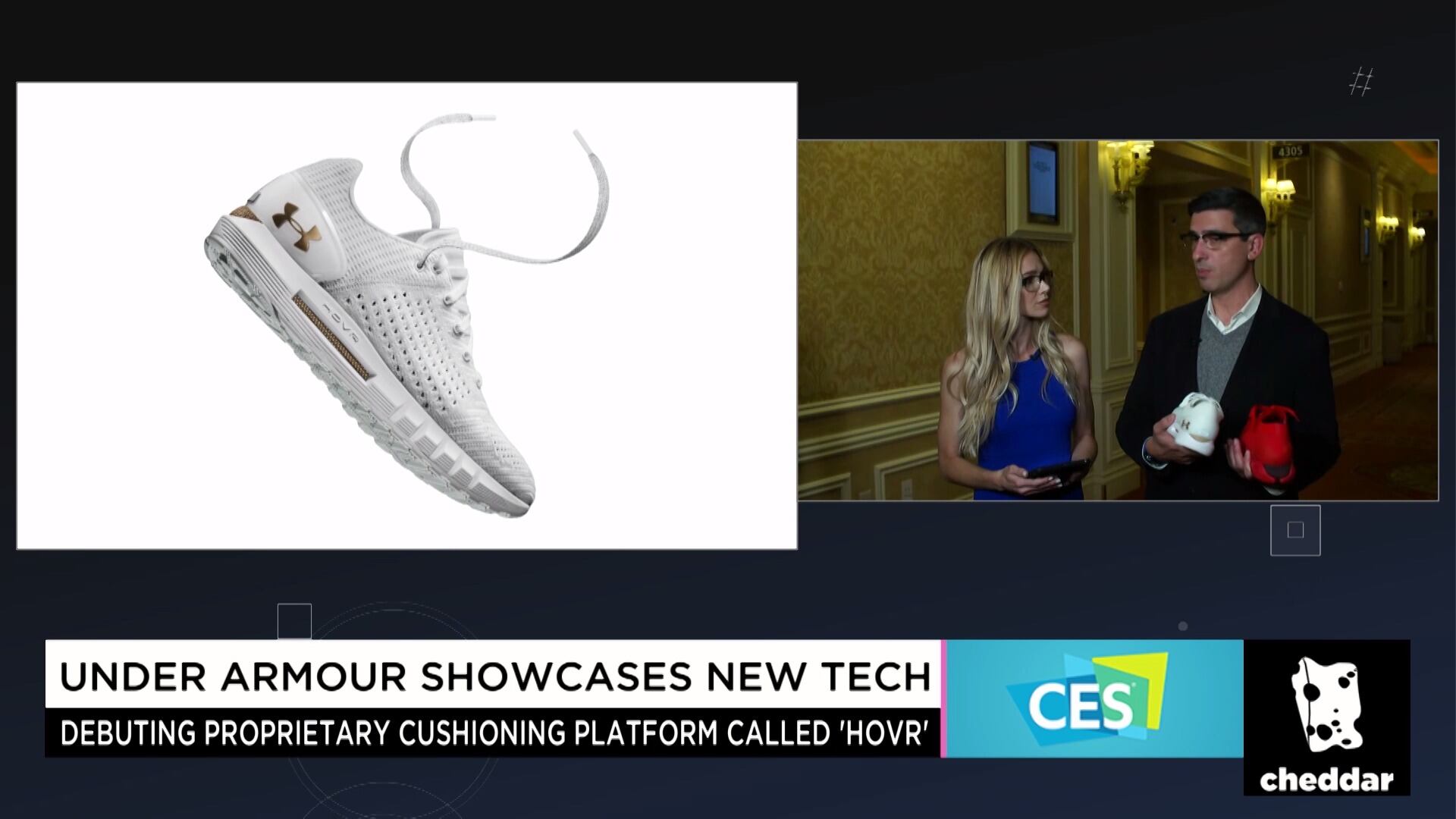
2017 was not an easy year for Under Armour, as the stock fell over 50%. Jim Mollica, Head of Global Consumer Engagement and Digital Marketing at Under Armour, discusses how the company is using technology to revitalize the brand.
Cheddar kicks off the start of CannaBiz. The weekly special is dedicated to the business of marijuana. We will dive into the growing marketplace, landscape for regulation, and ways people and businesses are capitalizing on the space.
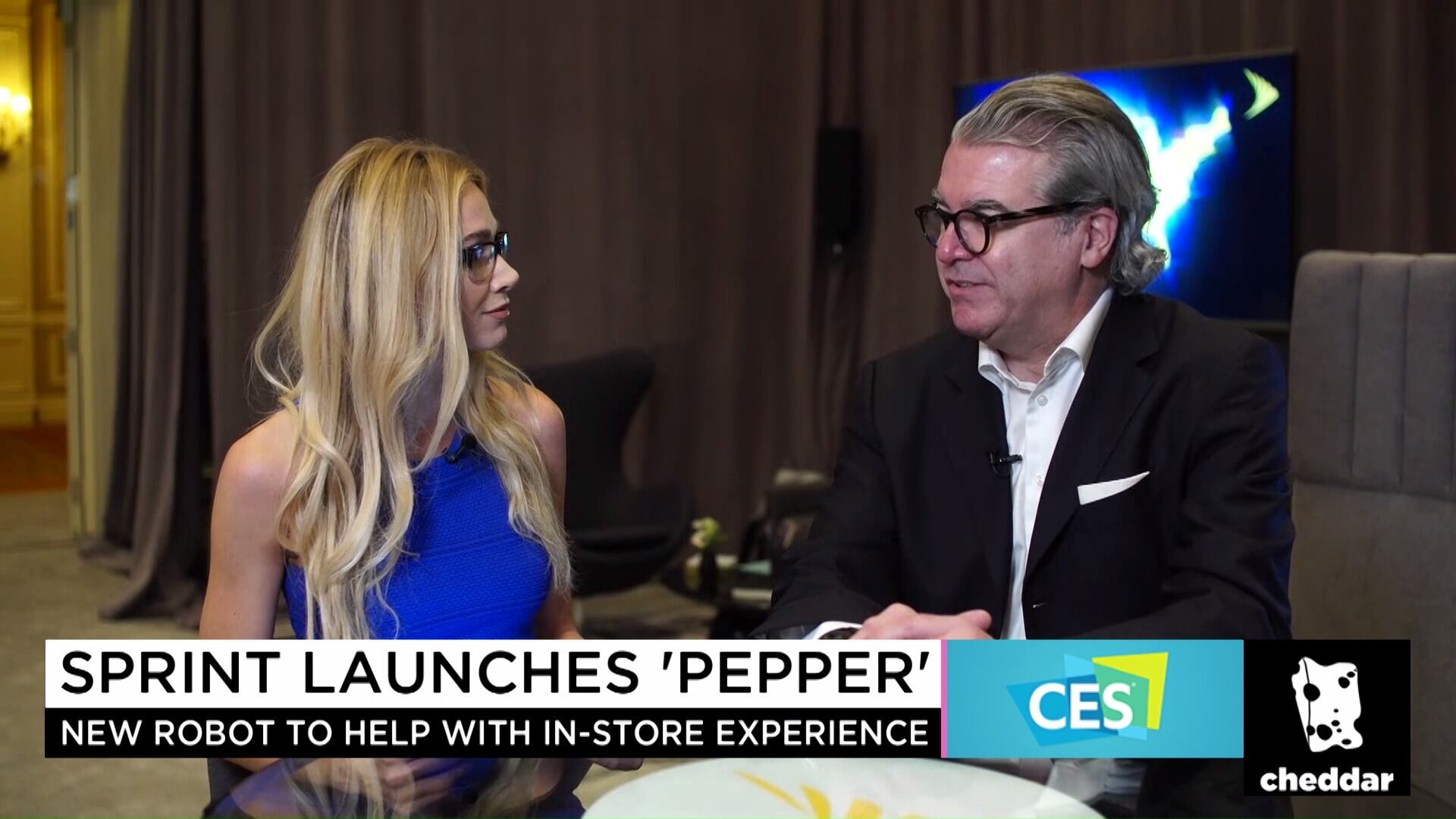
The next time you walk into a Sprint store you could be greeted by their newest employee, the humanoid robot "Pepper." Pepper uses machine learning and artificial intelligence to greet customers and work with them throughout their Sprint store experience. Pepper is already in some stores across America.
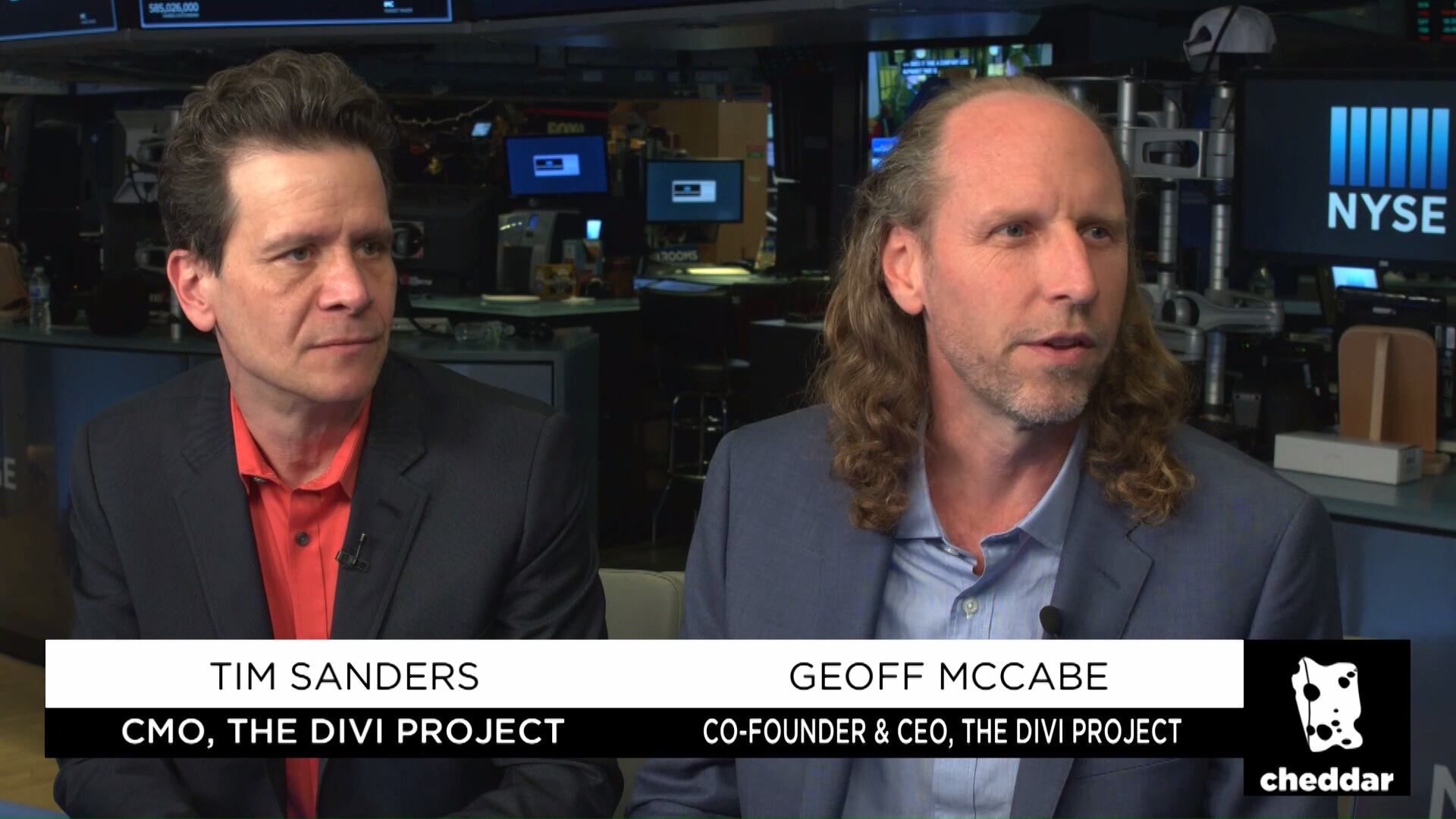
Divi Coins wants to make their cryptocurrency as convenient and accessible as possible. The Divi Project is a new crypto company that closed their initial coin sale in November. The new crypto is looking to replace exchanges like Paypal or Venmo.
Uber could help you commute to your job in the air by 2020. The innovators behind Uber Elevate discuss when the product will be ready, what to expect from the future of air travel in cities, and just what to expect pricing wise. Spoiler alert: Uber Elevate could be the same price as ordering an Uber X.
Many entrepreneurs are capitalizing on the growing Marijuana market. GreenWave Advisors Founder and Managing Partner Matt Karnes explains the opportunity he sees in this space.
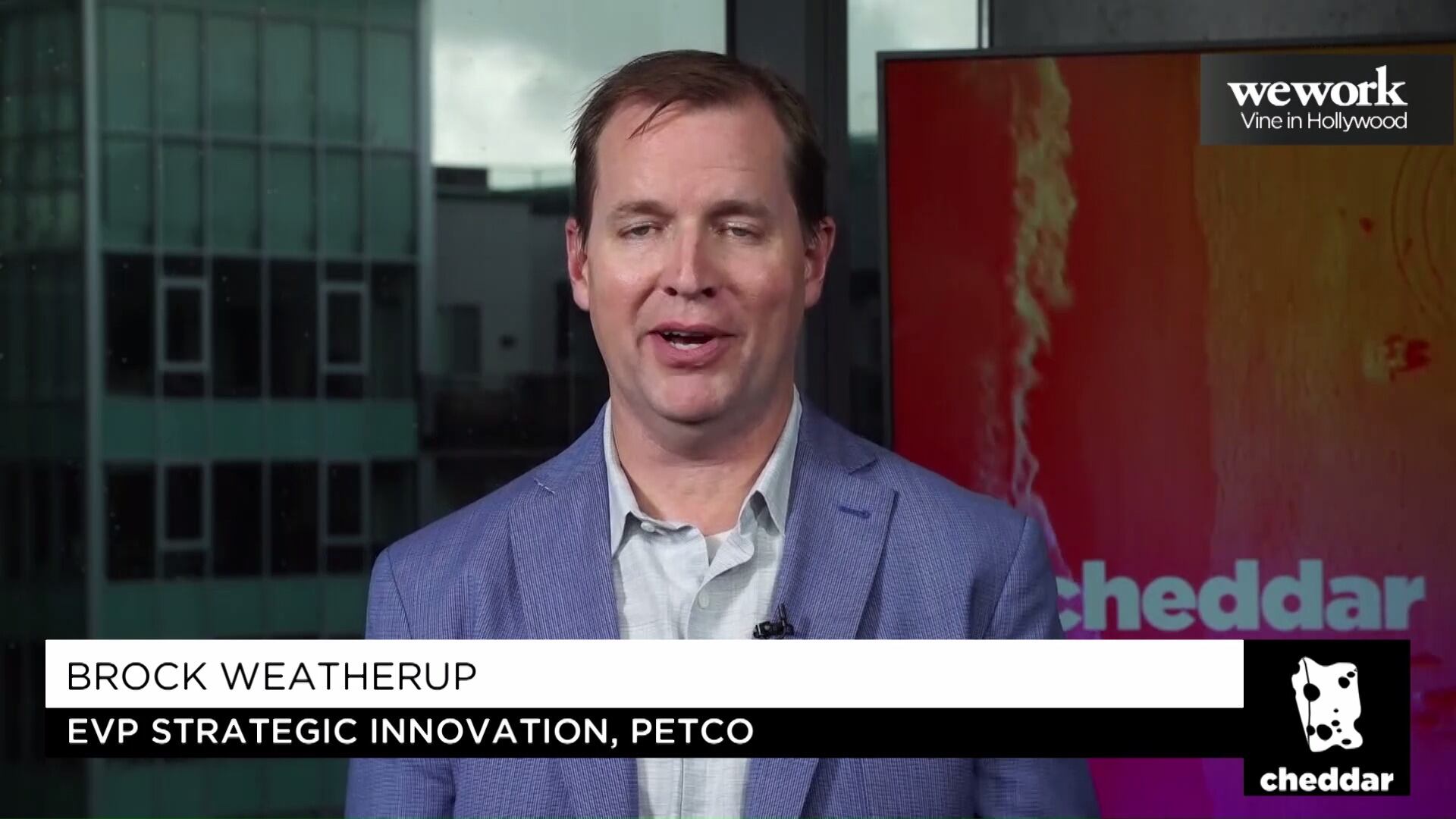
Every major business is trying to compete in the Amazon-driven marketplace, and Petco is doing the same thing with the recent appointment of Brock Weatherby. The digital executive was appointed EVP of Strategic Innovations for the pet brand in April 2017.
One of the key themes at this year's CES is connected car technology. Cheddar's Jon Steinberg speaks with Blackberry Chief Marketing Officer Mark Wilson about how its technology is powering autonomous vehicle technology.
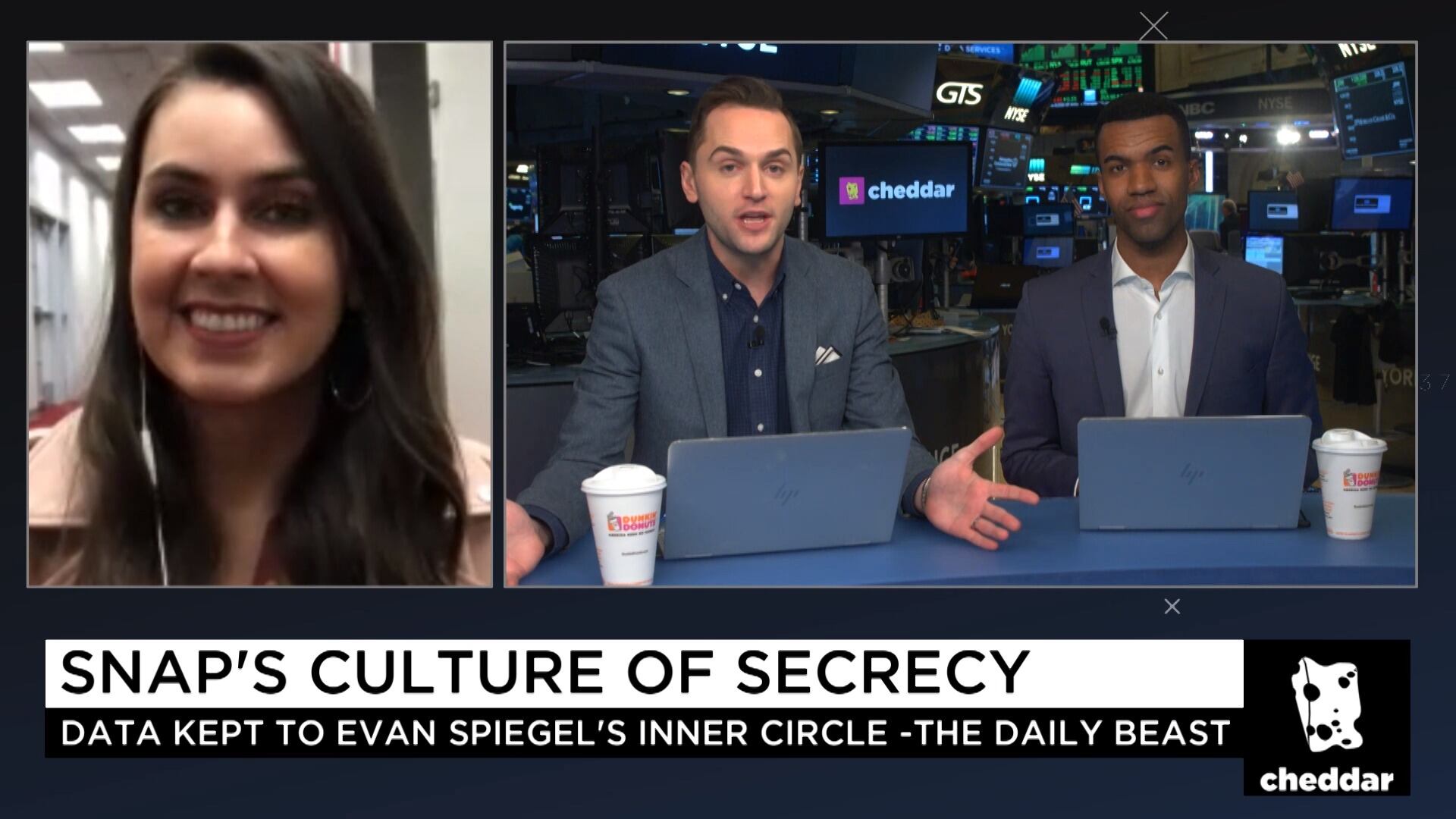
Snap keeps its data very close to its vest according to a report in The Daily Beast. The publication's tech reporter Taylor Lorenz who broke this story explains data she uncovered that suggests Snapchat is much more of a chat app than previously perceived.