*By Bridgette Webb*
Turtle Beach is on a roll.
The headset producer unveiled a new line of gaming gear called Atlas that's specifically designed for PC gamers.
"We are doing the same thing in the PC segment that we are doing in the console headset gaming segment for many years," said Turtle Beach CEO Juergen Stark in an interview Thursday on Cheddar. "We've put a lot of effort in making sure the build quality, the audio quality and the mic quality is the best you can get."
The new headset was introduced after the company reported second-quarter results that blew away analysts' expectations. Net revenue, net income, and earnings were higher than any second quarter since the company's 2014 IPO. Turtle Beach reported $60.8 million in revenue for the quarter ー up from $19.1 million the year before.
Stark attributed Turtle Beach's success to cost cutting on one side of its balance sheet and the booming demand for headsets generated by the popularity of battle royale games Fortnite and PUBG.
As promising a year as it's been so far, Stark said international tariffs could hurt sales of the imported Turtle Beach headsets.
"It will effect retail pricing for us, and for everyone in the category if what people are threatening goes through," he said. "I'm hopeful that it doesn't happen, I don't see how increasing the prices for consumers for everything you buy that's electronic is going to help anybody."
When asked how tariffs would affect the price of gaming headsets, Stark offered a matter-of-fact outlook.
"If there is a 10 percent tariff and you are building a product in China, the retail price point is going to go up 10 percent. If it's a 25 percent tariff that's being threatened, the retailer is it going to go up 25 percent."
For more on this story, [click here](https://cheddar.com/videos/turtle-beach-expands-further-into-pc-gaming).
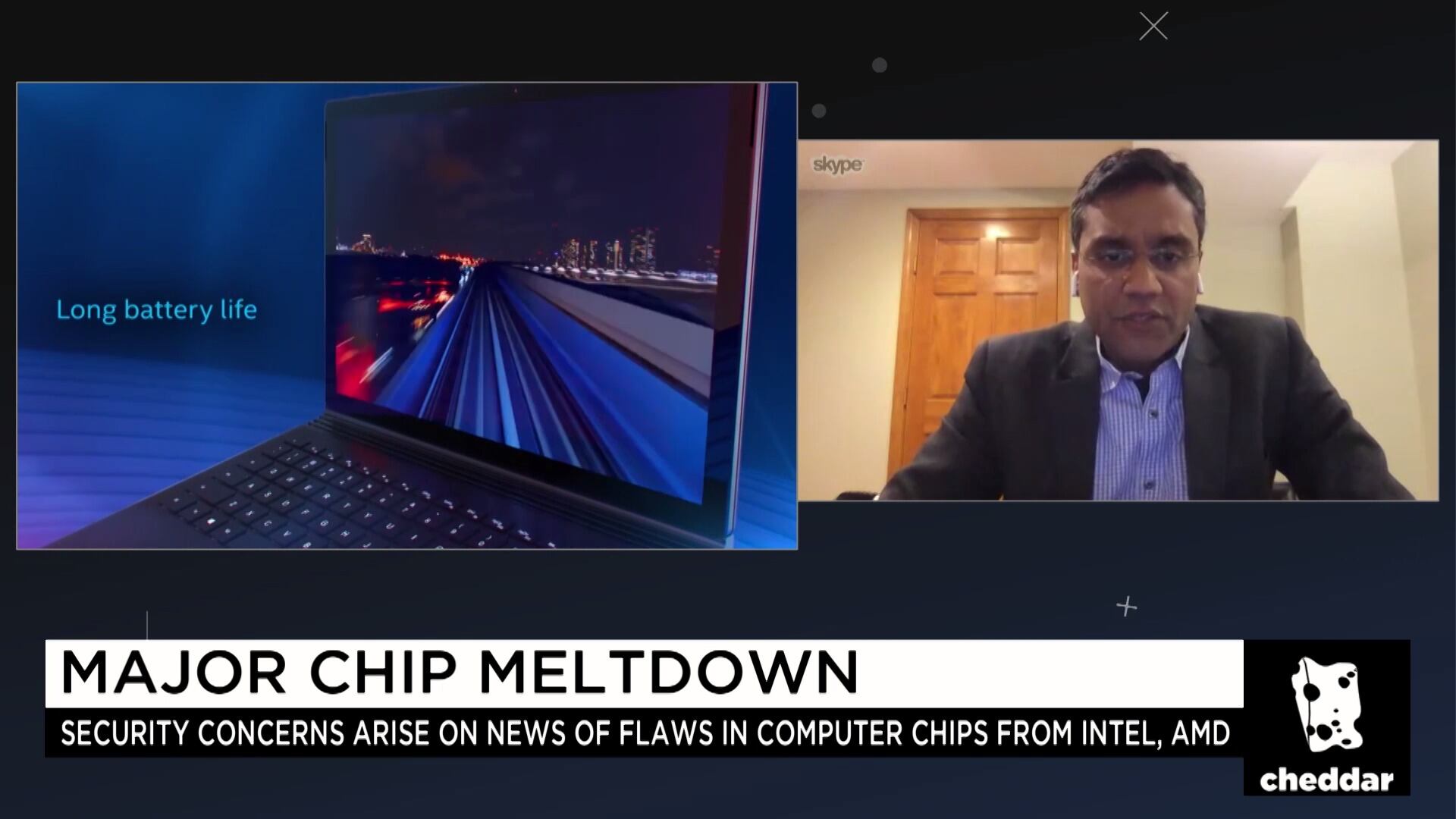
Design flaws in chips from chipmakers such as Intel, AMD, and ARM have put millions of devices at risk of being attacked by hackers. Mayank Choudhary, VP of Product at OberserveIT, was with us to explain how it happened and what consumers can do to protect themselves.
Atif Rafiq, Chief Digital Officer at Volvo, says the automaker's goal is to make apps such as Spotify and Apple Music easier to use while driving.
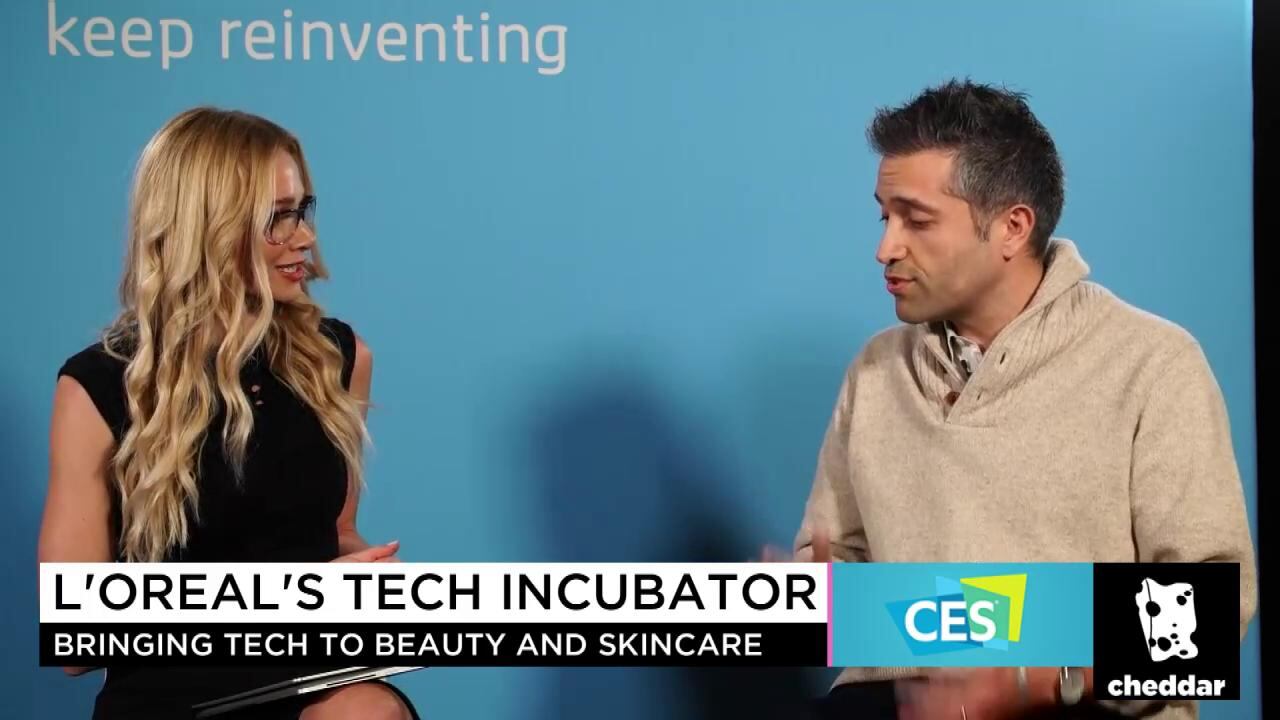
Guive Balooch, Global Vice President of L'Oréal's Technology Incubator, unveils new UV Sense that sicks to your nails to measure sun damage.
On VF Hive, we're joined by the crew at Vanity Fair's Hive to discuss Oprah's White House ambitions and Steve Bannon's next moves. Then on Between Bells, we break down the new allegations against James Franco and the Lavar Ball drama sweeping the NBA.
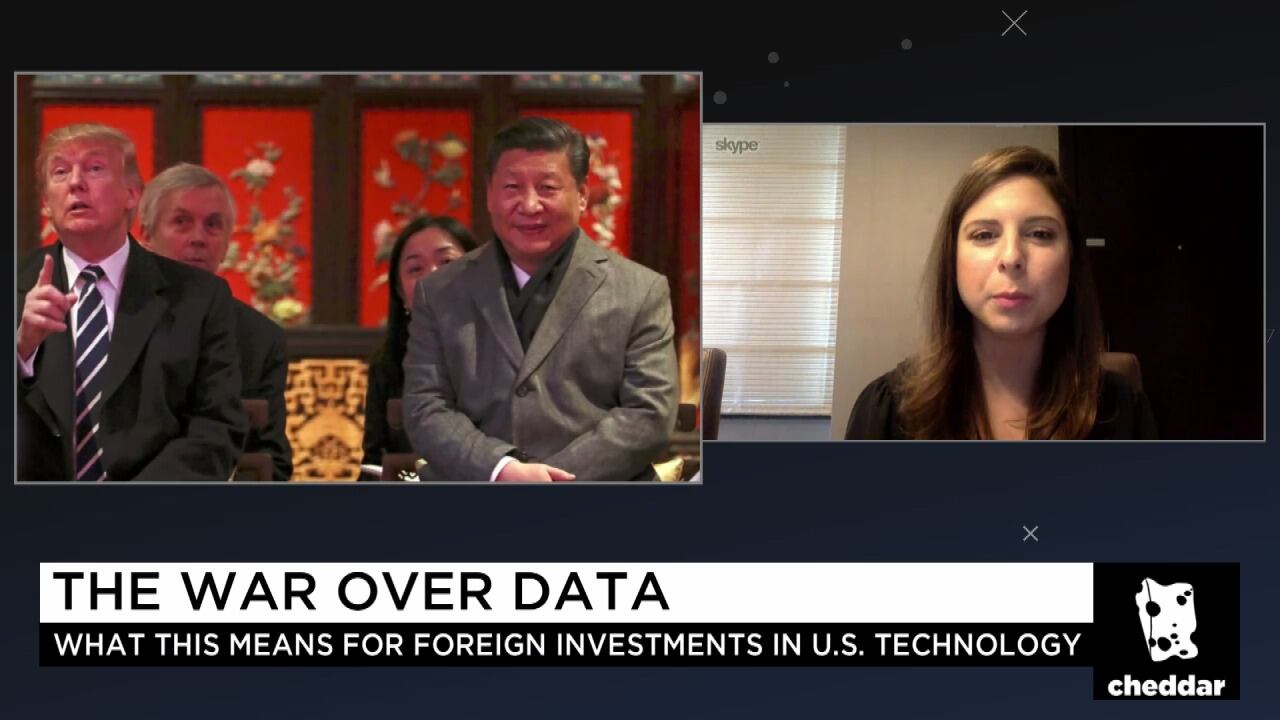
Sara Fischer, media reporter for Axios, discusses how data effects foreign investments in U.S. technology.
HP President of Personal Systems, Ron Coughlin, explains his vision for the future of PCs.
Ford debuts its new "smart vehicle, smart world" at CES in Las Vegas. Alyssa Julya Smith met up with Sherif Marakby, Vice President of Autonomous Vehicles & EV at Ford, to discuss when the company will be hitting the road with its self-driving cars.
If you can believe it, people watch over a billion hours of video on YouTube per day. YouTube's Chief Product Officer Neal Mohan joins Alyssa Julya Smith at CES to discuss the future of TV and how YouTube uses artificial intelligence to cater to its users.
Sherif Marakby, Ford's VP of autonomous vehicles and electrification, explains how the company is moving into transportation as a service.
Staff writer for PCWorld Michael Simon breaks down Samsung's decision not to unveil the Samsung Galaxy S9 and what else the company might have up its sleeve. He also discusses Huawei's problems with its Mate 10 phone, as well as Apple's attempts to win back consumer trust.