*By Bridgette Webb*
Turtle Beach is on a roll.
The headset producer unveiled a new line of gaming gear called Atlas that's specifically designed for PC gamers.
"We are doing the same thing in the PC segment that we are doing in the console headset gaming segment for many years," said Turtle Beach CEO Juergen Stark in an interview Thursday on Cheddar. "We've put a lot of effort in making sure the build quality, the audio quality and the mic quality is the best you can get."
The new headset was introduced after the company reported second-quarter results that blew away analysts' expectations. Net revenue, net income, and earnings were higher than any second quarter since the company's 2014 IPO. Turtle Beach reported $60.8 million in revenue for the quarter ー up from $19.1 million the year before.
Stark attributed Turtle Beach's success to cost cutting on one side of its balance sheet and the booming demand for headsets generated by the popularity of battle royale games Fortnite and PUBG.
As promising a year as it's been so far, Stark said international tariffs could hurt sales of the imported Turtle Beach headsets.
"It will effect retail pricing for us, and for everyone in the category if what people are threatening goes through," he said. "I'm hopeful that it doesn't happen, I don't see how increasing the prices for consumers for everything you buy that's electronic is going to help anybody."
When asked how tariffs would affect the price of gaming headsets, Stark offered a matter-of-fact outlook.
"If there is a 10 percent tariff and you are building a product in China, the retail price point is going to go up 10 percent. If it's a 25 percent tariff that's being threatened, the retailer is it going to go up 25 percent."
For more on this story, [click here](https://cheddar.com/videos/turtle-beach-expands-further-into-pc-gaming).
Apple is reportedly working on new AirPods. Twitter alienated conservatives by accidentally freezing their accounts.
House Democrats are calling for Equifax to extend its promise to give customers free credit monitoring from one year to three years. Ariel Evans, CEO of Innosec, joins Cheddar to discuss what this means for the company and the consumer.
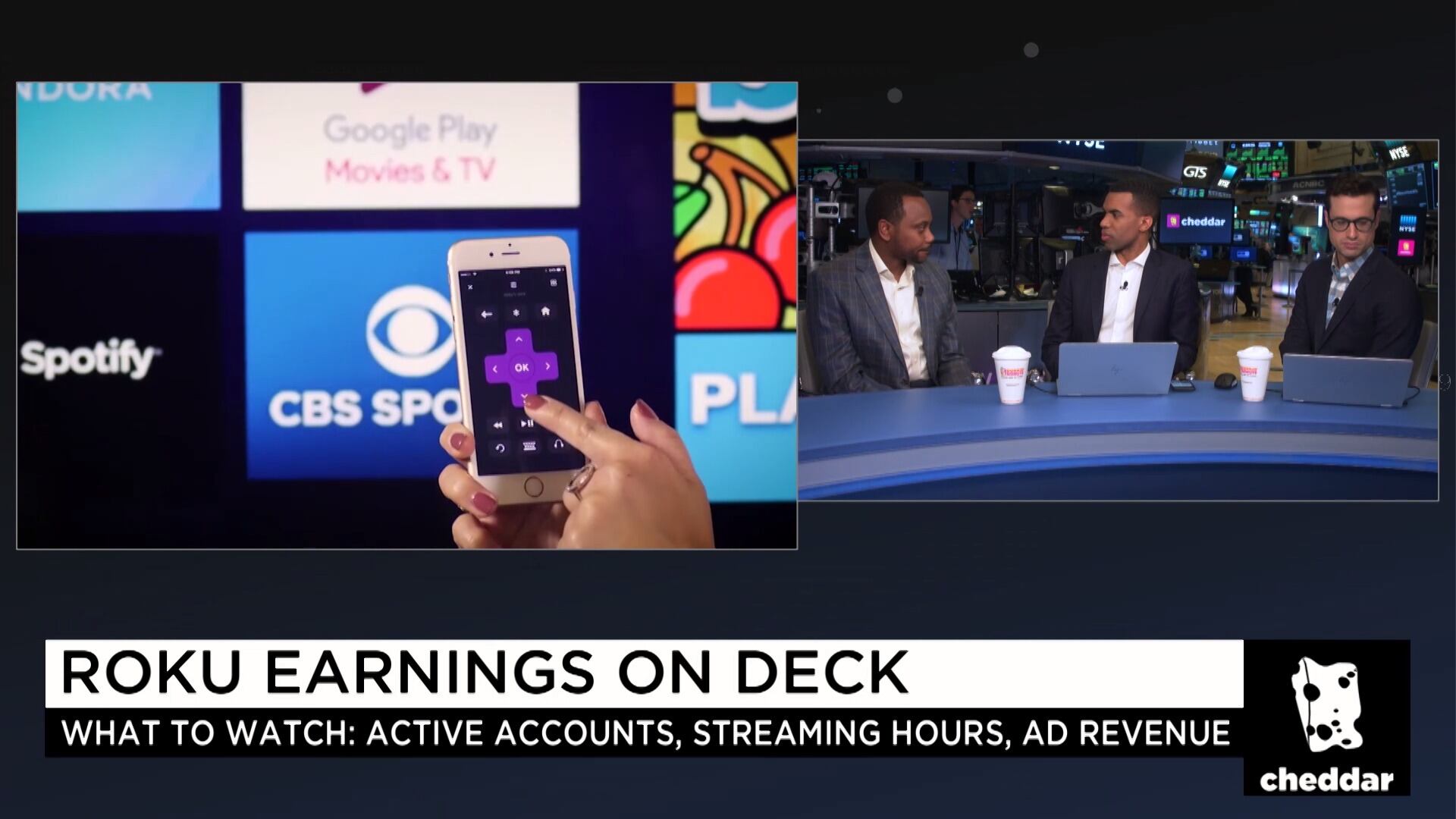
Roku reported its second quarterly earnings report ever, since becoming a publicly traded company. Andre Swanston, CEO of Tru Optik, an audience measurement and data management platform for OTT, was with us to share why he thinks Roku is positioned for success.
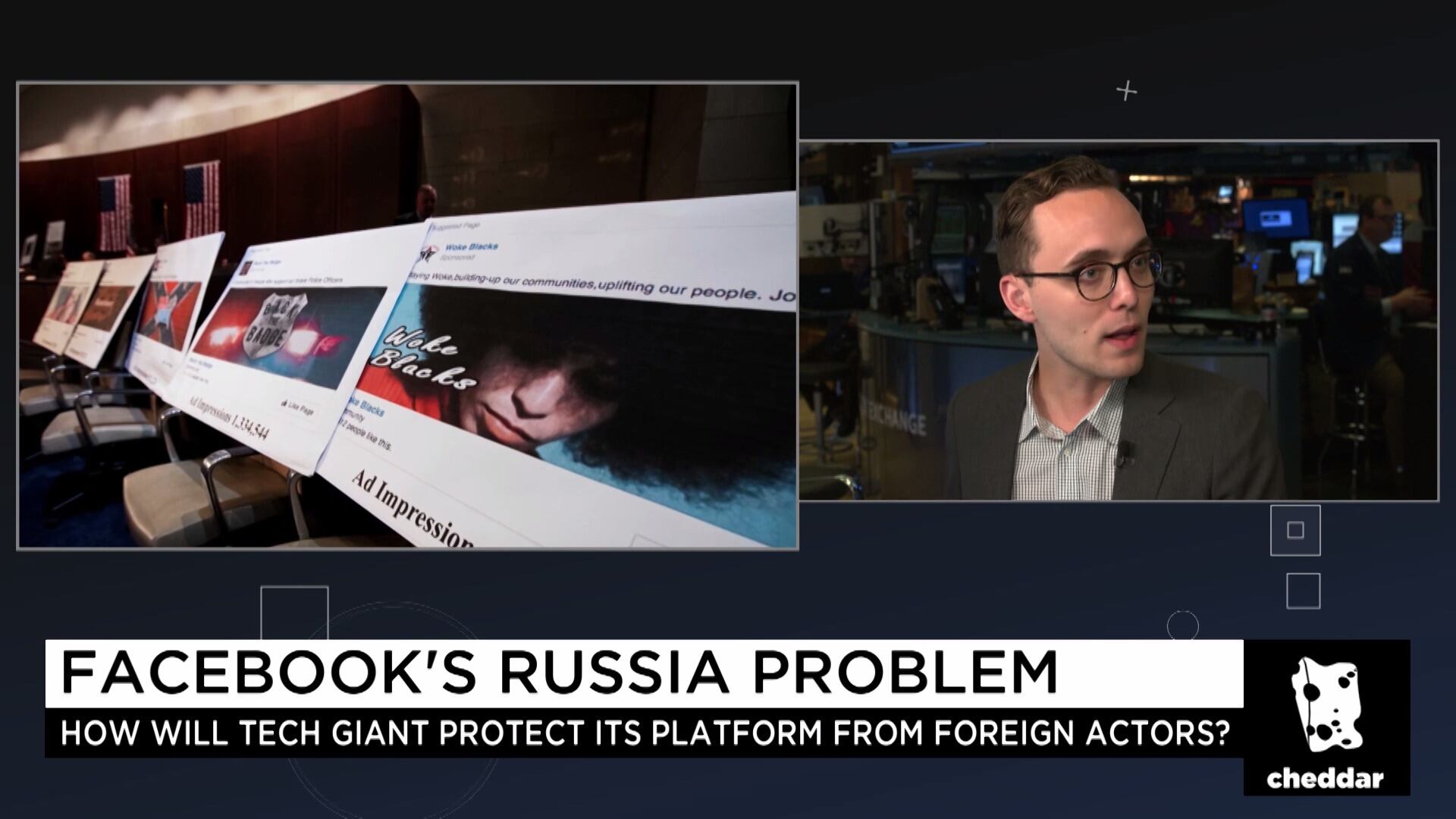
The indictment of 13 Russians for interfering with the Presidential election has intensified the pressure put on Facebook, which uncovered about three-thousand Russian-linked ads on its platforms before and after November 2016. Cheddar Senior Reporter, Alex Heath, breaks down the the latest developments.
Sneaker-heads often obsess over the newest products and exclusive offerings. Which is why Nike, Snapchat, and Shopify partnered for a one-of-a-kind sneaker drop.
"The Relish" is a digital sports network for women focusing on social content. The network reaches around 10 million millennial women each month.
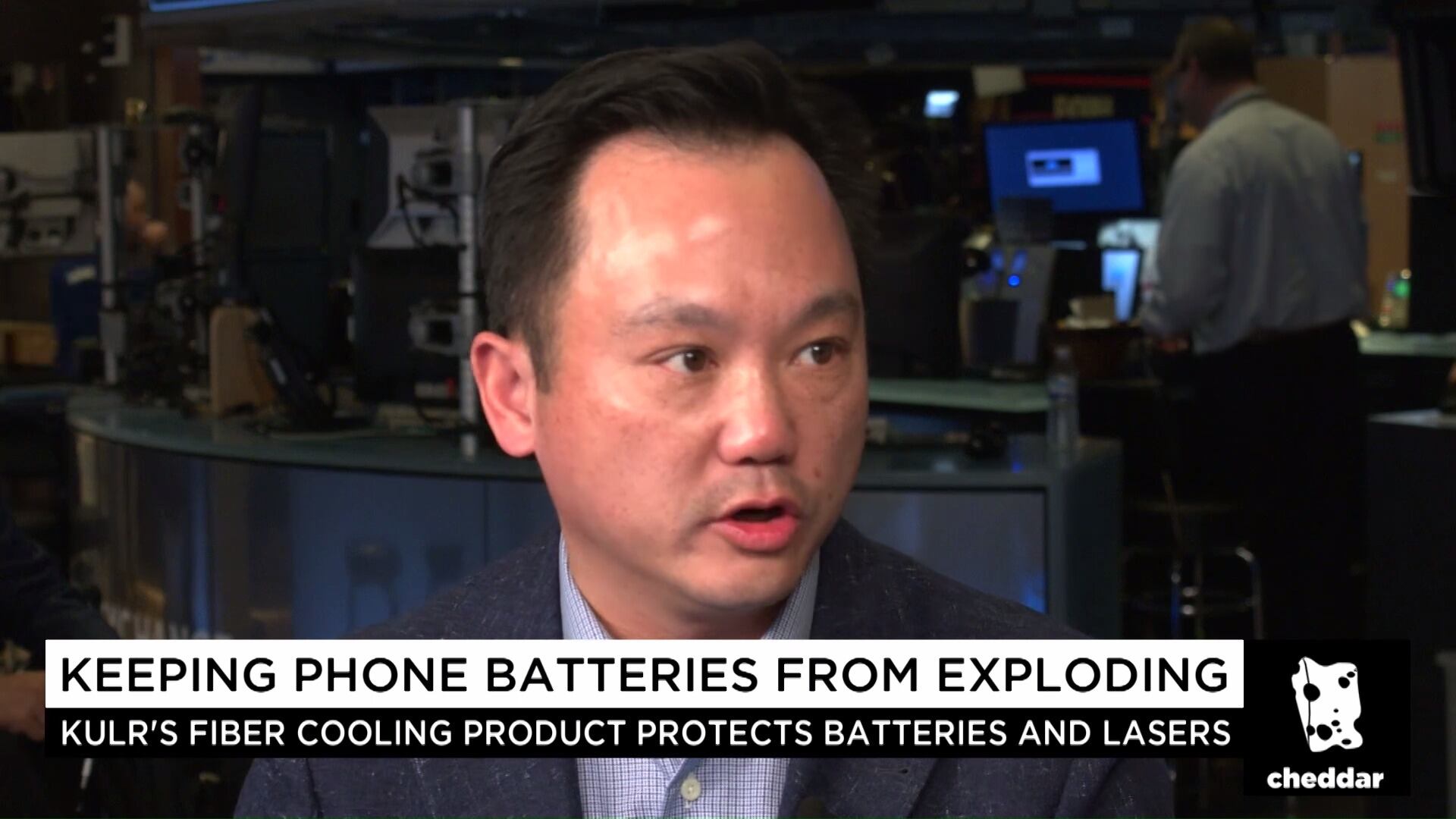
Concerns over electronics' batteries overheating and potentially exploding have been circling for some time, reaching a head with Samsung's massive recall of its Note Seven phones. That is why KULR Technologies has created technology that protects batteries and material for everything from electric cars to NASA spaceships.
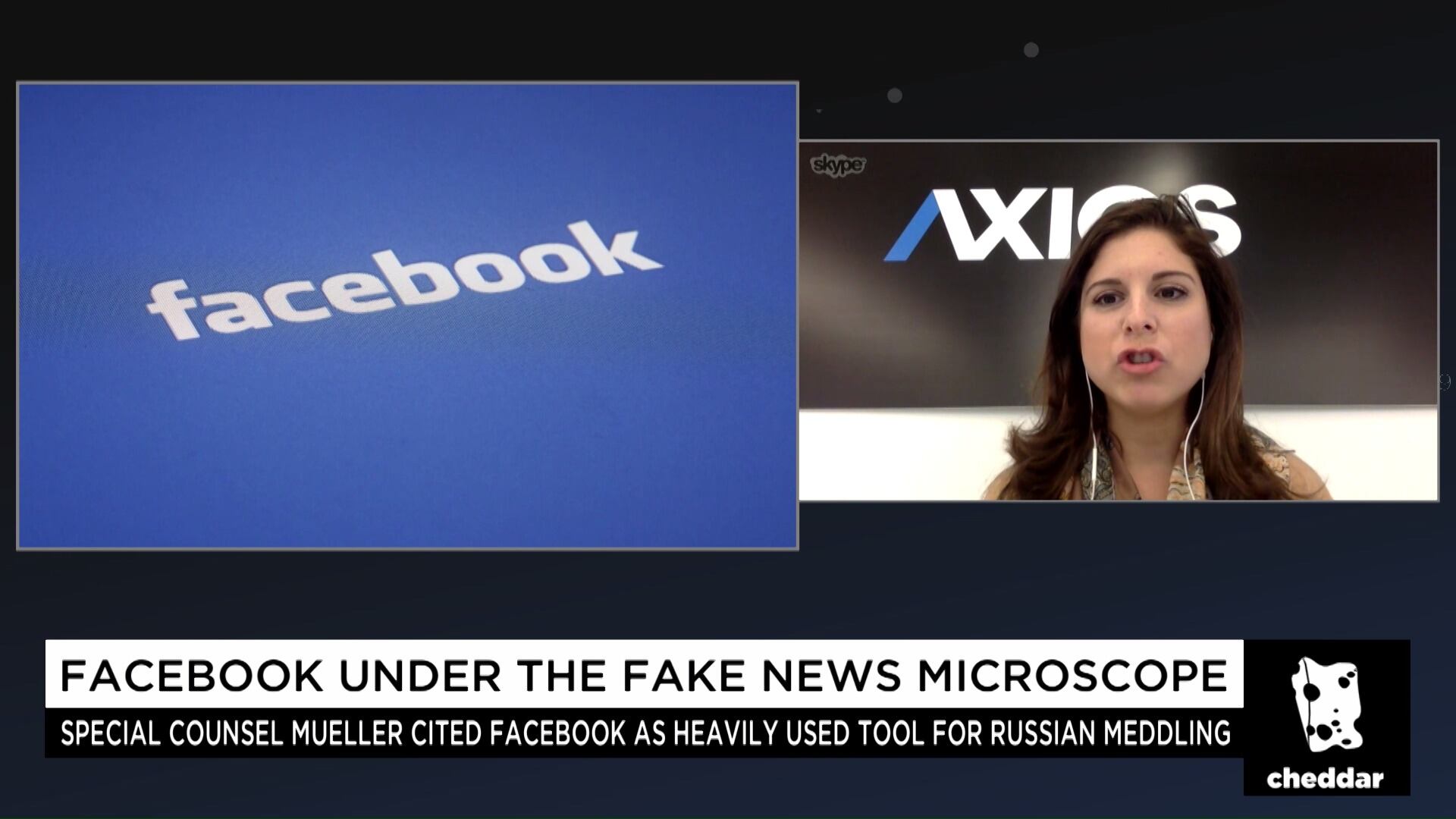
Facebook is back under the microscope for failing to stop the spread of fake news. Sara Fischer, media reporter for AXIOS, joins to explain how the big tech companies are, or are not, addressing the problem.
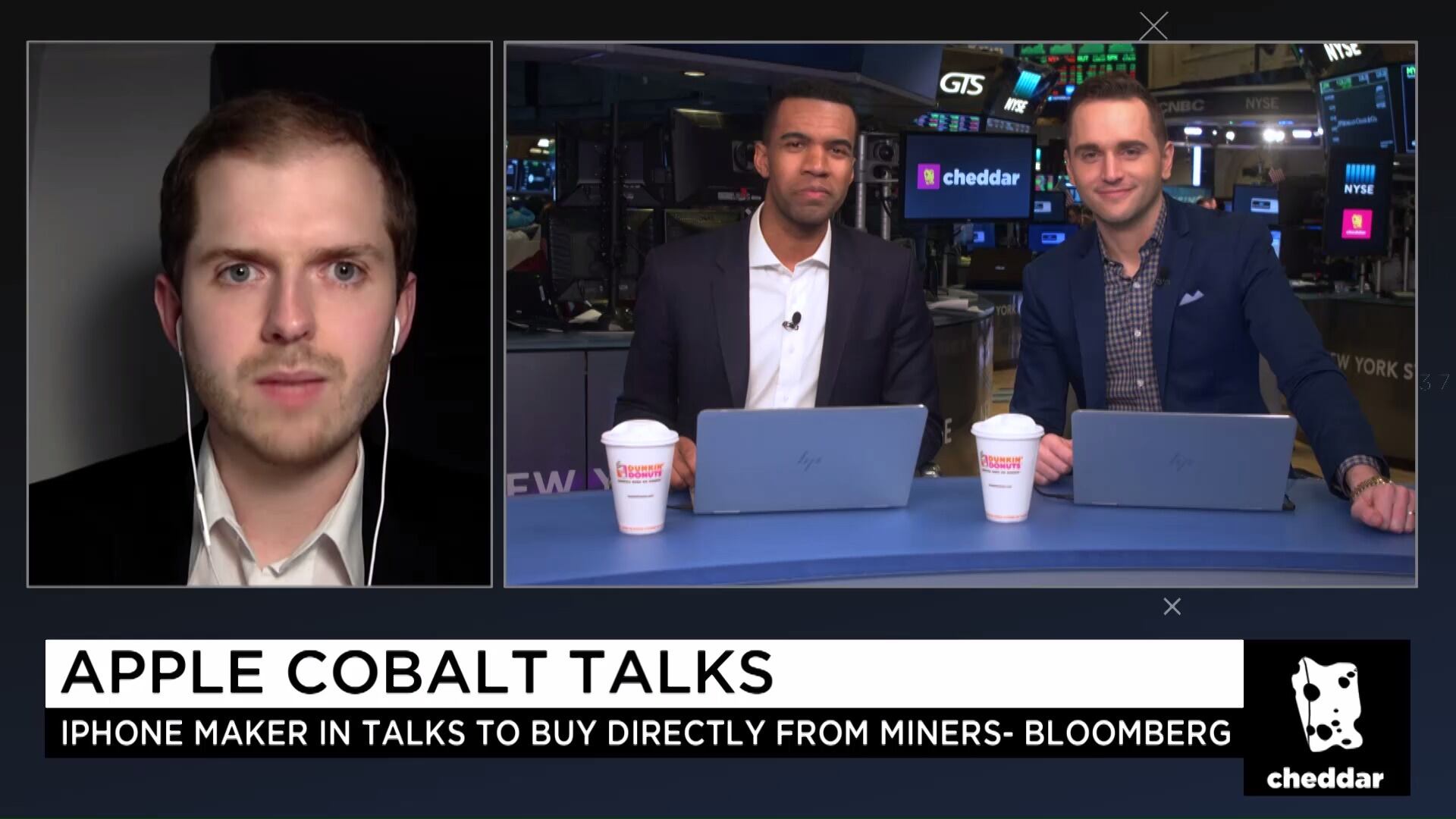
Apple reportedly looking to buy Cobalt directly from miners. The metal is used in lithium ion batteries in Apple's devices, but it can also power electric vehicles. Shares of Apple up half a percent on Wednesday. Inverse Technology Reporter Mike Brown explains how this move might help Apple further its dominance in the tech space.
From smartphones to A.I., technology is disrupting industries of all sorts. Now, that technology is making its way into classrooms across the country.