*By Bridgette Webb*
Turtle Beach is on a roll.
The headset producer unveiled a new line of gaming gear called Atlas that's specifically designed for PC gamers.
"We are doing the same thing in the PC segment that we are doing in the console headset gaming segment for many years," said Turtle Beach CEO Juergen Stark in an interview Thursday on Cheddar. "We've put a lot of effort in making sure the build quality, the audio quality and the mic quality is the best you can get."
The new headset was introduced after the company reported second-quarter results that blew away analysts' expectations. Net revenue, net income, and earnings were higher than any second quarter since the company's 2014 IPO. Turtle Beach reported $60.8 million in revenue for the quarter ー up from $19.1 million the year before.
Stark attributed Turtle Beach's success to cost cutting on one side of its balance sheet and the booming demand for headsets generated by the popularity of battle royale games Fortnite and PUBG.
As promising a year as it's been so far, Stark said international tariffs could hurt sales of the imported Turtle Beach headsets.
"It will effect retail pricing for us, and for everyone in the category if what people are threatening goes through," he said. "I'm hopeful that it doesn't happen, I don't see how increasing the prices for consumers for everything you buy that's electronic is going to help anybody."
When asked how tariffs would affect the price of gaming headsets, Stark offered a matter-of-fact outlook.
"If there is a 10 percent tariff and you are building a product in China, the retail price point is going to go up 10 percent. If it's a 25 percent tariff that's being threatened, the retailer is it going to go up 25 percent."
For more on this story, [click here](https://cheddar.com/videos/turtle-beach-expands-further-into-pc-gaming).
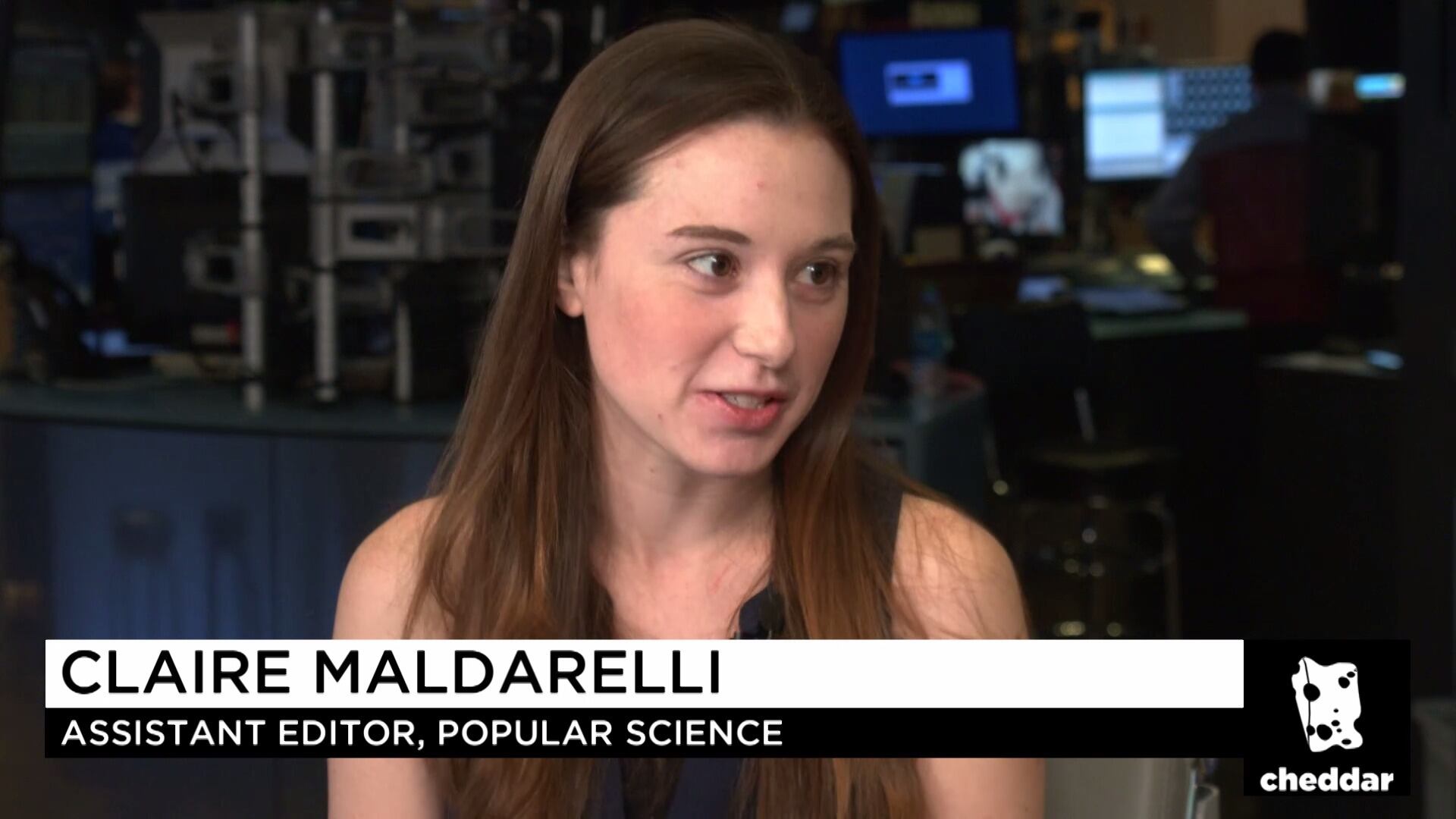
Claire Maldarelli, assistant editor at Popular Science, discusses the 2017-2018 flu season that scientists have named as one of the worst in the last decade.
Mobile World Congress has kicked off in Barcelona, Spain and Lenovo is using the event to make a few key announcements. On Monday it revealed a new line up of Yoga laptops, equipped with Alexa voice assistant capabilities. Dilip Bhatia, Vice President of Marketing, User & Customer Experience for Lenovo joins The Long and The Short to explain the future of voice within Lenovo's products.
"The Forever Rose" was created using blockchain and sold for a million dollars. Art, physical or virtual, gets its value from the artist or significance of the piece, says Andy Tian, co-creator of the piece.
Comcast is making a $31 billion offer for European broadcaster Sky, topping Fox's bid. Apple plans to open two health clinics for its employees this spring.
Joe Blackburn, the CEO of Crypto Coin Trader and head advisor at Crypto Hunt, explains how his company is using an augmented reality and blockchain game to help initiate users into crypto.
The Dow closes up nearly 400 points. Apple is reportedly releasing three new phones. Samsung unveiled its new S9 and S9+. The Supreme Court declined to take up the Trump Administration's appeal on DACA. Fitbit misses on earnings.
Cheddar Politics goes in-depth on the gun debate with The Young Turks, Rare Media, and Congressman Ted Deutch (D-FL). Between Bells catches up with Glam Masters' Kandee Johnson, and UnREAL's Bart Edwards.
Samsung's latest flagship phone is out, and the fight is on. Can the Samsung Galaxy S9 take on the iPhone X? Mark Spoonauer, Editor-In-Chief at Tom's Guide, gives Cheddar at first look at the new phone and shares his take.
TipRanks uses Natural Language Processing to give investing advice to roughly five million investors. Now, the company is out with a mobile app to bring the advice directly to users phones.
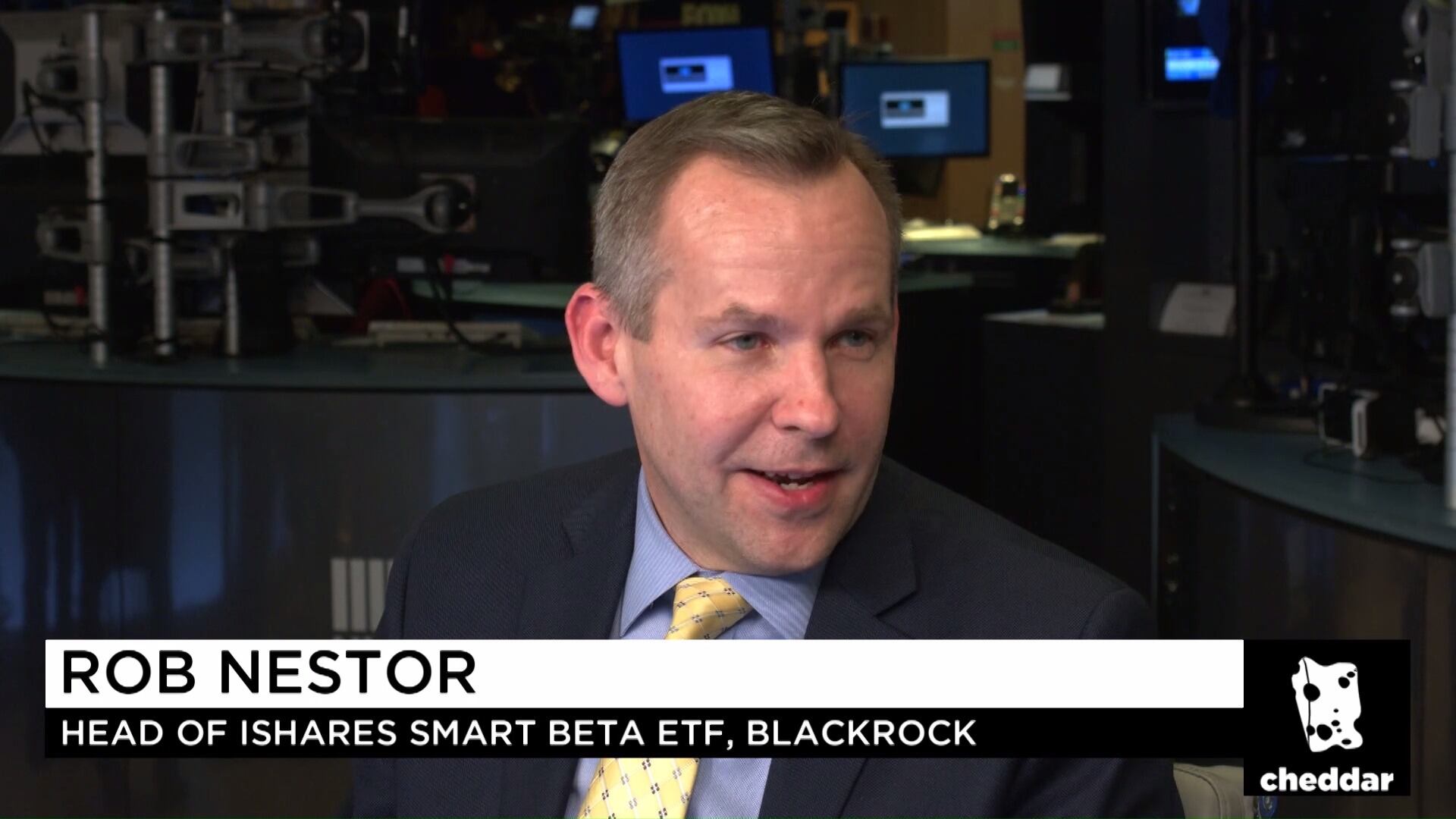
Millennials seem to be jumping on board with exchange traded funds, or ETFs. Rob Nestor is the head of iShares Beta ETF at BlackRock and he joins Cheddar to explain why millennials and others are jumping on this trend.