*By Bridgette Webb*
Turtle Beach is on a roll.
The headset producer unveiled a new line of gaming gear called Atlas that's specifically designed for PC gamers.
"We are doing the same thing in the PC segment that we are doing in the console headset gaming segment for many years," said Turtle Beach CEO Juergen Stark in an interview Thursday on Cheddar. "We've put a lot of effort in making sure the build quality, the audio quality and the mic quality is the best you can get."
The new headset was introduced after the company reported second-quarter results that blew away analysts' expectations. Net revenue, net income, and earnings were higher than any second quarter since the company's 2014 IPO. Turtle Beach reported $60.8 million in revenue for the quarter ー up from $19.1 million the year before.
Stark attributed Turtle Beach's success to cost cutting on one side of its balance sheet and the booming demand for headsets generated by the popularity of battle royale games Fortnite and PUBG.
As promising a year as it's been so far, Stark said international tariffs could hurt sales of the imported Turtle Beach headsets.
"It will effect retail pricing for us, and for everyone in the category if what people are threatening goes through," he said. "I'm hopeful that it doesn't happen, I don't see how increasing the prices for consumers for everything you buy that's electronic is going to help anybody."
When asked how tariffs would affect the price of gaming headsets, Stark offered a matter-of-fact outlook.
"If there is a 10 percent tariff and you are building a product in China, the retail price point is going to go up 10 percent. If it's a 25 percent tariff that's being threatened, the retailer is it going to go up 25 percent."
For more on this story, [click here](https://cheddar.com/videos/turtle-beach-expands-further-into-pc-gaming).
This Changes Things hosts Baker Machado and Hope King discuss how to turn rejection into motivation and best practices for promoting your company online.
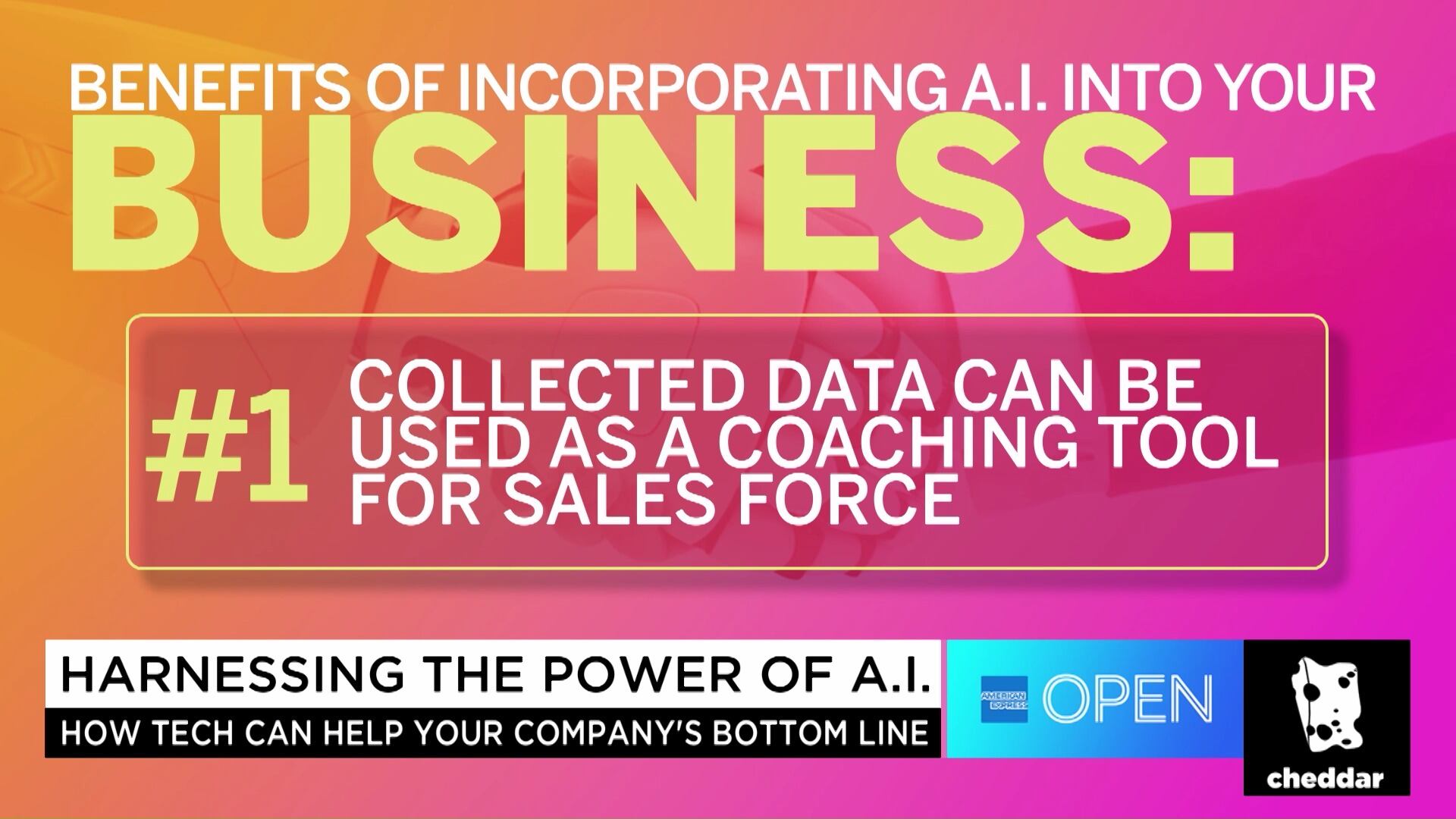
These days, machine learning isn't only for Fortune 500 companies. A.I. technology can be harnessed to help a small or mid-sized business grow and gain a competitive advantage. This Changes Things hosts Baker Machado and Hope King talk through some advantages of incorporating artificial intelligence into your company.
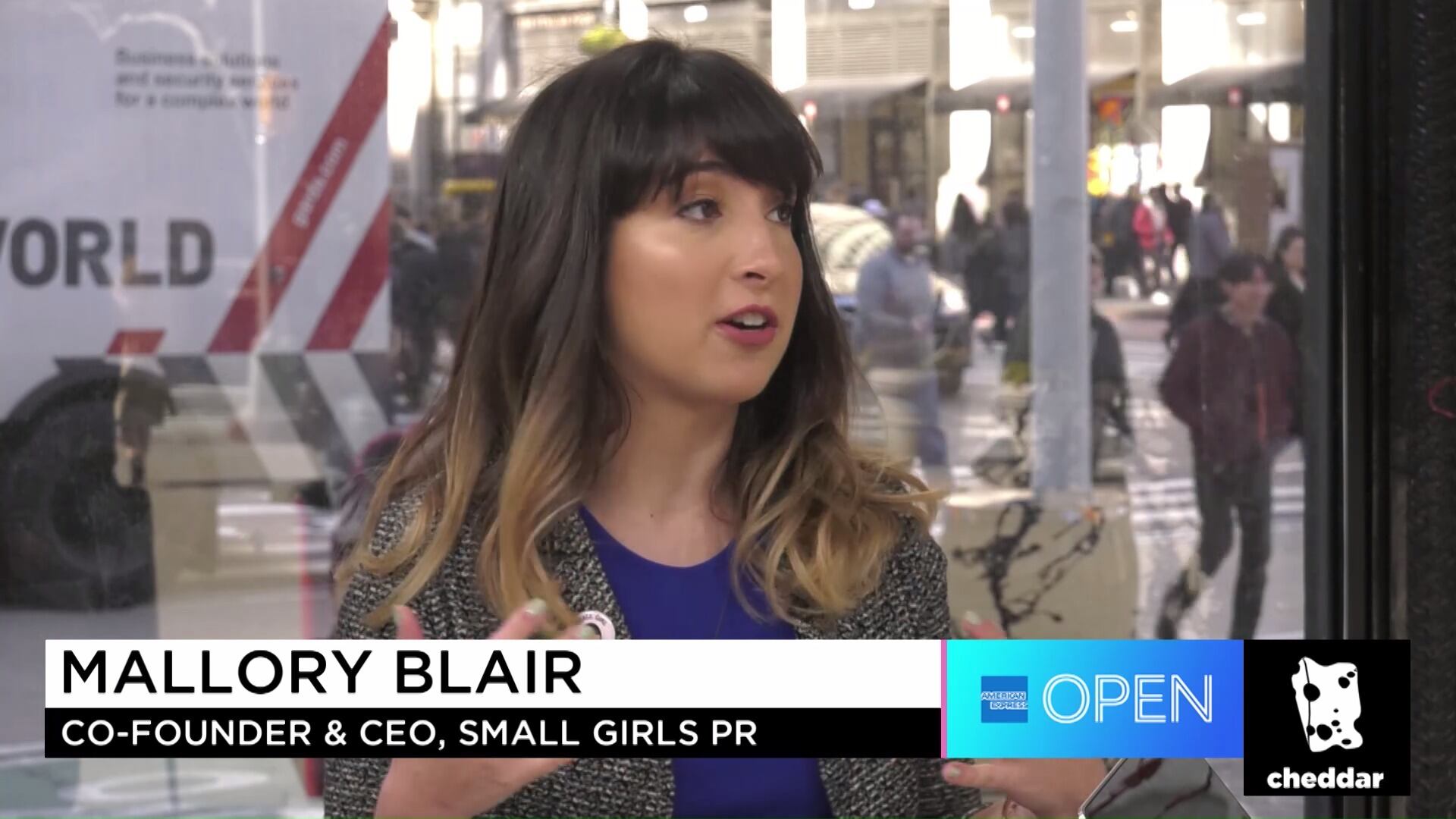
Marketing seems like a natural step shortly after starting your own company, but how can you leverage social media and digital video to make yourself buzzworthy? Mallory Blair, Co-Founder & CEO of Small Girls PR and George Slefo, Reporter at AdAge join This Changes Things to discuss how to market your business effectively using social media.
Alex Otrezov, head of search and examination at the ride-hailing company, says that its upcoming "Uber Local" project, will use real-time data to suggest hotspots to its users.
Cronos Group started trading on the Nasdaq Tuesday. The vertically integrated company became the first marijuana company to join a major exchange in the United States. The company's CEO Mike Gorenstein explains how Cronos is capitalizing on the emerging market in Canada.
Flying cars may not be that far away. Uber says it is still committed to its plans for urban aircraft. The ride-hailing company will be holding an event in L.A. in May to demonstrate Uber's plans to have launch flying cars in 10 years.
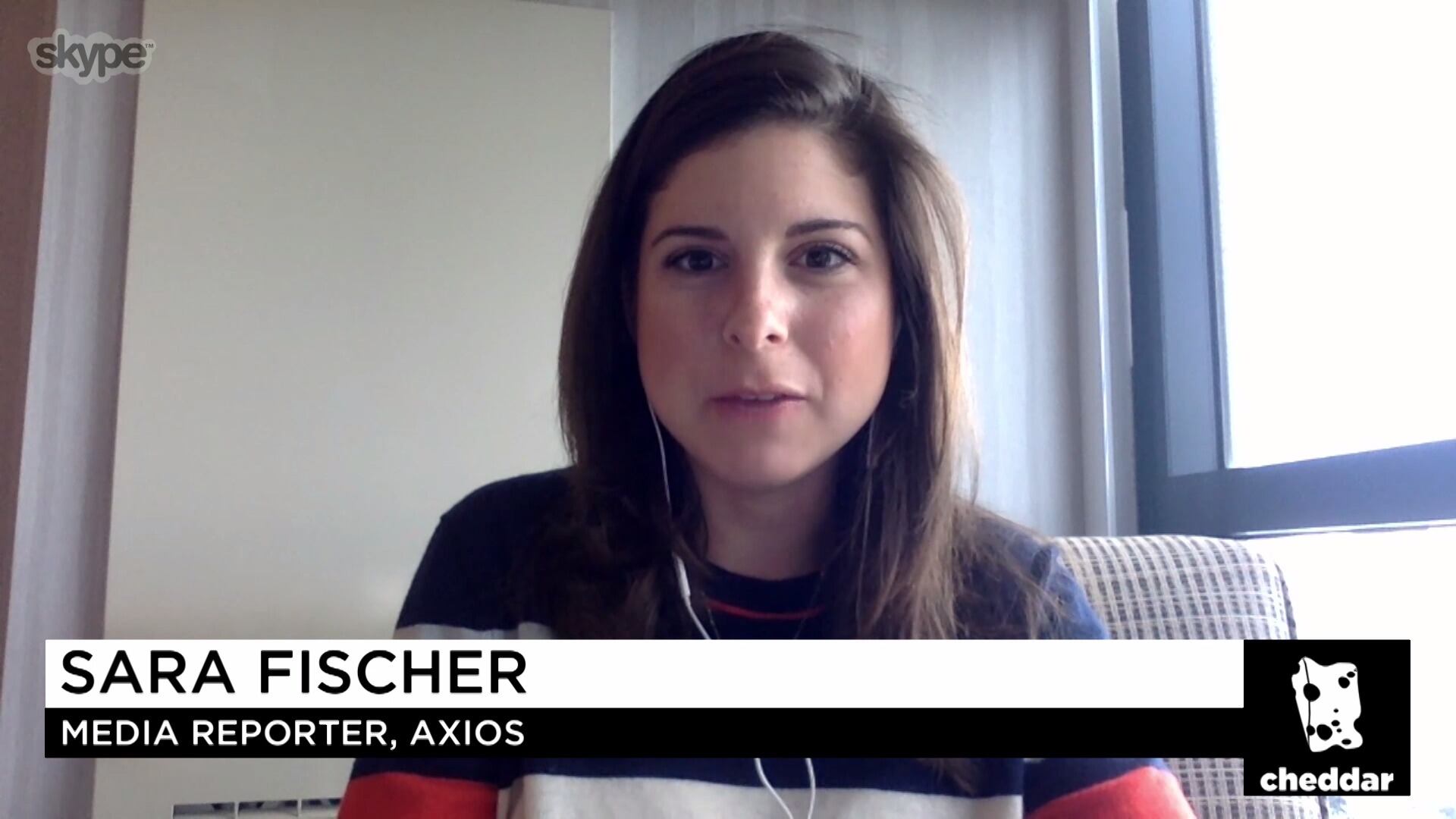
Sara Fischer, media reporter at Axios, joins Cheddar to discuss Comcast's $31 billion offer for European broadcaster Sky. Apple plans to open two health clinics for its employees this spring. Anthony Chan, chief economist at Chase, joins us to talk about the market volatility we've seen in recent weeks. And Instacart is teaming up with Sam's Club to counter the growing threat from Amazon in the grocery space.
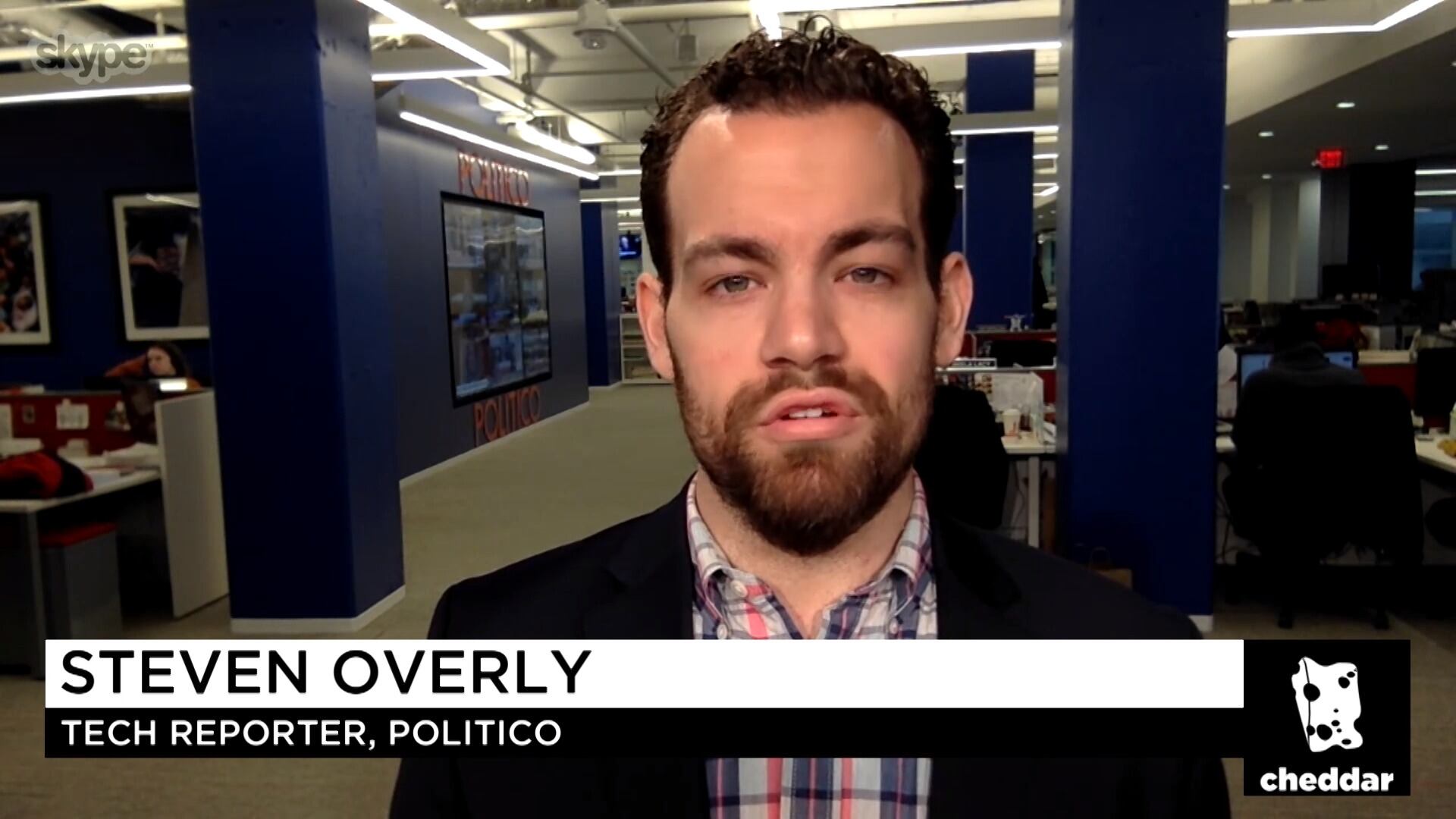
Steven Overly, tech reporter for Politico, discusses the United States' Supreme Court case against Microsoft. The case could have a global impact on email security.
Andy Tian, co-founder and CEO of Asia Innovations Group, discusses the "Forever Rose," the most valuable piece of virtual artwork in the world. The piece was purchased by 10 investors for $100,000 each using cryptocurrency.
Sara Fischer, media reporter for Axios, talks about Comcast's $31 billion bid for UK broadcaster Sky. Fox has offered $15 billion for the part of Sky that it doesn't already own.