*By Bridgette Webb*
Turtle Beach is on a roll.
The headset producer unveiled a new line of gaming gear called Atlas that's specifically designed for PC gamers.
"We are doing the same thing in the PC segment that we are doing in the console headset gaming segment for many years," said Turtle Beach CEO Juergen Stark in an interview Thursday on Cheddar. "We've put a lot of effort in making sure the build quality, the audio quality and the mic quality is the best you can get."
The new headset was introduced after the company reported second-quarter results that blew away analysts' expectations. Net revenue, net income, and earnings were higher than any second quarter since the company's 2014 IPO. Turtle Beach reported $60.8 million in revenue for the quarter ー up from $19.1 million the year before.
Stark attributed Turtle Beach's success to cost cutting on one side of its balance sheet and the booming demand for headsets generated by the popularity of battle royale games Fortnite and PUBG.
As promising a year as it's been so far, Stark said international tariffs could hurt sales of the imported Turtle Beach headsets.
"It will effect retail pricing for us, and for everyone in the category if what people are threatening goes through," he said. "I'm hopeful that it doesn't happen, I don't see how increasing the prices for consumers for everything you buy that's electronic is going to help anybody."
When asked how tariffs would affect the price of gaming headsets, Stark offered a matter-of-fact outlook.
"If there is a 10 percent tariff and you are building a product in China, the retail price point is going to go up 10 percent. If it's a 25 percent tariff that's being threatened, the retailer is it going to go up 25 percent."
For more on this story, [click here](https://cheddar.com/videos/turtle-beach-expands-further-into-pc-gaming).
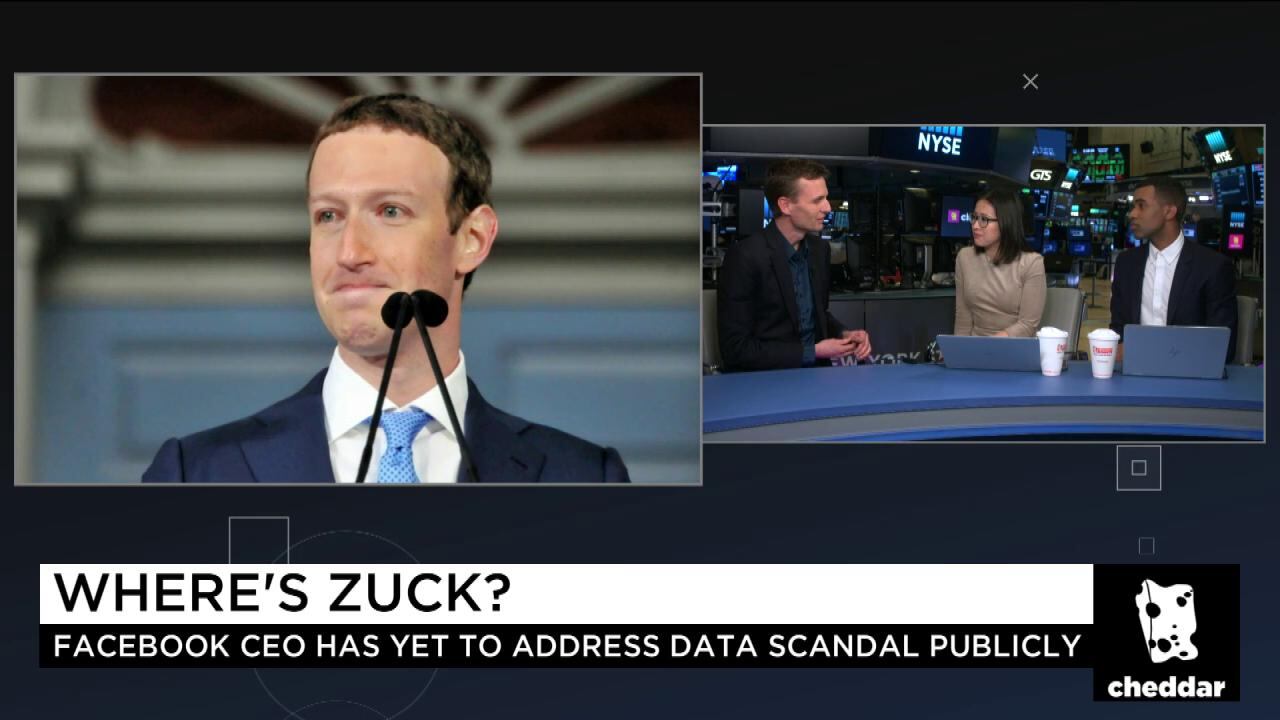
On Wednesday night, the Facebook CEO sat down with four media outlets to discuss the Cambridge Analytica scandal that has engulfed the company for the past week. While he hit the right tone and talking points, he didn't really address most users' concerns, says Ina Fried, Chief Technology Correspondent at Axios.
Many know Roku for its hardware. But it's focusing on content distribution and streaming, and CEO Anthony Wood says on that basis, it would be the third largest cable operator in the U.S.
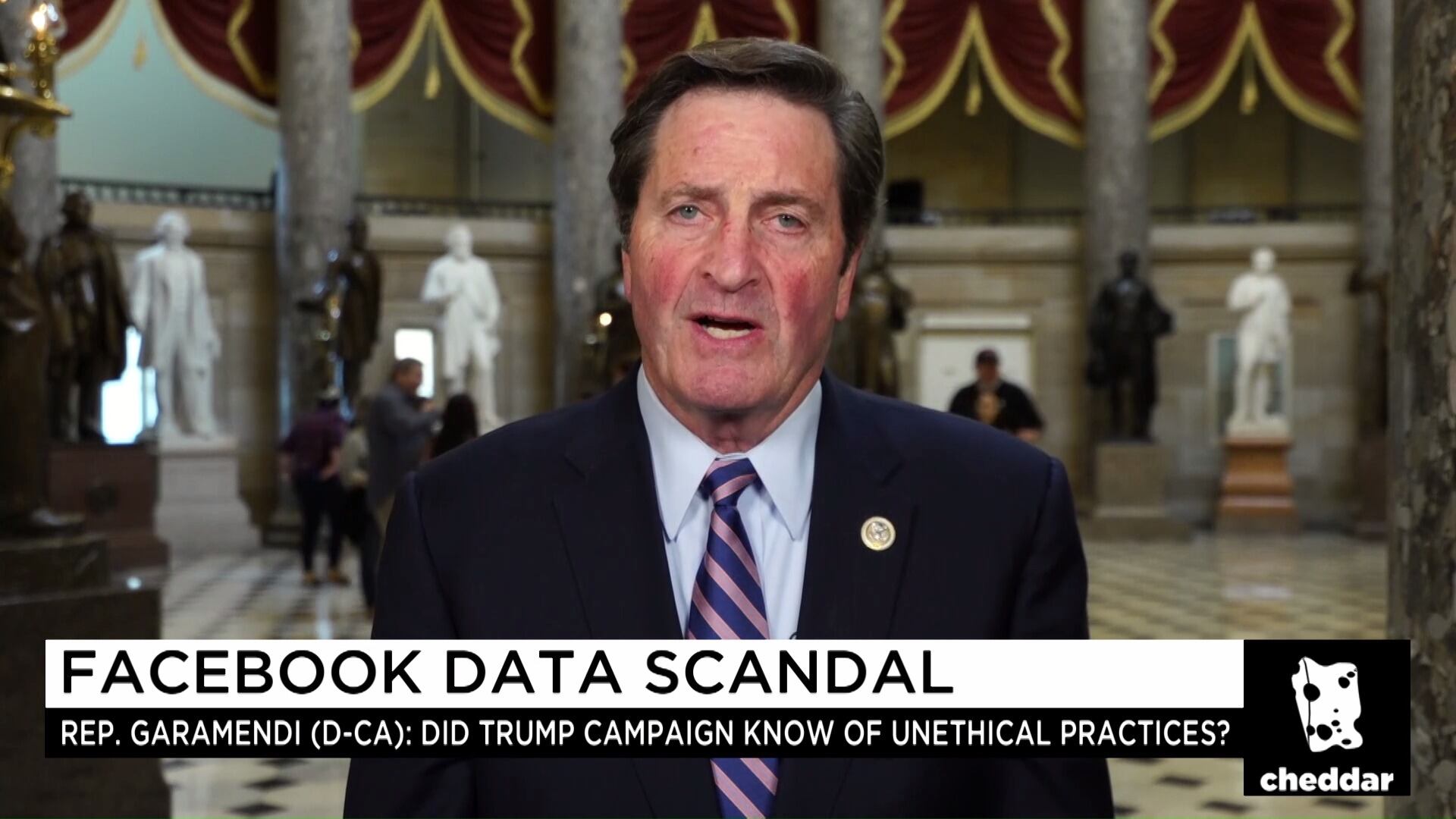
Congressman John Garamendi (D-CA) told Cheddar he believes the Trump campaign was aware of the use of private data harvested off Facebook and is outraged the social media company sought to profit off the move. The company remains under fire amid a data scandal that unveiled private information of more than 50 million users to an analytics firm working for the Trump campaign.
Artists who are just putting out their first products turn to SoundCloud, whereas other platforms pick them up after they've built a bit of momentum. That gives the company its edge, says Kerry Trainor, CEO of the music streaming platform.
The way Facebook's CEO has handled the privacy scandal so far raises questions about his leadership ability. His age might be to blame, says Rasmus Houggard, author of "The Mind of the Leader."
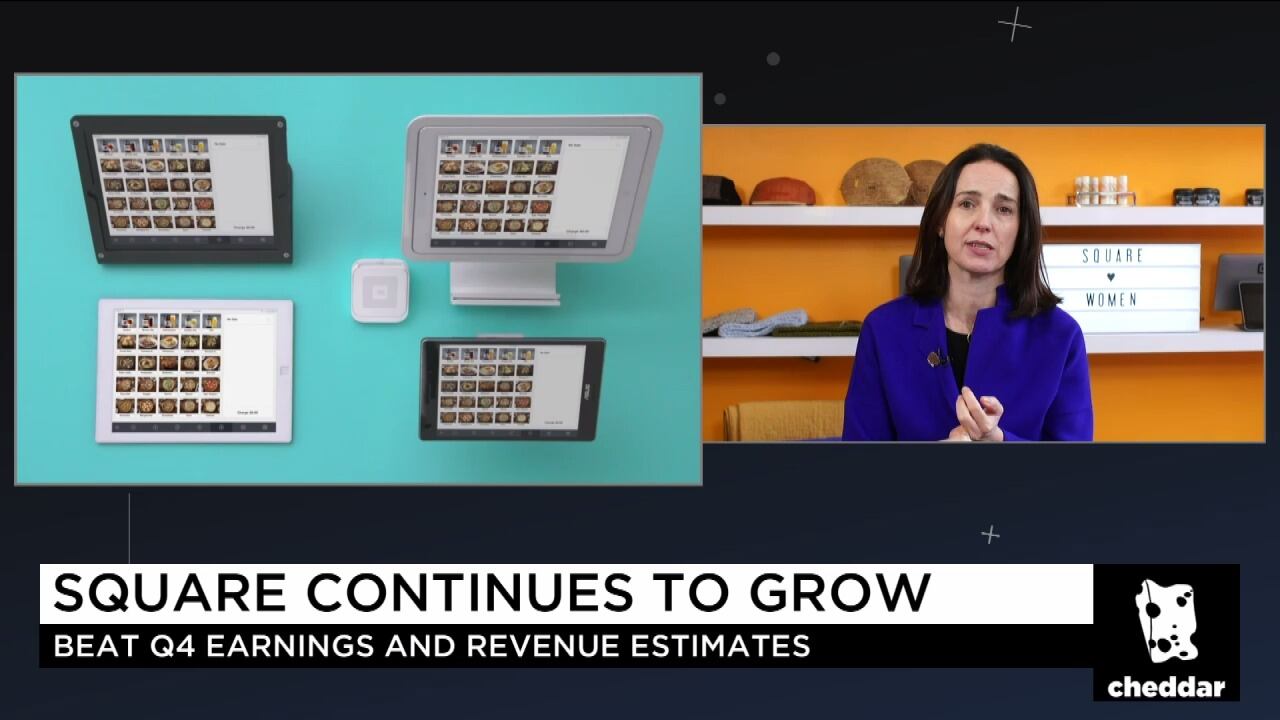
Sarah Friar, Chief Financial Officer at the payment processing company, says omni-channel retail and the company's Cash App are major growth boosters.
The fallout from Facebook's latest data scandal continues to intensify. The Weinstein Co. officially files for bankruptcy protection after many attempts to sell the company failed. Josh Sternberg, tech editor for AdWeek, joins us to discusses how Uber moves forward after one of its driverless cars killed a pedestrian in Tempe, Arizona. And Bri Bauer from Dairy Queen brings ice cream cones to the trading floor to celebrate the company's National Cone Day. On the first day of spring, Dairy Queen gives customers free vanilla ice cream cones.
Slowing down test programs in "non-controlled environments" in these early stages of development will help regulation keep up, says Jason Levine, Executive Director of The Center for Auto Safety.
Damon Beres, executive editor at Mashable, talks about Cambridge Analytica's misuse of Facebook user information in the 2016 election. Beres discusses how the company may be on the brink of facing government regulation in the wake of this revelation as well as Russia's use of the platform in the 2016 election. We talk what this means for users and whether any users will limit or alter their use of the site. Beres explains both sides of the argument, but adds that he would not be surprised if users say "enough is enough."
The fallout from Facebook's latest data scandal continues to intensify. The Weinstein Co. officially files for bankruptcy protection after many attempts to sell the company failed.