*By Bridgette Webb*
Turtle Beach is on a roll.
The headset producer unveiled a new line of gaming gear called Atlas that's specifically designed for PC gamers.
"We are doing the same thing in the PC segment that we are doing in the console headset gaming segment for many years," said Turtle Beach CEO Juergen Stark in an interview Thursday on Cheddar. "We've put a lot of effort in making sure the build quality, the audio quality and the mic quality is the best you can get."
The new headset was introduced after the company reported second-quarter results that blew away analysts' expectations. Net revenue, net income, and earnings were higher than any second quarter since the company's 2014 IPO. Turtle Beach reported $60.8 million in revenue for the quarter ー up from $19.1 million the year before.
Stark attributed Turtle Beach's success to cost cutting on one side of its balance sheet and the booming demand for headsets generated by the popularity of battle royale games Fortnite and PUBG.
As promising a year as it's been so far, Stark said international tariffs could hurt sales of the imported Turtle Beach headsets.
"It will effect retail pricing for us, and for everyone in the category if what people are threatening goes through," he said. "I'm hopeful that it doesn't happen, I don't see how increasing the prices for consumers for everything you buy that's electronic is going to help anybody."
When asked how tariffs would affect the price of gaming headsets, Stark offered a matter-of-fact outlook.
"If there is a 10 percent tariff and you are building a product in China, the retail price point is going to go up 10 percent. If it's a 25 percent tariff that's being threatened, the retailer is it going to go up 25 percent."
For more on this story, [click here](https://cheddar.com/videos/turtle-beach-expands-further-into-pc-gaming).
The social media company announced Monday that it will almost double the amount of video content available on its platform. This will help TV networks "boost the ratings by slowly diversifying," says Kerry Flynn, a media reporter for Digiday.
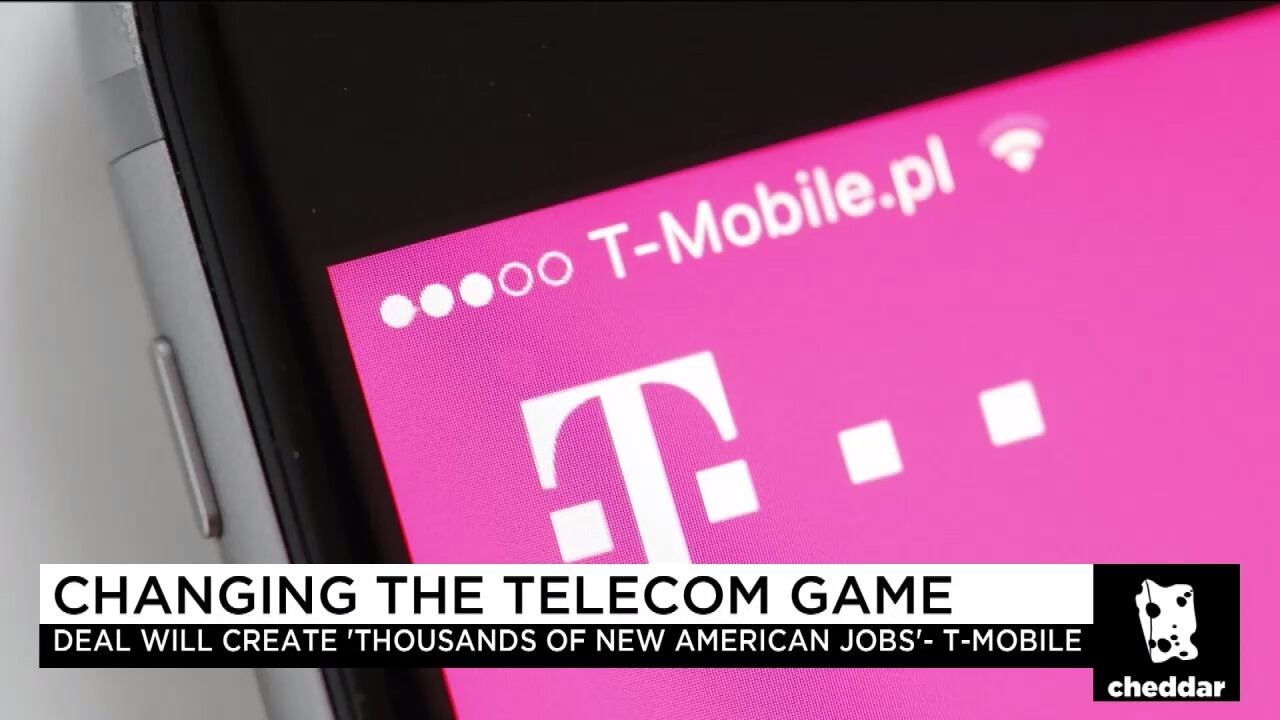
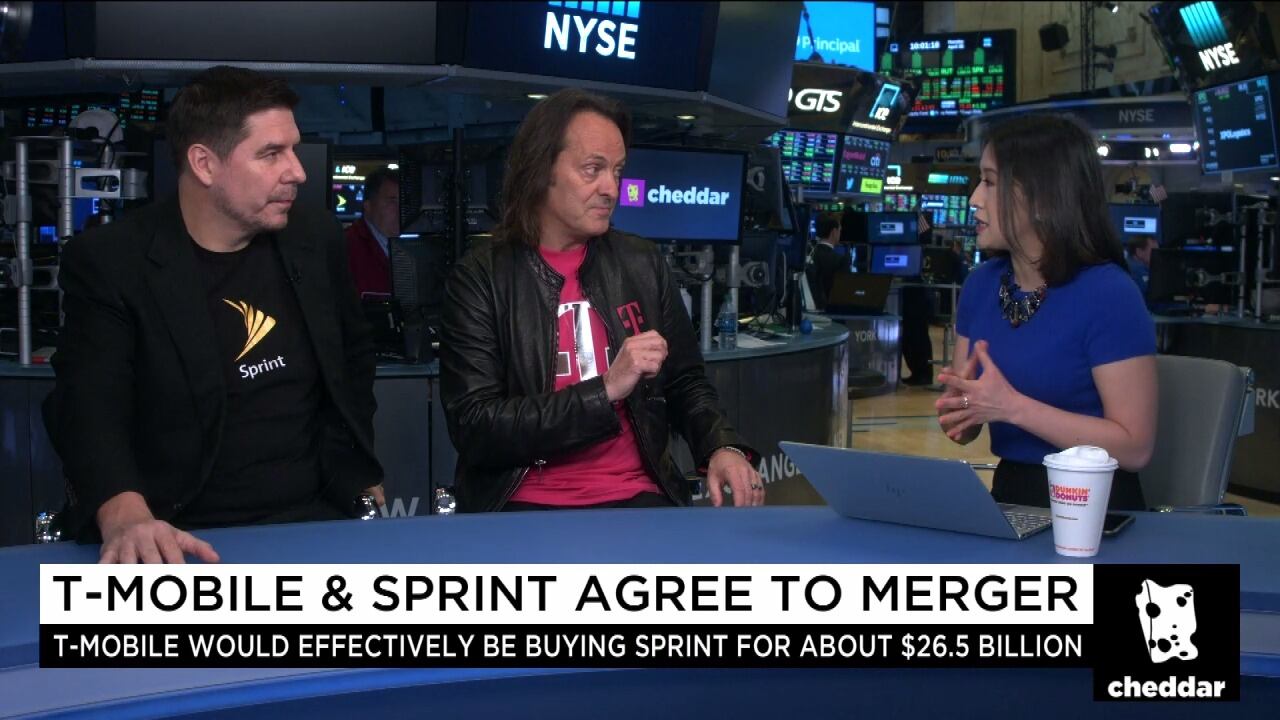
The two companies tout their deal as necessary for innovation and claim that it doesn't decrease competition in the field. Those arguments will be difficult to prove, says Eleanor Fox, an antitrust expert at NYU Law School. The third and fourth largest mobile networks in the U.S. announced a $26.5 billion merger Sunday that they claim will help develop a 5G network and create jobs. The deal still needs approval from regulators, who have expressed antitrust concerns in the past.
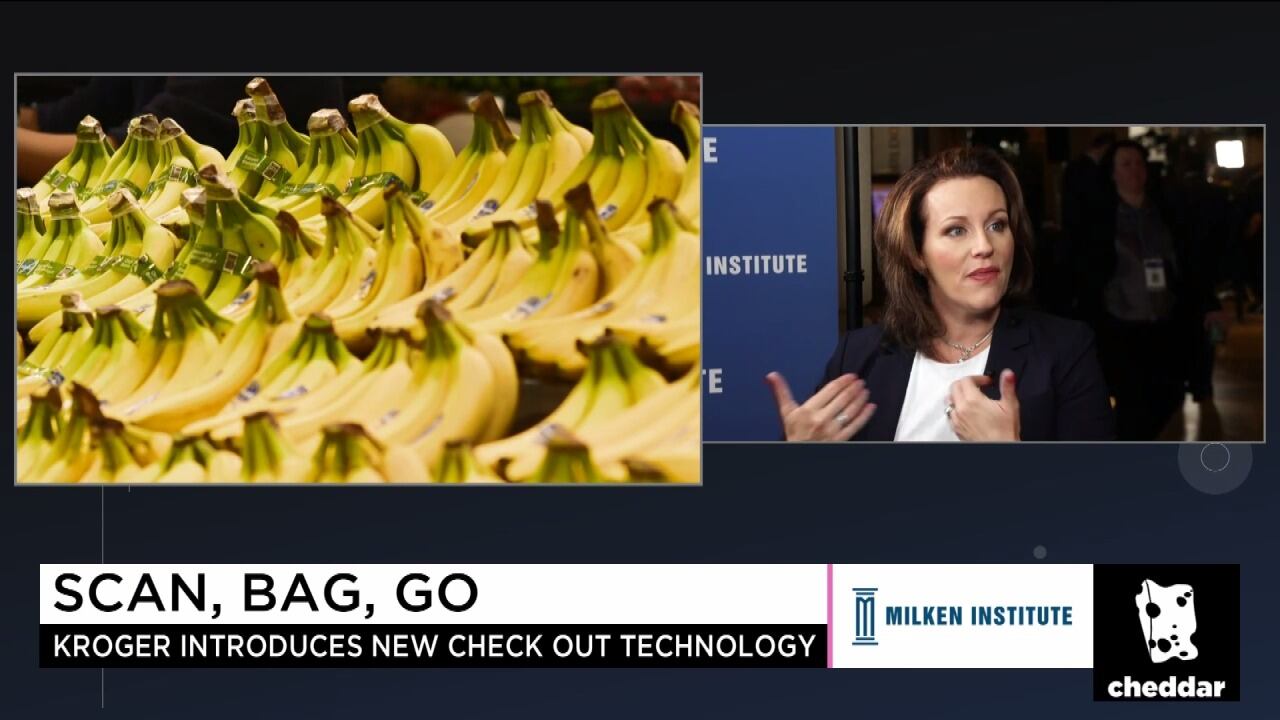
Kroger is trying to streamline the grocery shopping experience and plans to hire 11,000 new employees this year. These two pillars are "complementary" with the retailer's efforts to reboot its business and expand, says Jessica Adelman, Chief Communications Officer at Kroger.
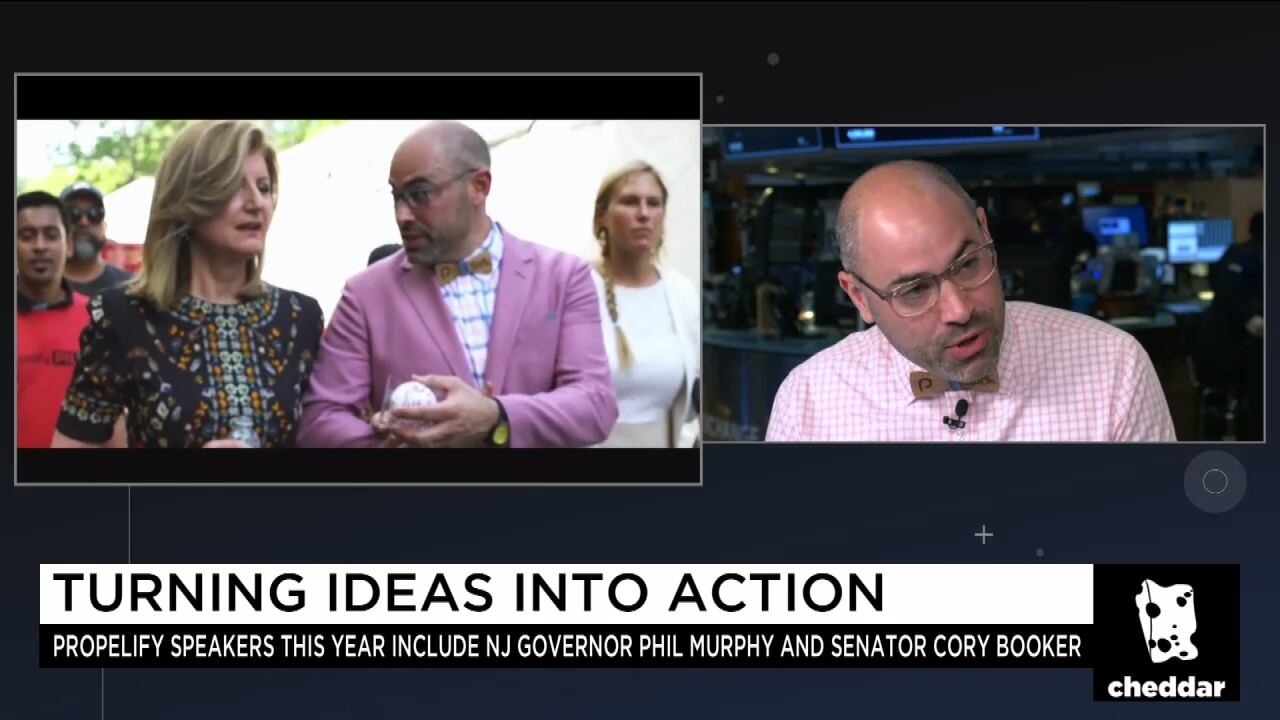
New Jersey could become home to more innovation with hands-on support from lawmakers, says Aaron Price, founder and CEO of Propelify, an innovation festival in Hoboken, NJ.
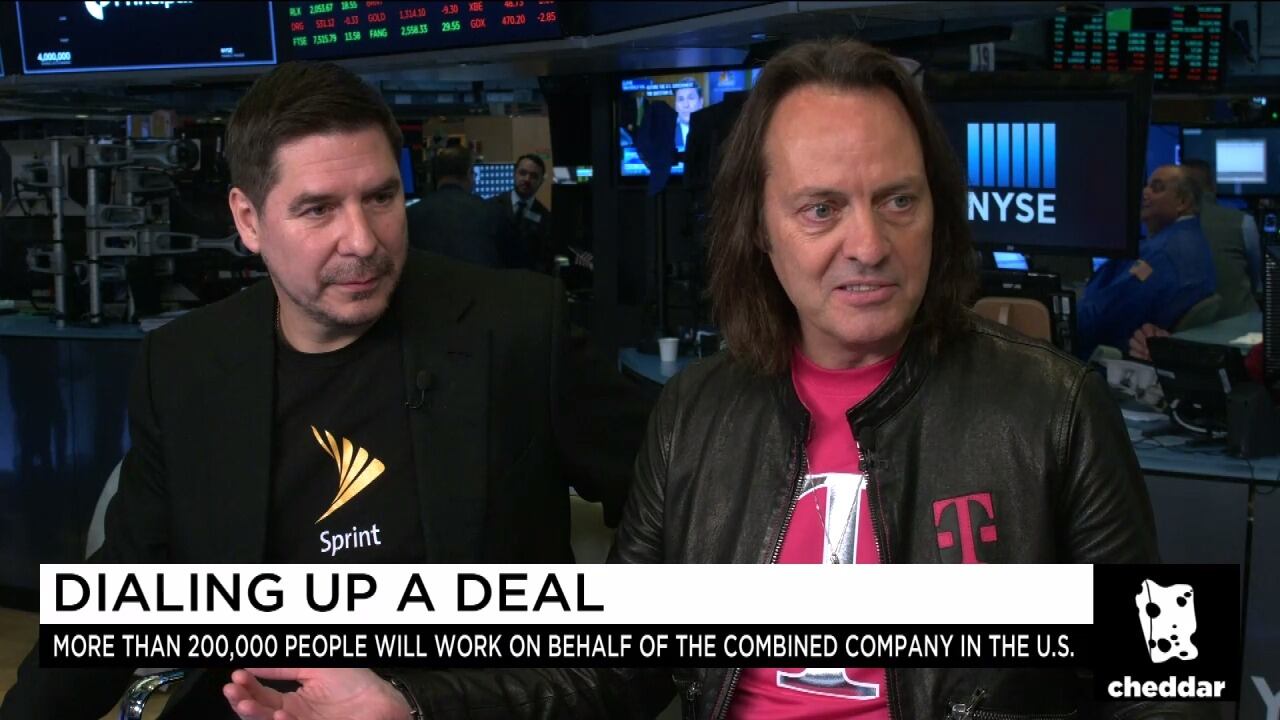
Sprint and T-Mobile are merging because shared resources help both companies achieve their ambitions, said the Sprint CEO Marcelo Claure. "The world's best partnerships or the best mergers have been formed when the two companies realize that they need each other," he tells Cheddar's
Hope King.
By combining forces, T-Mobile and Sprint can help the United States create a 5G network vital to the country's digital infrastructure, the companies' chief executives say in an interview with Cheddar's Hope King. "Our competitors are not going to stand still. They're also going to invest," says the Sprint CEO Marcelo Claure. He cites a recent study by CTIA, a wireless industry trade group which he also chairs, that said 5G networks could add 3 million jobs to the American economy.
The CEOs of both wireless providers told Cheddar Monday that it's critical the U.S. rolls out 5G technology in order to stay ahead in the global market. "We currently, as a nation, are behind," said T-Mobile CEO John Legere. The carriers announced a plan to merge Sunday, arguing that the combined company will help build out a faster, next-generation network, drive down prices for consumers, and create jobs. They still need the seal of approval from regulators who, in the past, have expressed antitrust concerns over the deal.
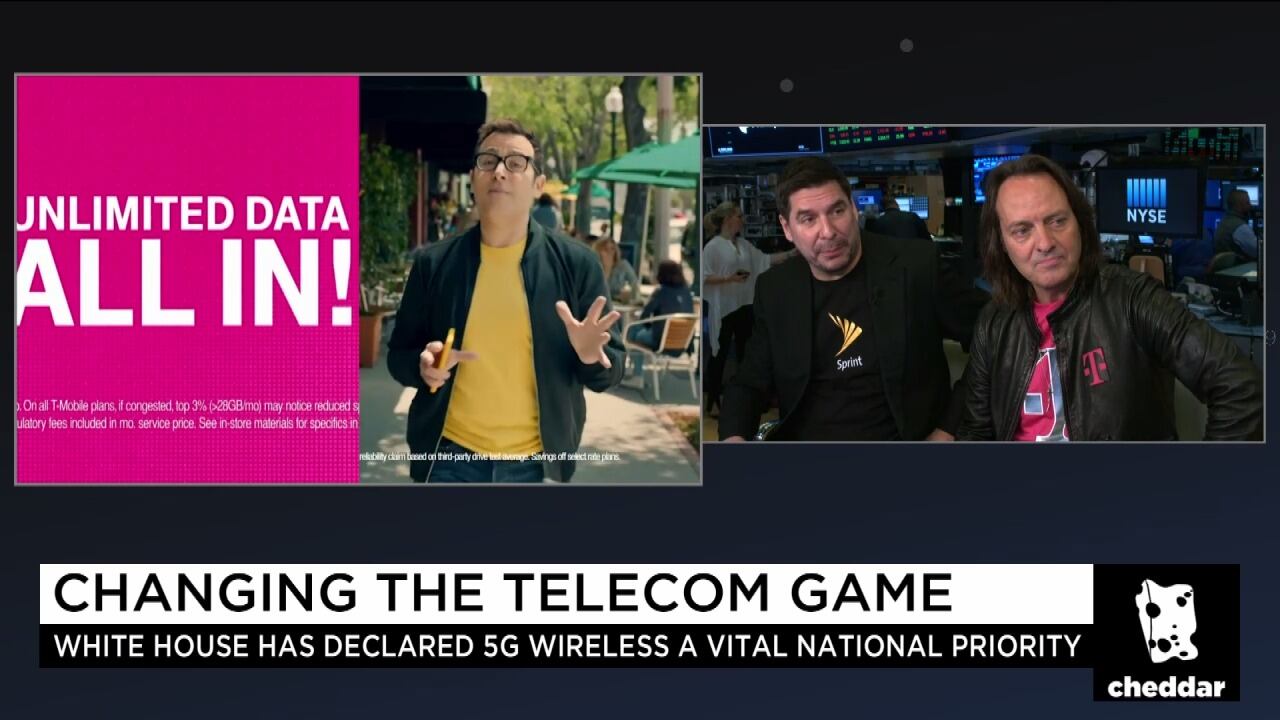
The agreed merger of T-Mobile and Sprint aligns with President Trump's policy priorities, the T-Mobile CEO John Legere says in an interview with Cheddar's Hope King. He says the president's tax policies have "added a great amount of value in this deal," and the merged company can help create a fast 5G network vital to the country's digital infrastructure, another priority for Trump.
A recent Survey Monkey poll revealed that 37 percent of working moms say they don't find support on social media, where they are usually shamed or can't find advice. That's what inspired the founder of Pando, Sarah Lacy, to launch "Chairman Mom," a social media platform for mothers.
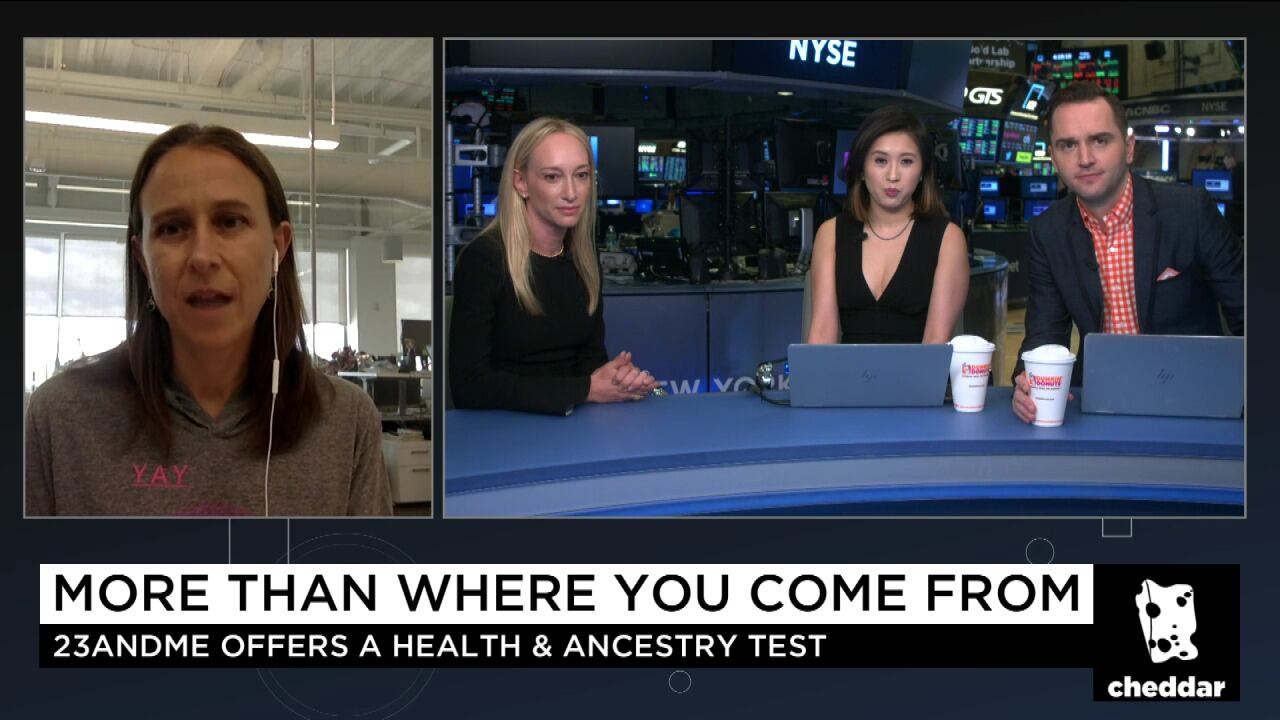
Jill Steinberg, the wife of Cheddar's CEO, took the DIY genetic test out of curiosity and found out she was prone to breast cancer. "There's always something there to learn," says Anne Wojcicki, CEO and founder of 23andMe.