*By Bridgette Webb*
Turtle Beach is on a roll.
The headset producer unveiled a new line of gaming gear called Atlas that's specifically designed for PC gamers.
"We are doing the same thing in the PC segment that we are doing in the console headset gaming segment for many years," said Turtle Beach CEO Juergen Stark in an interview Thursday on Cheddar. "We've put a lot of effort in making sure the build quality, the audio quality and the mic quality is the best you can get."
The new headset was introduced after the company reported second-quarter results that blew away analysts' expectations. Net revenue, net income, and earnings were higher than any second quarter since the company's 2014 IPO. Turtle Beach reported $60.8 million in revenue for the quarter ー up from $19.1 million the year before.
Stark attributed Turtle Beach's success to cost cutting on one side of its balance sheet and the booming demand for headsets generated by the popularity of battle royale games Fortnite and PUBG.
As promising a year as it's been so far, Stark said international tariffs could hurt sales of the imported Turtle Beach headsets.
"It will effect retail pricing for us, and for everyone in the category if what people are threatening goes through," he said. "I'm hopeful that it doesn't happen, I don't see how increasing the prices for consumers for everything you buy that's electronic is going to help anybody."
When asked how tariffs would affect the price of gaming headsets, Stark offered a matter-of-fact outlook.
"If there is a 10 percent tariff and you are building a product in China, the retail price point is going to go up 10 percent. If it's a 25 percent tariff that's being threatened, the retailer is it going to go up 25 percent."
For more on this story, [click here](https://cheddar.com/videos/turtle-beach-expands-further-into-pc-gaming).
The music streaming company's decision to stop promoting R. Kelly, who has been accused of sexually abusing women in a sex cult, was driven by a social push from its users, says Phillip Tracy, tech writer for the Daily Dot.
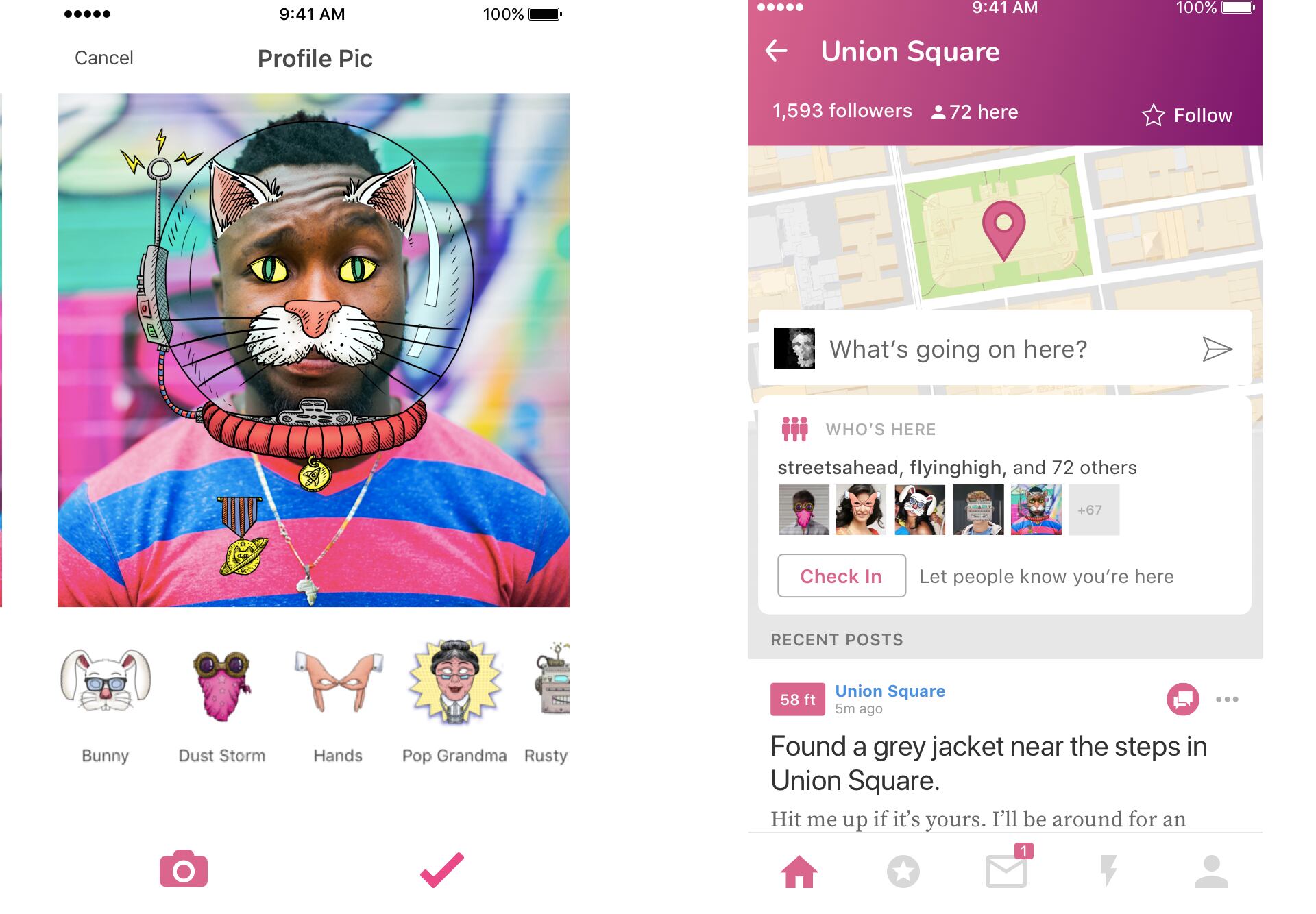
Dolo uses location to help users find people around them, encouraging them to meet new friends. Safety, of course, is a major concern and the app lets users go by fake names and mask their profile pictures, say the co-founders Raja Haddad and Ben Vigier.
Facebook is developing a virtual token that would allow users around the world to make electronic payments. The news comes after the company announced its biggest-ever executive reshuffle, which put former Messenger chief David Marcus at the head of a new blockchain unit.
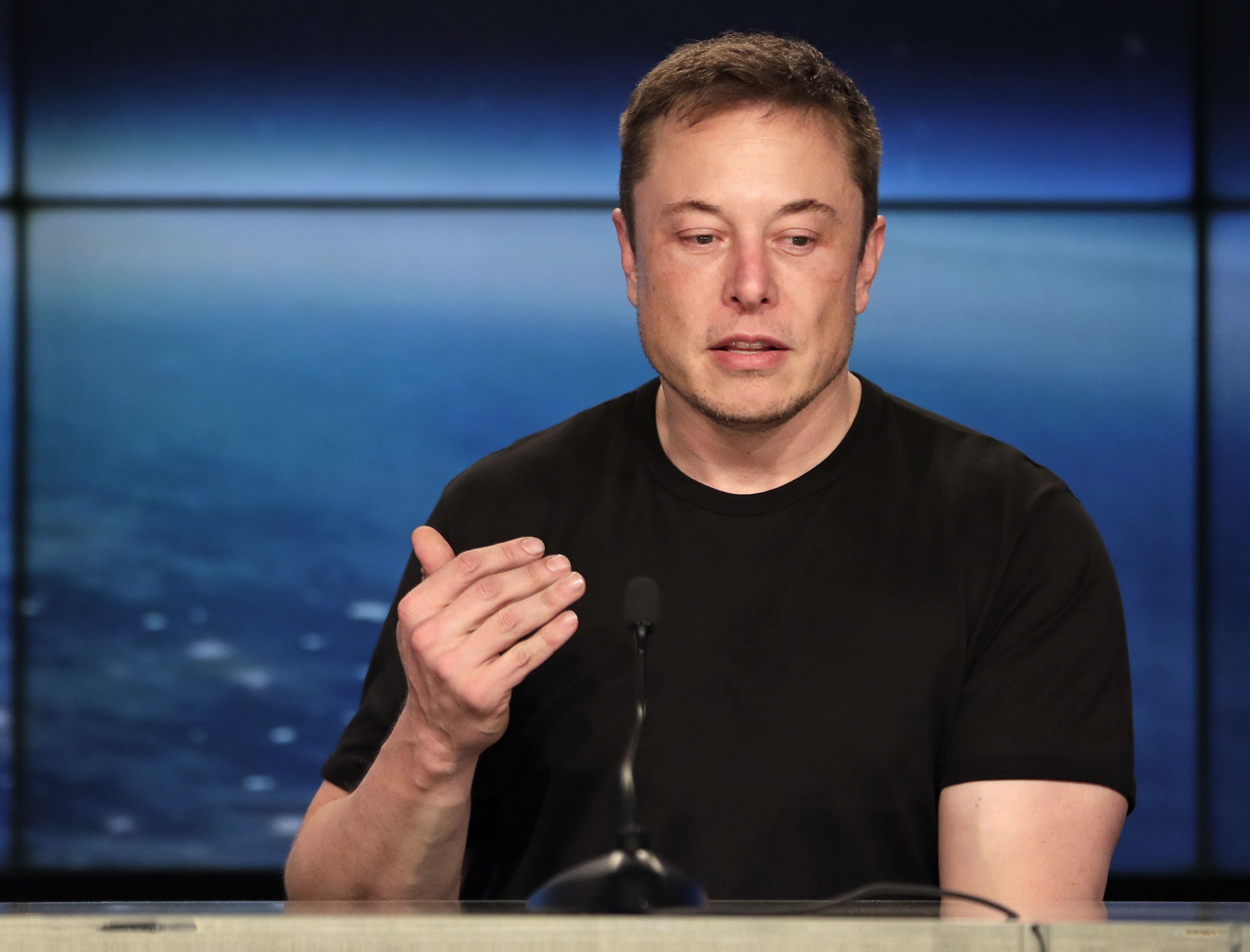
Musk claimed on Instagram that his first underground tunnel in LA is "almost done," pending final regulatory approvals, and promised his Boring Company will initially offer free rides to the public. But investors have come to take the Tesla CEO's bold promises with a grain of salt.
The newly formed company connects homeowners to service providers, such as plumbers and painters. ANGI Homeservices, which is one of the biggest revenue sources for its parent company IAC, has seen "strong demand from homeowners" since the merger a year ago, says CEO Chris Terrill.
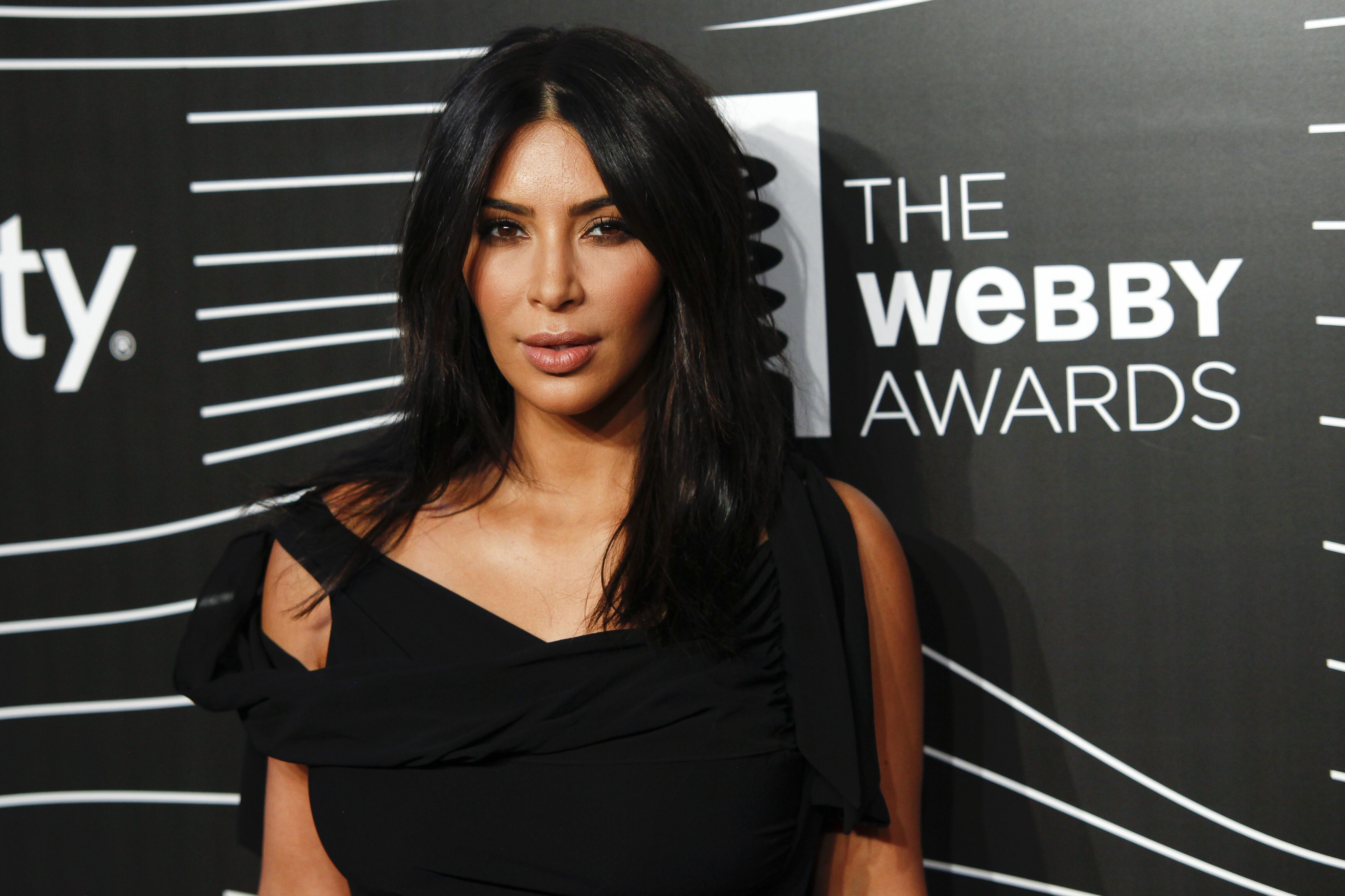
The Webby Awards have been running for over two decades and have evolved "as the internet has grown," says Claire Graves, executive director of the annual awards. Each year, the best of the best are rewarded for their contributions to the internet. This year, podcasts and games will be honored too. The awards will air on Tuesday.
The free trading app, which now lists stocks, options, and two cryptocurrencies, also surpassed rival E*TRADE in terms of users. Robinhood will use its fresh funding to build out even more products, says Dan Primack, business editor at Axios.
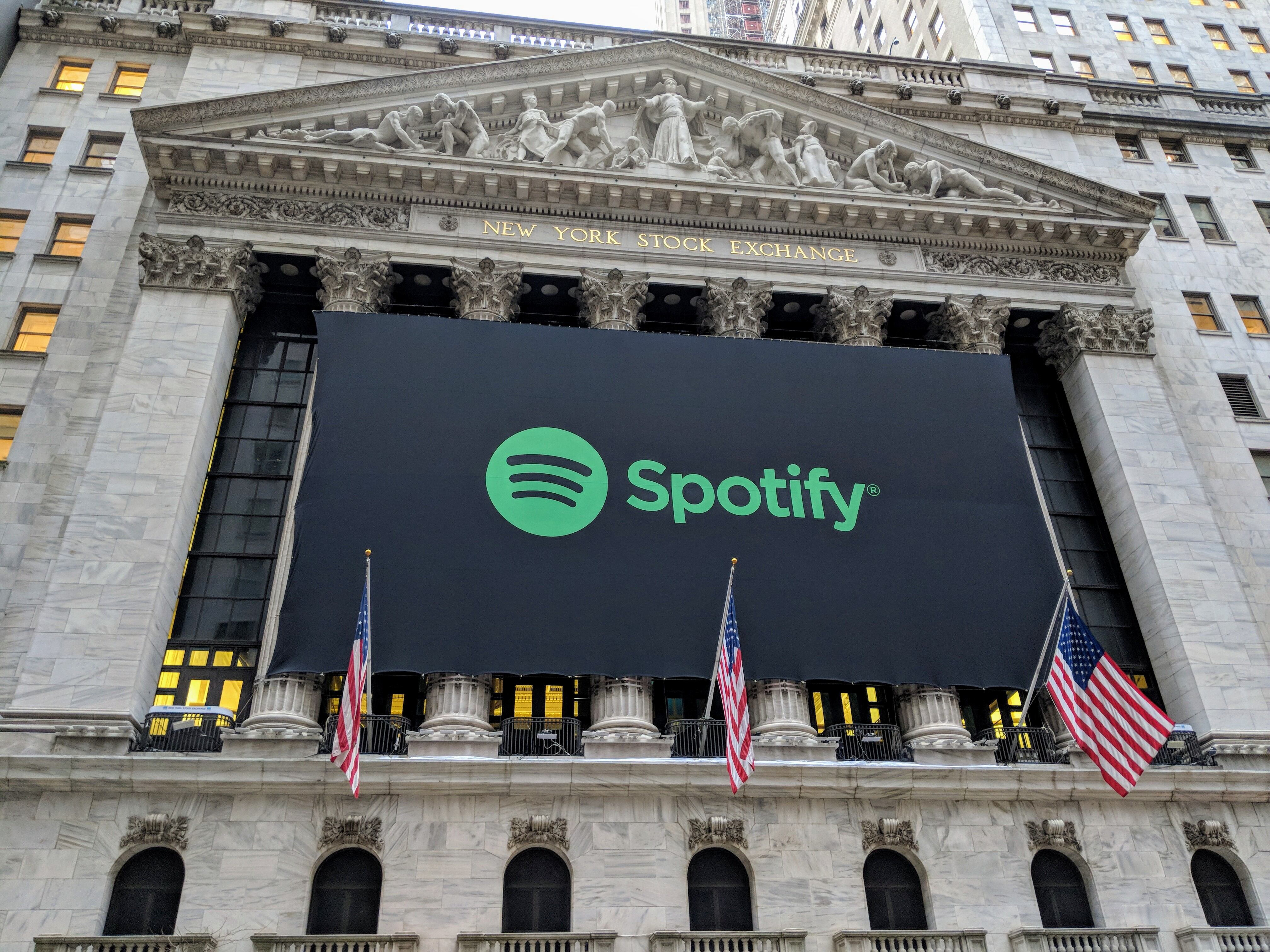
Warren Buffett and Bill Gates have openly expressed their doubts about Bitcoin. But institutions like Goldman Sachs and the New York Stock Exchange are considering embracing the cryptocurrency, suggesting that Bitcoin may just be a "blind spot" for the older generation, says Jen Wieczner, a senior writer at Fortune.
Millennials are rethinking how they use traditional banks, which opens up a massive opportunity for fintech companies, says Anu Duggal, a founding partner of the fund that just received an additional $27 million in seed money.
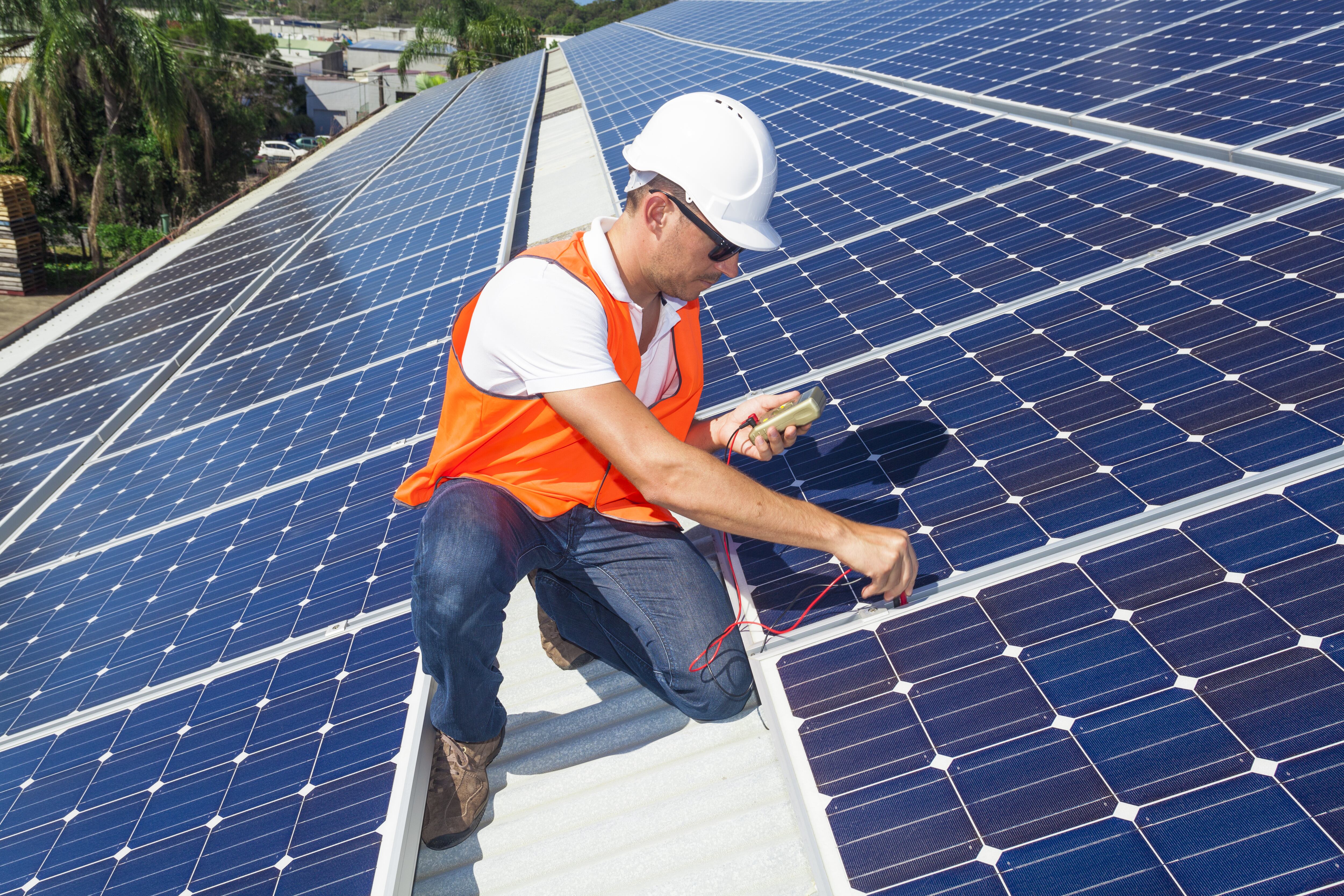
The state became the first in the U.S. to require almost all new homes to have solar panels, part of an effort to get half the state's electricity from renewable sources by 2030.