*By Bridgette Webb*
Turtle Beach is on a roll.
The headset producer unveiled a new line of gaming gear called Atlas that's specifically designed for PC gamers.
"We are doing the same thing in the PC segment that we are doing in the console headset gaming segment for many years," said Turtle Beach CEO Juergen Stark in an interview Thursday on Cheddar. "We've put a lot of effort in making sure the build quality, the audio quality and the mic quality is the best you can get."
The new headset was introduced after the company reported second-quarter results that blew away analysts' expectations. Net revenue, net income, and earnings were higher than any second quarter since the company's 2014 IPO. Turtle Beach reported $60.8 million in revenue for the quarter ー up from $19.1 million the year before.
Stark attributed Turtle Beach's success to cost cutting on one side of its balance sheet and the booming demand for headsets generated by the popularity of battle royale games Fortnite and PUBG.
As promising a year as it's been so far, Stark said international tariffs could hurt sales of the imported Turtle Beach headsets.
"It will effect retail pricing for us, and for everyone in the category if what people are threatening goes through," he said. "I'm hopeful that it doesn't happen, I don't see how increasing the prices for consumers for everything you buy that's electronic is going to help anybody."
When asked how tariffs would affect the price of gaming headsets, Stark offered a matter-of-fact outlook.
"If there is a 10 percent tariff and you are building a product in China, the retail price point is going to go up 10 percent. If it's a 25 percent tariff that's being threatened, the retailer is it going to go up 25 percent."
For more on this story, [click here](https://cheddar.com/videos/turtle-beach-expands-further-into-pc-gaming).
The hedge fund is investing $500 million in blockchain technology, focusing on converting traditional paper equity into tokens, a move that could help regulators, says Anthony Pompliano, a partner at Morgan Creek Blockchain Capital.
A deadly school shooting in Texas, and Elon Musk's plans for LA traffic. Plus the CIA gets its first female director, a one-time, online-only bedding store goes brick-and-mortar, and we get ready for the Royal Wedding.
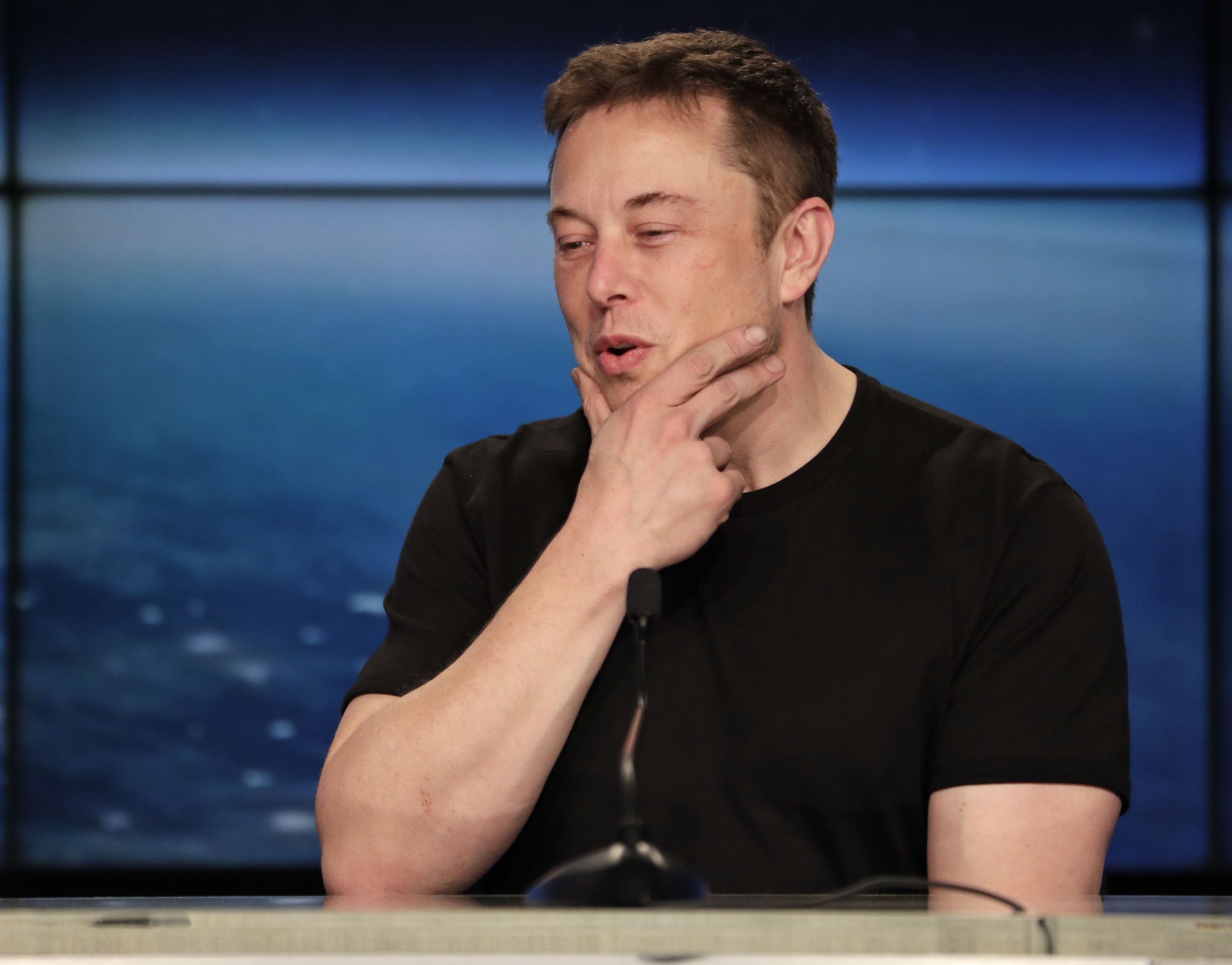
Musk, the head of Tesla and SpaceX, shared details Thursday of his Boring Co.'s plans to help alleviate Los Angeles's notorious traffic problem. He said an underground tunnel would shuttle "pods" of up to 16 people at a time at speeds of 150 miles an hour for just $1 per ride. But the plan faces resistance from some residents who want a full environmental review.
The online learning platform had its Nasdaq debut Thursday, when the stock opened at $20, or 33 percent above its IPO price. Enthusiasm for the online education platform is driven by a rapidly increasing skills gap in the job market, which Pluralsight aims to narrow, says the company's CEO Aaron Skonnard.
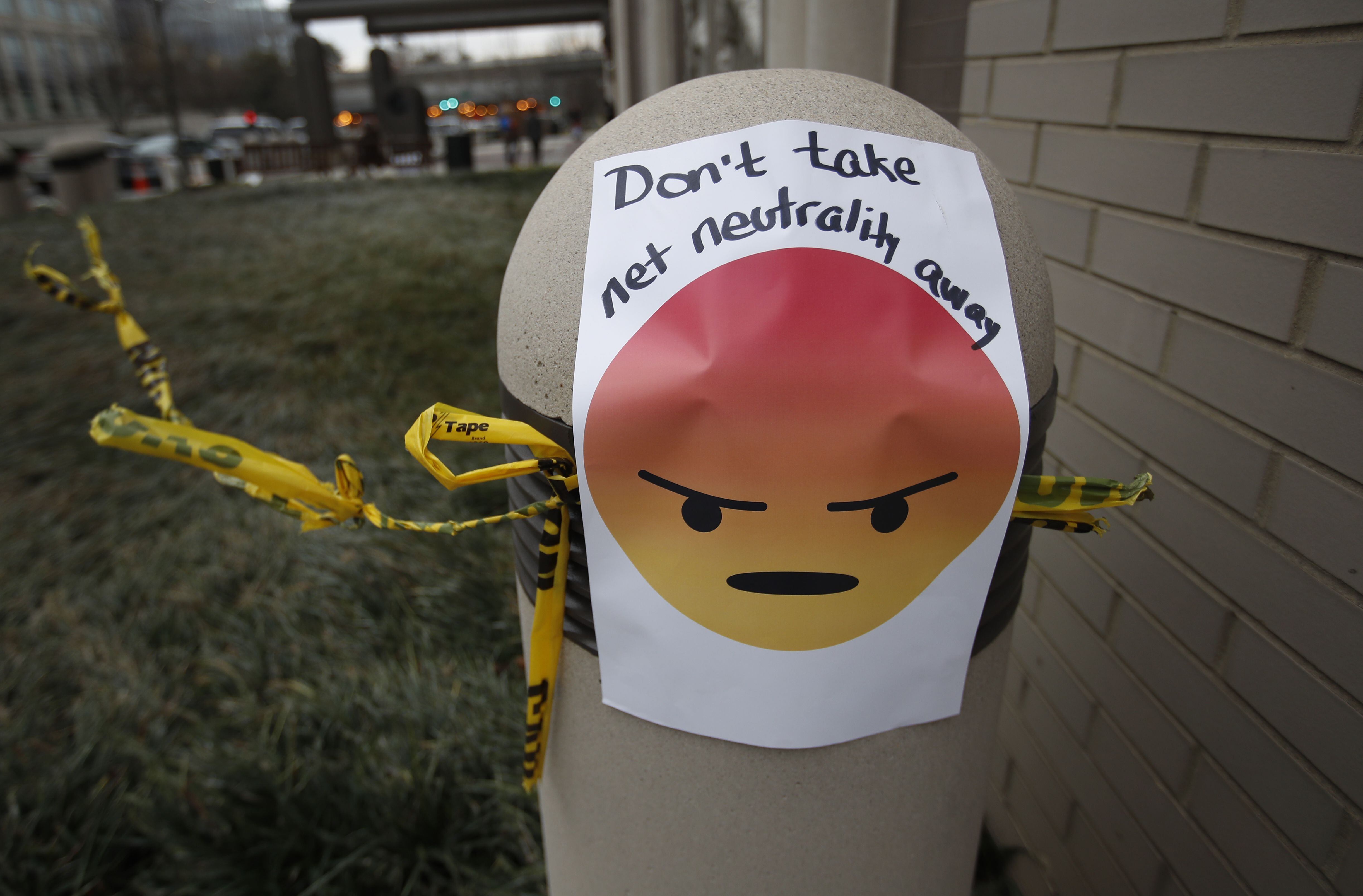
After all Senate Democrats voted in favor of keeping the internet open and fair, the party is using this opportunity to paint itself as a champion of the consumer going into the midterm elections later this year, says Ross Rubin, principal analyst at Reticle Research.
Google's video streaming platform is jumping into the music space with personalized playlists, a new, dedicated app and desktop player, and song downloads.
The affordable TV streaming service is testing out new features that will "make TV a much more social experience," says CEO Andrew McCollum.
Senators voted Wednesday to override the FCC's repeal of net neutrality rules, keeping the internet free and open...for now. The resolution now heads to the House, where it is still 57 votes short of passing.
The Democrat from Rhode Island said doing away with the internet regulations would give large service providers too much power over the content that people see. The Senate on Wednesday voted to reinstate the Obama-era legislation, sending the bill to House, where it's expected to be shot down.
The social media company is using A.I. to make content on its site more accessible and connect people with disabilities to helpful communities.
"We are working on making it possible for essentially anybody to connect with anybody," says Matt King, an engineer at Facebook who lost his sight in college. He is also a three-time Paralympian and a record-breaking tandem cyclist.
Facebook's accessibility efforts are part of a wider commitment from tech companies, including Microsoft and Apple, to make their products easier to use.