*By Bridgette Webb*
Turtle Beach is on a roll.
The headset producer unveiled a new line of gaming gear called Atlas that's specifically designed for PC gamers.
"We are doing the same thing in the PC segment that we are doing in the console headset gaming segment for many years," said Turtle Beach CEO Juergen Stark in an interview Thursday on Cheddar. "We've put a lot of effort in making sure the build quality, the audio quality and the mic quality is the best you can get."
The new headset was introduced after the company reported second-quarter results that blew away analysts' expectations. Net revenue, net income, and earnings were higher than any second quarter since the company's 2014 IPO. Turtle Beach reported $60.8 million in revenue for the quarter ー up from $19.1 million the year before.
Stark attributed Turtle Beach's success to cost cutting on one side of its balance sheet and the booming demand for headsets generated by the popularity of battle royale games Fortnite and PUBG.
As promising a year as it's been so far, Stark said international tariffs could hurt sales of the imported Turtle Beach headsets.
"It will effect retail pricing for us, and for everyone in the category if what people are threatening goes through," he said. "I'm hopeful that it doesn't happen, I don't see how increasing the prices for consumers for everything you buy that's electronic is going to help anybody."
When asked how tariffs would affect the price of gaming headsets, Stark offered a matter-of-fact outlook.
"If there is a 10 percent tariff and you are building a product in China, the retail price point is going to go up 10 percent. If it's a 25 percent tariff that's being threatened, the retailer is it going to go up 25 percent."
For more on this story, [click here](https://cheddar.com/videos/turtle-beach-expands-further-into-pc-gaming).
Snap is reportedly looking to get into gaming, a move that other platforms will likely copy because users are starting to "socialize in these games," says Chris Merwin, esports analyst at Goldman Sachs.
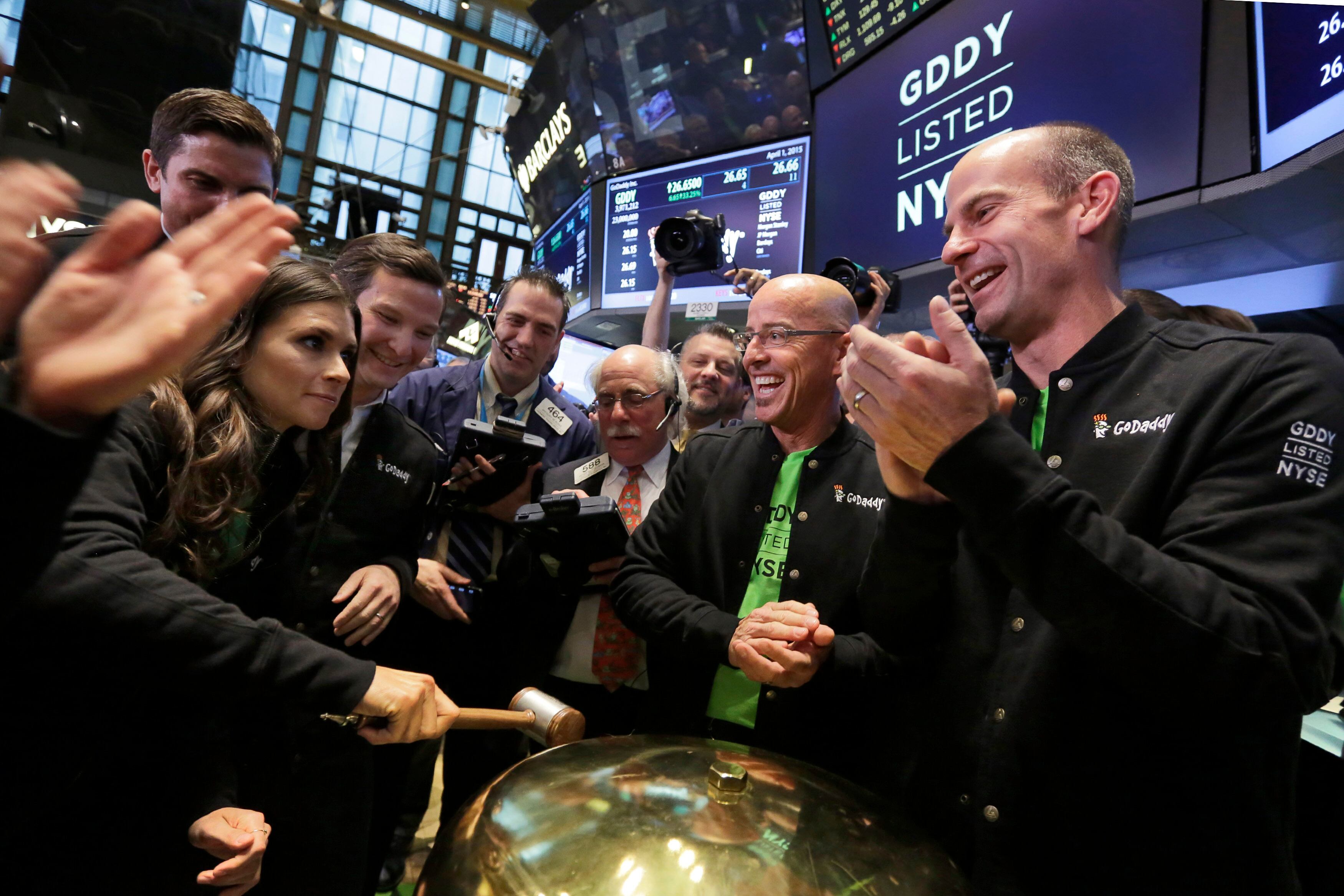
More than a third of GoDaddy's 18 million users are from outside the U.S., a number that will continue to rise, says Wagner. The platform is also adding new services to help it expand beyond hosting websites. "Our goal over the next five years is to really be the place where ideas start, grow, and thrive online."
The messaging tool was down for the better part of Wednesday, affecting workplaces across the country. For its size and how crucial it has become for businesses, an hours-long outage is "really troubling," says Brett Molina, digital editor at USA TODAY.
The ride-sharing company got a new $600 million worth of funding, led by investment firm Fidelity. That raises its valuation to $15.1 billion from about $7.5 billion a year ago. But even with the fresh money, Andrew Hawkins, senior transportation reporter for the Verge, said the company could still IPO before Uber.
The White House announced plans to ease restrictions on Chinese investment in U.S. technology companies on Wednesday. The Trump administration won't block companies with 25 percent or more of Chinese ownership from buying into the U.S. tech sector. Markets rebounded on the news.
The results are in from Tuesday's primary elections. Zach Montellaro, campaign reporter at Politico, joins Cheddar to weigh in on the shocking political upset in New York's 14th district. Political newcomer Alexandria Ocasio-Cortez defeated Rep. Joe Crowley, the fourth most powerful Democrat in the House.
Plus, Conagra Brands is buying Pinnacle Foods in a cash-and-stock deal worth $10.9 billion. The deal will create the second largest frozen food company in the U.S., just behind Nestle. Conagra owns Healthy Choice and Pinnacle owns Birds Eye.
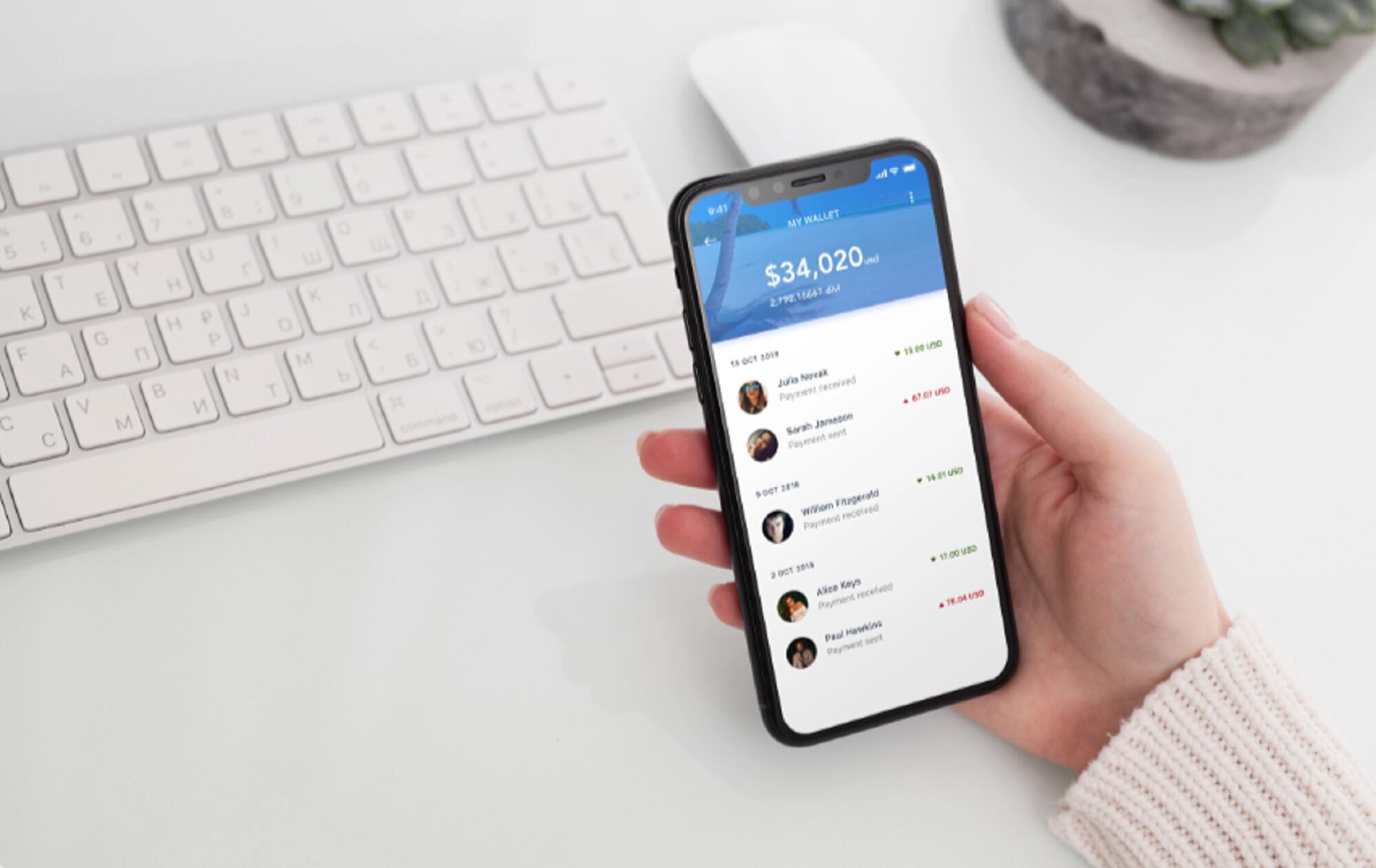
Divi Project allows users to send cryptocurrencies to each other with the same ease as PayPal, but without the high transaction fees, since the company doesn't need an intermediary, says Co-Founder Nick Saponado.
The web hosting company's CEO spends a big chunk of time thinking about data rights and privacy, but Scott Wagner says his firm has an advantage over other internet companies because it doesn't rely on selling that info. "GoDaddy's business has always been about protecting information," Wagner said.
Match, which acquired a 51 percent stake in the dating app last week, will help the company scale both domestically and around the world, said Hinge CEO Justin McLeod. Match's portfolio also includes Tinder and OkCupid.
Instagram is now estimated at over $100 billion in value. Venmo rolls out an actual plastic debit card with Mastercard. The FDA approves its first marijuana-derived medication. The newest member of the Bush family is Sully the service dog. The yellow lab has been assigned to President George H.W. Bush, who is 94, and recovering from recent hospitalizations.
Amazon is partnering with American Express to launch a credit card designed for small businesses. But don't expect the financial industry to be the next area the tech giant jumps into, said Autonomous Research partner Lex Sokolin told Cheddar.