*By Bridgette Webb*
Turtle Beach is on a roll.
The headset producer unveiled a new line of gaming gear called Atlas that's specifically designed for PC gamers.
"We are doing the same thing in the PC segment that we are doing in the console headset gaming segment for many years," said Turtle Beach CEO Juergen Stark in an interview Thursday on Cheddar. "We've put a lot of effort in making sure the build quality, the audio quality and the mic quality is the best you can get."
The new headset was introduced after the company reported second-quarter results that blew away analysts' expectations. Net revenue, net income, and earnings were higher than any second quarter since the company's 2014 IPO. Turtle Beach reported $60.8 million in revenue for the quarter ー up from $19.1 million the year before.
Stark attributed Turtle Beach's success to cost cutting on one side of its balance sheet and the booming demand for headsets generated by the popularity of battle royale games Fortnite and PUBG.
As promising a year as it's been so far, Stark said international tariffs could hurt sales of the imported Turtle Beach headsets.
"It will effect retail pricing for us, and for everyone in the category if what people are threatening goes through," he said. "I'm hopeful that it doesn't happen, I don't see how increasing the prices for consumers for everything you buy that's electronic is going to help anybody."
When asked how tariffs would affect the price of gaming headsets, Stark offered a matter-of-fact outlook.
"If there is a 10 percent tariff and you are building a product in China, the retail price point is going to go up 10 percent. If it's a 25 percent tariff that's being threatened, the retailer is it going to go up 25 percent."
For more on this story, [click here](https://cheddar.com/videos/turtle-beach-expands-further-into-pc-gaming).
These are the headlines you Need2Know for Wednesday, Aug. 15.
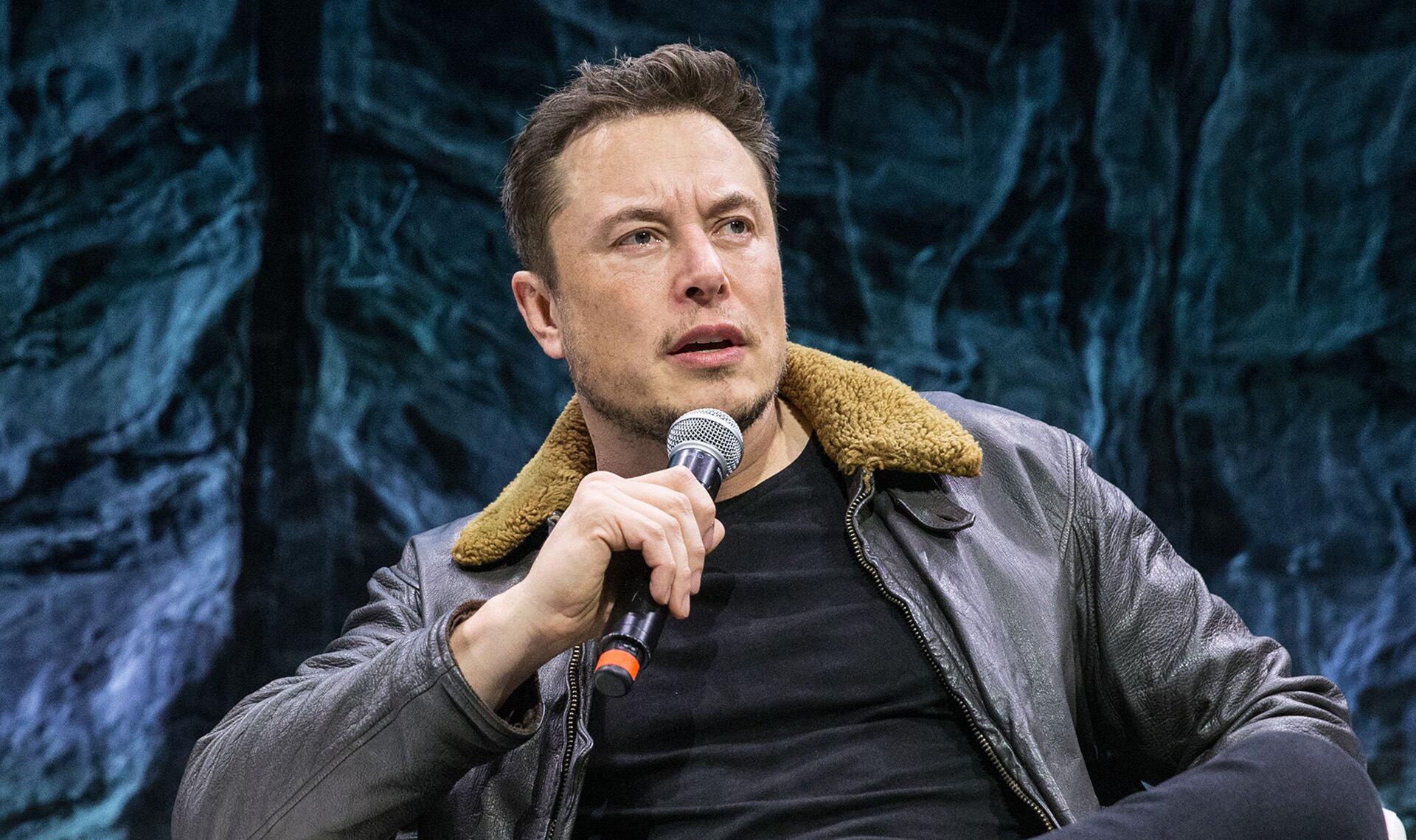
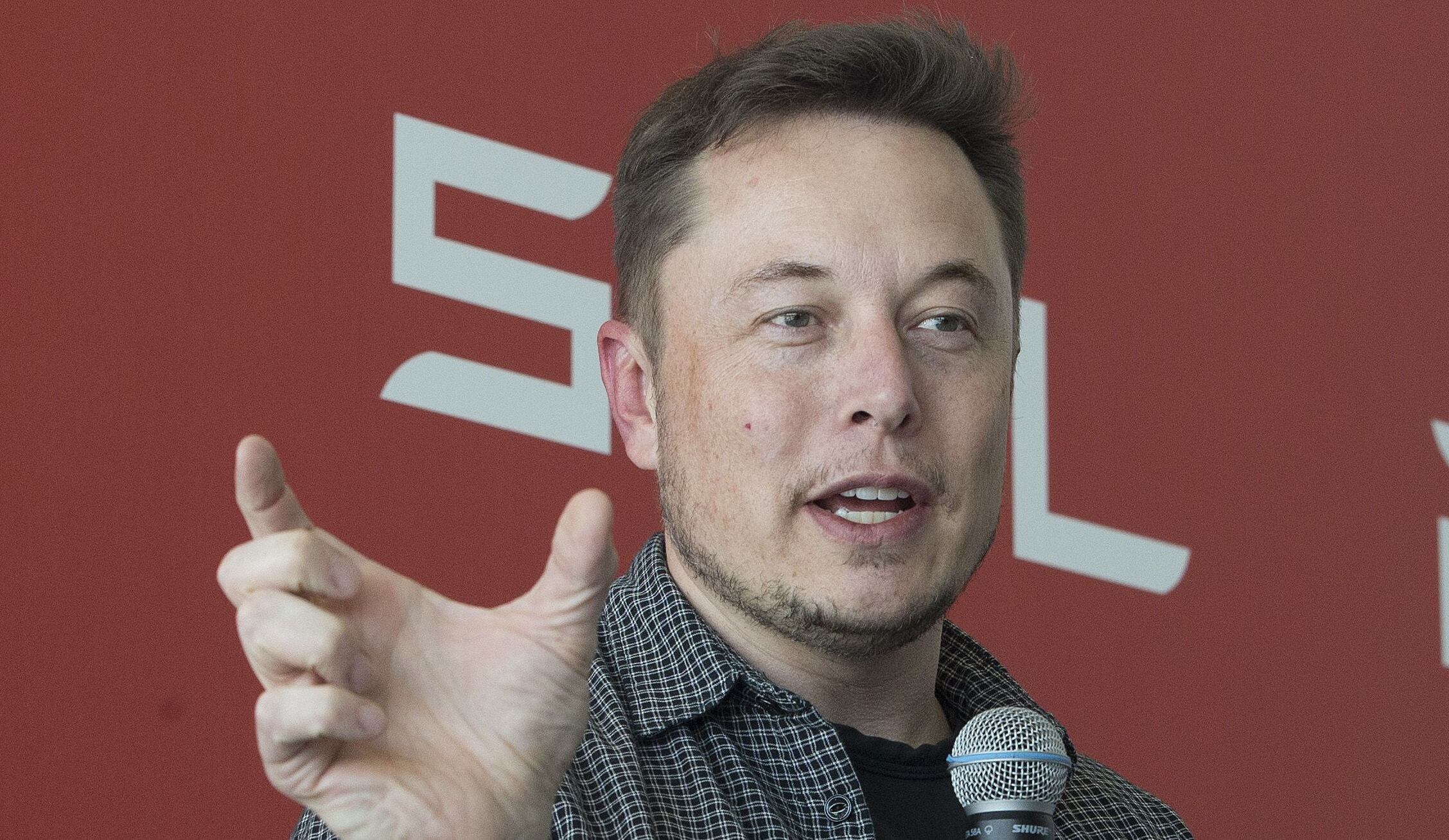
Saudi Arabia's interest in funding a buyout of Tesla shareholders is far from certain, said Maureen Farrell of the Wall Street Journal. But it's unclear, she told Cheddar, if the kingdom's sovereign wealth fund would have the capital to secure such a deal for the electric carmaker's CEO, Elon Musk.
As users disengage with social media, advertisers would be wise to shift their focus to mobile games, where consumers may be more receptive, says Adam Cohen-Aslatei, vice president of marketing at Jun Group. "People report being more focused, relaxed and more engaged in a mobile game as compared to people on social media," Cohen-Aslatei says.
Disabling location history on your phone isn't enough to stop Google from tracking your whereabouts, the Associated Press revealed. To ensure your location is not being saved, Wired magazine's Emily Dreyfuss tells you how to turn off "web and app activity" tracking in your Google account.
As students prepare to go back to school, Google introduces new ways for parents to monitor their children's screen time and use mobile devices as learning resources. LaToya Drake, a Google spokesperson and media outreach lead, discusses the company's new tools and what students and educators are searching for online as they return to the classroom.
An investor with a sizable short position in Tesla said Elon Musk's most recent statement on taking the company private "was almost a confession that he committed securities fraud." The investor, Will Chamberlain, is part of a class-action lawsuit alleging the Tesla CEO didn't have sufficient basis for saying he'd take the company private at $420 a share. Chamberlain's lawyer, Reed Kathrein, says it's "pretty clear funding was not secured" before Musk's original tweet announcing his intentions.
The internet's largest platform and distributor of GIFs helps brands carve out a relevant place in online conversations, says the Giphy COO Adam Leibsohn. The company's goal is to help brands such as Absolut Vodka and Dunkin' Donuts "entertain, not advertise," he says.
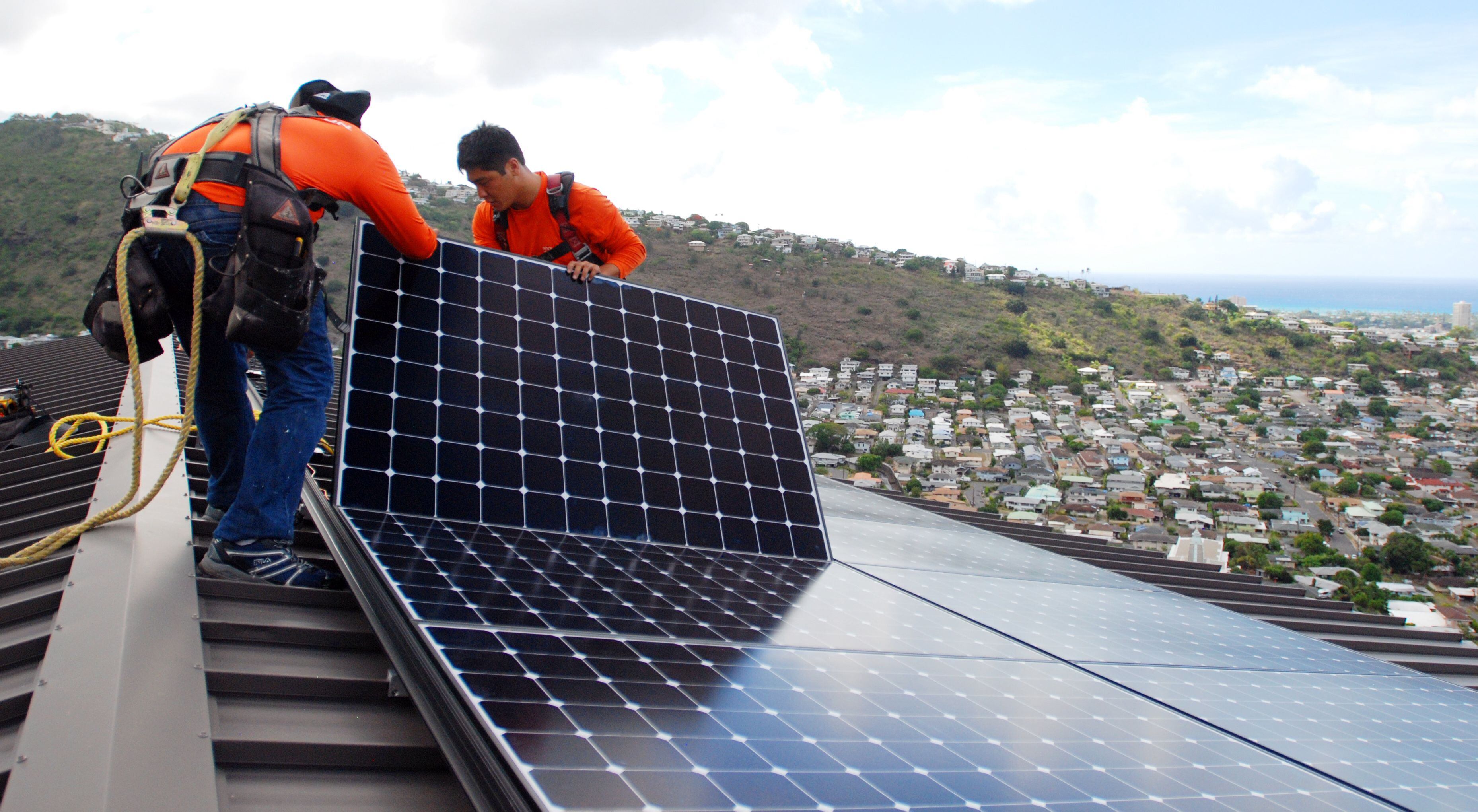
Without its own supplies of fossil fuels, it makes economic and environmental sense for Hawaii to develop its own renewable sources of energy, says Connie Lau, president and CEO of Hawaiian Electric Industries and chairman of Hawaiian Electric Company. To do so, the state can use its natural advantages in solar and wind, she says.
Hawaii aims to be completely reliant on renewable sources of energy by 2045, says Connie Lau, president and CEO of Hawaiian Electric Industries and chairman of Hawaiian Electric Company. To do so, she said the state can use its natural advantages in solar and wind.
"The market is going to be looking at Tesla more and more as a car company," says The Motley Fool's Jason Moser. "And if that's the case, they better get some earnings in very quickly or you could see that stock get shellacked here in the near term."