*By Bridgette Webb*
Turtle Beach is on a roll.
The headset producer unveiled a new line of gaming gear called Atlas that's specifically designed for PC gamers.
"We are doing the same thing in the PC segment that we are doing in the console headset gaming segment for many years," said Turtle Beach CEO Juergen Stark in an interview Thursday on Cheddar. "We've put a lot of effort in making sure the build quality, the audio quality and the mic quality is the best you can get."
The new headset was introduced after the company reported second-quarter results that blew away analysts' expectations. Net revenue, net income, and earnings were higher than any second quarter since the company's 2014 IPO. Turtle Beach reported $60.8 million in revenue for the quarter ー up from $19.1 million the year before.
Stark attributed Turtle Beach's success to cost cutting on one side of its balance sheet and the booming demand for headsets generated by the popularity of battle royale games Fortnite and PUBG.
As promising a year as it's been so far, Stark said international tariffs could hurt sales of the imported Turtle Beach headsets.
"It will effect retail pricing for us, and for everyone in the category if what people are threatening goes through," he said. "I'm hopeful that it doesn't happen, I don't see how increasing the prices for consumers for everything you buy that's electronic is going to help anybody."
When asked how tariffs would affect the price of gaming headsets, Stark offered a matter-of-fact outlook.
"If there is a 10 percent tariff and you are building a product in China, the retail price point is going to go up 10 percent. If it's a 25 percent tariff that's being threatened, the retailer is it going to go up 25 percent."
For more on this story, [click here](https://cheddar.com/videos/turtle-beach-expands-further-into-pc-gaming).
These are the headlines you Need 2 Know for Tuesday, Jan. 8, 2018.
Investor sentiment is easy to track on the public markets, but private trends are more opaque ー and tech investors are increasingly prioritizing profitability over valuation. That's good news for companies looking to go public, like Airbnb and Lyft, but Uber might want to consider an alternative path to liquidity, J. Michael Ostendorff, director for Lagniappe Labs, told Cheddar on Monday.
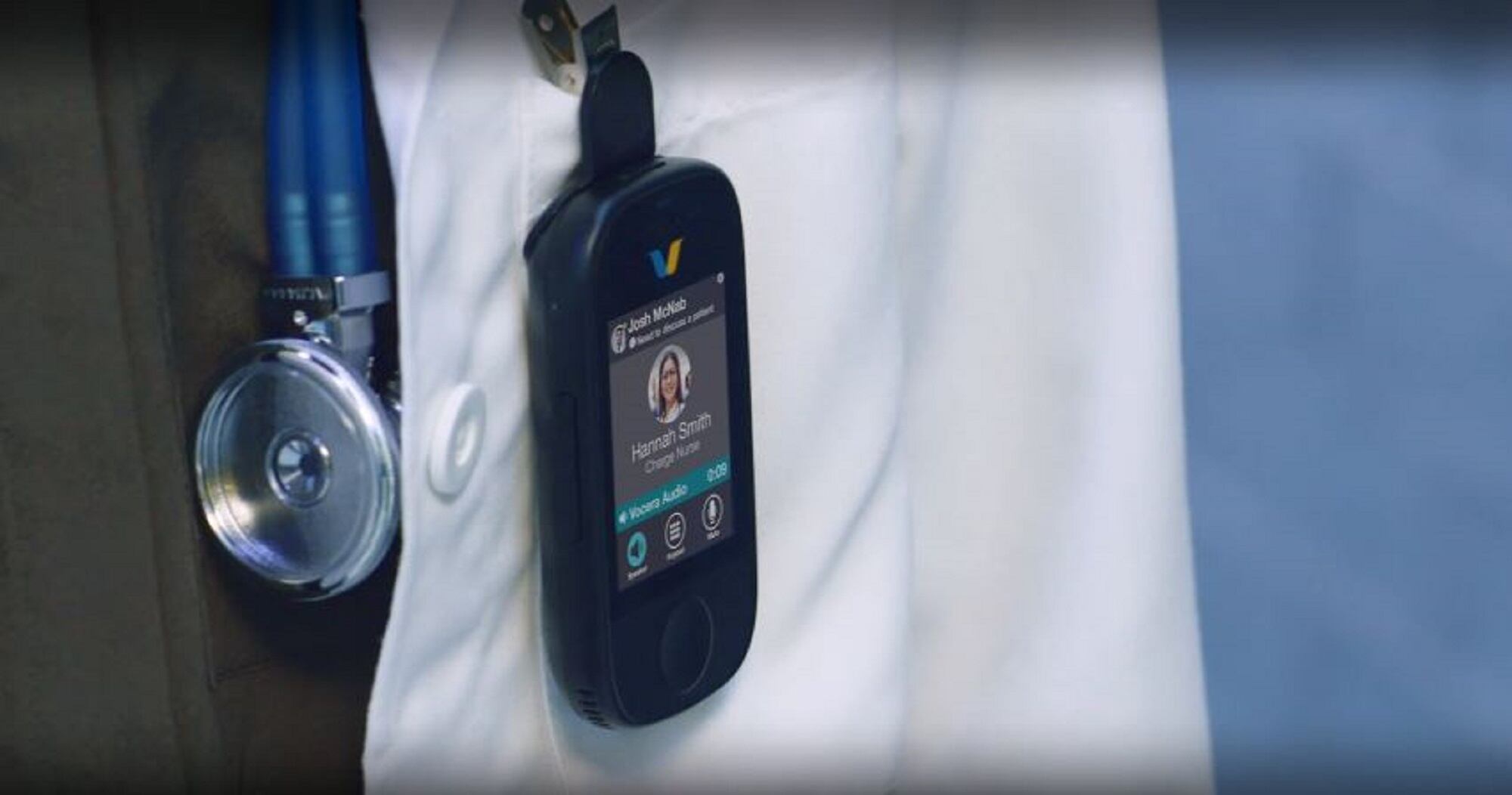
Vocera wants to get patients in and out of the hospital as quickly and efficiently as possible ー and it's using Star Trek-inspired, connected badges to achieve that ambition. "We believe that by delivering the right information to the right caregiver at the right point in time, we can really eliminate some of those frustrations and delays and interruptions ー and allow \[patients\] to have a more seamless path through the hospital," Vocera CEO Brent Lang told Cheddar Monday.
The world's biggest tech event, CES, is upon us. In past years, the Las Vegas-based trade show has presented such memorable innovations as the first-ever home VCR and the (short-lived) Nintendo PlayStation ー but this year will be all about 5G. "Just like the transition from 3G to 4G, this transition from 4G to 5G is inevitable ー it is happening," George Slefo, Ad Age technology reporter told Cheddar Monday.
The head of security for Huawei, the embattled Chinese tech giant that has been accused of working as a front for Chinese intelligence services, told Cheddar's Hope King on Monday that "no government has ever asked us to spy" and that those accusations were part of a "drumbeat of anti-Huawei criticism."
It's become par for the course for Epic Games to release game-changing items in Fortnite just before tournaments. Ghost Gaming's Kayuun shares his worries for what that means for competitive Fortnite.
People with "get a job" on their list of New Year's resolutions should look to the tech industry, according to a trends report from PayScale. "Tech is the winner when it comes to where you really want to go for good career opportunities, high job satisfaction, and good wage growth," Katie Bardaro, PayScale's Chief Economist and VP of Data Analytics, told Cheddar Friday.
New York is getting into a crypto state of mind with plans to create the nation's first Crypto Task Force. "New York State is the financial capital of the world, and we must have the proper regulations and proper balance to be able to figure out how to regulate in this space," N.Y. Assemblyman Clyde Vanel told Cheddar.
Roku's new content partnership with Showtime, Starz, and other premium channels is "just the beginning" of a greater expansion into paid content, the company's VP of programming and engagement told Cheddar Thursday.
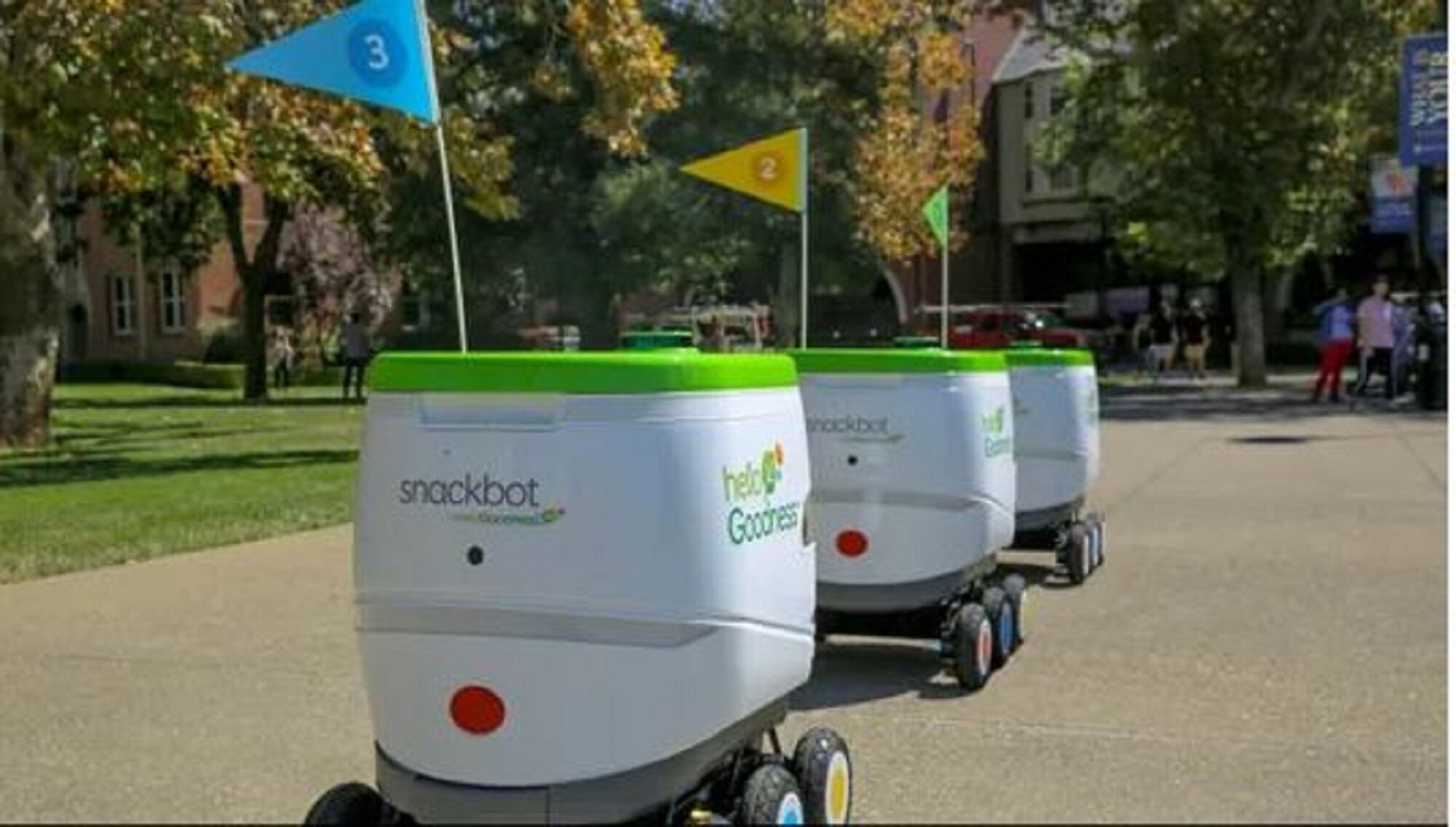
PepsiCo is spearheading an autonomous food delivery service on the campus of the University of the Pacific in Stockton, Calif., where students can now order snacks via an app that are then delivered to them via a small robotic vehicle. The "snackbot" is a "first-of-its-kind" experiment in self-driving and robotics technology, Scott Finlow, vice president of innovation and insights at PepsiCo, told Cheddar.