*By Bridgette Webb*
Turtle Beach is on a roll.
The headset producer unveiled a new line of gaming gear called Atlas that's specifically designed for PC gamers.
"We are doing the same thing in the PC segment that we are doing in the console headset gaming segment for many years," said Turtle Beach CEO Juergen Stark in an interview Thursday on Cheddar. "We've put a lot of effort in making sure the build quality, the audio quality and the mic quality is the best you can get."
The new headset was introduced after the company reported second-quarter results that blew away analysts' expectations. Net revenue, net income, and earnings were higher than any second quarter since the company's 2014 IPO. Turtle Beach reported $60.8 million in revenue for the quarter ー up from $19.1 million the year before.
Stark attributed Turtle Beach's success to cost cutting on one side of its balance sheet and the booming demand for headsets generated by the popularity of battle royale games Fortnite and PUBG.
As promising a year as it's been so far, Stark said international tariffs could hurt sales of the imported Turtle Beach headsets.
"It will effect retail pricing for us, and for everyone in the category if what people are threatening goes through," he said. "I'm hopeful that it doesn't happen, I don't see how increasing the prices for consumers for everything you buy that's electronic is going to help anybody."
When asked how tariffs would affect the price of gaming headsets, Stark offered a matter-of-fact outlook.
"If there is a 10 percent tariff and you are building a product in China, the retail price point is going to go up 10 percent. If it's a 25 percent tariff that's being threatened, the retailer is it going to go up 25 percent."
For more on this story, [click here](https://cheddar.com/videos/turtle-beach-expands-further-into-pc-gaming).
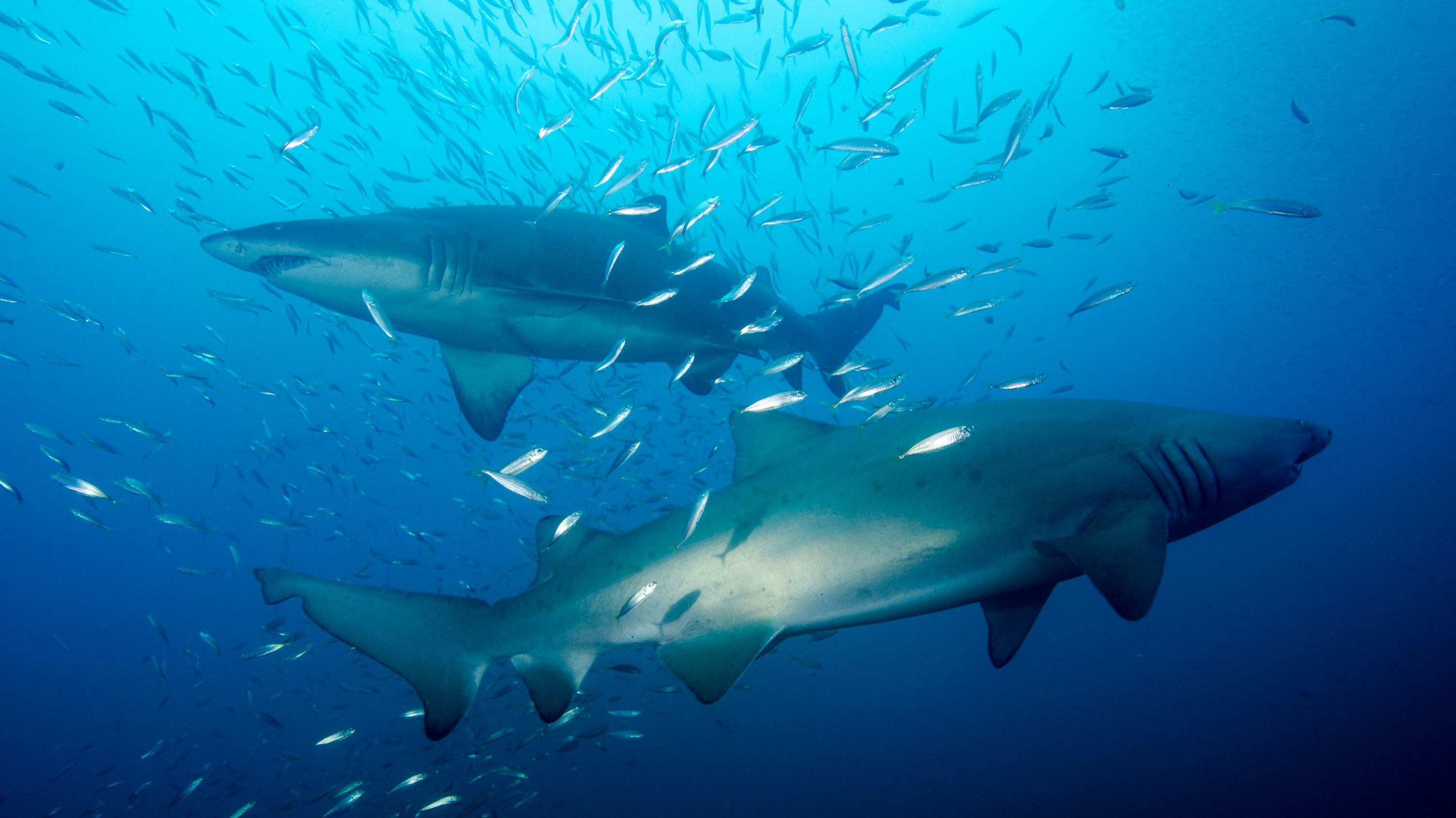
Shark Week is back for its 31st year and fans can bite into a new lineup of shows featuring some of the ocean's fiercest predators.
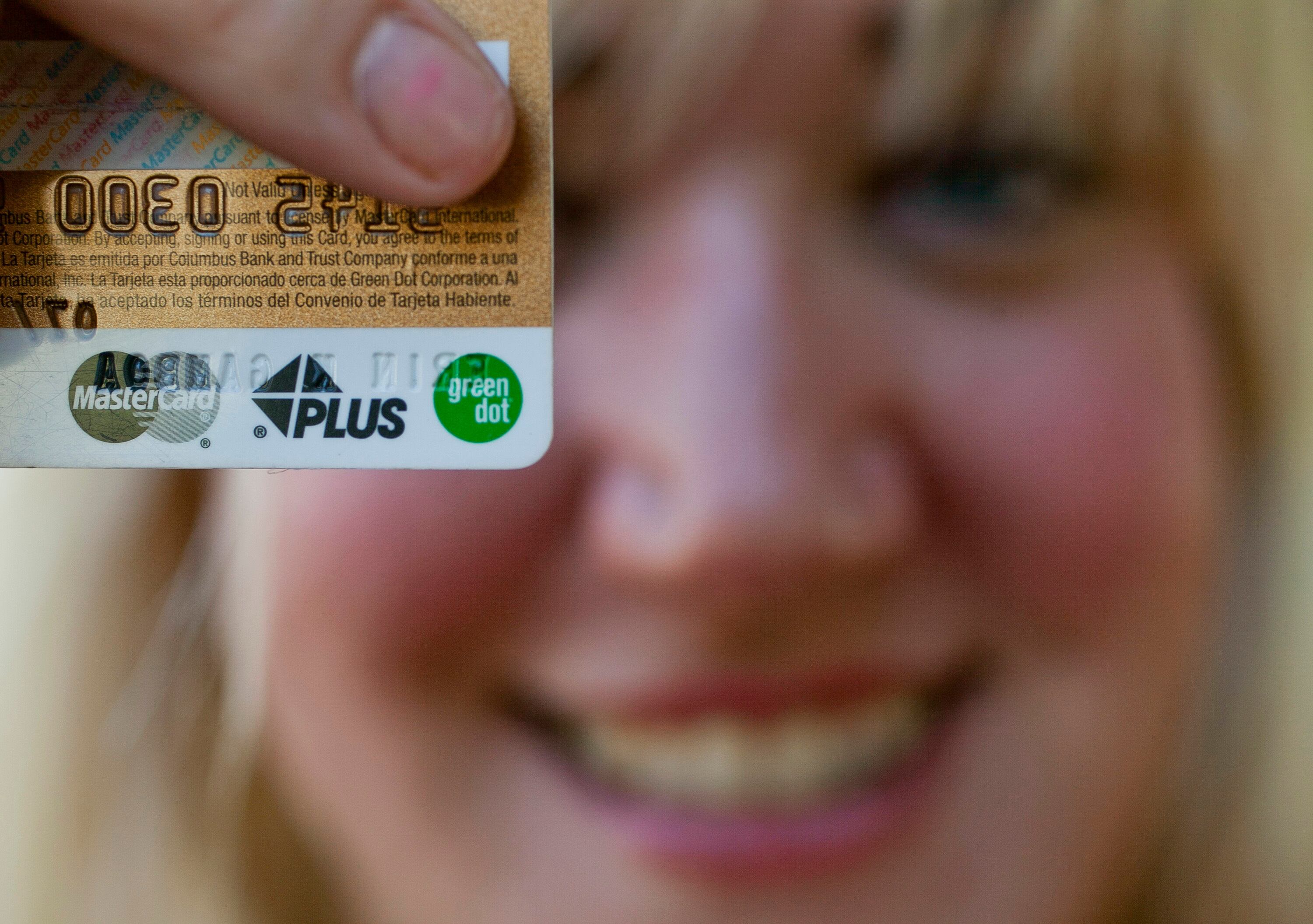
Green Dot, the inventor of prepaid debit cards and the invisible banking platform behind fintech startups and brands like Uber and Apple Pay, is becoming a direct-to-consumer brand with the launch of (yet another) high-yield savings account and a cash-back checking account.
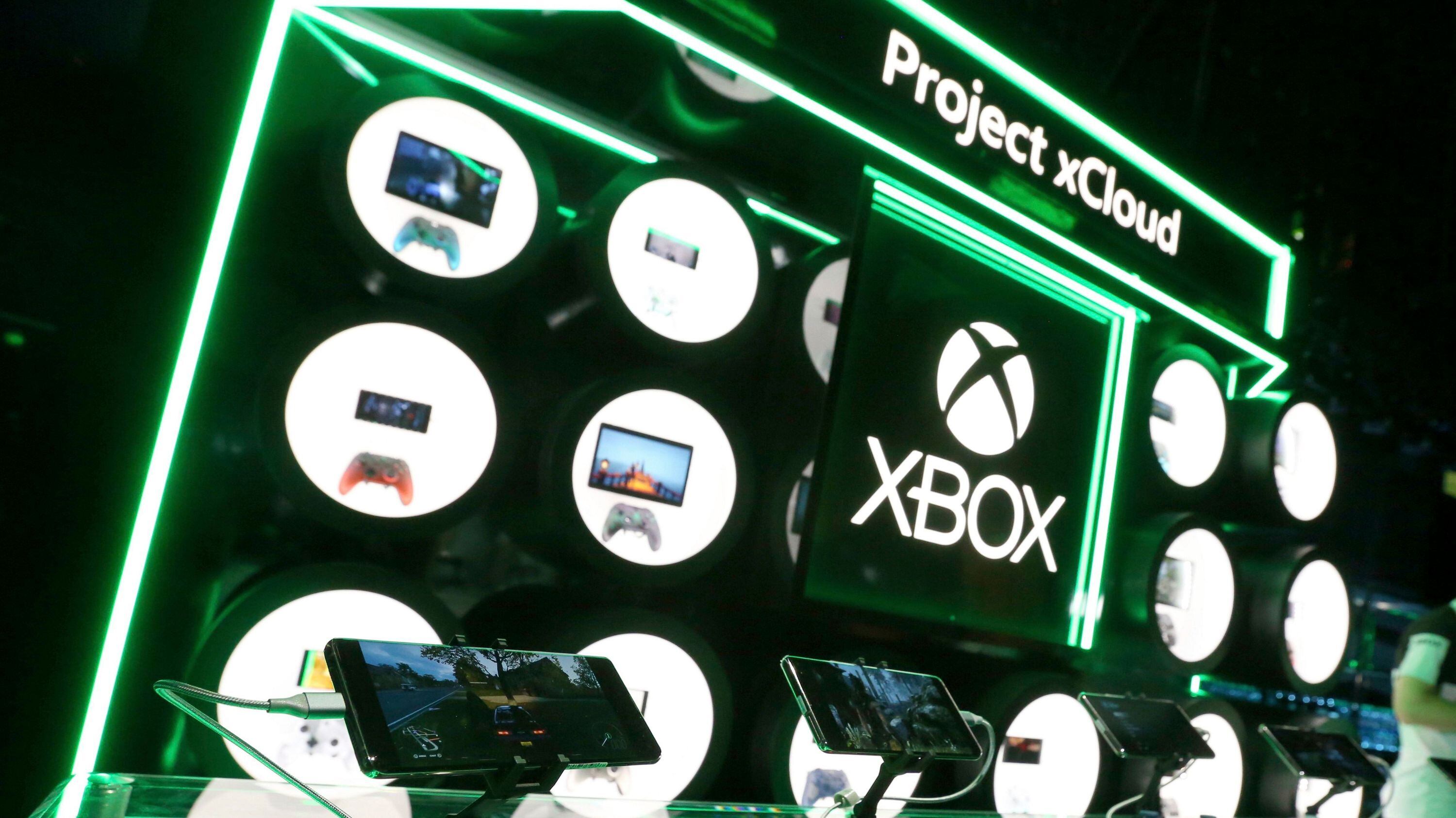
With Project xCloud, Microsoft throws its hat in the ring against the upcoming Google Stadia and the already-existing PlayStation Now service, allowing games to stream from hardware located in the cloud network.
Chicago-based cannabis company Cresco Labs unveiled a new dispensary and retail cannabis shop concept on Monday. Called Sunnyside, the concept emphasizes health and wellness and aims to create an accessible, immersive retail environment that pushes Cresco along on its mission of creating a nationally-recognizable cannabis brand.
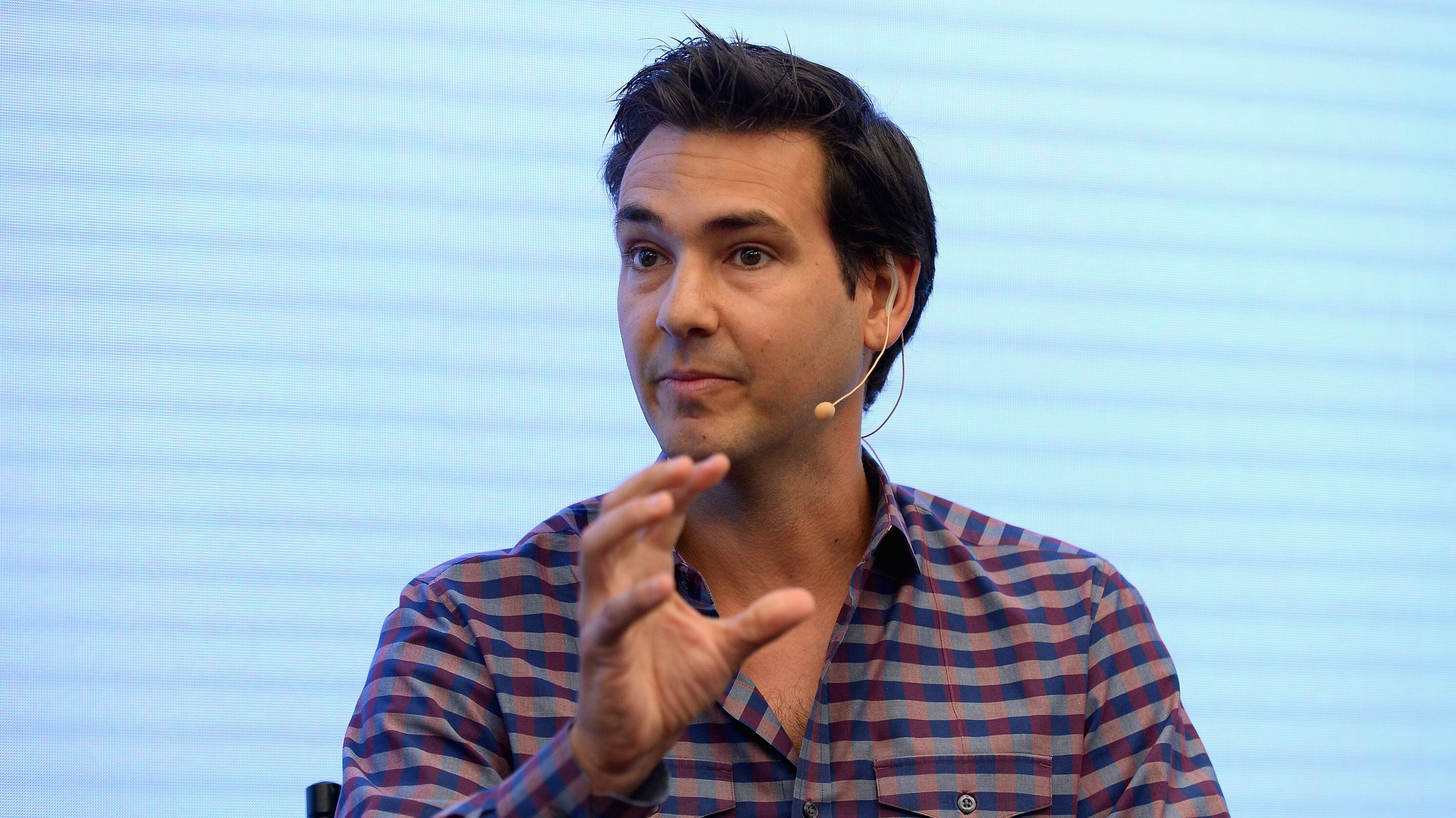
Cheddar spoke to Twitter's head of global operations and emerging businesses Yannis Dosios after the social media platform shared strong earnings with the number of monetizable daily active users going up.
From Wall Street to Silicon Valley, these are the top stories that moved markets and had investors, business leaders, and entrepreneurs talking this week on Cheddar.
The Department of Justice has required that Sprint divest its prepaid division to Dish in a move worth about $1.4 billion. Sprint and T-Mobile must also make 200,000 cell sites available to that provider as well.
Digital health company Livongo had a successful public debut Thursday on the Nasdaq. It's the latest in a wave of digital health companies entering the public markets. Hemant Taneja, managing director at General Catalyst, joins Cheddar to discuss.
Shares of CannTrust surged 15 percent on Friday after the Canadian cannabis company announced it terminated CEO Peter Aceto in the midst of regulatory drama that has plundered the company's stock value. Jefferies' analyst Ryan Tomkins predicted the management shuffle in a Wednesday note, which called management's positions "untenable."
These are the headlines you Need 2 Know for Friday, July 26, 2019.