*By Bridgette Webb*
Turtle Beach is on a roll.
The headset producer unveiled a new line of gaming gear called Atlas that's specifically designed for PC gamers.
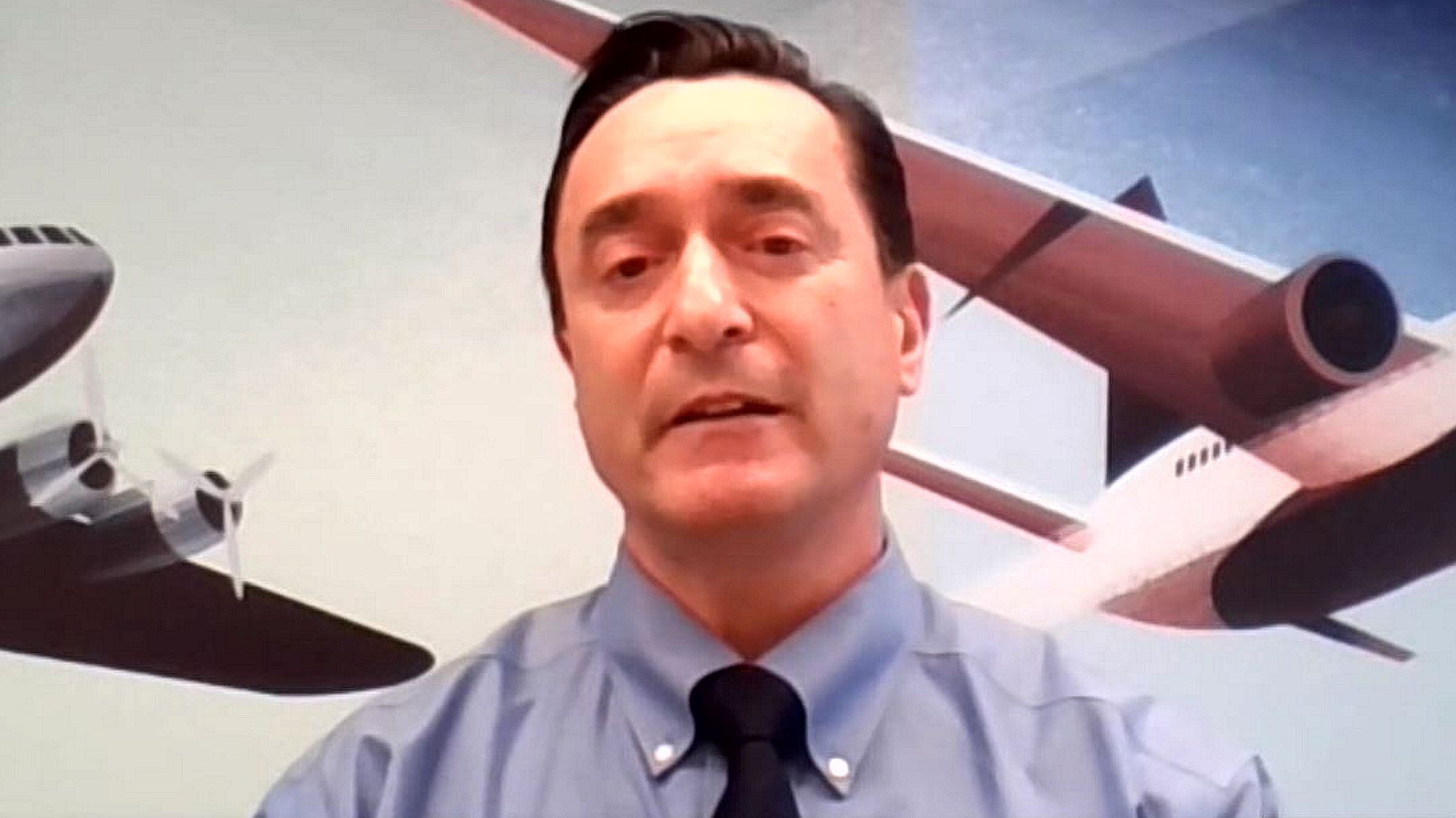
"We are doing the same thing in the PC segment that we are doing in the console headset gaming segment for many years," said Turtle Beach CEO Juergen Stark in an interview Thursday on Cheddar. "We've put a lot of effort in making sure the build quality, the audio quality and the mic quality is the best you can get."
The new headset was introduced after the company reported second-quarter results that blew away analysts' expectations. Net revenue, net income, and earnings were higher than any second quarter since the company's 2014 IPO. Turtle Beach reported $60.8 million in revenue for the quarter ー up from $19.1 million the year before.
Stark attributed Turtle Beach's success to cost cutting on one side of its balance sheet and the booming demand for headsets generated by the popularity of battle royale games Fortnite and PUBG.
As promising a year as it's been so far, Stark said international tariffs could hurt sales of the imported Turtle Beach headsets.
"It will effect retail pricing for us, and for everyone in the category if what people are threatening goes through," he said. "I'm hopeful that it doesn't happen, I don't see how increasing the prices for consumers for everything you buy that's electronic is going to help anybody."
When asked how tariffs would affect the price of gaming headsets, Stark offered a matter-of-fact outlook.
"If there is a 10 percent tariff and you are building a product in China, the retail price point is going to go up 10 percent. If it's a 25 percent tariff that's being threatened, the retailer is it going to go up 25 percent."
For more on this story, [click here](https://cheddar.com/videos/turtle-beach-expands-further-into-pc-gaming).
The Palo Alto, California, company said it made a net profit of $105 million from October through December, or 58 cents per share but still posted an annual loss of $862 million.
Despite beating the Street's expectations, Facebook shares went down more than 7 percent in after-hours trading. While the company is still growing, the numbers could signify a slowdown ahead with more digital advertising platforms entering the market as well as looming regulation.
Aircraft surveillance company Aireon is riding the wave of adoption of the satellite ADS-B surveillance network to replace radar in its role of air traffic control.
Ford's luxury line, Lincoln, announced plans to release an electric pickup truck in partnership with Rivian.
Apple's fiscal first-quarter results released Tuesday provided the latest proof that the fears hanging over the consumer electronics icon might have been unfounded. The company's profits and revenue topped analyst projections.
The human resources tech platform company brings its total funding to $143 million with the investment led by Union Square Ventures and FirstMark Capital.
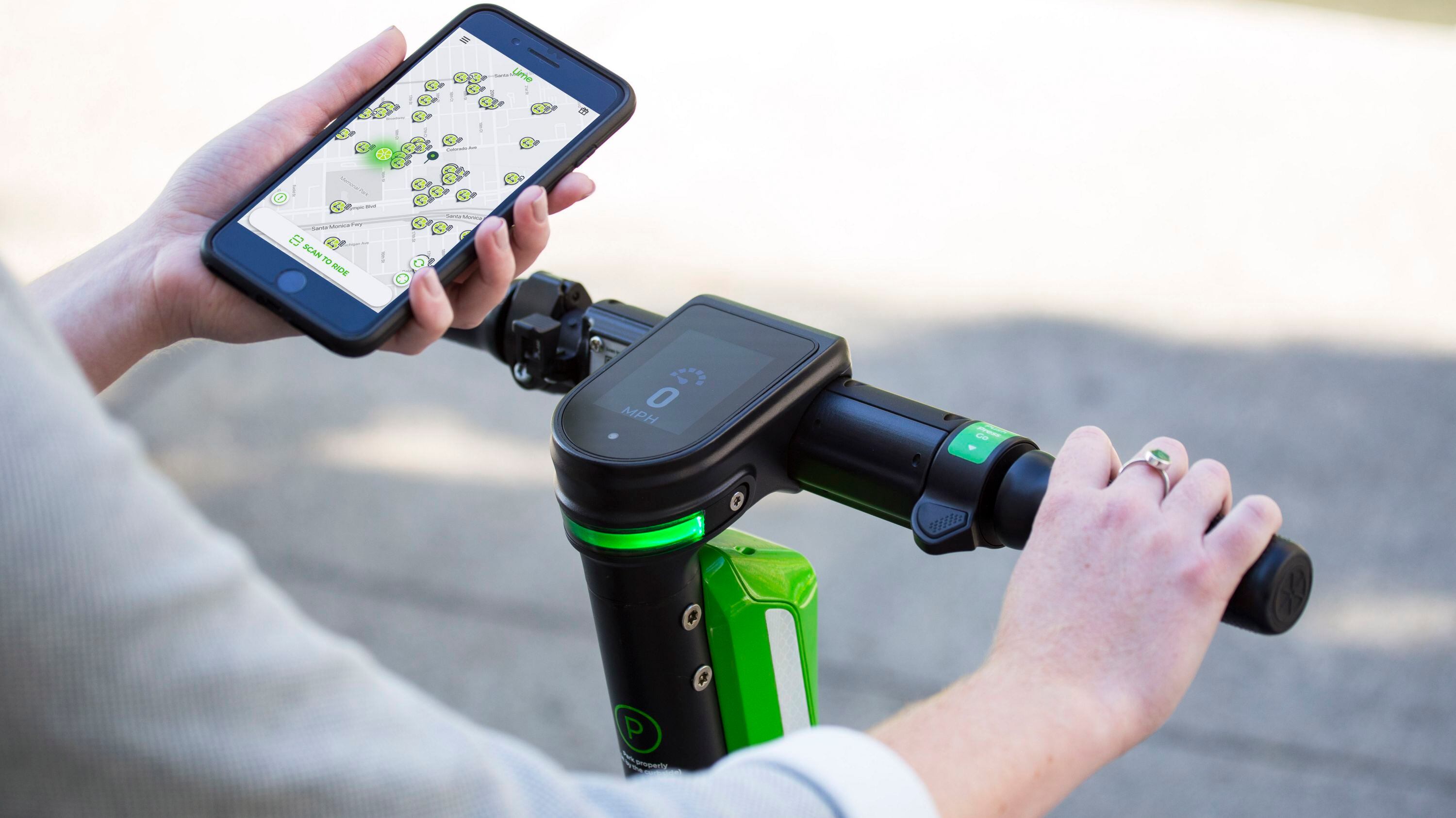
The pilot program, rolled out in San José, aims to deter what has become a major source of side-eye – and safety concerns – for Lime and similar micromobility offerings.
The company raised the Series B funding led by the real estate arm of Mitsubishi to build out its three-pronged business model: a subscription service for brokers, an analytics service for tracking real estate trends, and an auction service.
General Motors on Monday announced that it plans to open its first assembly plant dedicated entirely to electric vehicles – and that it’s doing so in the United States.
From Wall Street to Silicon Valley, these are the top stories that moved markets and had investors, business leaders, and entrepreneurs talking this week on Cheddar.