*By Bridgette Webb*
Turtle Beach is on a roll.
The headset producer unveiled a new line of gaming gear called Atlas that's specifically designed for PC gamers.
"We are doing the same thing in the PC segment that we are doing in the console headset gaming segment for many years," said Turtle Beach CEO Juergen Stark in an interview Thursday on Cheddar. "We've put a lot of effort in making sure the build quality, the audio quality and the mic quality is the best you can get."
The new headset was introduced after the company reported second-quarter results that blew away analysts' expectations. Net revenue, net income, and earnings were higher than any second quarter since the company's 2014 IPO. Turtle Beach reported $60.8 million in revenue for the quarter ー up from $19.1 million the year before.
Stark attributed Turtle Beach's success to cost cutting on one side of its balance sheet and the booming demand for headsets generated by the popularity of battle royale games Fortnite and PUBG.
As promising a year as it's been so far, Stark said international tariffs could hurt sales of the imported Turtle Beach headsets.
"It will effect retail pricing for us, and for everyone in the category if what people are threatening goes through," he said. "I'm hopeful that it doesn't happen, I don't see how increasing the prices for consumers for everything you buy that's electronic is going to help anybody."
When asked how tariffs would affect the price of gaming headsets, Stark offered a matter-of-fact outlook.
"If there is a 10 percent tariff and you are building a product in China, the retail price point is going to go up 10 percent. If it's a 25 percent tariff that's being threatened, the retailer is it going to go up 25 percent."
For more on this story, [click here](https://cheddar.com/videos/turtle-beach-expands-further-into-pc-gaming).
The latest news and headlines from Apple's latest product reveal including the latest on the Apple Watch, IPads, and more.
Jeff Thomas, Nasdaq's head of tech listings, joined Cheddar to discuss the spate of tech companies set to go public.
Oracle said Monday that the Chinese owner of TikTok has picked the U.S. company to be its “trusted technology provider,” beating out rival Microsoft in a deal that could help keep the popular video-sharing app running in the U.S.
As more people stay indoors and work from home amid the pandemic, home upkeep is surging. Chairish co-founder Anna Brockway joined Cheddar to discuss the surge in home decor and hot items people are buying.
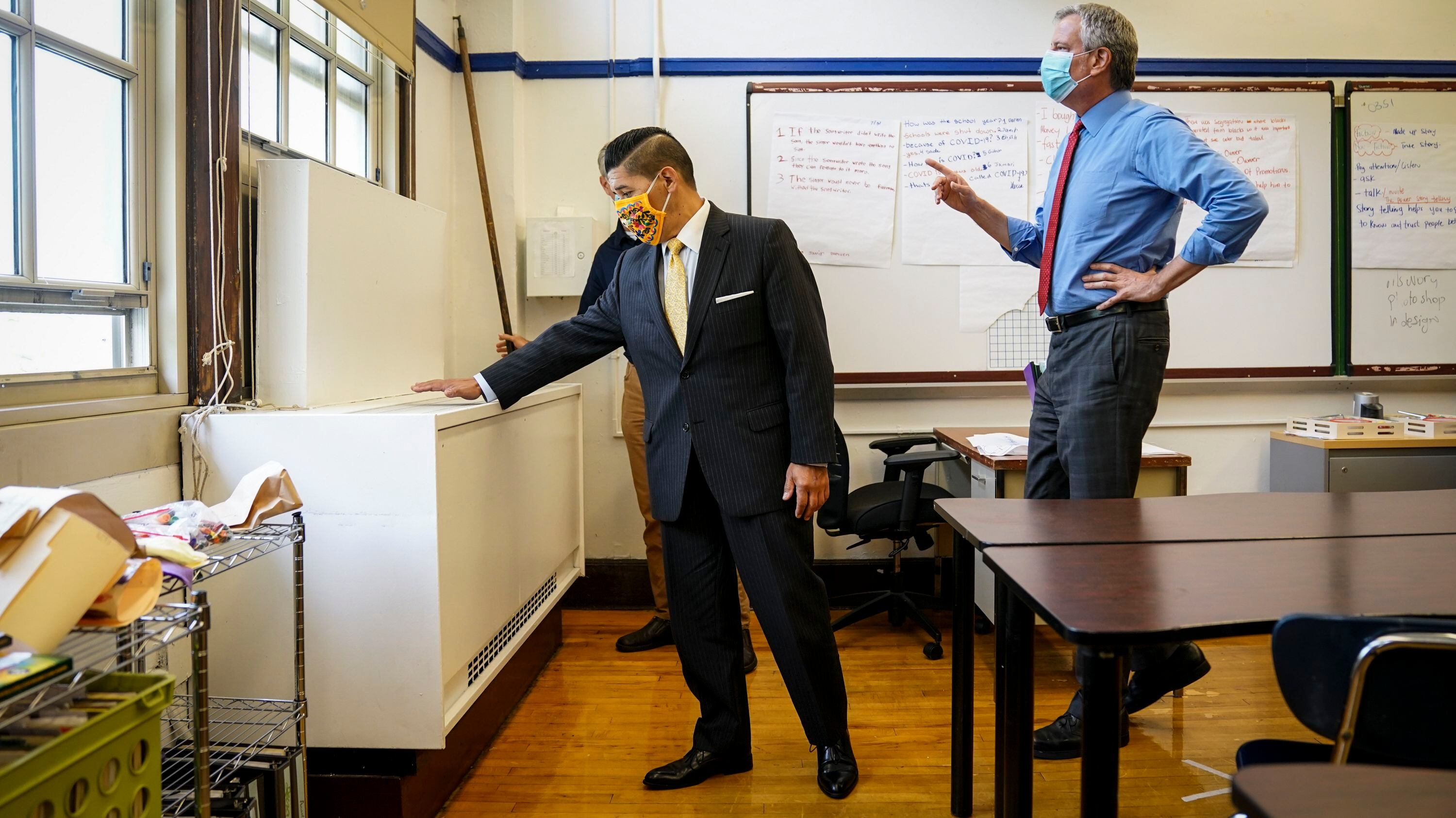
Figuring out best practices when it comes to preventing airborne transmission is inherently challenging though, especially when it comes to the technical aspects of retrofitting ventilation systems.
Peloton reported a substantial jump in revenue, raking in more than $600 million in the fourth quarter
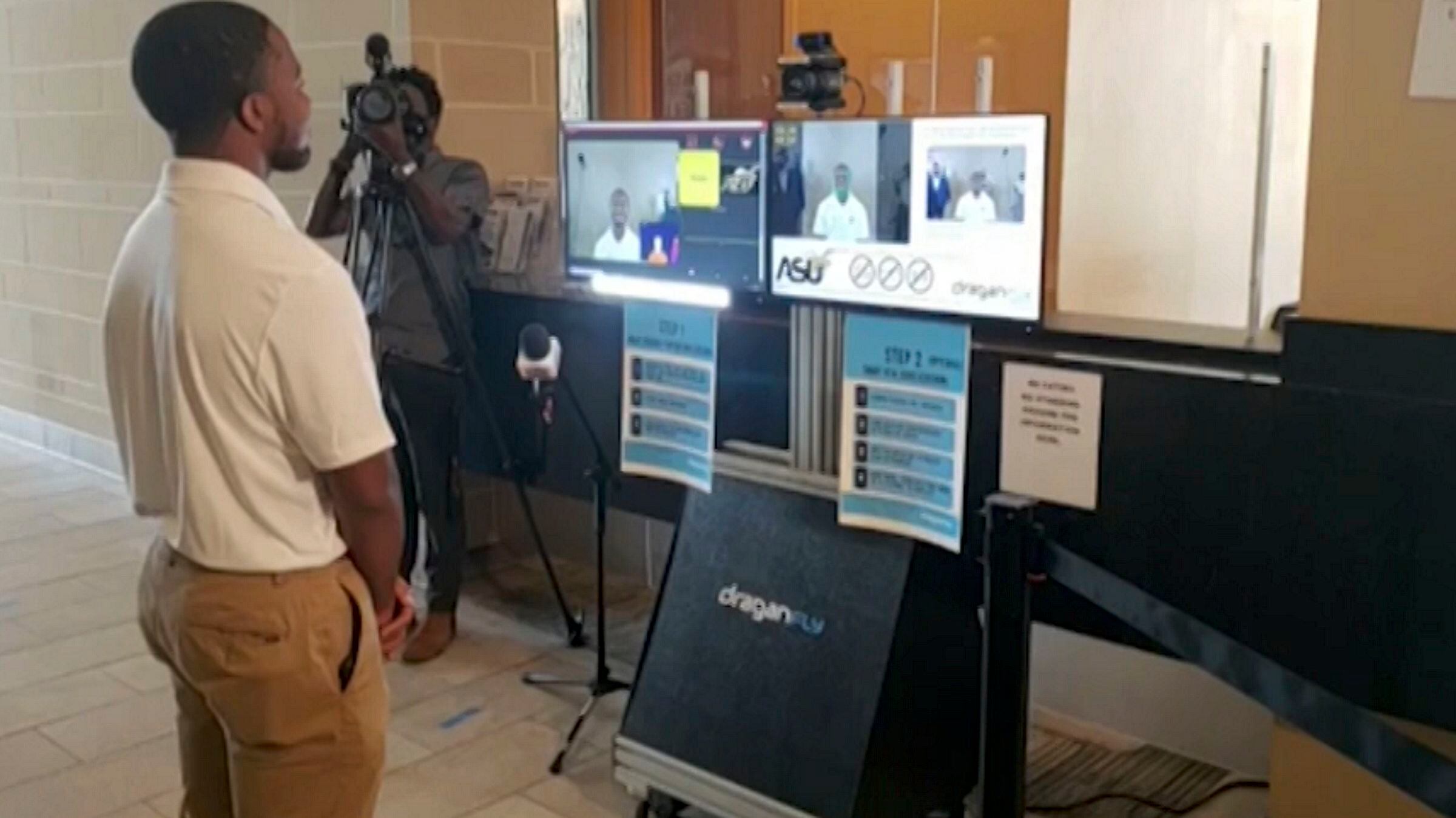
Alabama State University has managed to keep COVID-19 infections at zero despite rising cases on college campuses. University president, Quinton Ross, Jr, joined Cheddar to discuss new technology that scans for coronavirus symptoms.
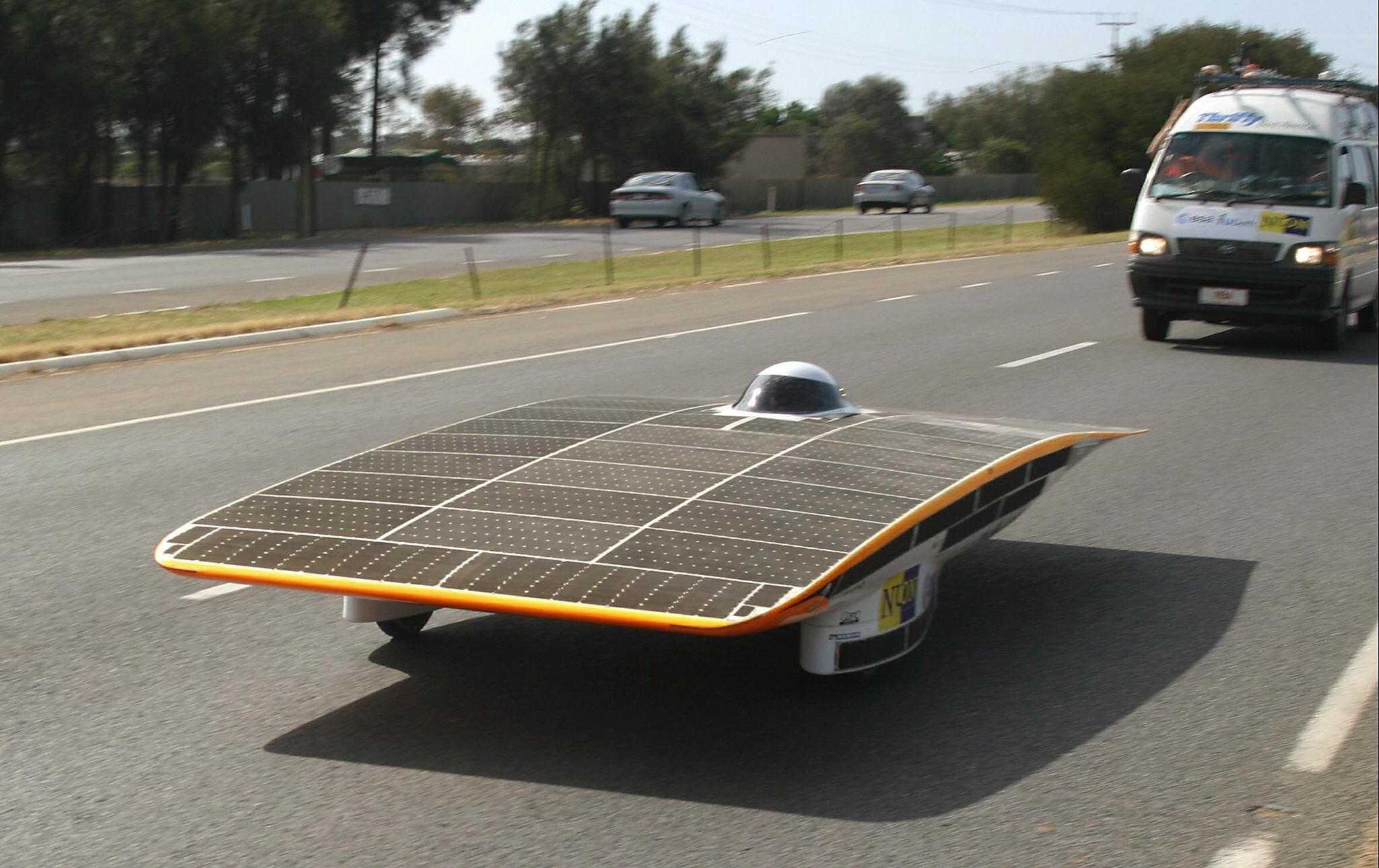
In the 1980's and 90's, the solar car was deemed the future of transportation. Yet, just as quickly as it arrived, the solar car disappeared. But today, as the problems caused by our reliance on fossil fuels have grown, so has a demand for alternative sources of energy for our vehicles. While electric cars are rapidly gaining a larger share of the automotive market, this technology still relies on electricity from a grid often fueled by petroleum or coal. And this is why some companies today are again trying to harness the most powerful energy source we know: the sun.
Electric vehicle maker, Nikola, announced a partnership with General Motors to construct its electric pick up truck, the Badger. Founder and executive chairman, Trevor Milton, joined Cheddar to production timeline and benefits of joining GM.
From Wall Street to Silicon Valley, these are the top stories that moved markets and had investors, business leaders, and entrepreneurs talking this week on Cheddar.