Fortnite Frenzy Propels Turtle Beach to Record Earnings
*By Bridgette Webb*
Turtle Beach is on a roll.
The headset producer unveiled a new line of gaming gear called Atlas that's specifically designed for PC gamers.
"We are doing the same thing in the PC segment that we are doing in the console headset gaming segment for many years," said Turtle Beach CEO Juergen Stark in an interview Thursday on Cheddar. "We've put a lot of effort in making sure the build quality, the audio quality and the mic quality is the best you can get."
The new headset was introduced after the company reported second-quarter results that blew away analysts' expectations. Net revenue, net income, and earnings were higher than any second quarter since the company's 2014 IPO. Turtle Beach reported $60.8 million in revenue for the quarter ー up from $19.1 million the year before.
Stark attributed Turtle Beach's success to cost cutting on one side of its balance sheet and the booming demand for headsets generated by the popularity of battle royale games Fortnite and PUBG.
As promising a year as it's been so far, Stark said international tariffs could hurt sales of the imported Turtle Beach headsets.
"It will effect retail pricing for us, and for everyone in the category if what people are threatening goes through," he said. "I'm hopeful that it doesn't happen, I don't see how increasing the prices for consumers for everything you buy that's electronic is going to help anybody."
When asked how tariffs would affect the price of gaming headsets, Stark offered a matter-of-fact outlook.
"If there is a 10 percent tariff and you are building a product in China, the retail price point is going to go up 10 percent. If it's a 25 percent tariff that's being threatened, the retailer is it going to go up 25 percent."
For more on this story, [click here](https://cheddar.com/videos/turtle-beach-expands-further-into-pc-gaming).
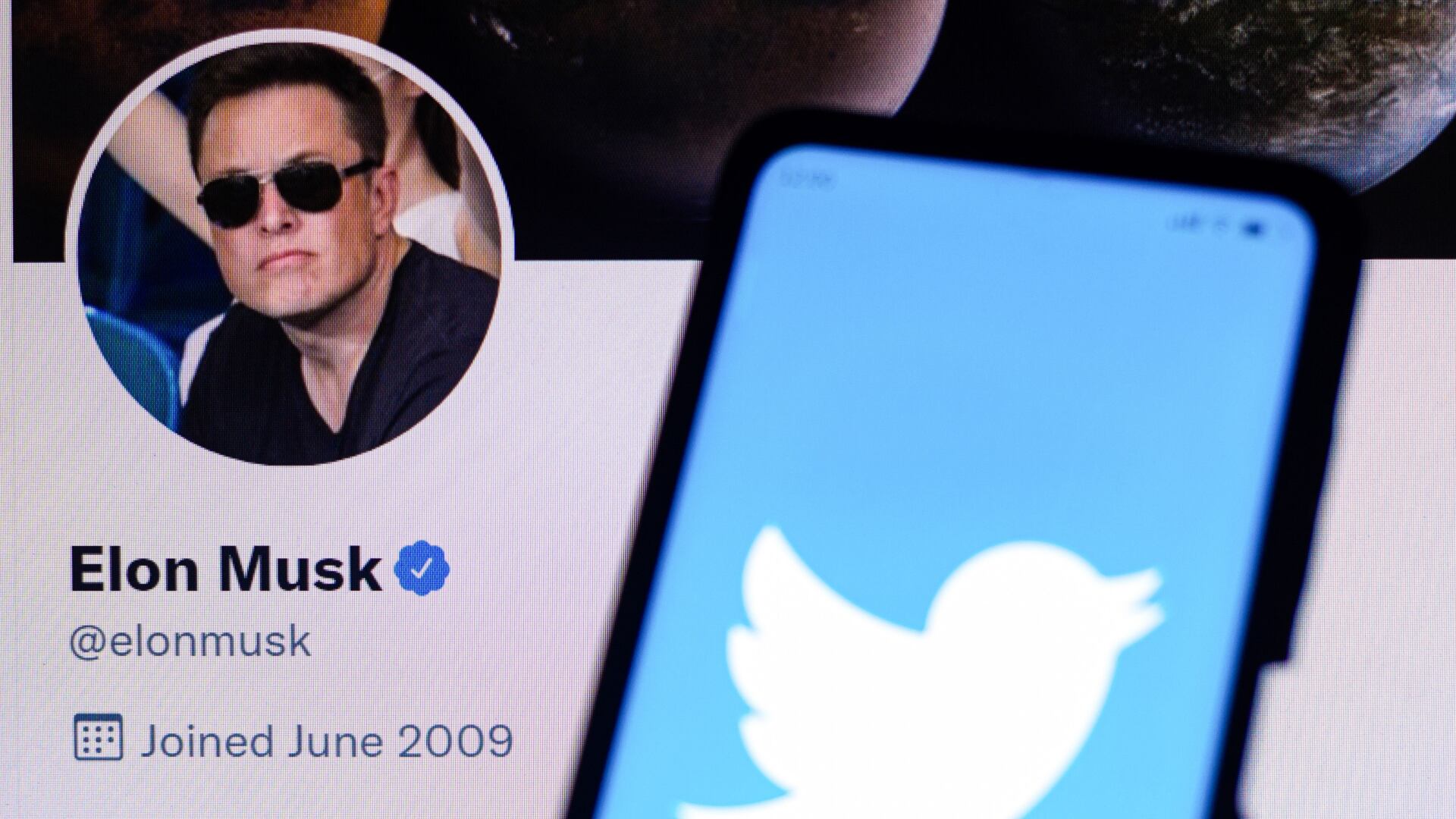
The saga surrounding Elon Musk's bid to buy Twitter has made its way to Washington, DC. A group of 18 House Republicans are calling on the social media platform's board to preserve all records and documents related to the company's response to the offer from the Tesla CEO. Caleb Silver, editor in chief of Investopedia, joined Closing Bell to discuss. "This is a long term play, but it's just a shot across the bow by congressional Republicans, who probably will end up taking the House, that they're going to be tough on Big Tech and they're going use Musk's bid for twitter to take it private, so that he can get the platform to be open source and remove its censorship."
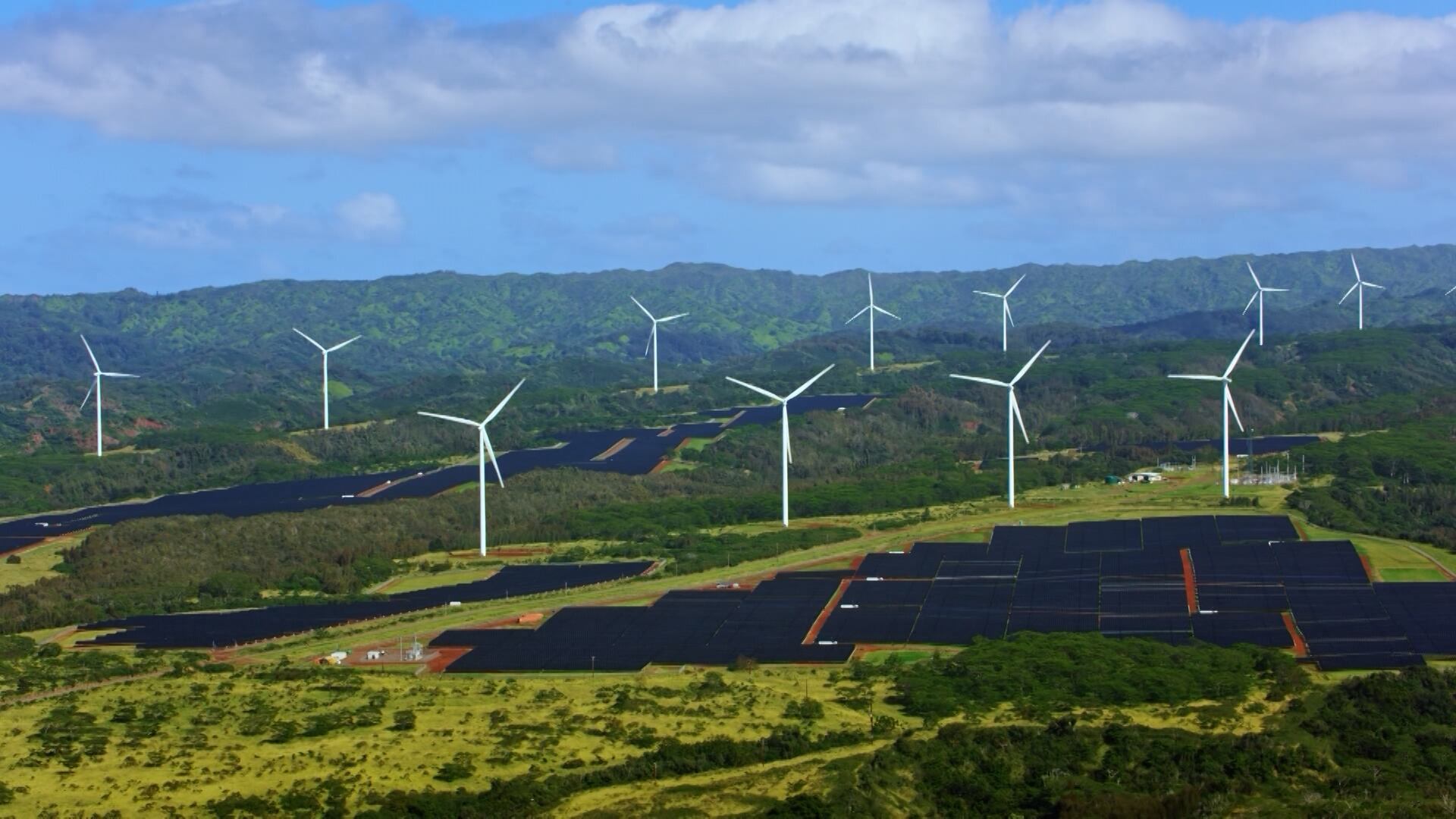
Removing carbon from our atmosphere has become a goal for scientists and entrepreneurs around the world, and while many have begun to develop promising technology solutions, a few big names in tech, including Stripe, Alphabet, Shopify, Meta and McKinsey, are committing nearly $1 billion dollars to fund carbon removal technology through 2030 through a new initiative called Frontier, an advanced market commitment to incentive following through on development. Hannah Bebbington, the head of strategy for Frontier, joined Cheddar News to discuss. "What Frontier aims to do is help get this market on track by sending that strong demand signal such that we can scale up capacity really significantly in the next couple of years," she said.
Jonah Goldman, the managing director at Bill Gates-founded Breakthrough Energy, joined Cheddar News to talk about the promising growth in the climate change-conscious investments the organization has made over the years. ”I mean when we're looking at some of the hard to abate technologies and cement and steel and aviation fuel, all of those have promising pathways that weren't there again just a few years ago," he said. "We invest across all of the technology areas that are driving emissions, greenhouse gas emissions and there really are exciting products and technologies coming out in almost every one of those sectors.”
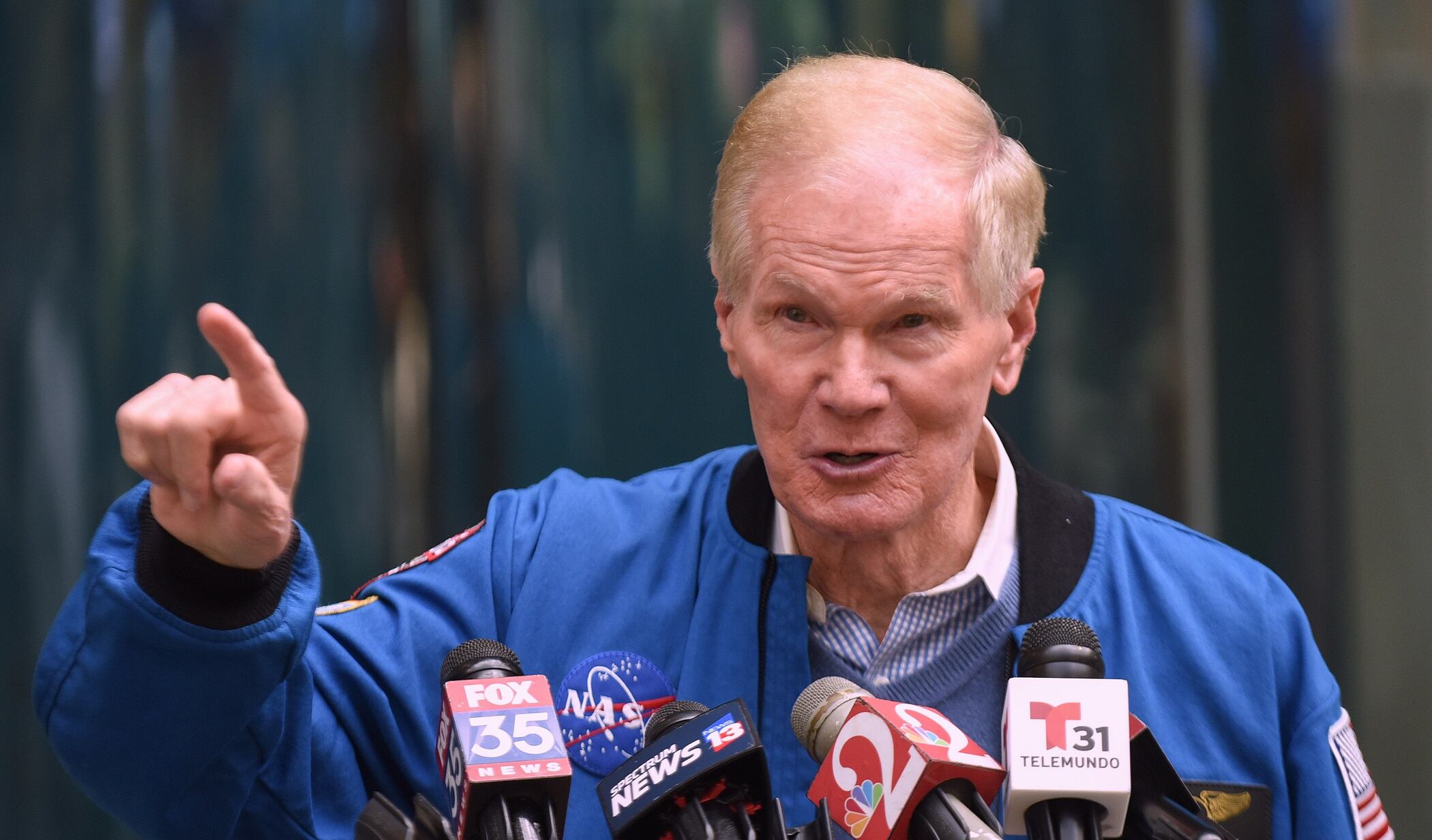
Cheddar's J.D. Durkin caught up with the head of NASA Bill Nelson, a former senator, who feels one thing that seems less rancorous on Capitol Hill these days is the work of the space agency.
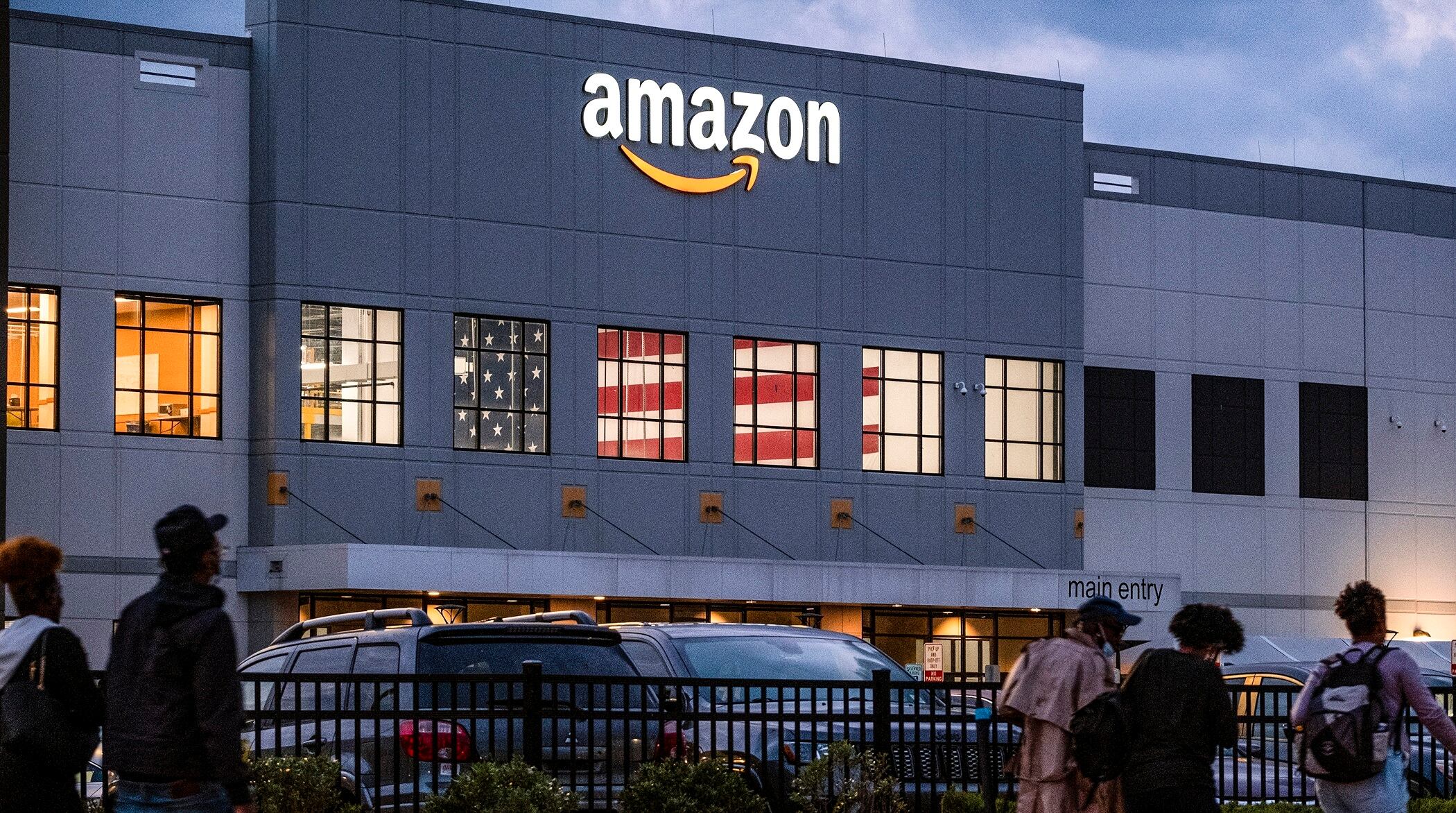
As the newly formed Amazon Labor Union gets ready to come to terms with the e-commerce giant, the issue of workplace safety and pace-of-work issues remains contentious and complex. Cheddar's Alex Vuocolo reports.
As musical numbers keep springing up on TikTok Cheddar's Michelle Castillo talks to the cast and crew behind "For You, Paige," the platform's first-ever commissioned musical play.
Catching you up on what you need to know on April 22, 2022, with updates on a new Ukraine aid package, a new missile test by Russia, DOJ announcement of $150 Million in COVID-related fraud, the Florida senate supports Gov. DeSantis in stripping Disney of its special tax district, and more.