Turkey’s president promised Saturday to rescue the Marmara Sea from an outbreak of “sea snot” that is alarming marine biologists and environmentalists.
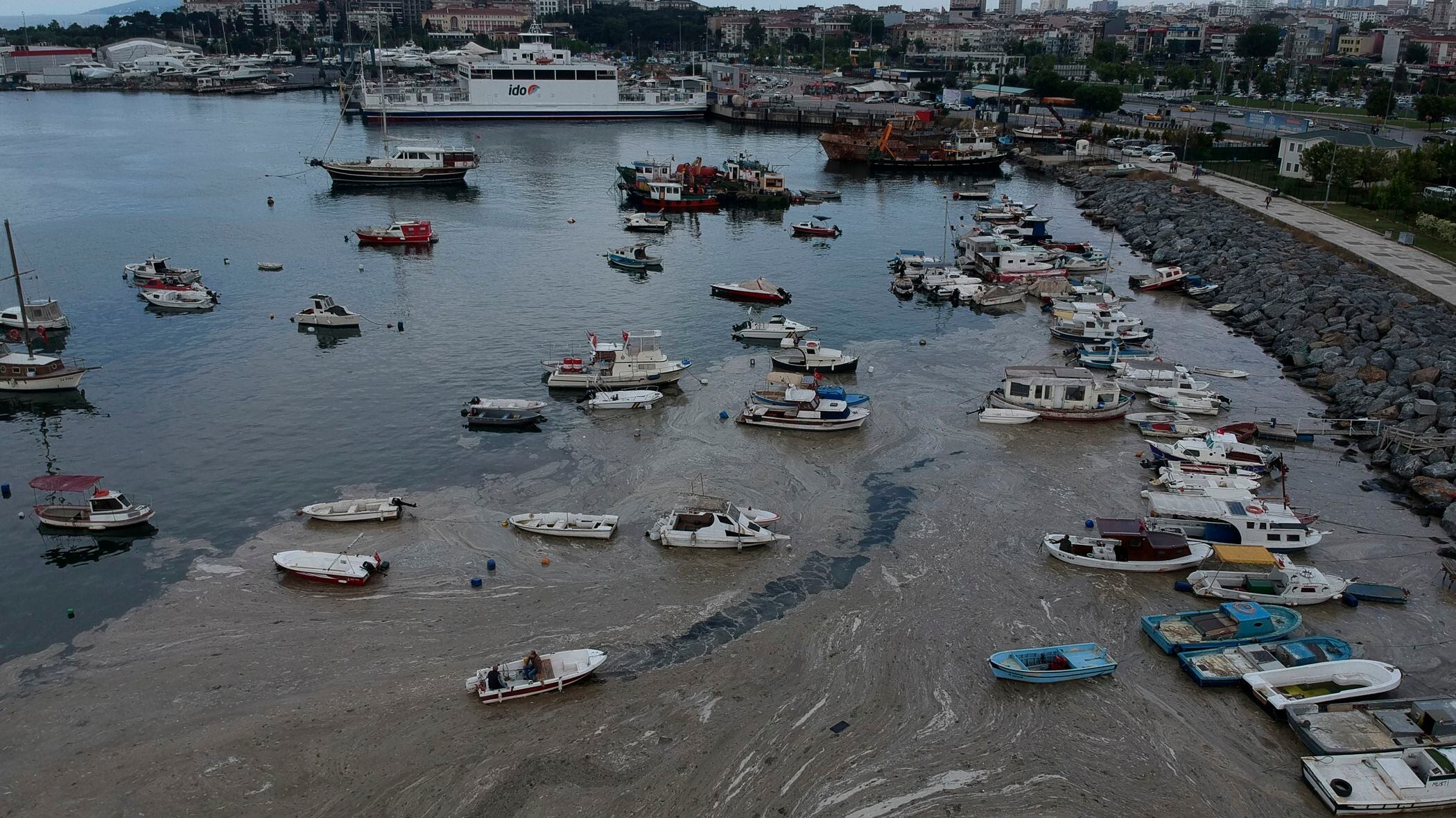
A huge mass of marine mucilage, a thick, slimy substance made up of compounds released by marine organisms, has bloomed in Turkey's Marmara, as well as in the adjoining Black and Aegean Seas.
Turkish President Recep Tayyip Erdogan said untreated waste dumped into the Marmara Sea and climate change had caused the sea snot bloom. Istanbul, Turkey’s largest city with some 16 million residents, and five other provinces, factories and industrial hubs border the sea.
Marine mucilage has reached unprecedented levels this year in Turkey. It is visible above the water as a slimy gray sheet along the shores of Istanbul and neighboring provinces. Underwater videos showed suffocated coral covered with sea snot.
Erdogan said he instructed the Ministry of Environment and Urbanization to coordinate with relevant institutions, municipalities and universities. Teams are inspecting waste water and solid waste facilities, along with other potential sources of pollution, he said.
“We will save our seas from this mucilage calamity, leading with the Marmara Sea,” Erdogan said. “We must take this step without delay.”
Marine experts say that human waste and industrial pollution is choking Turkey’s seas. They say the rise in water temperatures from climate change is contributing to the problem.
Thrive+ binds to the same brain receptors as alcohol to combat the negative effects of drinking, says CEO Brooks Powell, who started developing the pills during his sophomore year at Princeton.
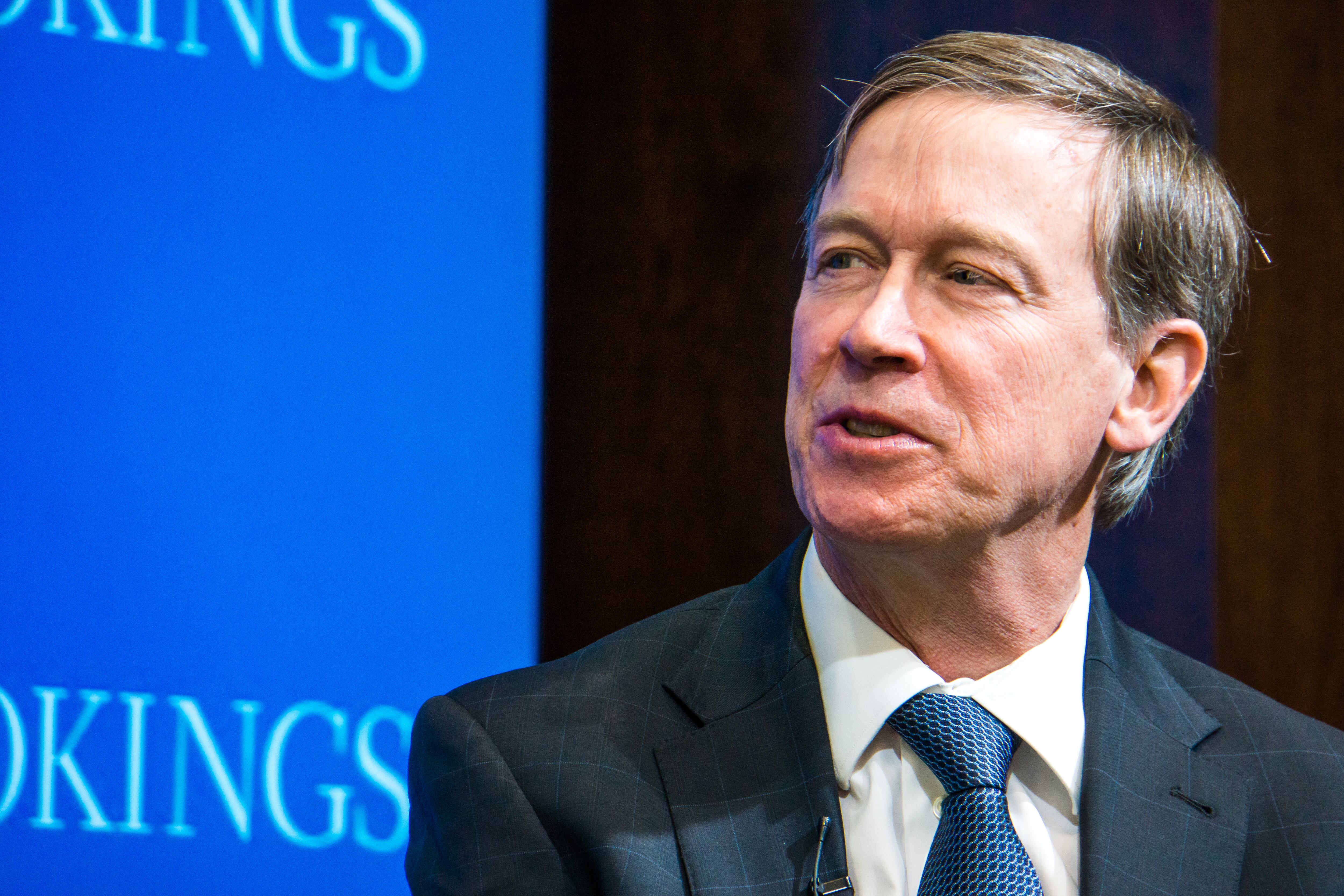
The Republican reiterated his cautious approach to legalization, despite momentum for more liberalization in a state with some of the most tolerant cannabis laws in the country.
A data breach on MyHeritage impacted more than 90 million users. David Nicholson, Co-Founder and Managing Director of Living DNA breaks down what precautions companies take in order to protect your information.
DNA testing service MyHeritage reported a data breach that gave hackers access to email addresses and passwords of over 92 million users. While genetic information wasn't exposed, Rob Verger, Assistant Tech Editor at Popular Science, says the incident serves as a reminder that "almost anything is hackable."
The dental start-up, which sells custom teeth aligners online, opened its first brick-and-mortar store to reach more consumers, says co-founder and CEO Nick Greenfield.
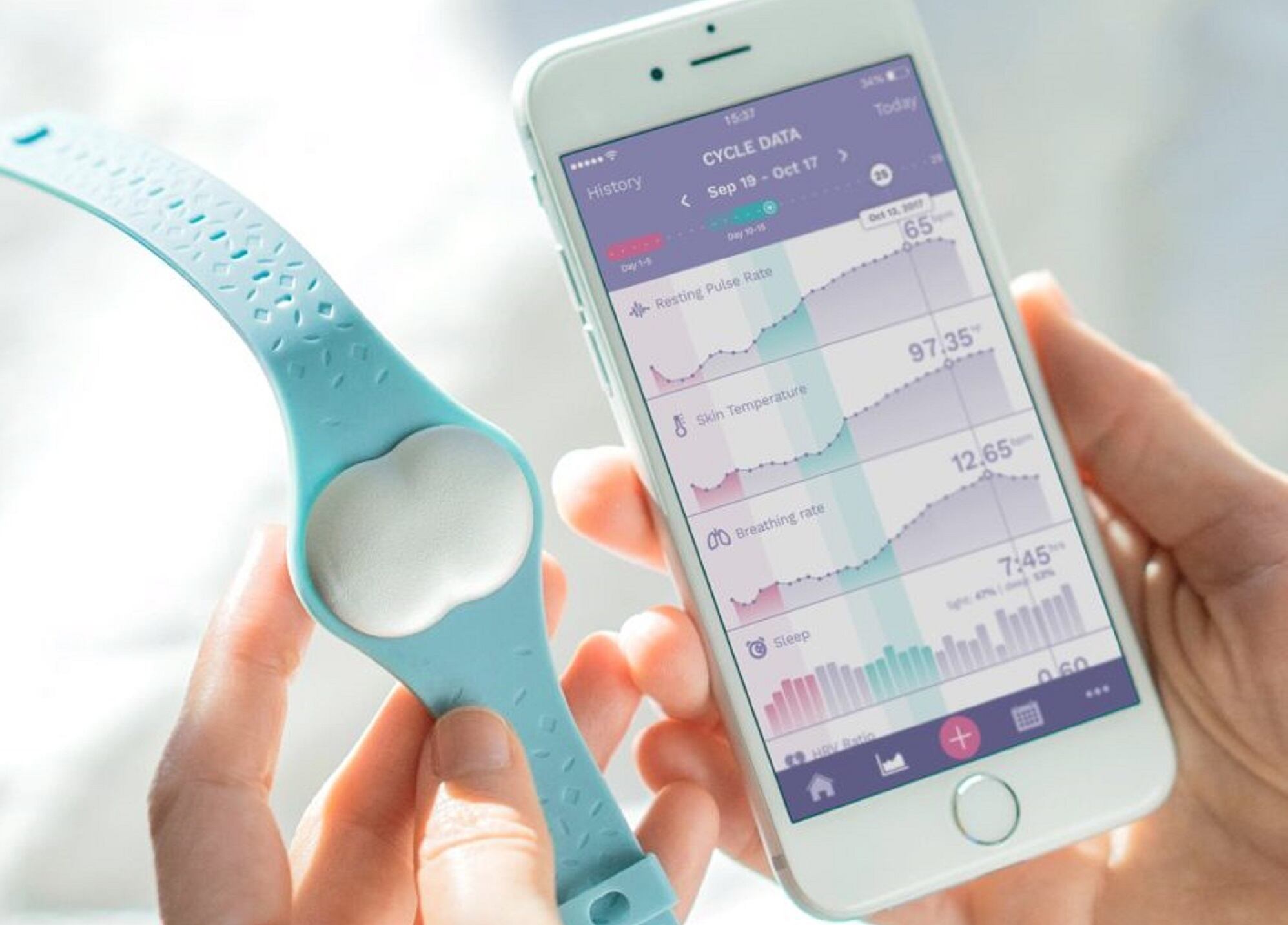
The company, which makes a FitBit-style fertility sensor, announced it will use the fresh capital to fill gaps in the market. "Women's health and women's health research has been underfunded for the last decade," says co-founder Lea von Bidder.
More than 9 million tons of unrecycled plastic waste ends up in the ocean every year, according to Jenna Jambeck, an associate professor at the University of Georgia and a National Georgraphic explorer. In its June issue, the magazine is trying to shine a light on the serious problem with a "Planet or Plastic?" initiative.
Stocks kick off the week with a rally after Treasury Secretary Steven Mnuchin said the prospect of a trade war was "on hold" following an agreement to suspend tariff threats. Tesla CEO Elon Musk unveils details of the souped-up Model 3. President Trump is going after the FBI. Fortnite is launching on Android phones this summer.
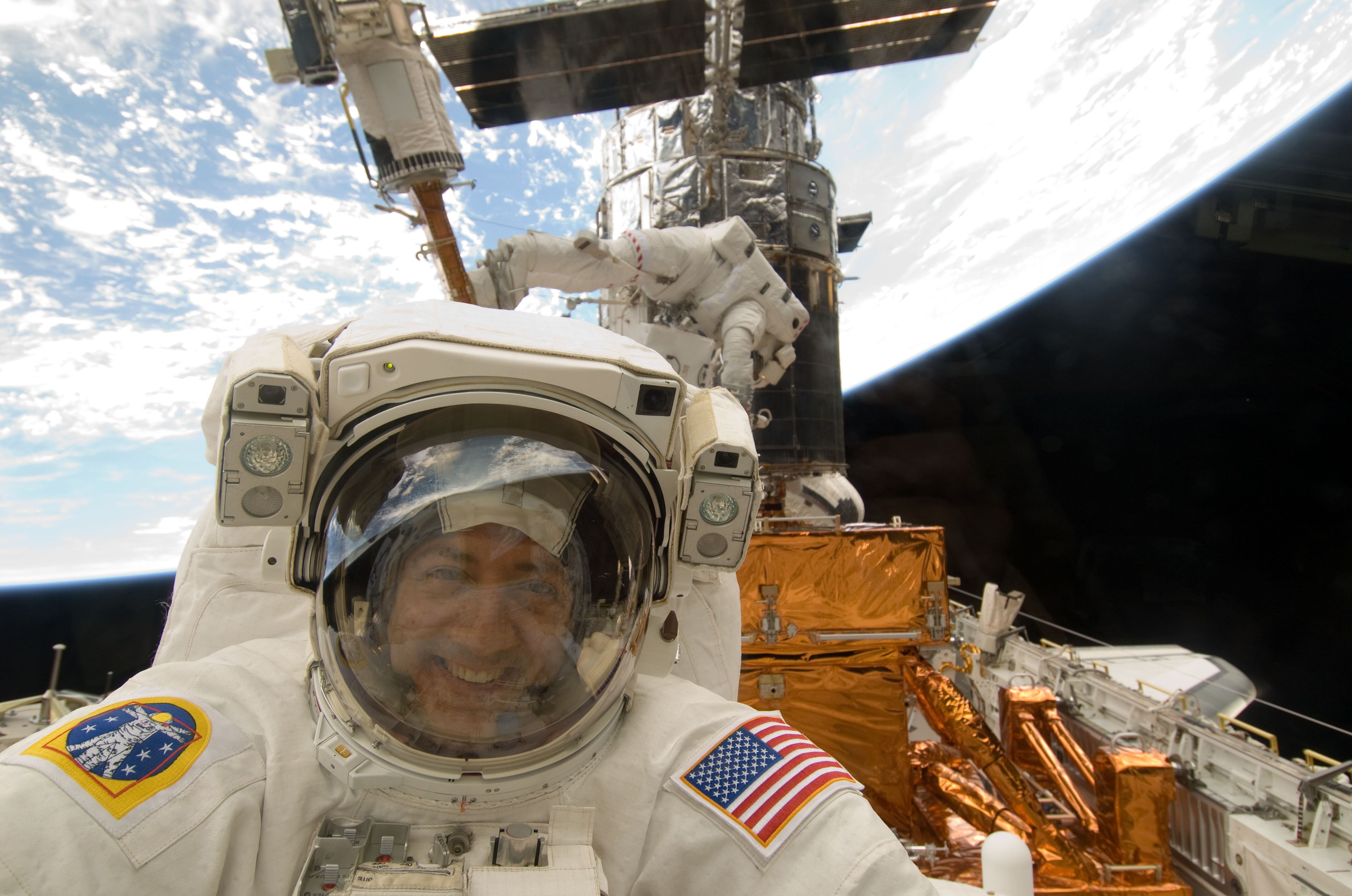
Mike Massimino, the former astronaut who became the first man to tweet from space during one of his two space flights, says companies like SpaceX, Virgin Galactic, and Blue Origin are "the best hope we have for a thriving space program."
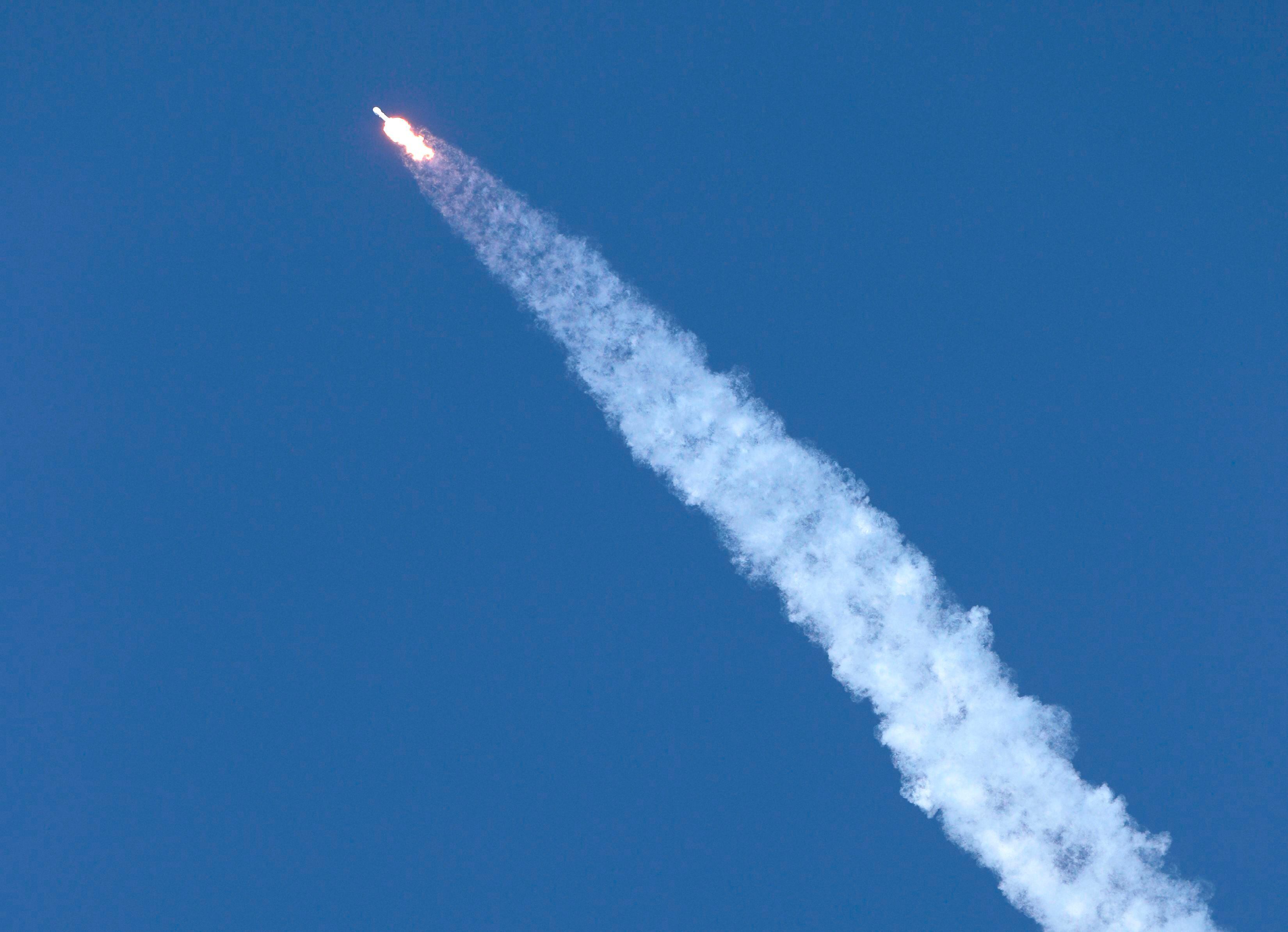
The Falcon 9 'Block 5', which theoretically can be reused 100 times without much maintenance, took off Friday afternoon from the Kennedy Space Center in Florida. The rocket carried a communications satellite into orbit for Bangladesh and then successfully landed back on a platform in the Atlantic.