Turkey’s president promised Saturday to rescue the Marmara Sea from an outbreak of “sea snot” that is alarming marine biologists and environmentalists.
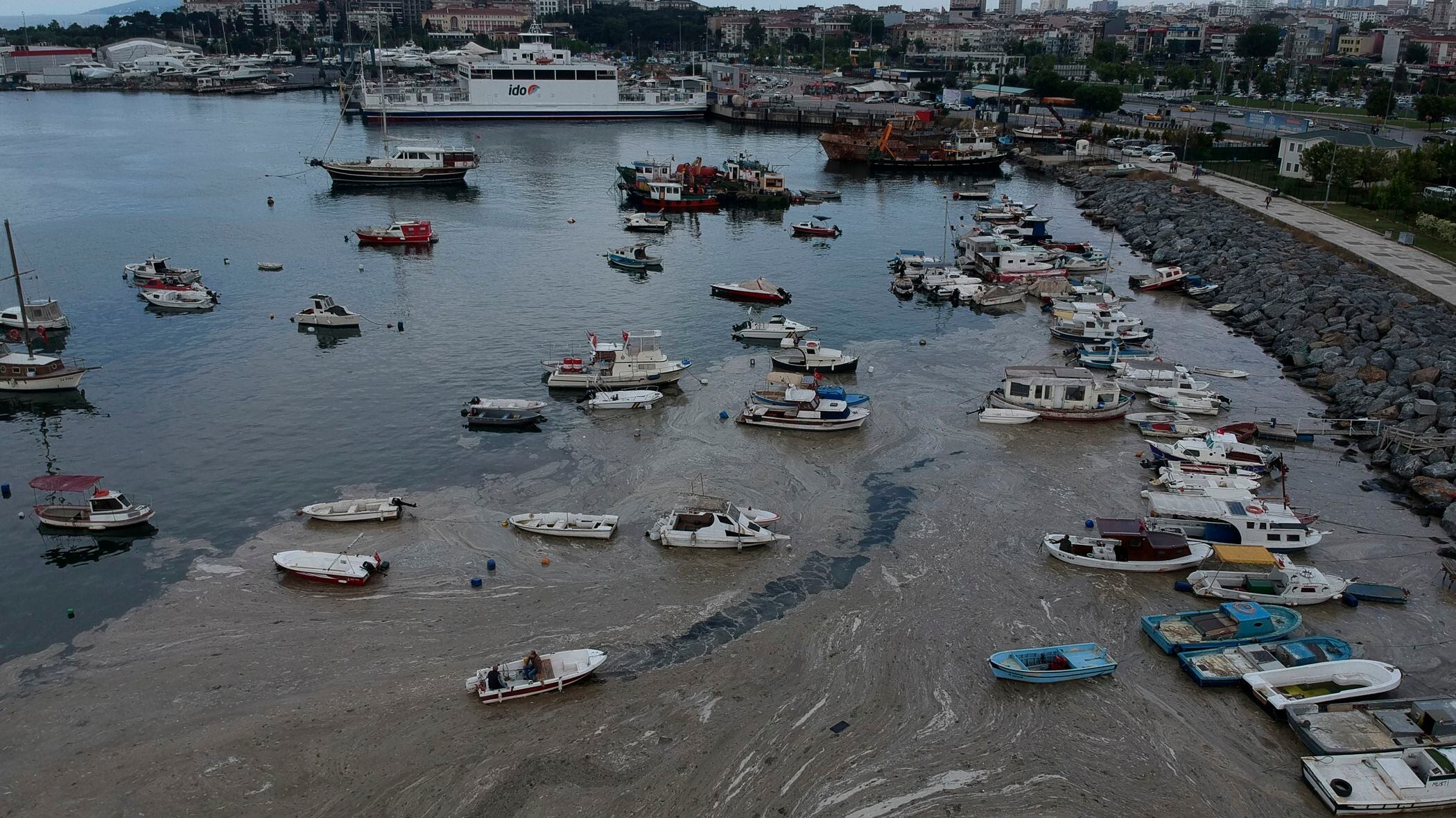
A huge mass of marine mucilage, a thick, slimy substance made up of compounds released by marine organisms, has bloomed in Turkey's Marmara, as well as in the adjoining Black and Aegean Seas.
Turkish President Recep Tayyip Erdogan said untreated waste dumped into the Marmara Sea and climate change had caused the sea snot bloom. Istanbul, Turkey’s largest city with some 16 million residents, and five other provinces, factories and industrial hubs border the sea.
Marine mucilage has reached unprecedented levels this year in Turkey. It is visible above the water as a slimy gray sheet along the shores of Istanbul and neighboring provinces. Underwater videos showed suffocated coral covered with sea snot.
Erdogan said he instructed the Ministry of Environment and Urbanization to coordinate with relevant institutions, municipalities and universities. Teams are inspecting waste water and solid waste facilities, along with other potential sources of pollution, he said.
“We will save our seas from this mucilage calamity, leading with the Marmara Sea,” Erdogan said. “We must take this step without delay.”
Marine experts say that human waste and industrial pollution is choking Turkey’s seas. They say the rise in water temperatures from climate change is contributing to the problem.
These are the headlines you Need 2 Know for Monday, January 27, 2020.
Health officials say woman returned from a trip to China on Jan. 13 without showing any signs of illness, but a few days later she called her doctor to report feeling sick.
Dr. Didier Houssin, emergency committee chair, told journalists on Thursday that it was too early to declare a public health emergency due to a "limited" number of cases and the ongoing containment efforts by Chinese authorities.
Steven Mnuchin says Swedish climate activist Greta Thunberg is in no position to give economic advice until she goes to college and comes out with an economics degree.
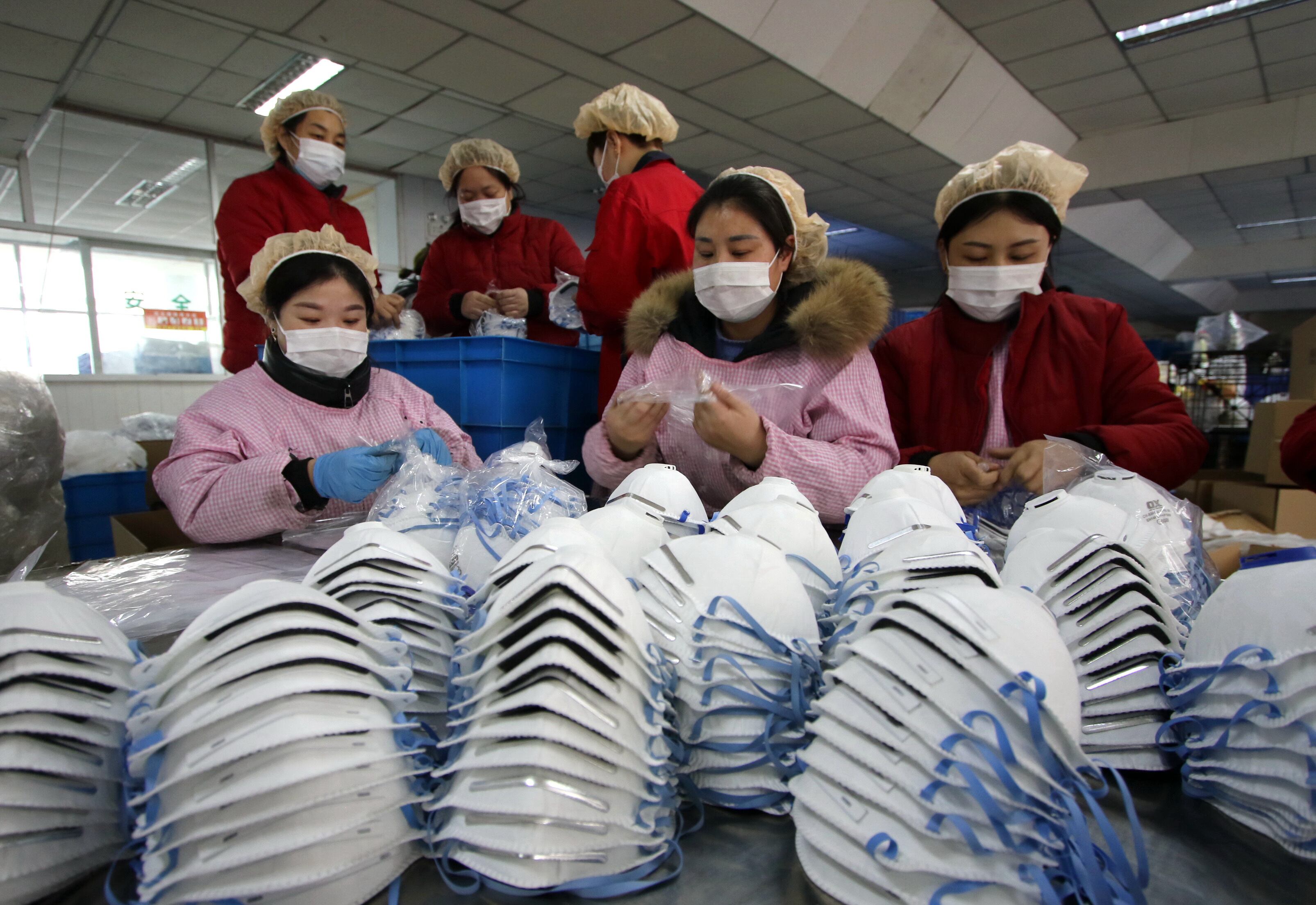
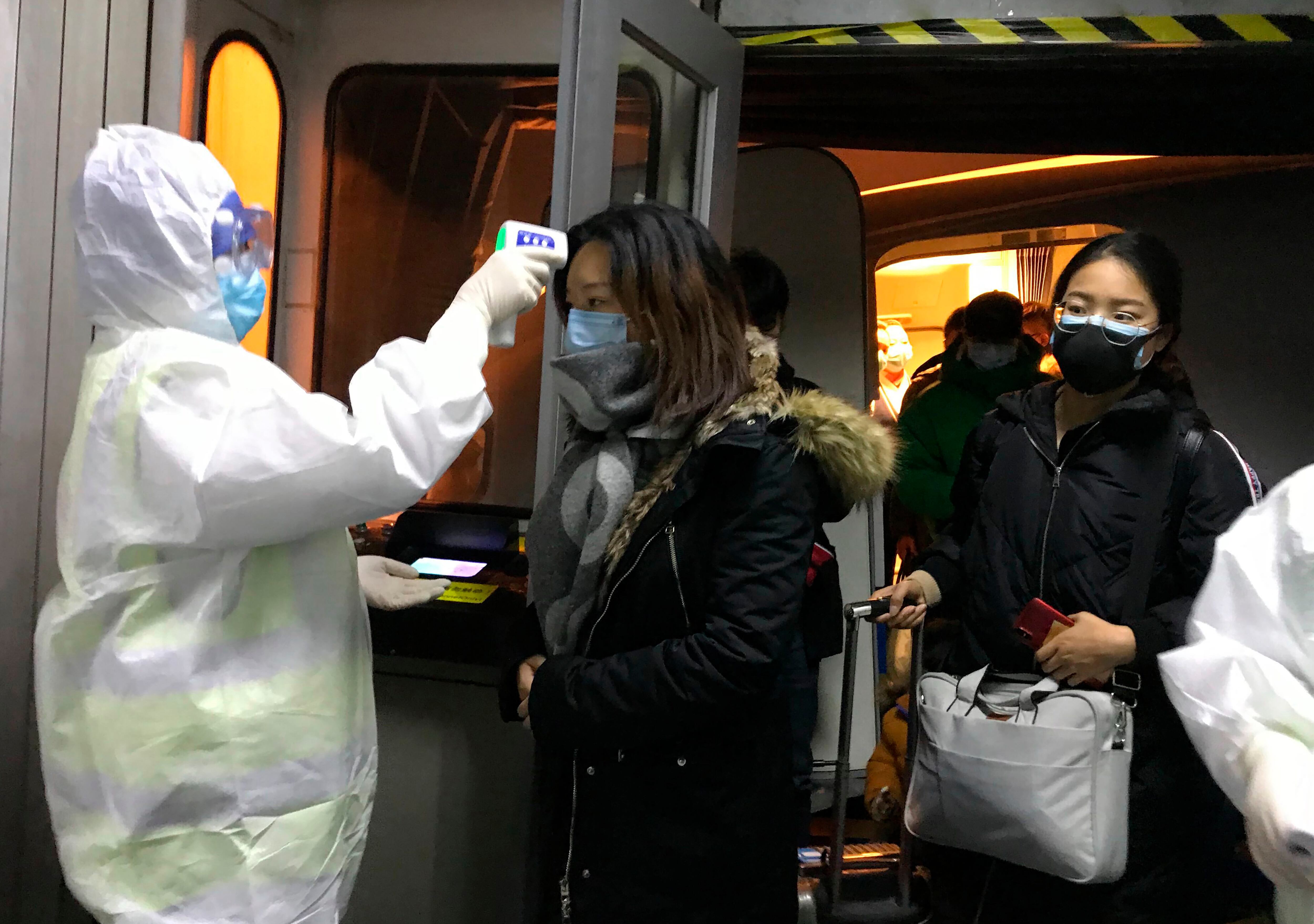
Chinese authorities Thursday moved to lock down three cities with a combined population of more than 18 million people in an unprecedented effort to contain the deadly new virus that has sickened hundreds and spread to other parts of the world during the busy Lunar New Year travel period.
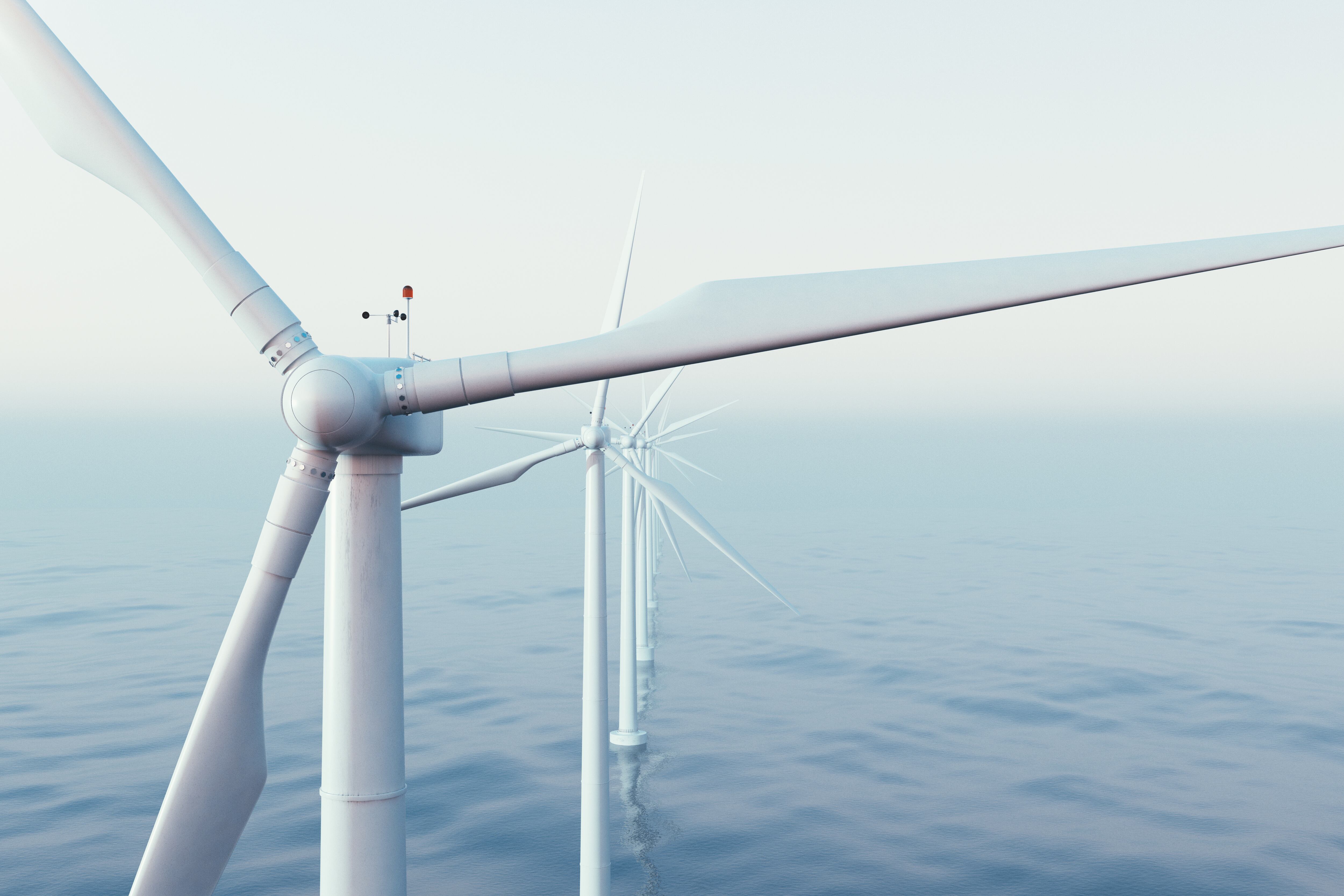
The Special Initiative for Offshore Wind, a research and advocacy organization at the University of Delaware, and the American Wind Energy Association, a trade group, hope to solicit comments and concerns from potential critics.
These are the headlines you Need 2 Know for Thursday, January 23, 2020.
Chinese health authorities urged people in the city of Wuhan to avoid crowds and public gatherings, after warning that a new viral illness that has infected more than 400 people and killed at least 17 could spread further.
These are the headlines you Need 2 Know for Wednesday, January 22, 2020.
A U.S. citizen who recently returned from a trip to central China has been diagnosed with the new virus.