Turkey’s president promised Saturday to rescue the Marmara Sea from an outbreak of “sea snot” that is alarming marine biologists and environmentalists.
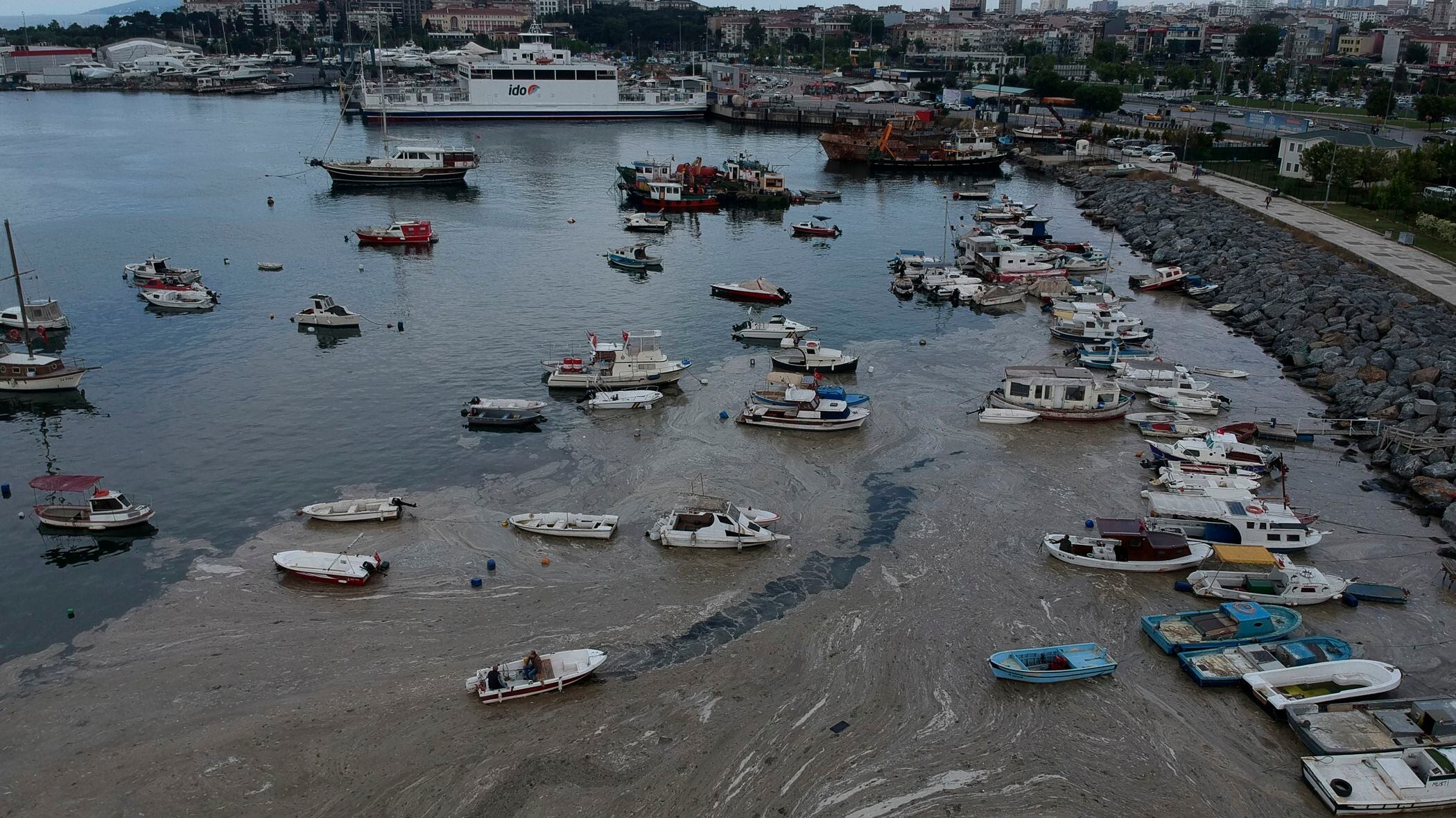
A huge mass of marine mucilage, a thick, slimy substance made up of compounds released by marine organisms, has bloomed in Turkey's Marmara, as well as in the adjoining Black and Aegean Seas.
Turkish President Recep Tayyip Erdogan said untreated waste dumped into the Marmara Sea and climate change had caused the sea snot bloom. Istanbul, Turkey’s largest city with some 16 million residents, and five other provinces, factories and industrial hubs border the sea.
Marine mucilage has reached unprecedented levels this year in Turkey. It is visible above the water as a slimy gray sheet along the shores of Istanbul and neighboring provinces. Underwater videos showed suffocated coral covered with sea snot.
Erdogan said he instructed the Ministry of Environment and Urbanization to coordinate with relevant institutions, municipalities and universities. Teams are inspecting waste water and solid waste facilities, along with other potential sources of pollution, he said.
“We will save our seas from this mucilage calamity, leading with the Marmara Sea,” Erdogan said. “We must take this step without delay.”
Marine experts say that human waste and industrial pollution is choking Turkey’s seas. They say the rise in water temperatures from climate change is contributing to the problem.
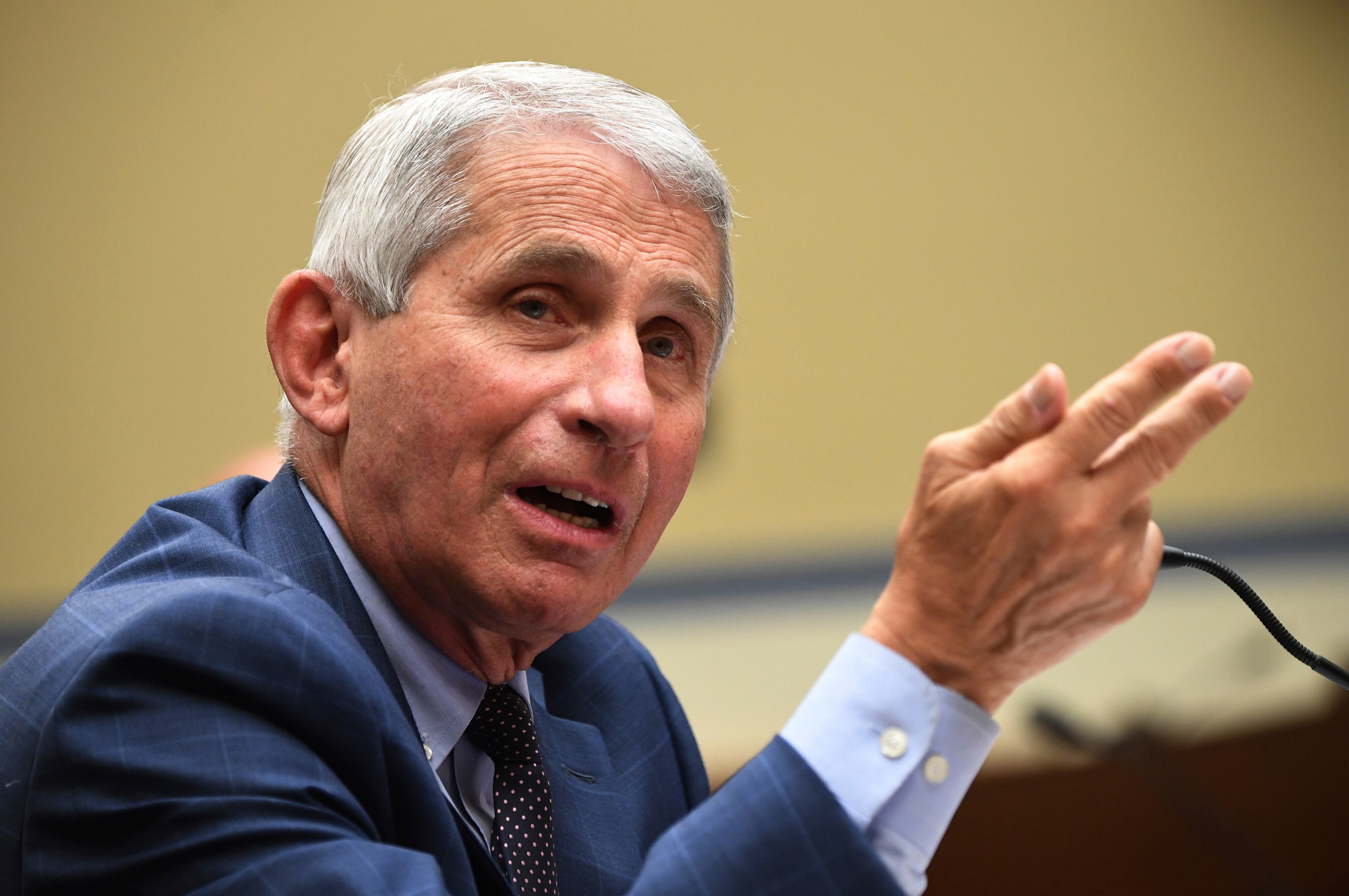
Dr. Anthony Fauci says AstraZeneca's suspension of its COVID-19 vaccine study shows “one of the safety valves” built into the research to spot any potential problems.
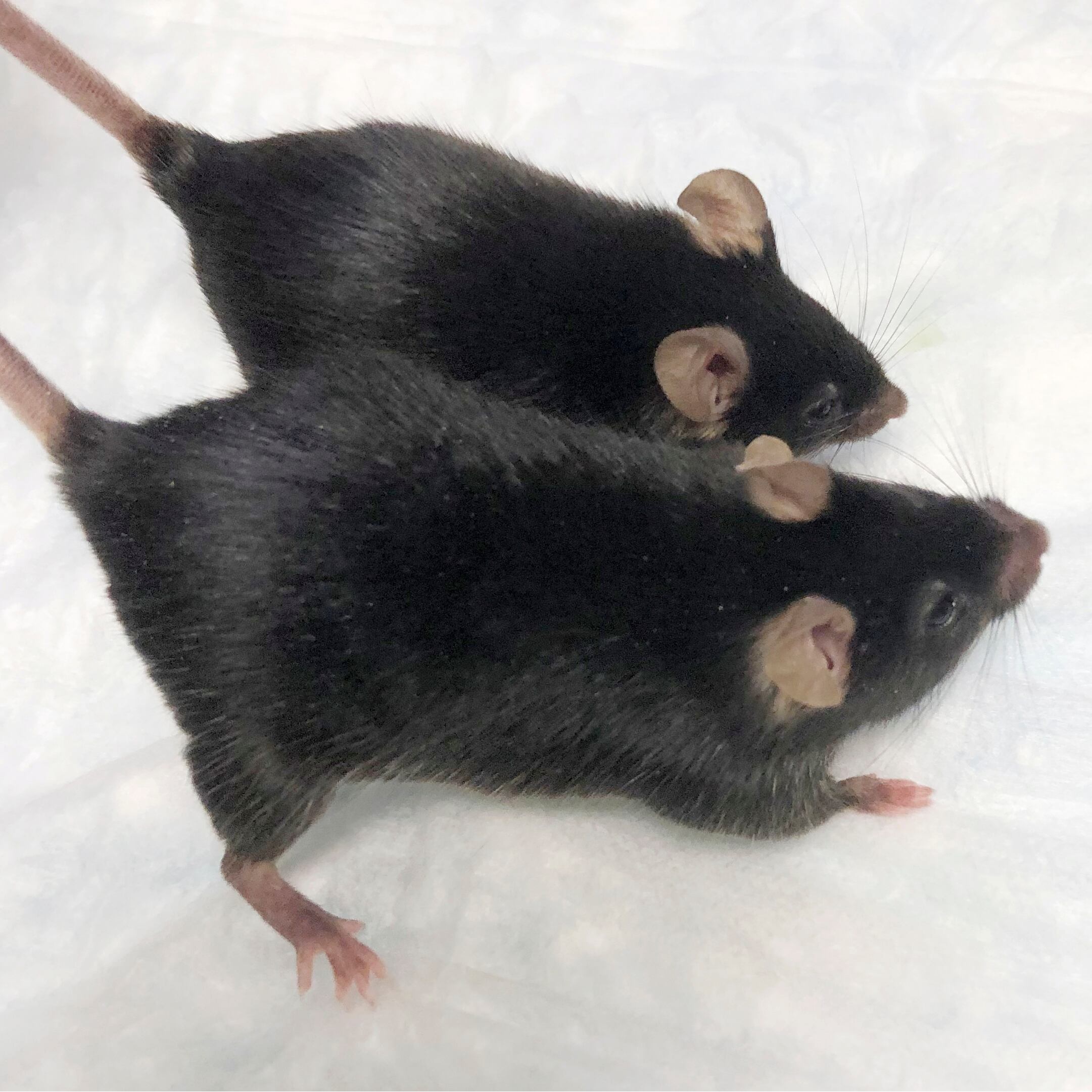
Scientists who sent bulked-up, mutant “mighty mice” to the International Space Station say the animals held onto their muscle during the monthlong flight.
Top executives of nine drugmakers likely to produce the first vaccines against the new coronavirus are taking the extraordinary step of promising they'll be safe and effective.
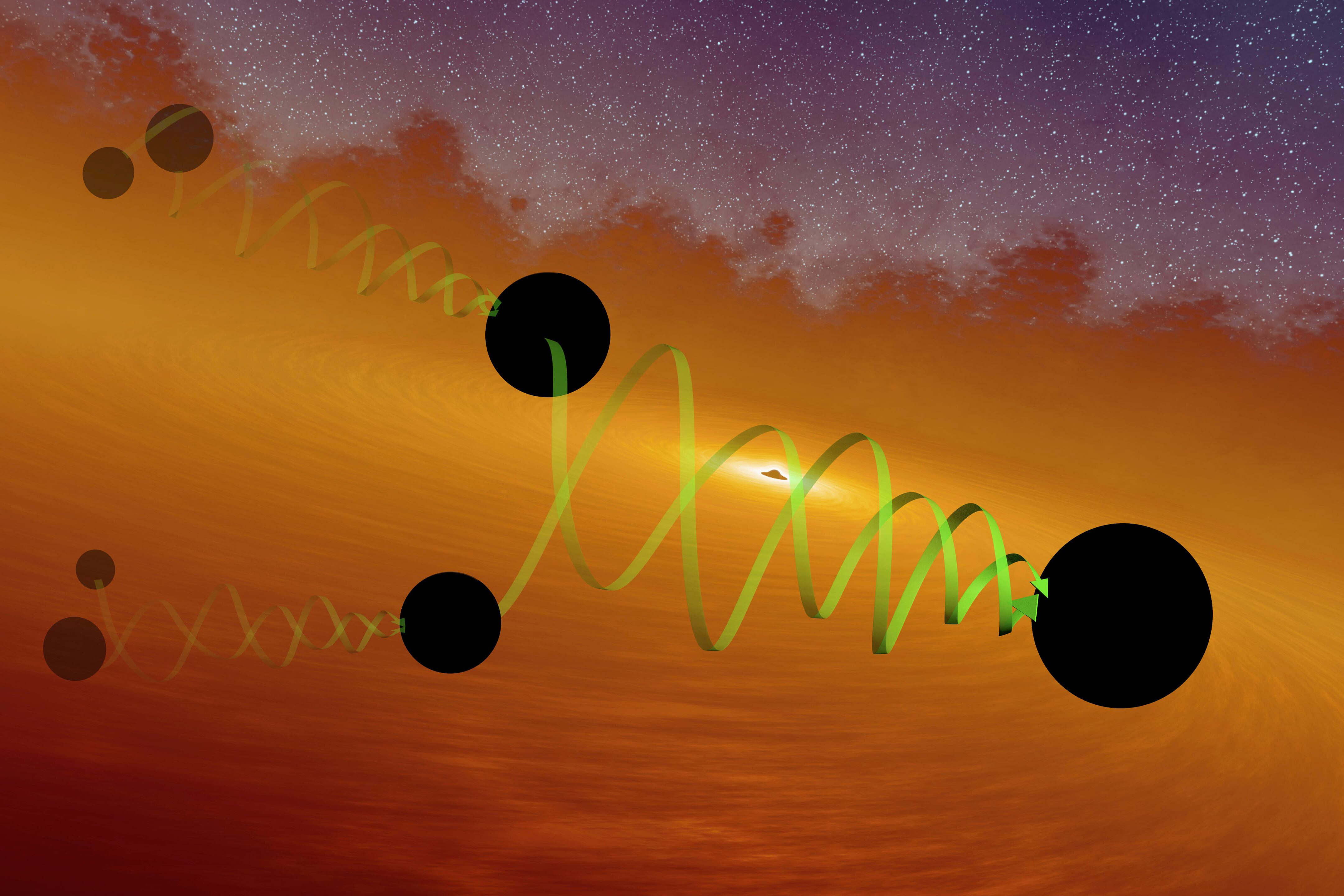
Astrophysicists detected the signal from a long ago violent collision of two black holes that created a new one of a size that had never been seen before.
The timeline raised concern among public health experts about an “October surprise" — a vaccine approval driven by political considerations ahead of a presidential election, rather than science.
Thailand’s prime minister is congratulating the nation for having achieved 100 days without a confirmed locally transmitted case of the coronavirus.
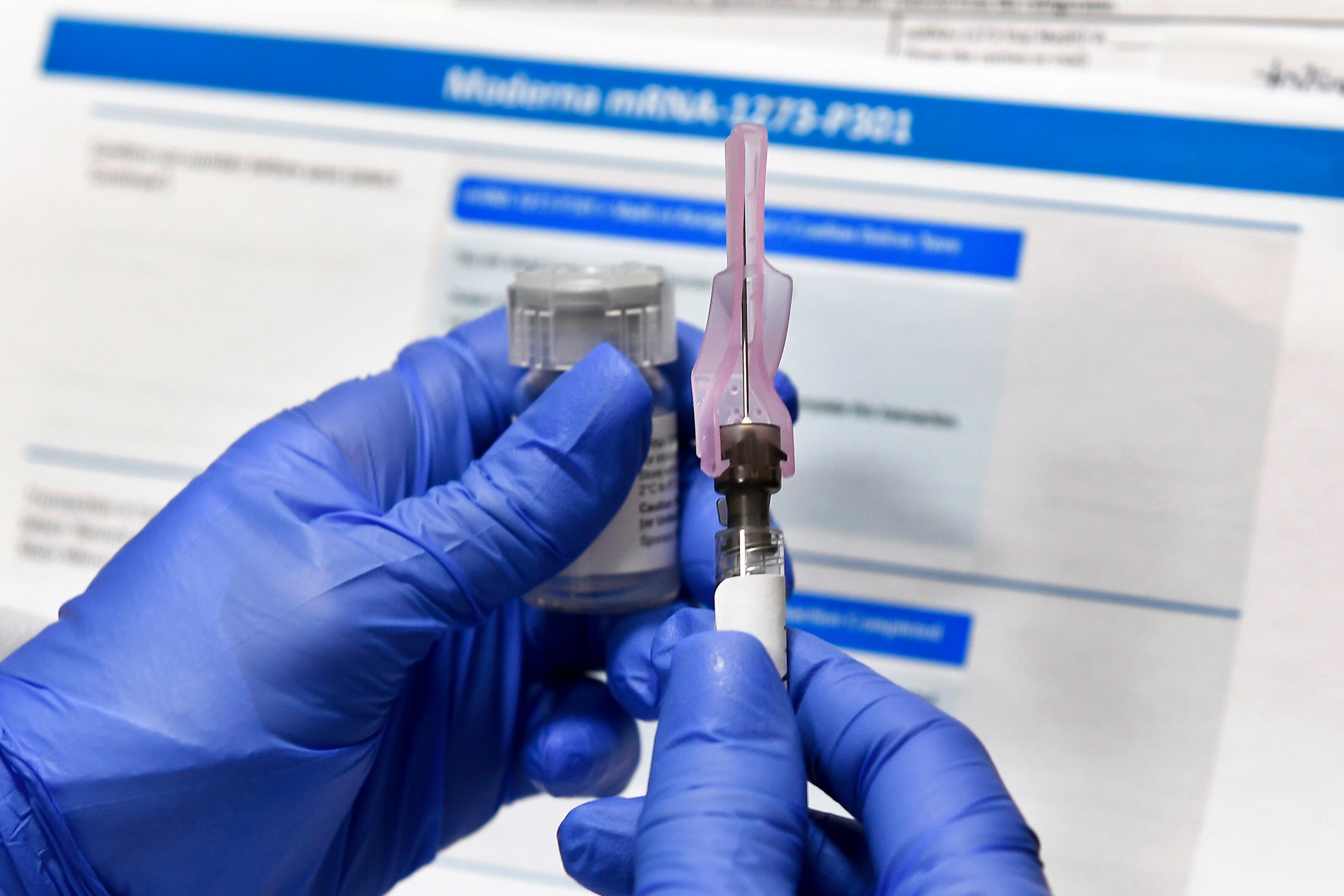
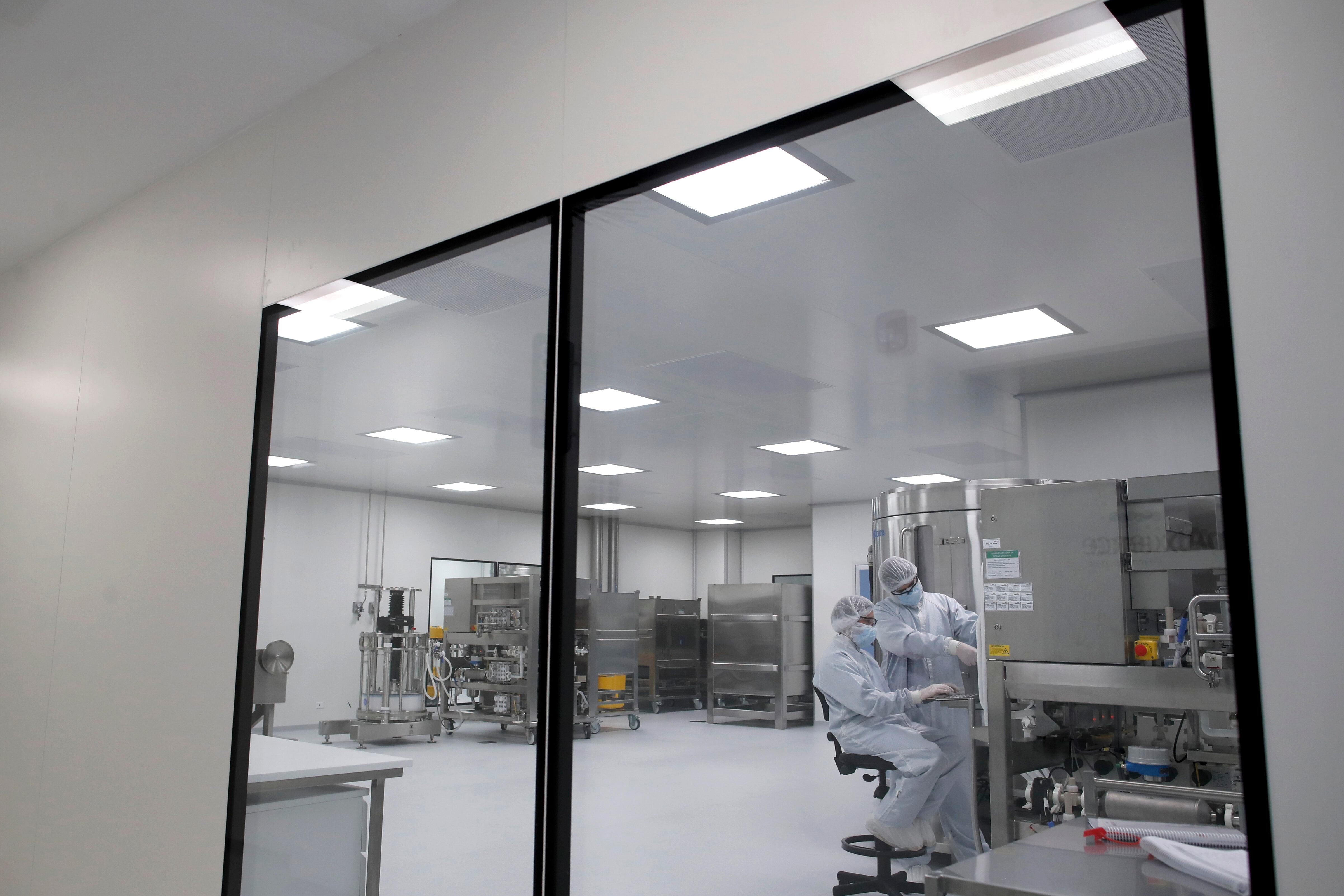
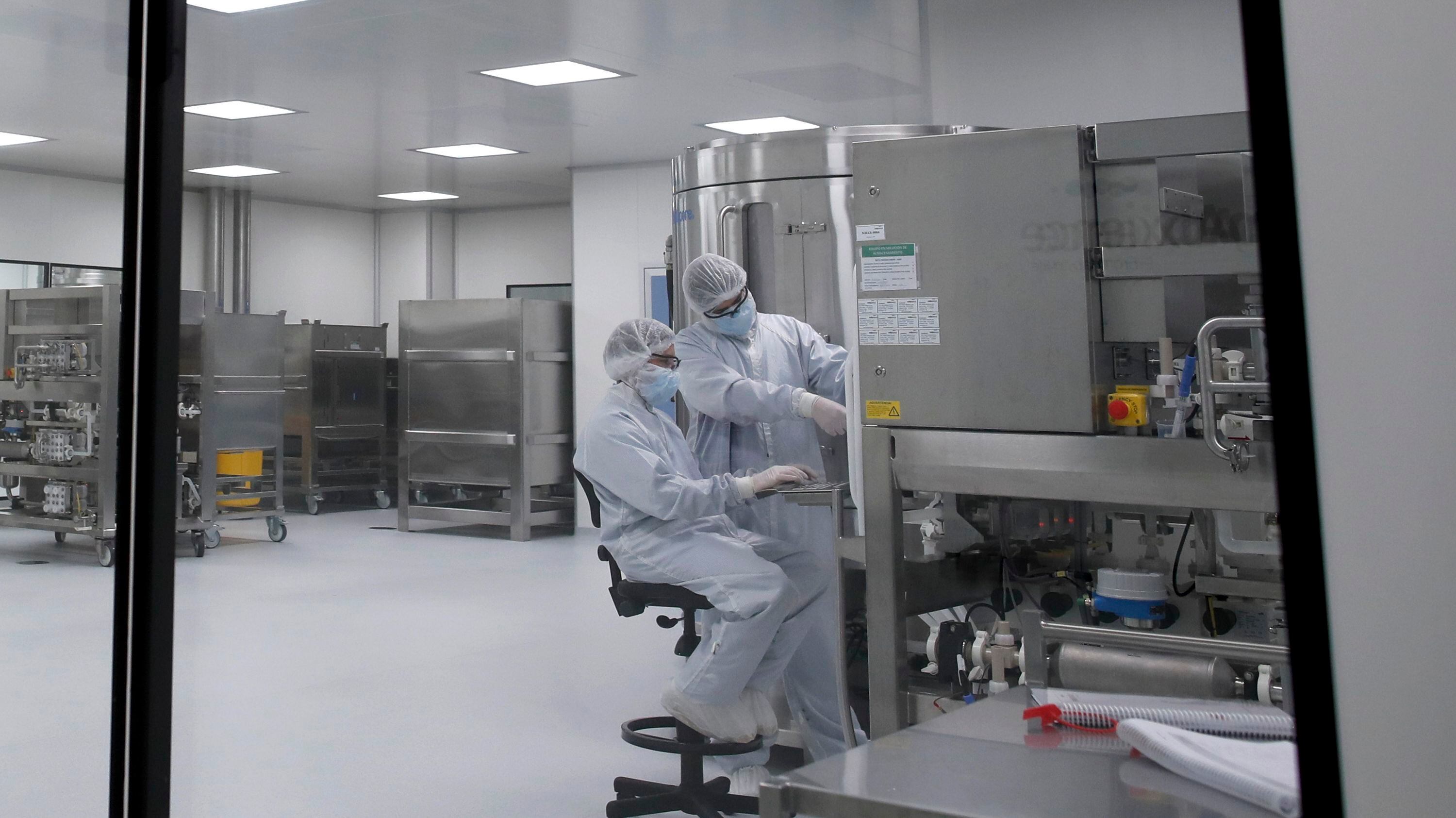
A third leading candidate COVID-19 vaccine has entered a final stage of human testing in the United States.
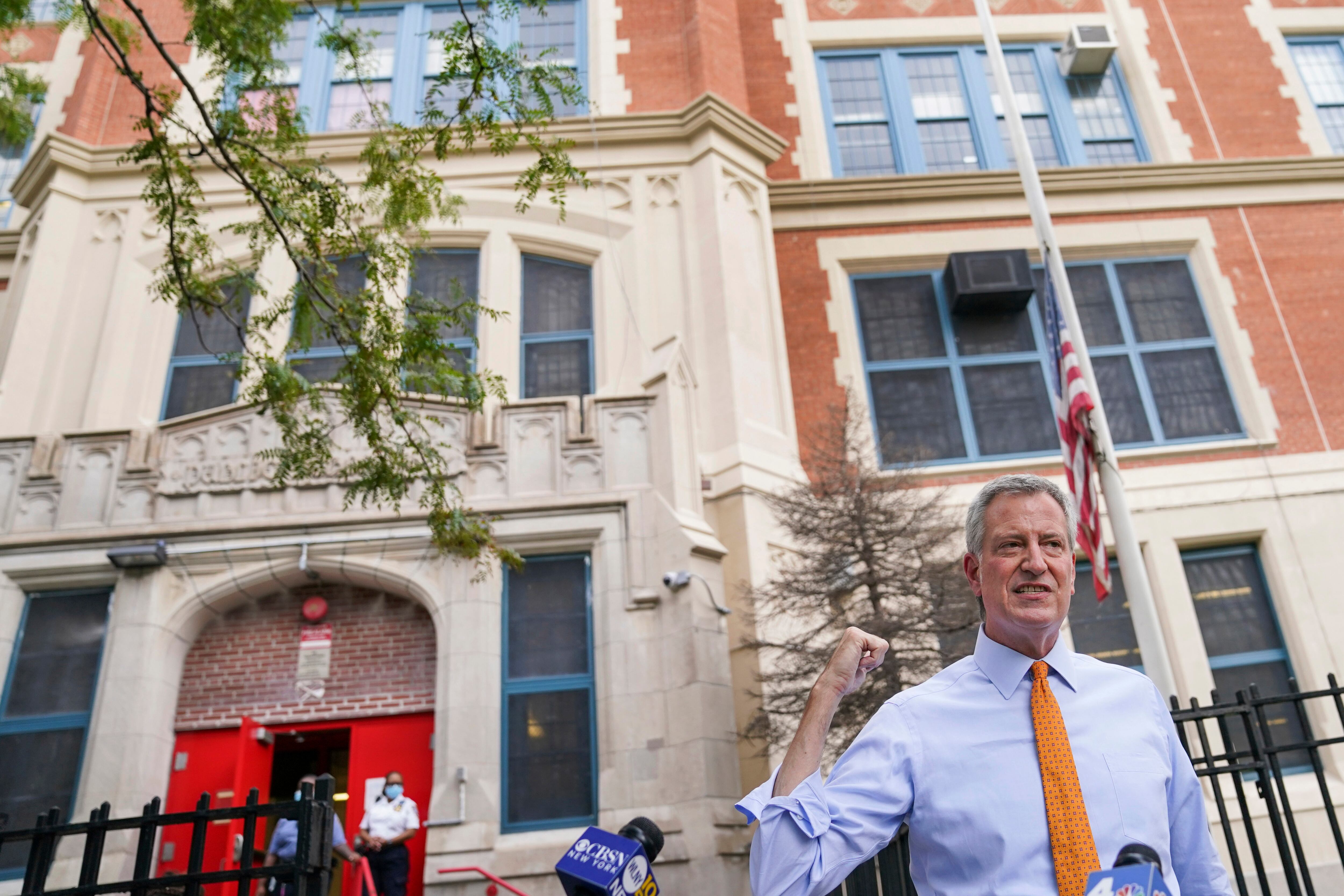
Mayor Bill de Blasio says New York City is delaying sending students back to classrooms in the nation’s largest public school system.
West Virginia University has developed technology that can predict coronavirus outbreaks with 90 percent accuracy. Dr. Ali Rezai, executive chair of WVU's Rockefeller Neuroscience Institute, joined Cheddar to discuss the technology and protocols the university will implement to mitigate the spread of COVID-19.
How and whether companies participate in COVID-19 vaccination programs could mean the difference between a successful roll-out, and one fraught with suspicion and misunderstanding.