Turkey’s president promised Saturday to rescue the Marmara Sea from an outbreak of “sea snot” that is alarming marine biologists and environmentalists.
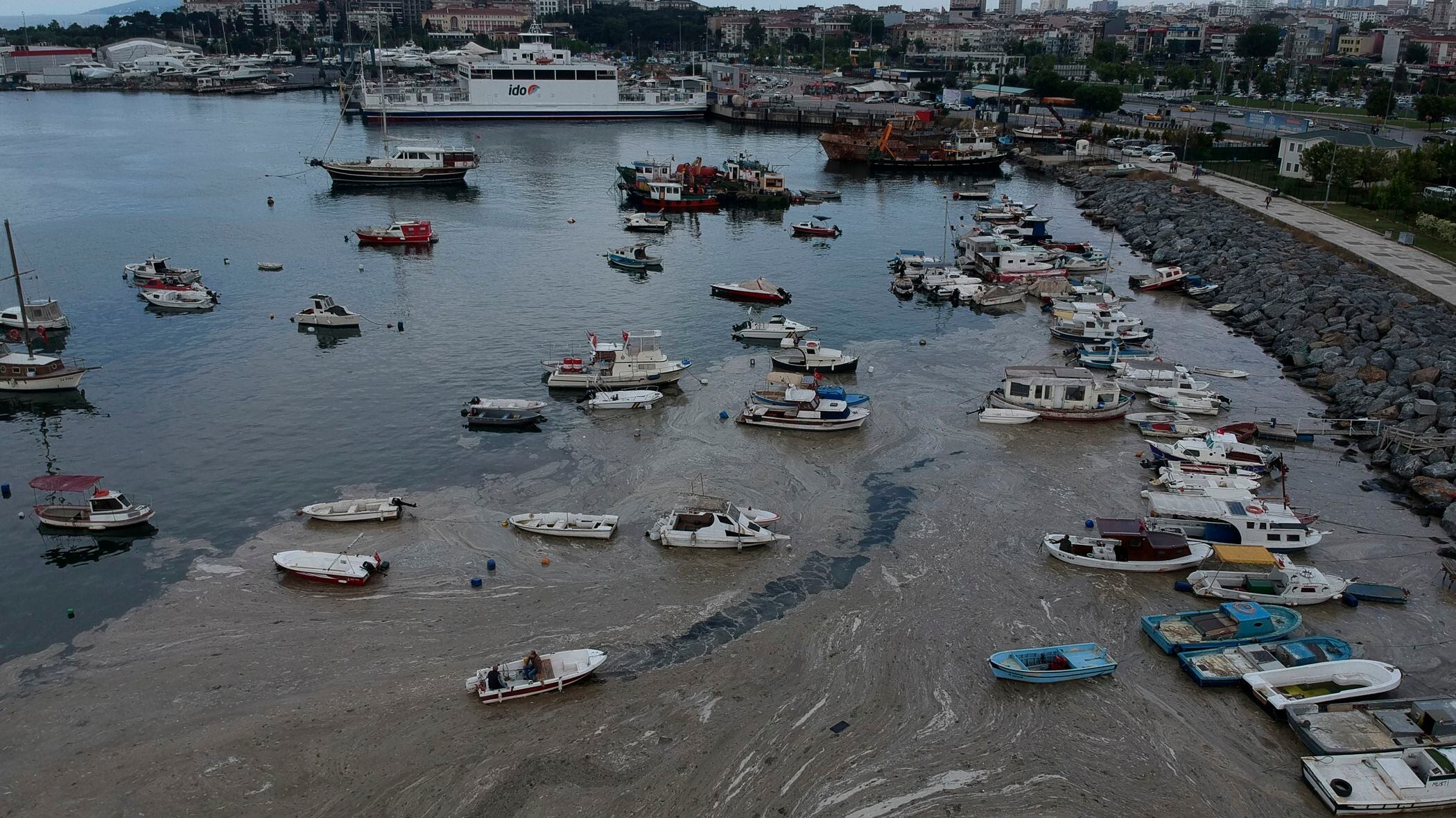
A huge mass of marine mucilage, a thick, slimy substance made up of compounds released by marine organisms, has bloomed in Turkey's Marmara, as well as in the adjoining Black and Aegean Seas.
Turkish President Recep Tayyip Erdogan said untreated waste dumped into the Marmara Sea and climate change had caused the sea snot bloom. Istanbul, Turkey’s largest city with some 16 million residents, and five other provinces, factories and industrial hubs border the sea.
Marine mucilage has reached unprecedented levels this year in Turkey. It is visible above the water as a slimy gray sheet along the shores of Istanbul and neighboring provinces. Underwater videos showed suffocated coral covered with sea snot.
Erdogan said he instructed the Ministry of Environment and Urbanization to coordinate with relevant institutions, municipalities and universities. Teams are inspecting waste water and solid waste facilities, along with other potential sources of pollution, he said.
“We will save our seas from this mucilage calamity, leading with the Marmara Sea,” Erdogan said. “We must take this step without delay.”
Marine experts say that human waste and industrial pollution is choking Turkey’s seas. They say the rise in water temperatures from climate change is contributing to the problem.
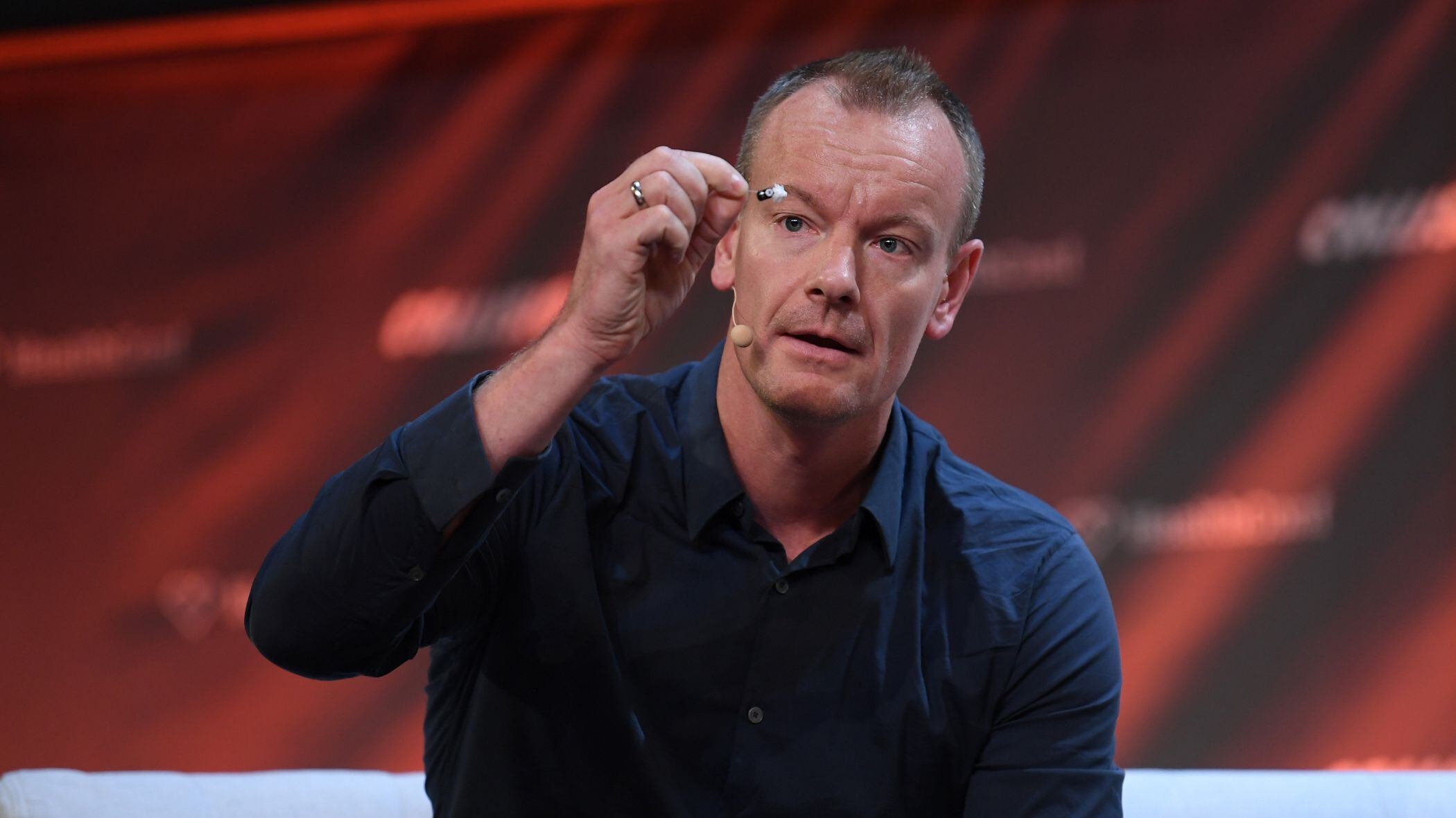
Christian Gormsen, Eargo CEO, joined Cheddar to discuss the hearing aid company going public. and also about the path to expanding insurance coverage to include hearing aids.
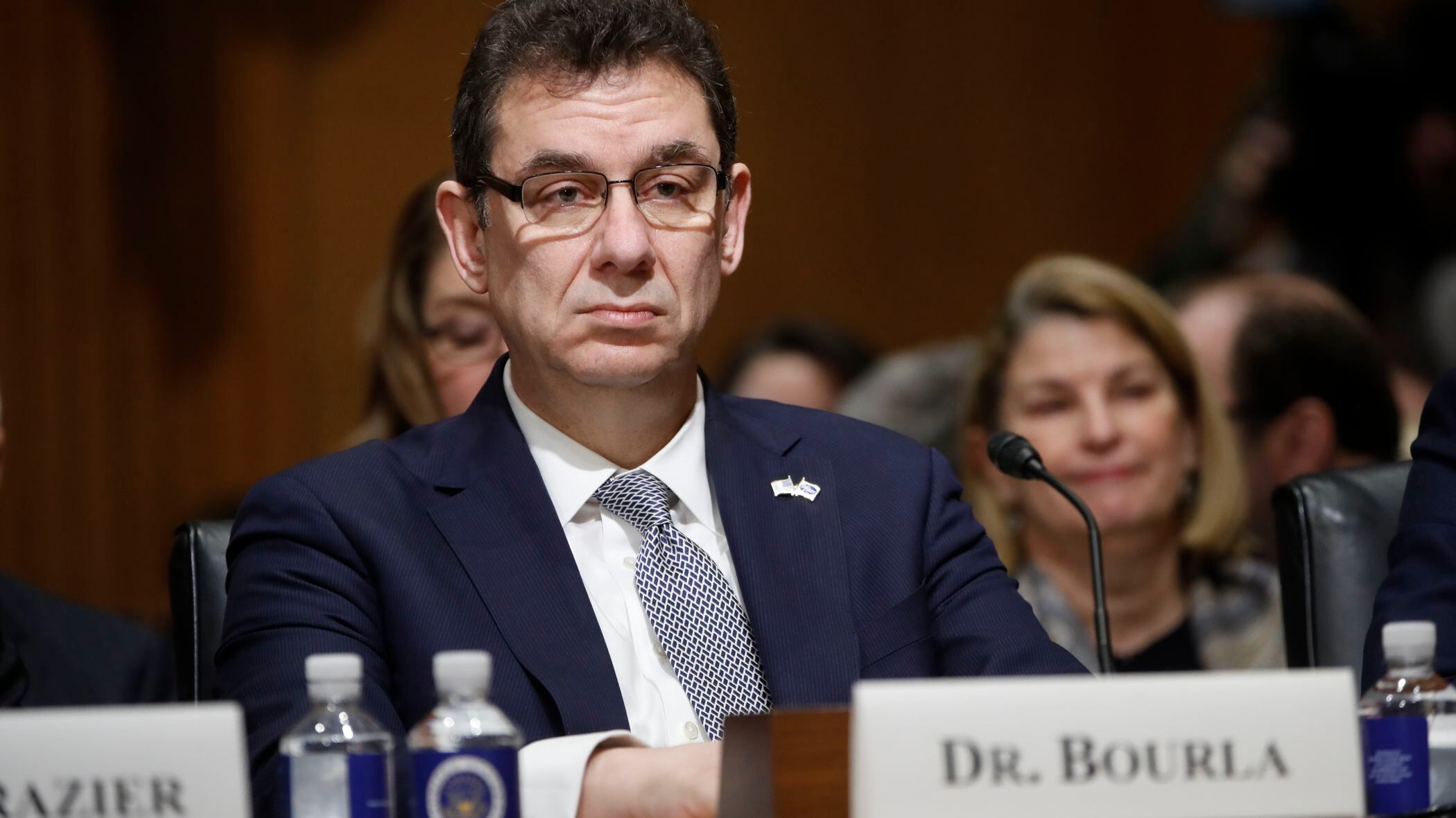
Pfizer CEO says it can't seek emergency authorization of its COVID-19 vaccine before the third week of November — and that's if everything goes well.
A trio of scientists is championing a controversial alternative to coronavirus lockdowns in a 500-word document called the Great Barrington Declaration, which is stirring up significant backlash from other public health experts.
Panera is doing its part to go green, upgrading its menu options to include the carbon footprint of each item. CEO Niren Chaudhary joined Cheddar to break down food production's link to climate change.
Former NASA astronaut, Scott Kelly provides some insight into the impacts of being isolated, particularly as people around the world experience it amid the coronavirus pandemic.
US Scientists calculate that Earth hit its warmest September on record last month. The National Oceanic and Atmospheric Administration Wednesday said there's nearly a two-to-one chance that 2020 will end up as the hottest year on record.
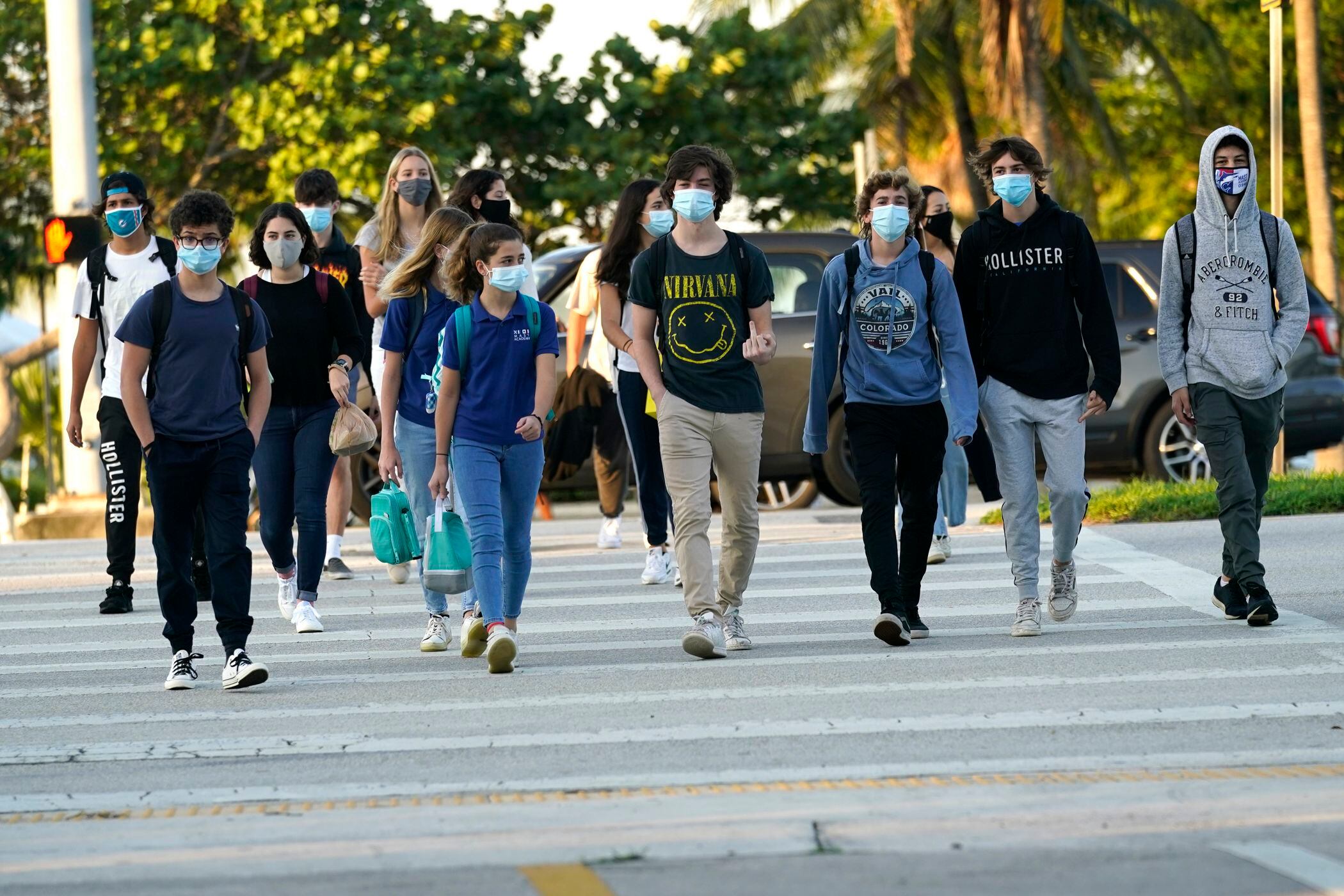
Facing public skepticism about rushed COVID-19 vaccines, U.S. health officials are planning an extra layer of safety scrutiny for the first people vaccinated when shots become available.
A late-stage study of Johnson & Johnson’s COVID-19 vaccine candidate has been paused while the company investigates whether a study participant’s “unexplained illness” is related to the shot.
At least 2 percent of American children are being raised by their grandparents, an arrangement that already has unique challenges for such families, but the COVID-19 pandemic is adding even more obstacles to contend with.
From Wall Street to Silicon Valley, these are the top stories that moved markets and had investors, business leaders, and entrepreneurs talking this week on Cheddar.