Turkey’s president promised Saturday to rescue the Marmara Sea from an outbreak of “sea snot” that is alarming marine biologists and environmentalists.
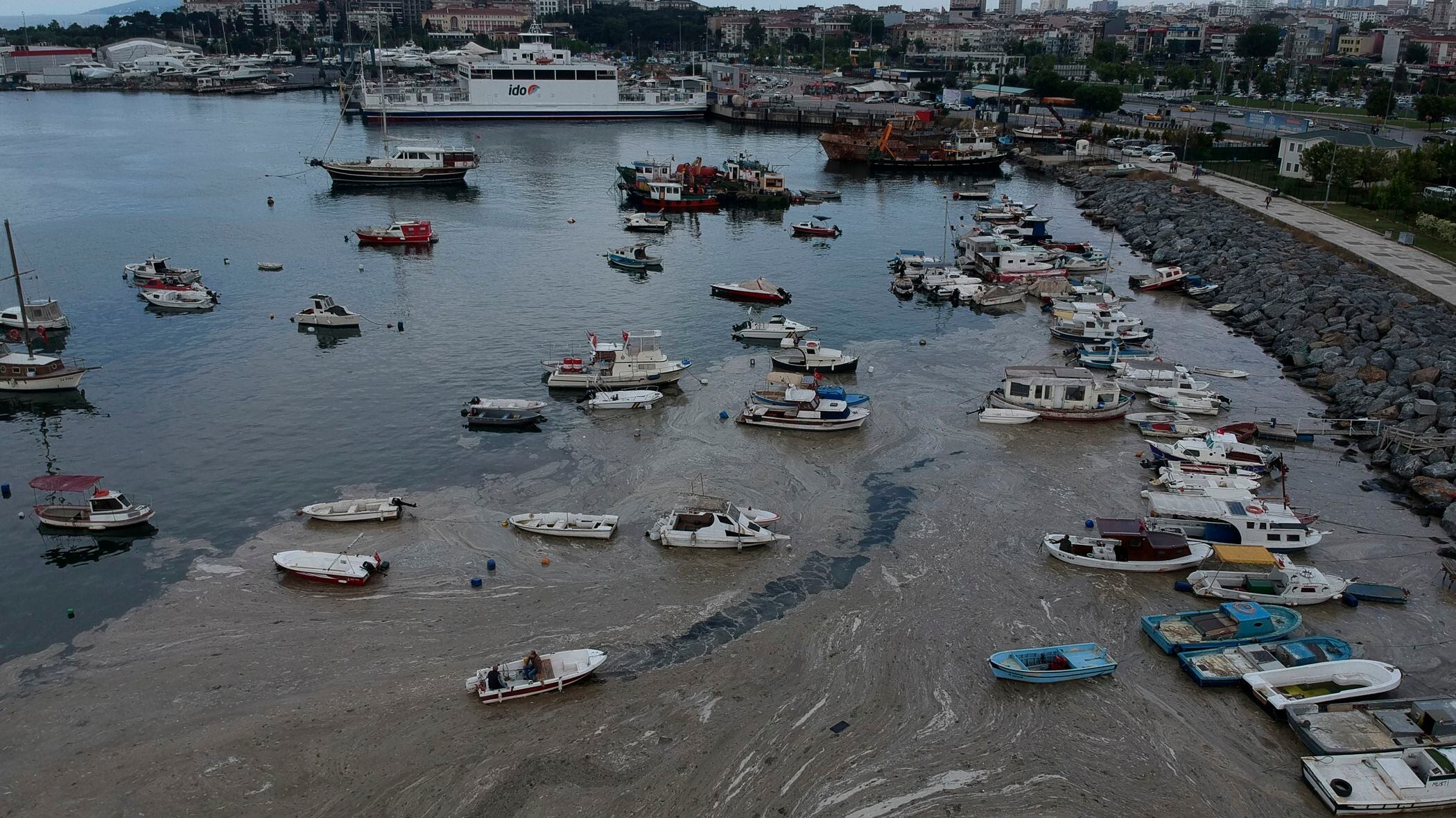
A huge mass of marine mucilage, a thick, slimy substance made up of compounds released by marine organisms, has bloomed in Turkey's Marmara, as well as in the adjoining Black and Aegean Seas.
Turkish President Recep Tayyip Erdogan said untreated waste dumped into the Marmara Sea and climate change had caused the sea snot bloom. Istanbul, Turkey’s largest city with some 16 million residents, and five other provinces, factories and industrial hubs border the sea.
Marine mucilage has reached unprecedented levels this year in Turkey. It is visible above the water as a slimy gray sheet along the shores of Istanbul and neighboring provinces. Underwater videos showed suffocated coral covered with sea snot.
Erdogan said he instructed the Ministry of Environment and Urbanization to coordinate with relevant institutions, municipalities and universities. Teams are inspecting waste water and solid waste facilities, along with other potential sources of pollution, he said.
“We will save our seas from this mucilage calamity, leading with the Marmara Sea,” Erdogan said. “We must take this step without delay.”
Marine experts say that human waste and industrial pollution is choking Turkey’s seas. They say the rise in water temperatures from climate change is contributing to the problem.
CEO Isaac Larian joined Cheddar to discuss MGA Entertainment's push for recyclable toy products and packaging.
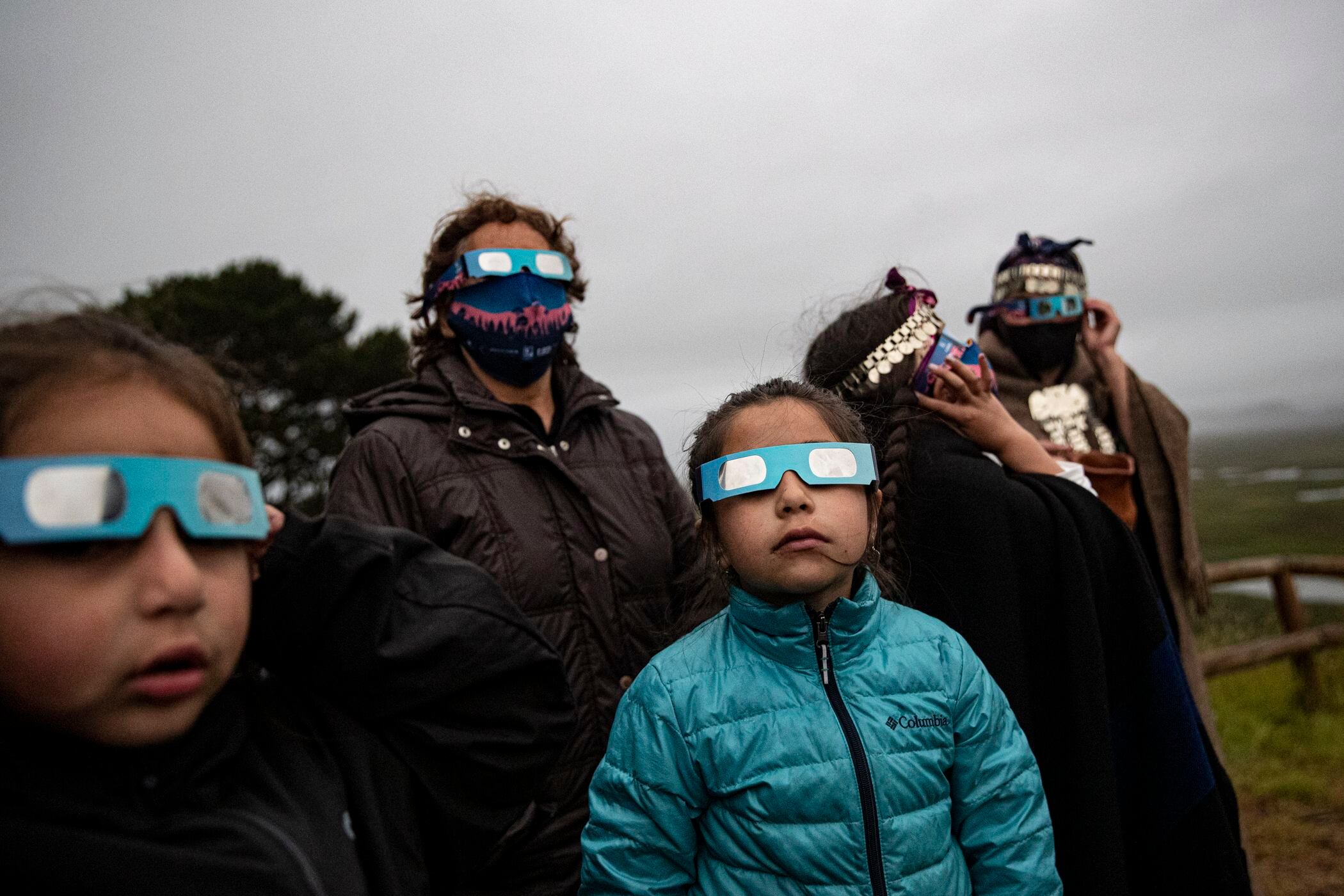
Thousands of people gathered in the Chilean region of La Araucanía on Monday to witness a solar eclipse, rejoicing in the rare experience even though visibility was limited because of cloudy skies.
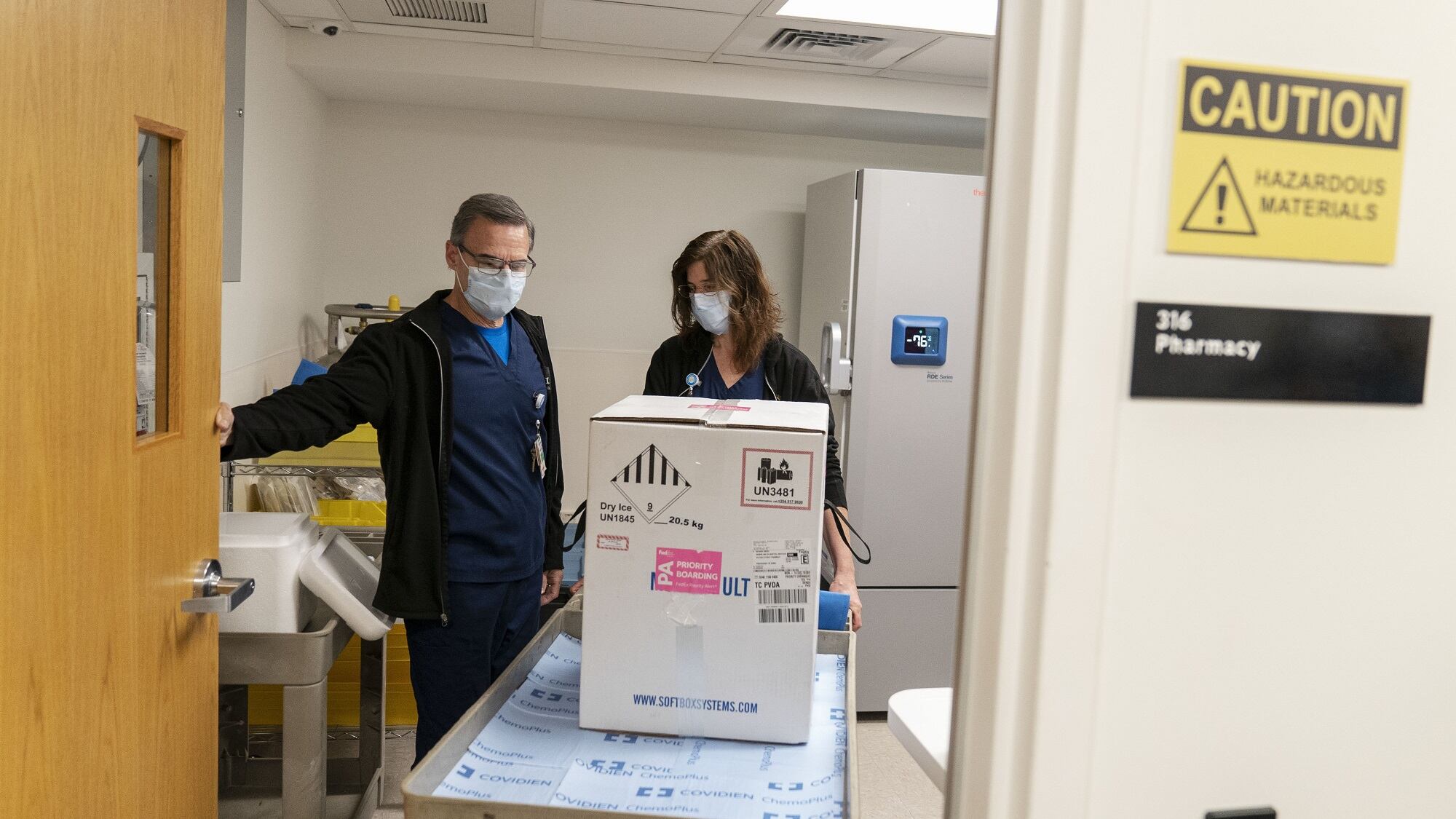
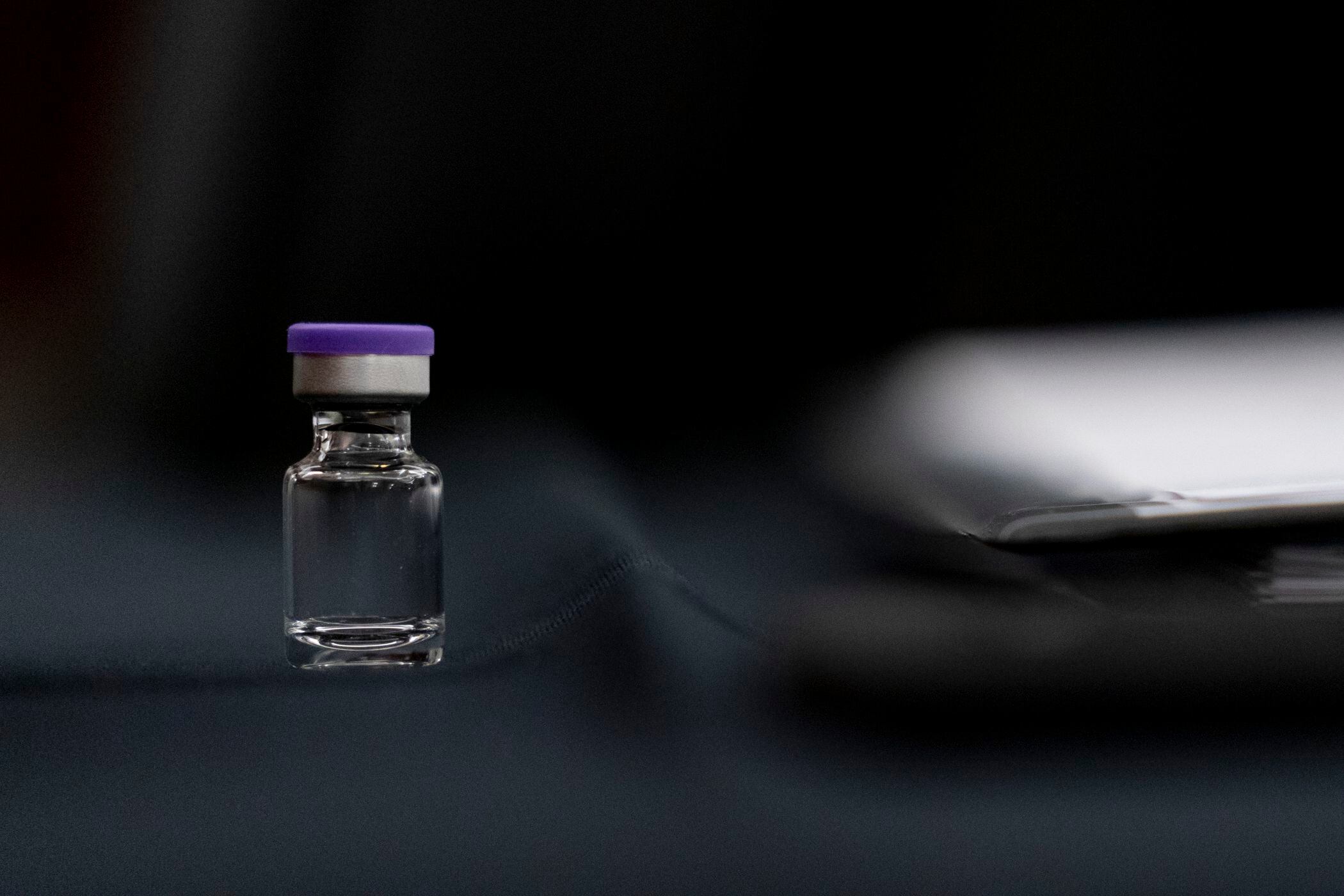
Hospital workers begin unloading precious frozen vials of COVID-19 vaccine Monday, with the first vaccinations against a scourge that has killed nearly 300,000 Americans expected later in the day.
Sen. Tina Smith (D-Minn.) joined Cheddar to discuss the need for the federal government to provide more help to states in order to effectively distribute the COVID vaccines.
Get better sleep, improve productivity and boost overall happiness with a little help from these highly-rated mindfulness picks.
Airships were once believed to be the future of human flight, so why did they fall out of favor so quickly and which flaws ultimately made them a design disaster?
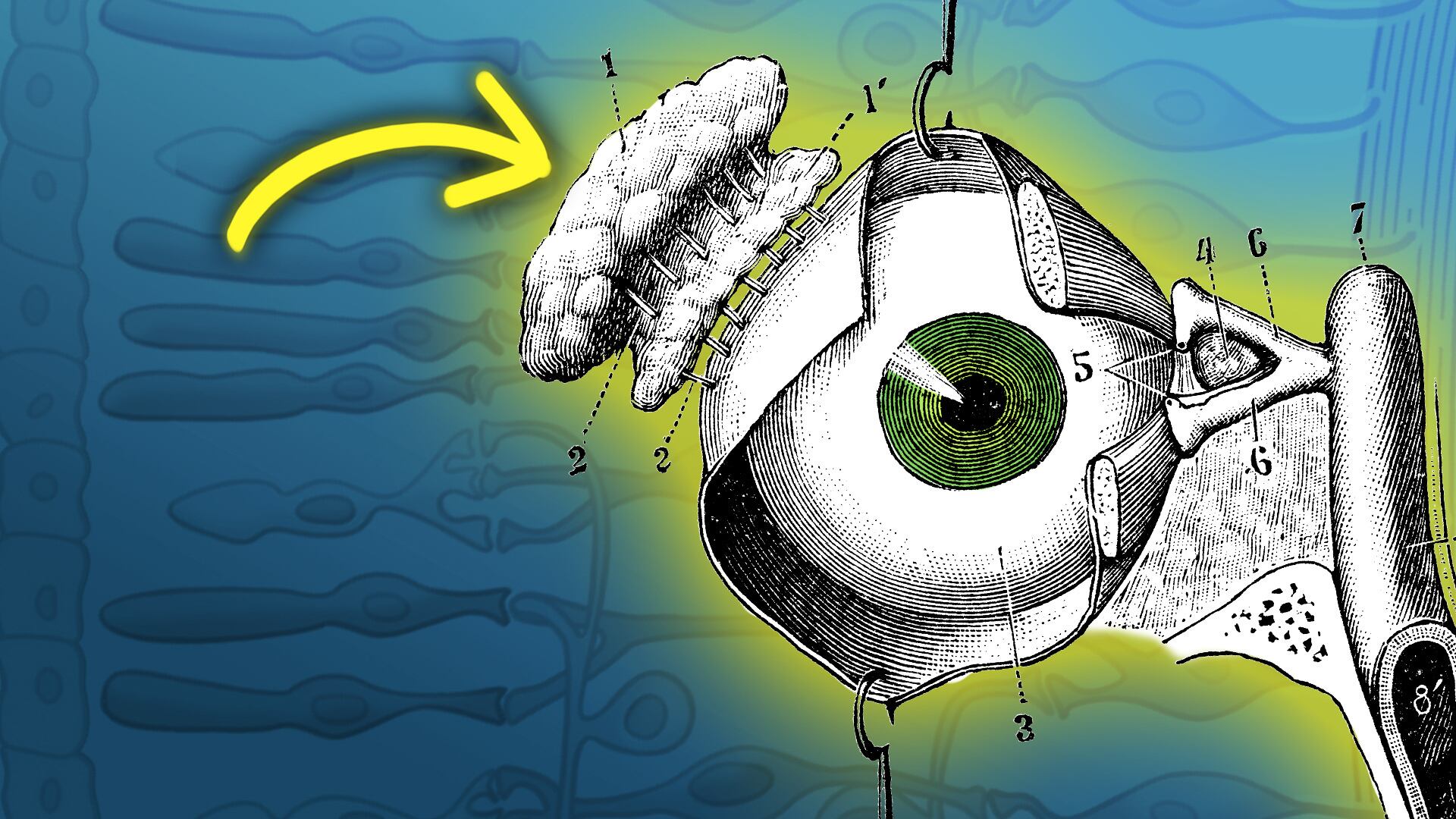
Over 24 million adults in the United States have eye issues: Either you’re born with eye issues, you grow up to have eye issues, or you get so old that your eyes deteriorate into one big issue. So why are our eyes an engineering nightmare? Cheddar explains.
Make a gamer's day with the hottest accessories, subscriptions and consoles of the holiday season.
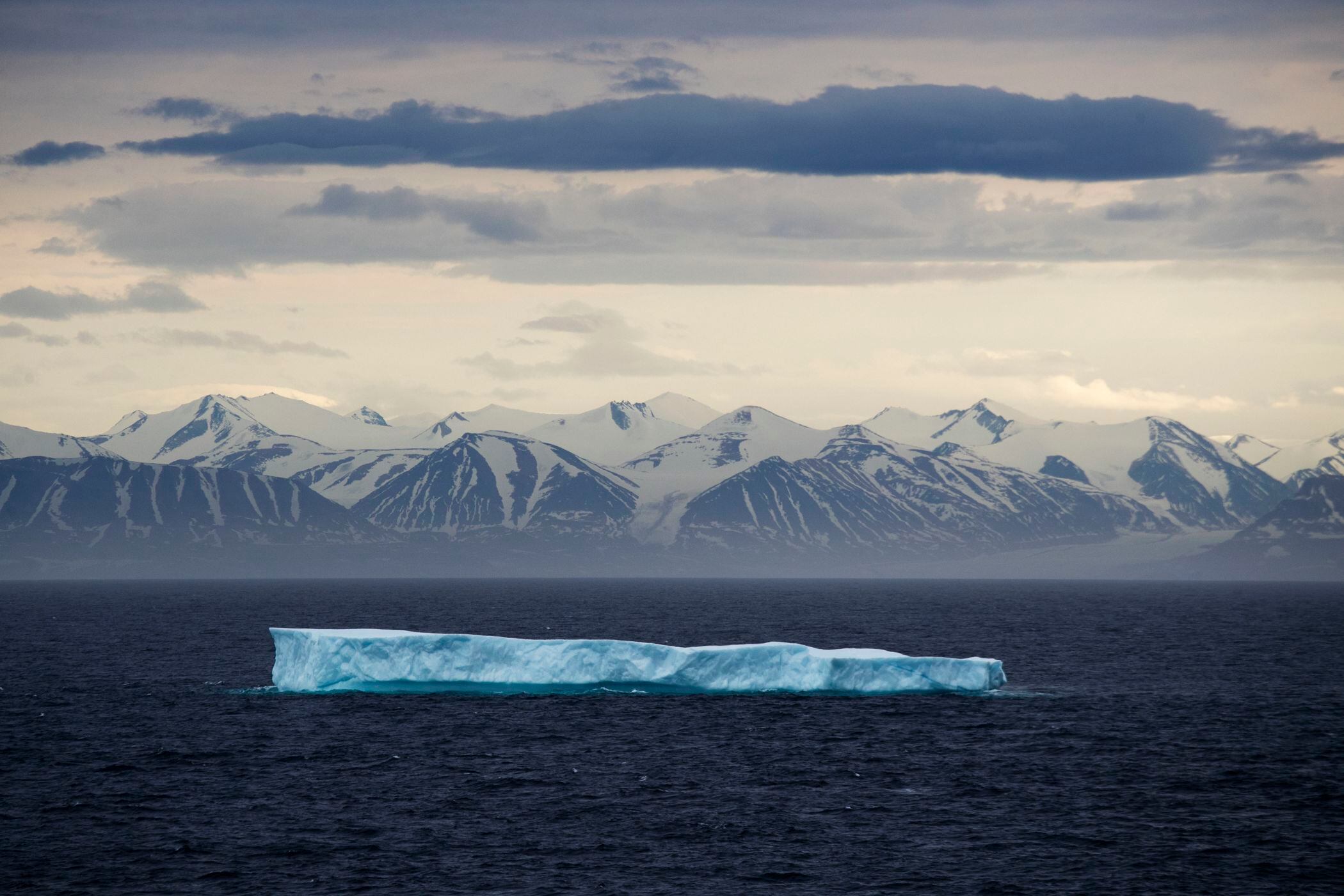
A new report shows how warming temperatures in the Arctic are transforming the region's geography and ecosystems.
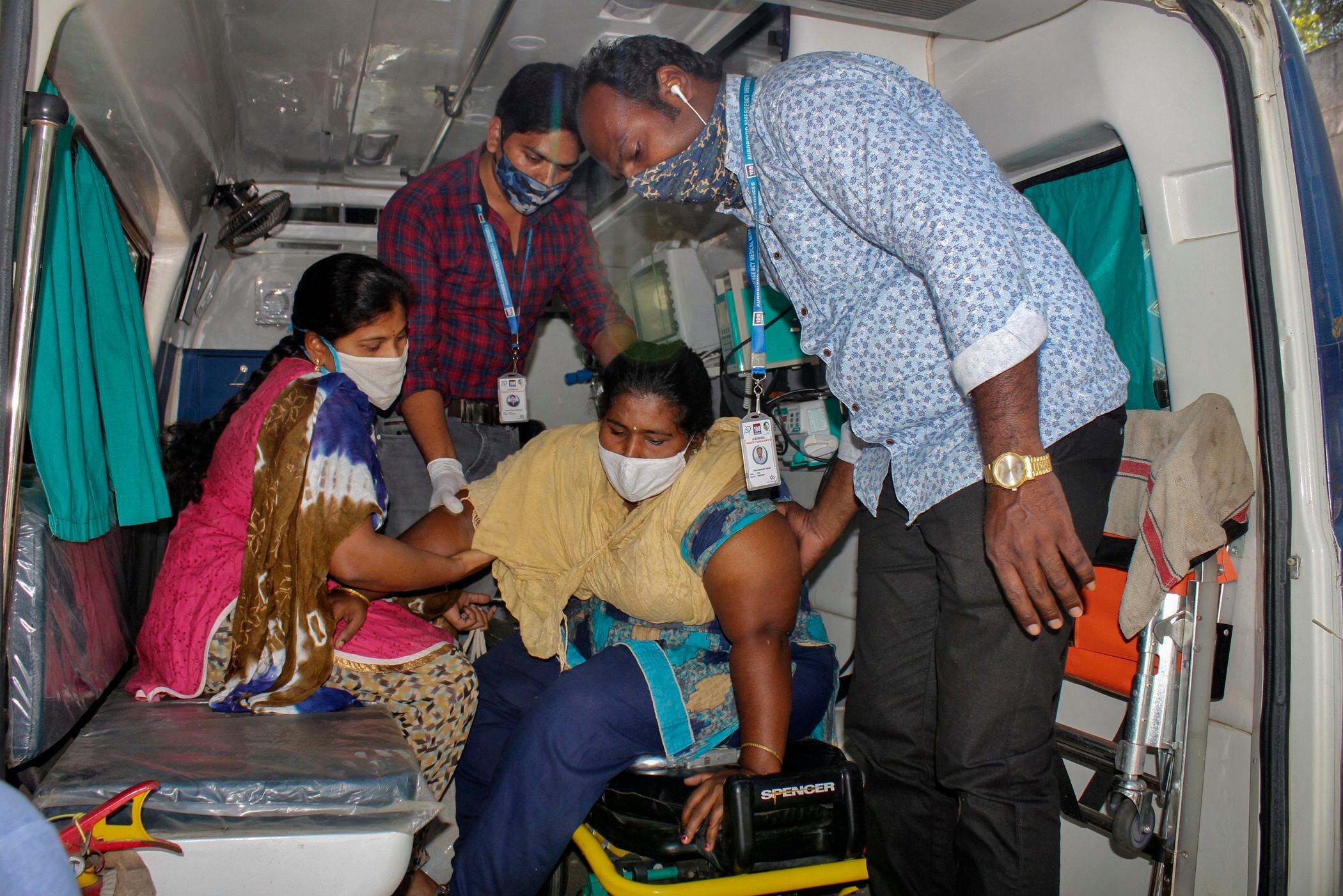
Indian health officials say they have found traces of nickel and lead in a few blood samples taken from hundreds of patients who have been hospitalized by a mysterious illness in a southern state.