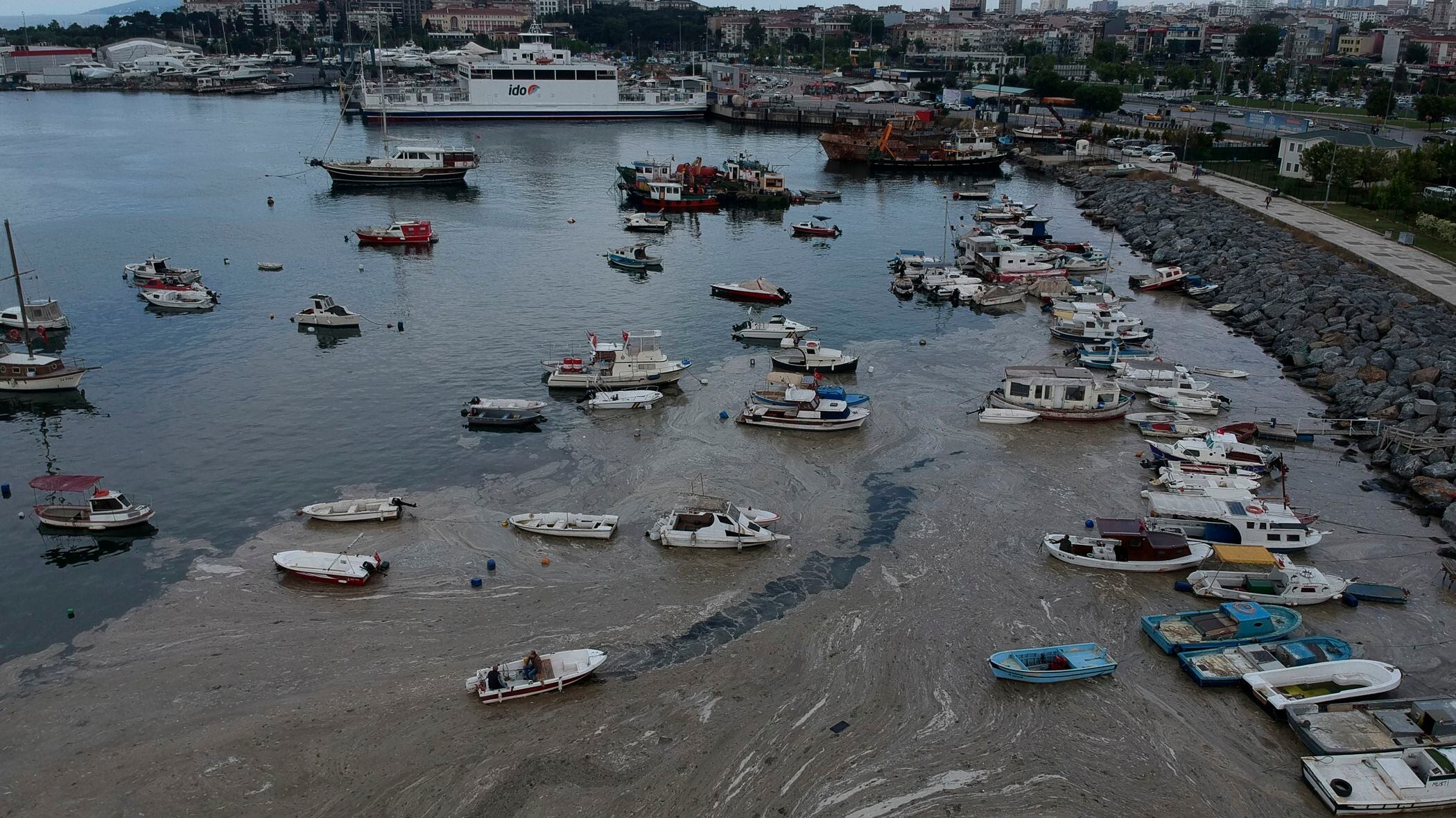
An aerial photo of Pendik port in Asian side of Istanbul, Friday, June 4, 2021, with a huge mass of marine mucilage, a thick, slimy substance made up of compounds released by marine organisms, in Turkey's Marmara Sea. Turkey's President Recep Tayyip Erdogan promised Saturday to rescue the Marmara Sea from an outbreak of "sea snot" that is alarming marine biologists and environmentalists. Erdogan said untreated waste dumped into the Marmara Sea and climate change had caused the sea snot bloom. Istanbul, Turkey's largest city with some 16 million residents, factories and industrial hubs, borders the sea.(AP Photo)
Turkey’s president promised Saturday to rescue the Marmara Sea from an outbreak of “sea snot” that is alarming marine biologists and environmentalists.
A huge mass of marine mucilage, a thick, slimy substance made up of compounds released by marine organisms, has bloomed in Turkey's Marmara, as well as in the adjoining Black and Aegean Seas.
Turkish President Recep Tayyip Erdogan said untreated waste dumped into the Marmara Sea and climate change had caused the sea snot bloom. Istanbul, Turkey’s largest city with some 16 million residents, and five other provinces, factories and industrial hubs border the sea.
Marine mucilage has reached unprecedented levels this year in Turkey. It is visible above the water as a slimy gray sheet along the shores of Istanbul and neighboring provinces. Underwater videos showed suffocated coral covered with sea snot.
Erdogan said he instructed the Ministry of Environment and Urbanization to coordinate with relevant institutions, municipalities and universities. Teams are inspecting waste water and solid waste facilities, along with other potential sources of pollution, he said.
“We will save our seas from this mucilage calamity, leading with the Marmara Sea,” Erdogan said. “We must take this step without delay.”
Marine experts say that human waste and industrial pollution is choking Turkey’s seas. They say the rise in water temperatures from climate change is contributing to the problem.
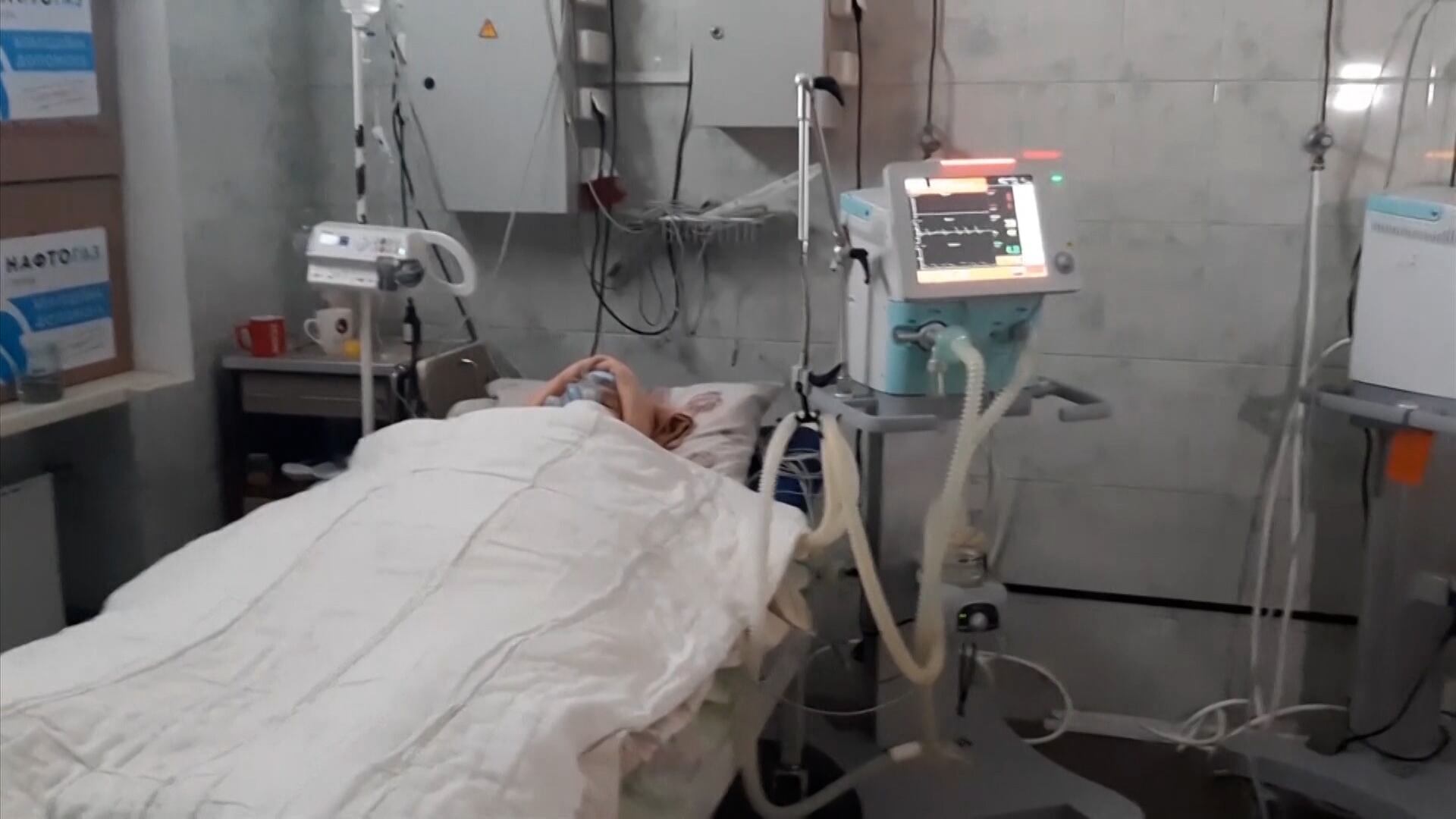
As the Russia's invasion of Ukraine continues, medical experts are worried conditions in active warzones will exacerbate the current pandemic — or even give rise to other contagions. Dr. Daniel Fagbuyi, a war veteran and former Obama administration biodefense appointee, joined Cheddar News to discuss the ongoing danger of COVID-19 on top of the war, as well as the potential for new variants to emerge. "I mean just large volumes of people definitely is a breeding ground. That's the worst case," he said. "Two things don't mix: war-conflict and a virus, a potential pandemic virus."
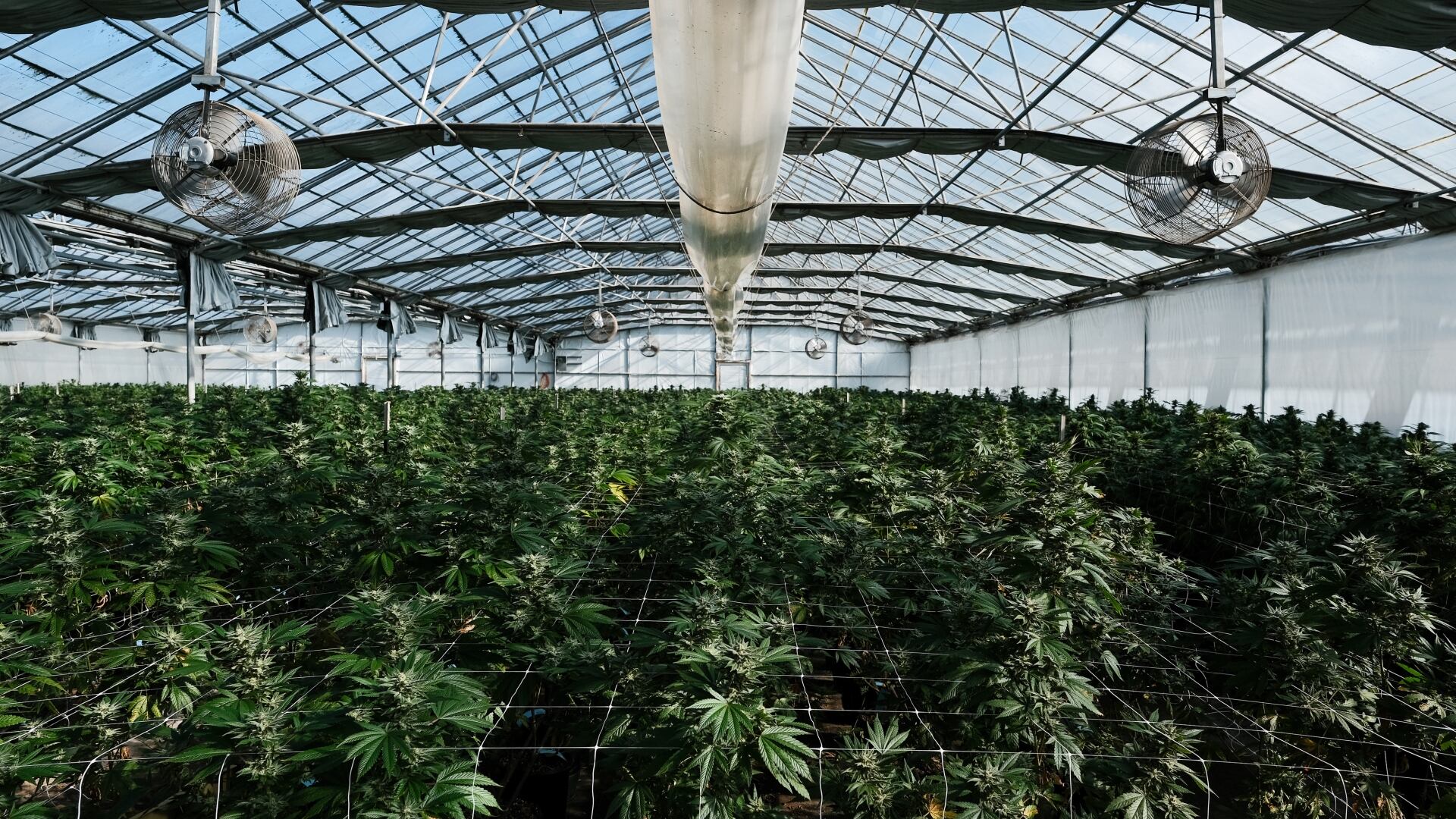
Medical cannabis company Akanda went public this week in what was the first traditional IPO of the month. Shares jumped about 163% in the stock's first day of trading. The London-based company says it hopes to supply medical cannabis products to wholesalers in international markets. Tej Virk, CEO of Akanda, joins Cheddar News' Closing Bell to discuss.
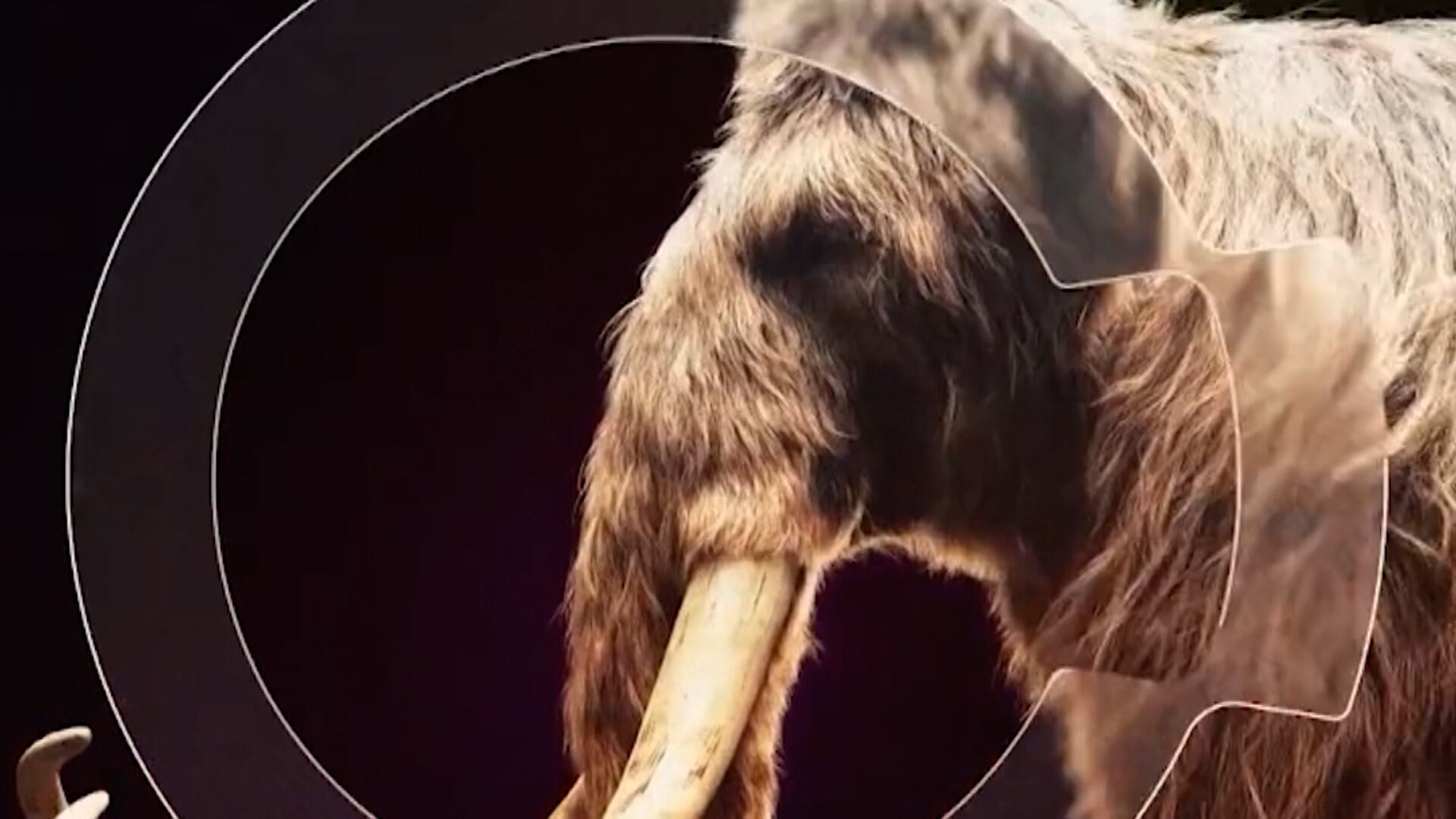
Bioscience and genetic engineering company, Colossal, raised $60 million in a Series A funding round. Colossal is focused on developing new technologies and genetic tools to restore extinct species, and protect critically endangered species. One of the startup's long-term goals is to resurrect the woolly mammoth, and return it back to the arctic. Colossal also says it is developing technology that expands beyond animals, and has the potential to advance human health. Ben Lamm, co-founder and CEO of Colossal, joins Cheddar News' Closing Bell to discuss.
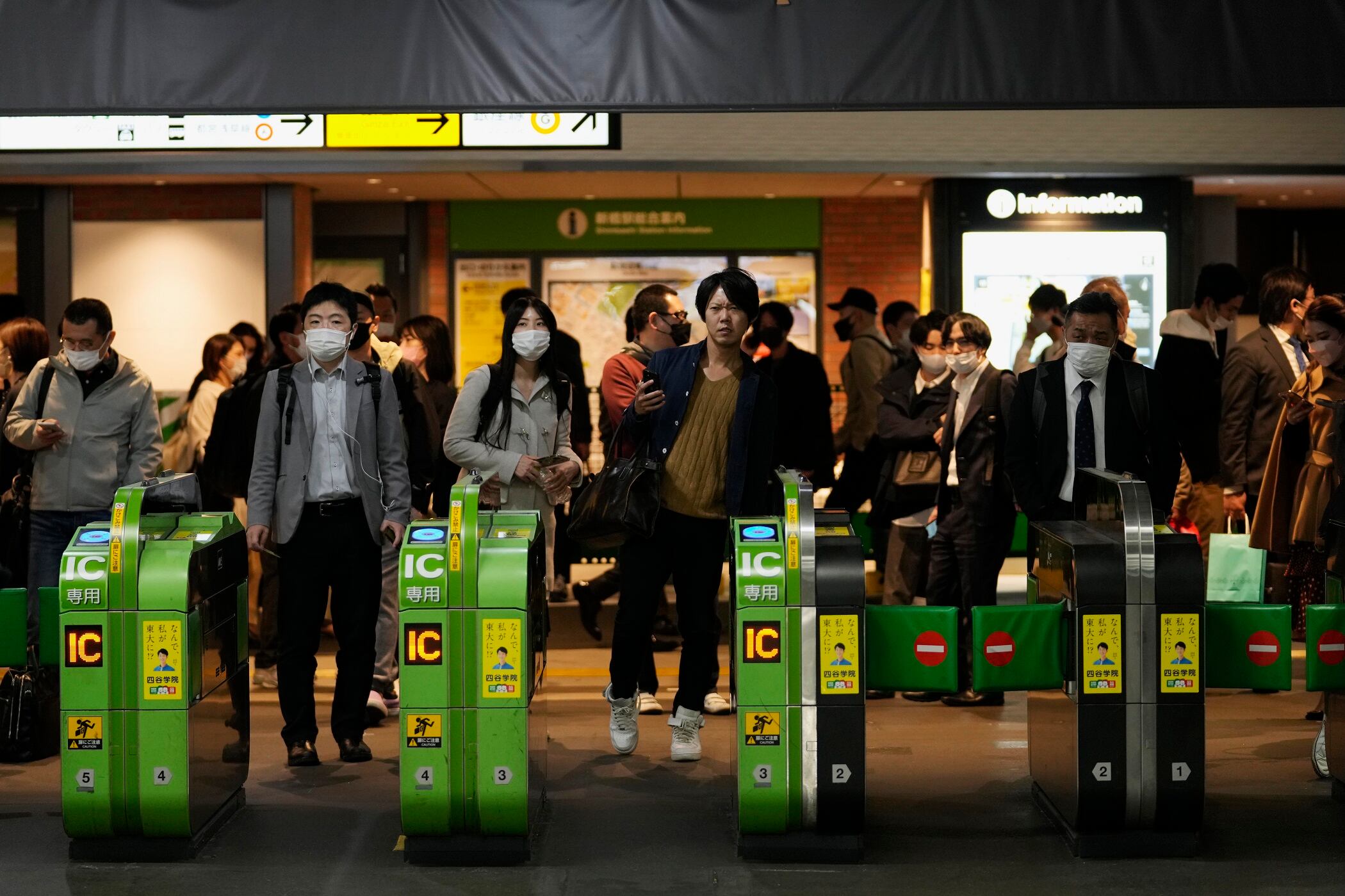
Residents were cleaning their homes Thursday after a 7.4-magnitude earthquake struck off the coast of Fukushima in northern Japan, smashing furniture, knocking out power and killing four people.
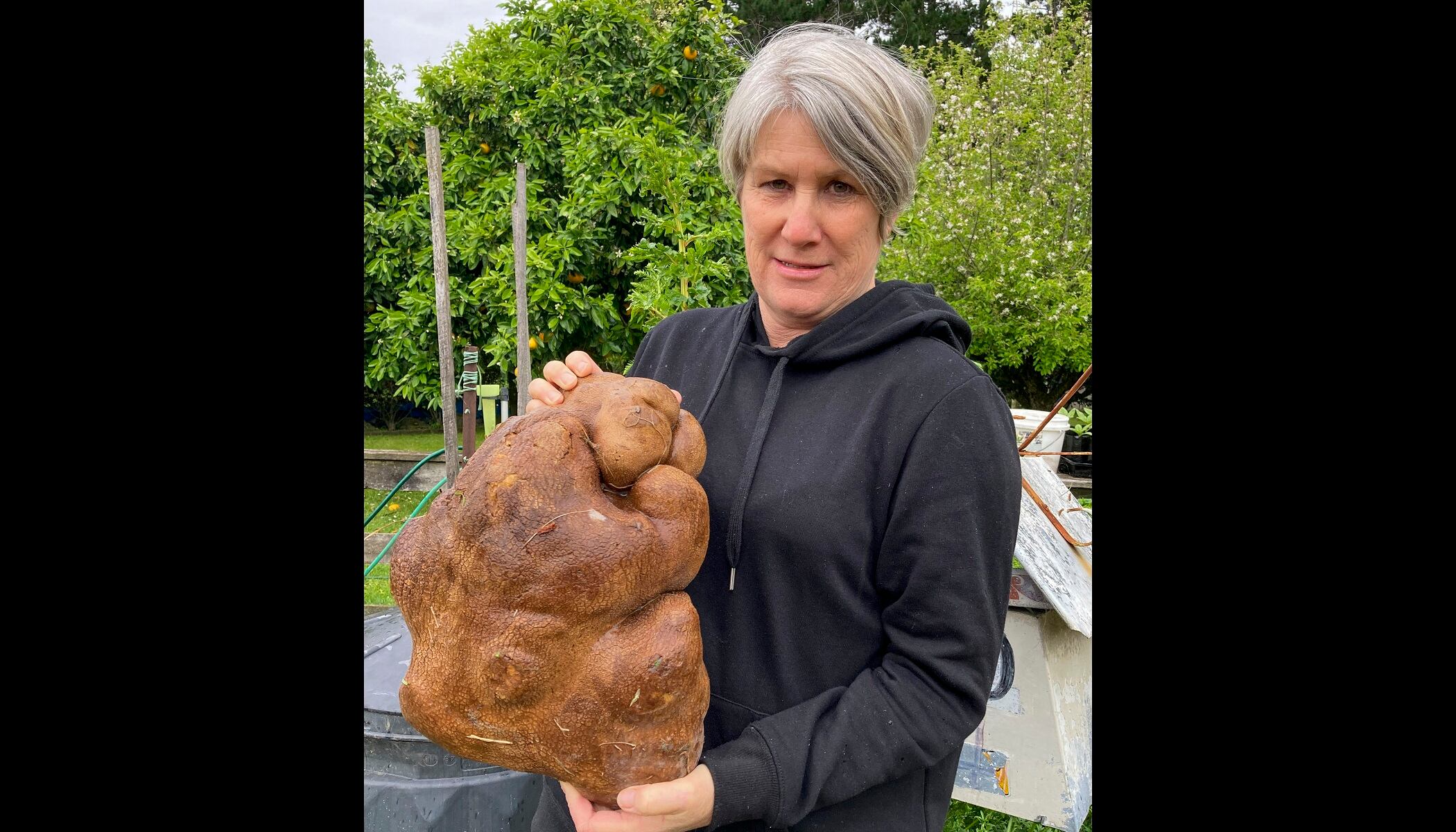
A New Zealand couple who believed they had dug up the world’s largest potato had their dreams turned to mash after Guinness World Records wrote to say that scientific testing had found it wasn’t, in fact, a potato after all.
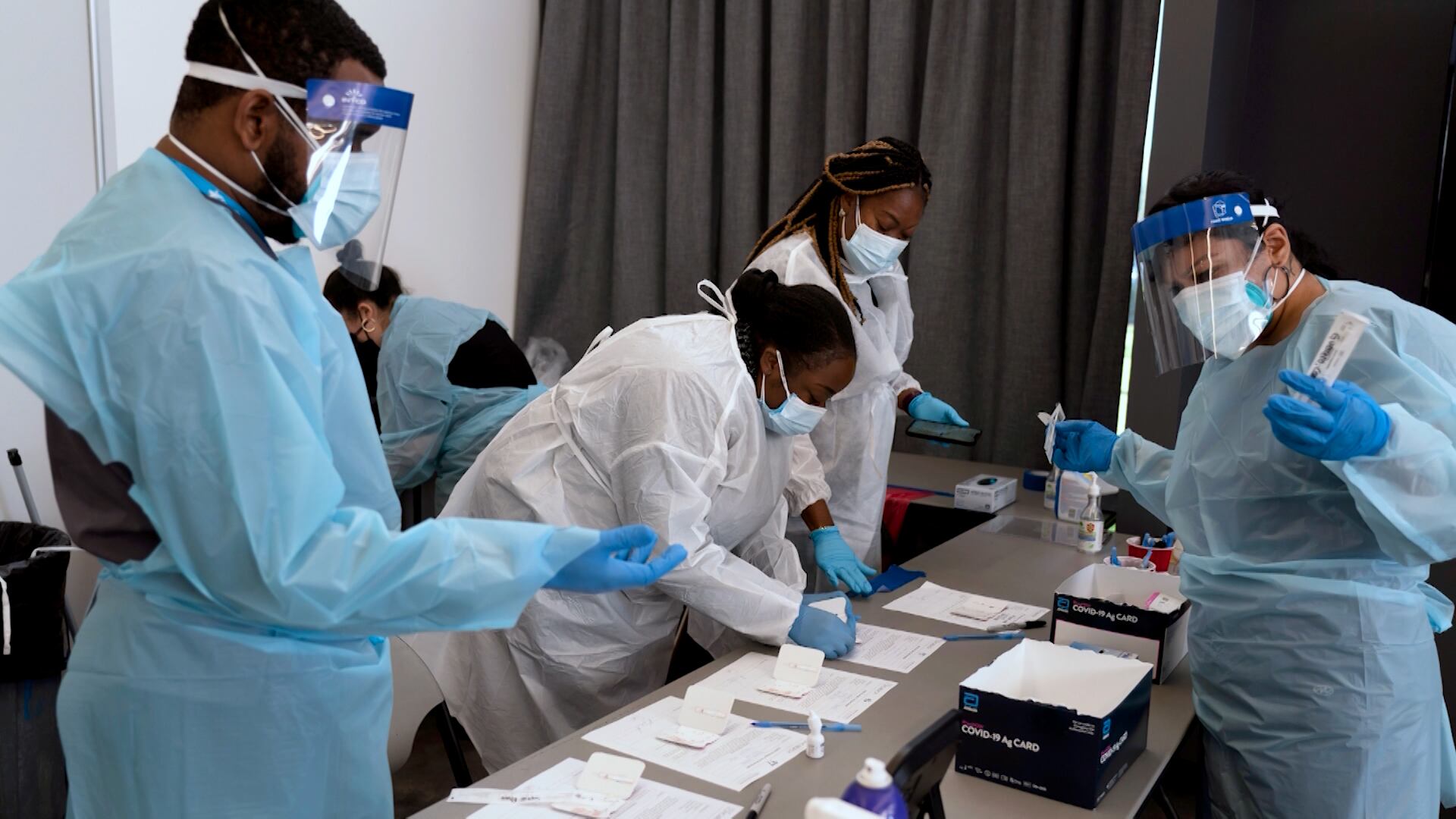
Two years into the pandemic, many of us have regained a sense of normalcy. However, those in the healthcare industry are still confronting the virus every day, dealing with the physical, mental and psychological stress of the ongoing pandemic. Ben Mirtes, CFO of Ingenovis Health and Lydia Mobley, a travel nurse with Faststaff, who has spent the last two years going from hotspot to hotspot, joined Cheddar’s Opening Bell to reflect on their experiences in healthcare, and discuss why they are optimistic about a path forward.
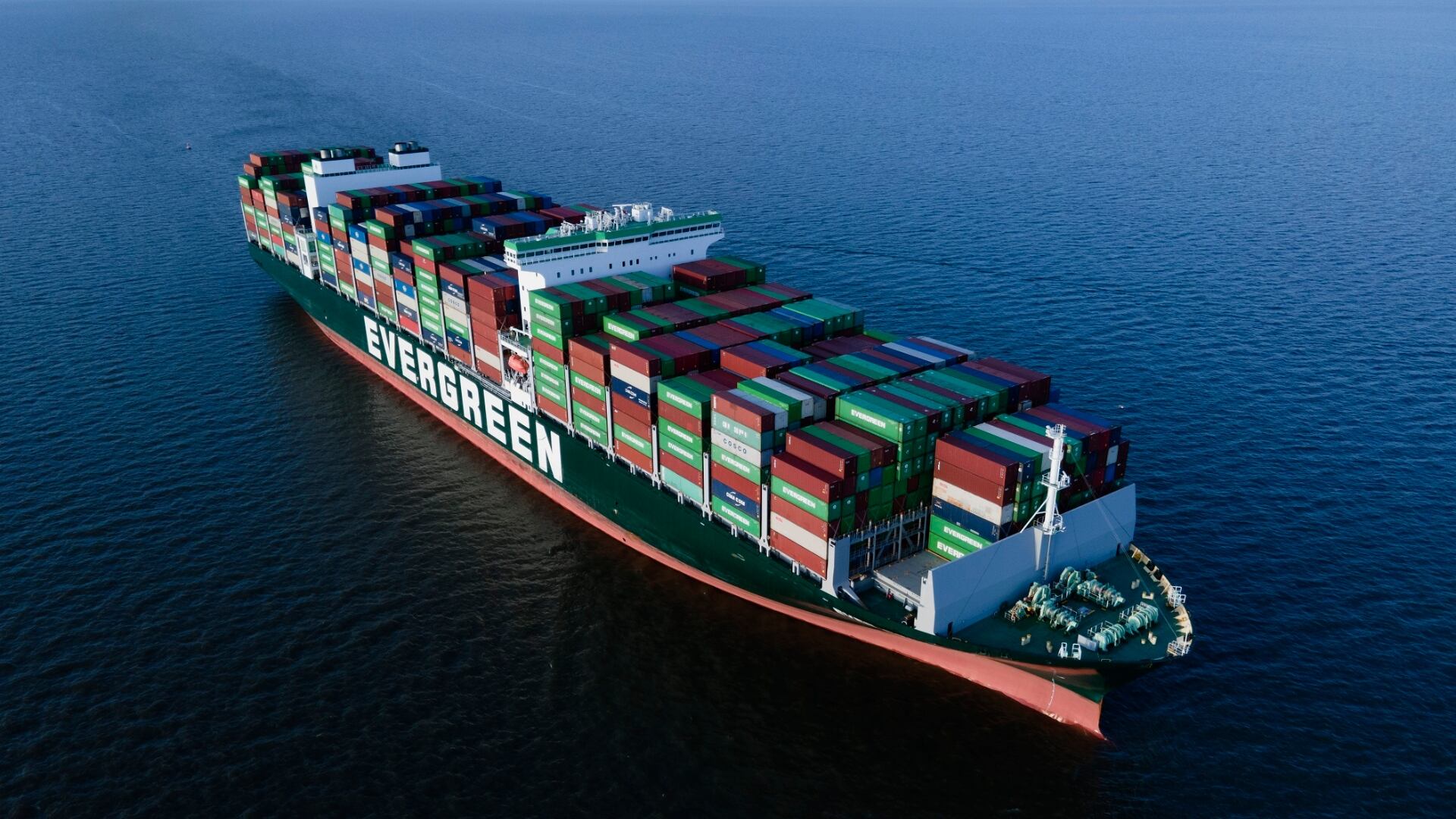
Catching you up on what you Need to Know on March 16, 2022, with updates on Ukraine and Russia, a container ship gets stuck in the Chesapeake Bay, Disney employees stage a walkout over the "Don't Say Gay" law in Florida, and NASA completes its first spacewalk of 2022.
Food technology startup Tender Food raised $12 million in a seed round led by Chris Sacca's Lowercarbon Capital. Tender says it specializes in creating alternative meats with an authentic texture and is on a mission to make alternative meats so delicious, nutritious, and affordable, that eating meat from animals will no longer make sense. Christophe Chantre, co-founder & CEO of Tender Food, joins Cheddar News' Closing Bell to discuss.