In a rare show of bipartisan support, three congressmen are pushing for the TSA to check passengers' temperatures before takeoff.
The pilot program, supported by Rep. Ted Budd (R-N.C.), Rep. Ralph Norman (R-S.C.) and Rep. John Larson (D-Conn.), would require agents to screen all fliers as they go through security.
"We want to make sure that people, if they know they're going to be checked, that they stay home if they're not feeling well," Budd told Cheddar on Tuesday. "We want to increase the confidence of travelers so that we can reopen our economy. So we think it's just common sense. It makes people feel safe and it keeps them healthy."
The TSA has pushed back against the idea in the past. TSA Administrator David Pekoske said in June that temperature checks do not provide a guaranteed answer as to whether a passenger is carrying the virus.
The CDC has said that the mean time elapsed from exposure to symptom onset is about six days. Some people infected with the virus never show symptoms at all, and thus would not be flagged at a TSA temperature check.
"Of course we're concerned with that, but we want to fix what we can. We think this is part of it. It's not a comprehensive solution," Budd said, adding, "It's just common sense. It's bipartisan, and it sets a threshold."
The airline industry has been one of the hardest hit during the coronavirus pandemic. Many airlines have warned employees about widespread layoffs due to drastically decreased air travel demand.
Budd said the industry employs about 10 million people and makes up about 5 percent of the nation's GDP. He believes temperature checks will make potential travelers feel more confident about getting back on board.
Federal health advisers voted overwhelmingly against an experimental treatment for Lou Gehrig’s disease at a Wednesday meeting prompted by years of patient efforts seeking access to the unproven therapy.
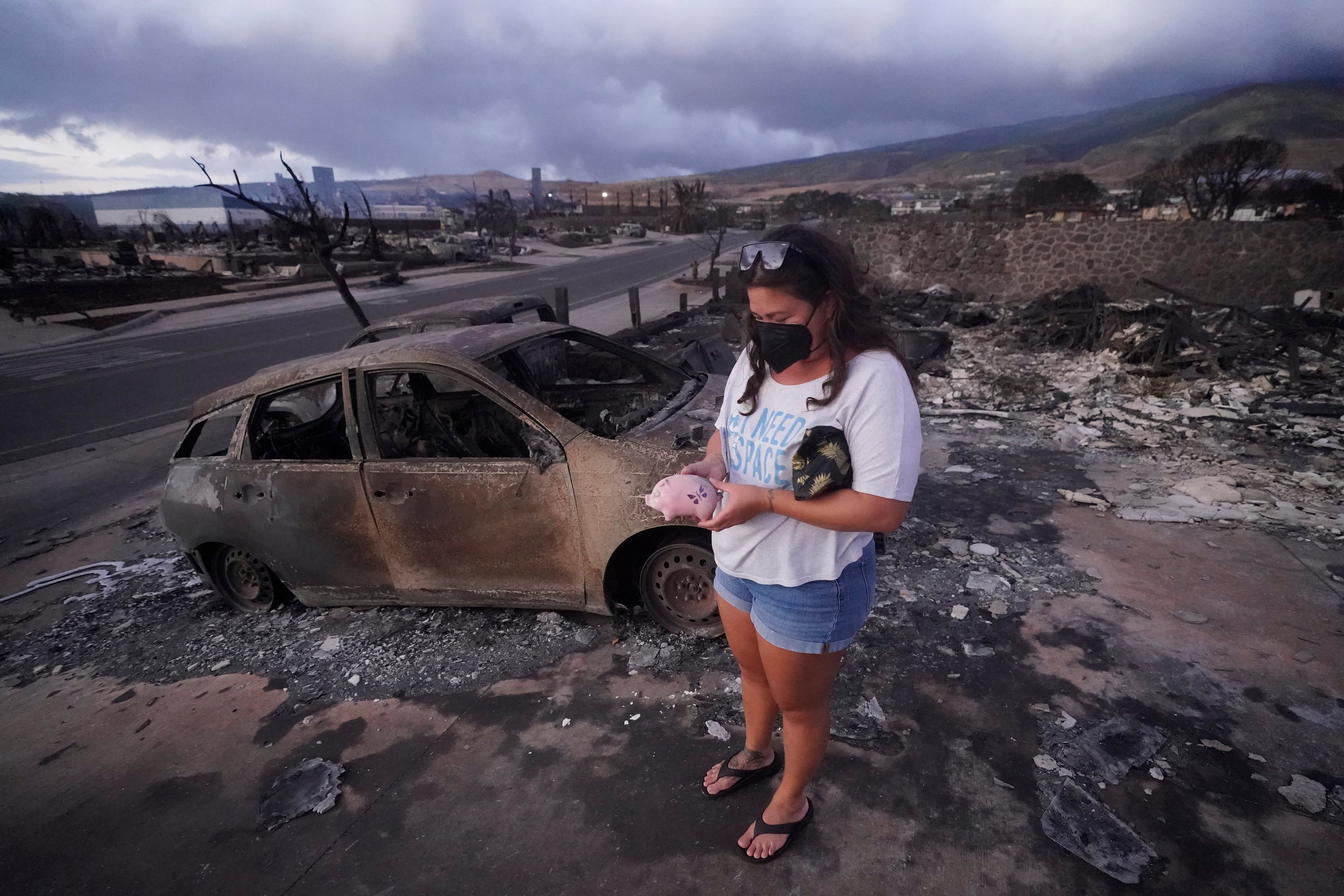
Lawmakers probing the cause of last month’s deadly Maui wildfire did not get many answers during Thursday's congressional hearing on the role the electrical grid played in the disaster.
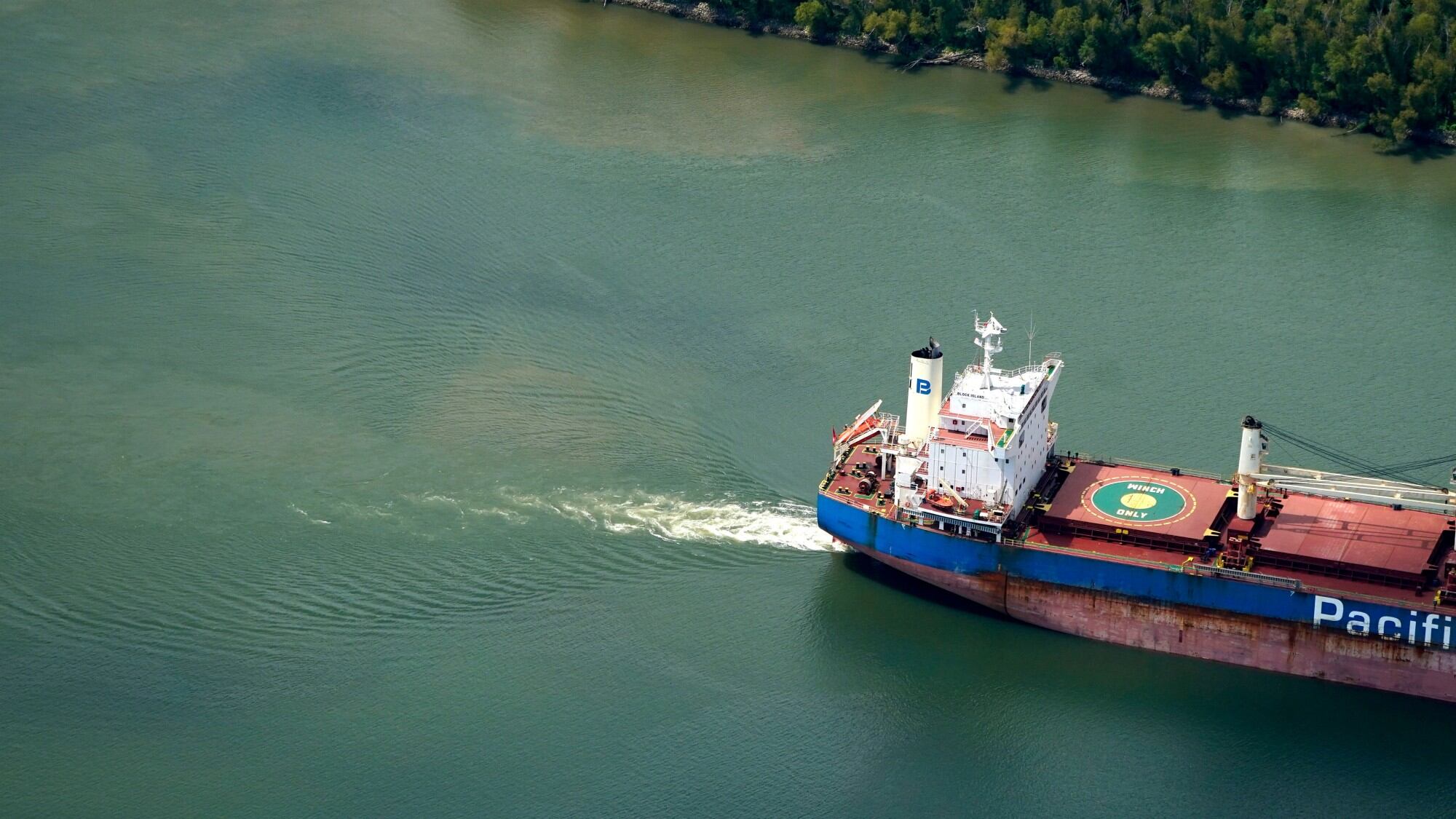
President Joe Biden announced Wednesday that federal disaster assistance is available for Louisiana, which is working to slow a mass inflow of salt water creeping up the Mississippi River and threatening drinking water supplies in the southern part of the state.
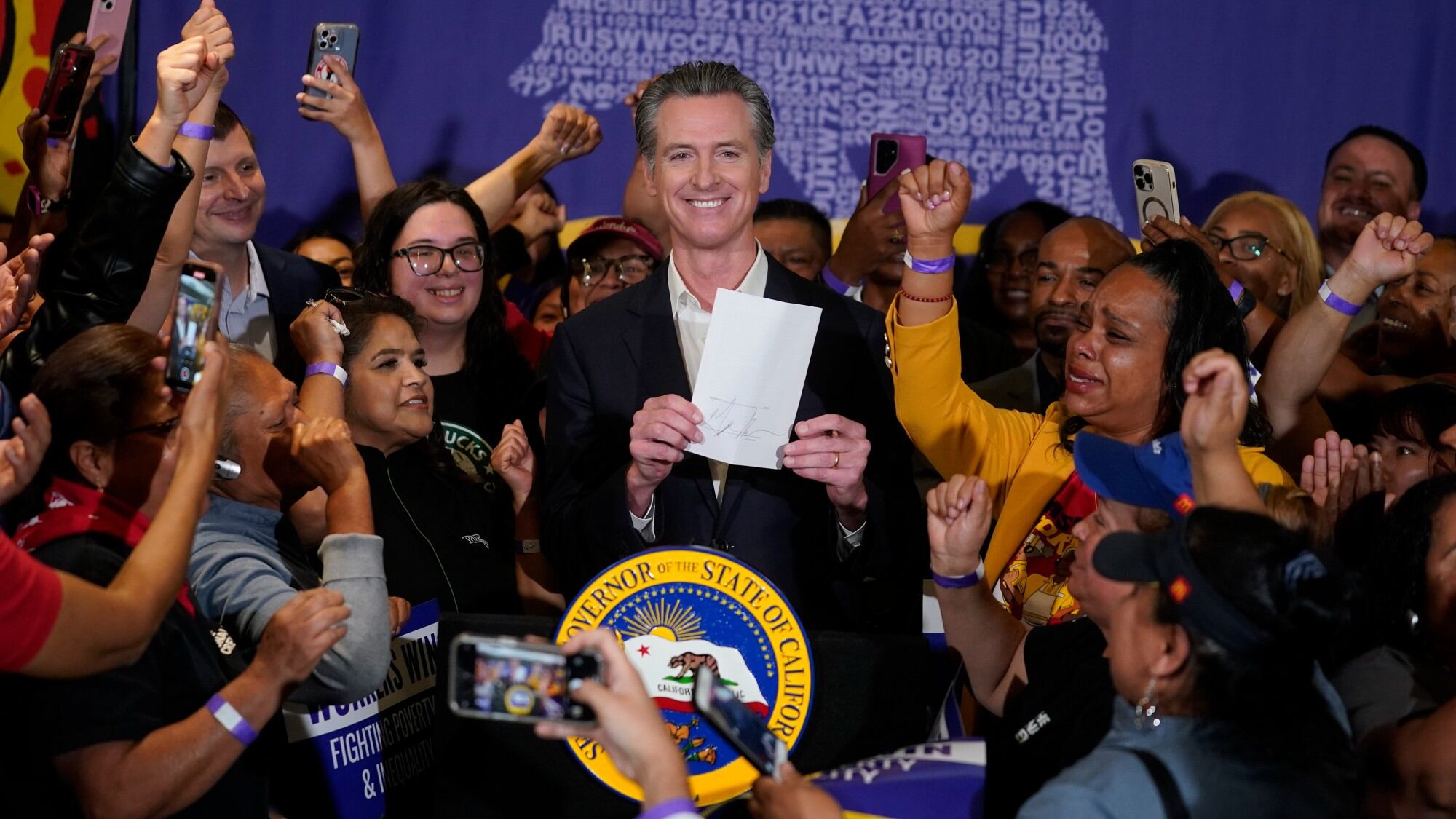
A new law in California will raise the minimum wage for fast food workers to $20 per hour next year, an acknowledgment from the state's Democratic leaders that most of the often overlooked workforce are the primary earners for their low-income households.
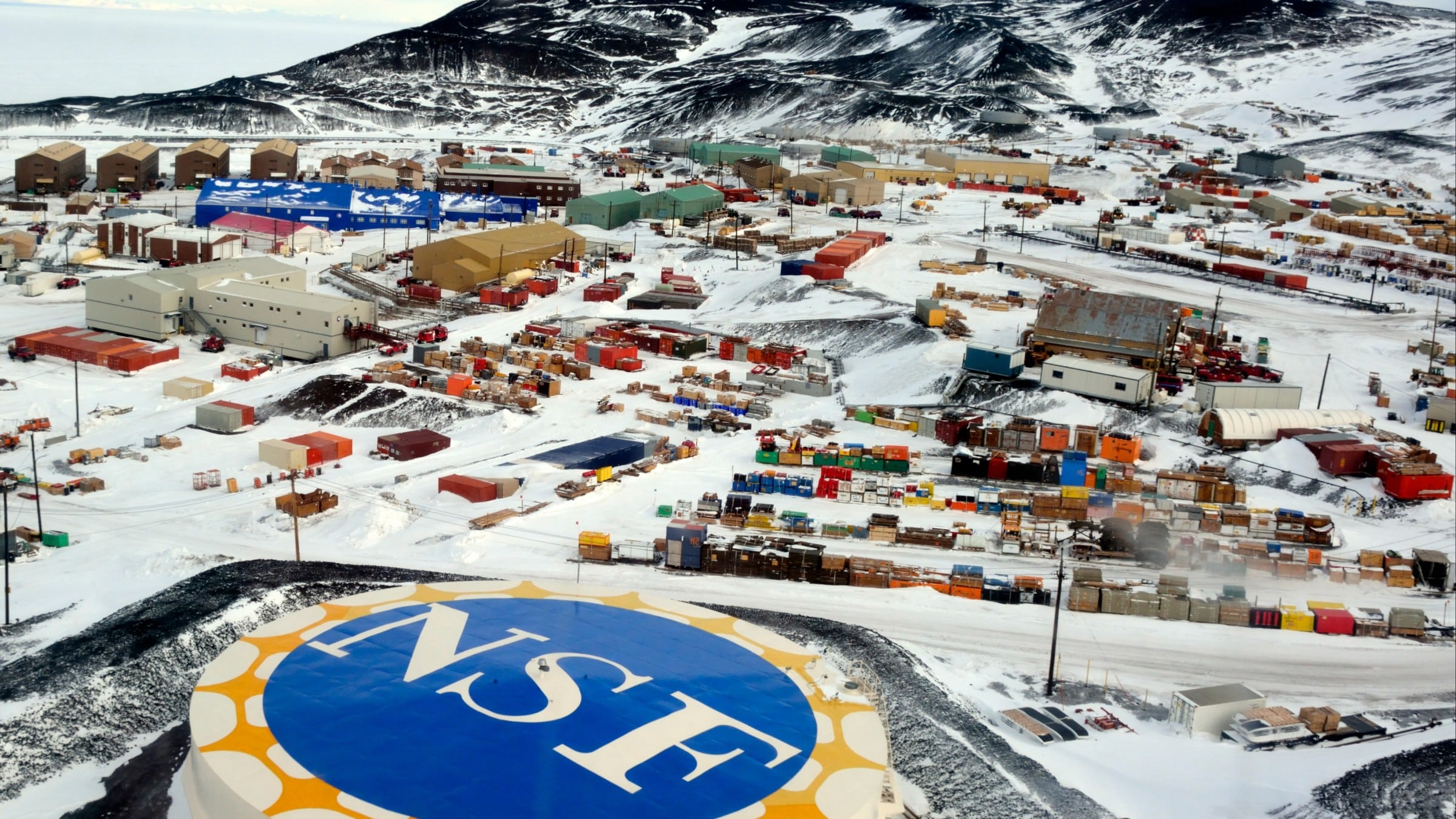
From Sunday, workers at the main United States base in Antarctica will no longer be able to walk into a bar and order a beer, after the U.S. federal agency that oversees the research program decided to stop serving alcohol.
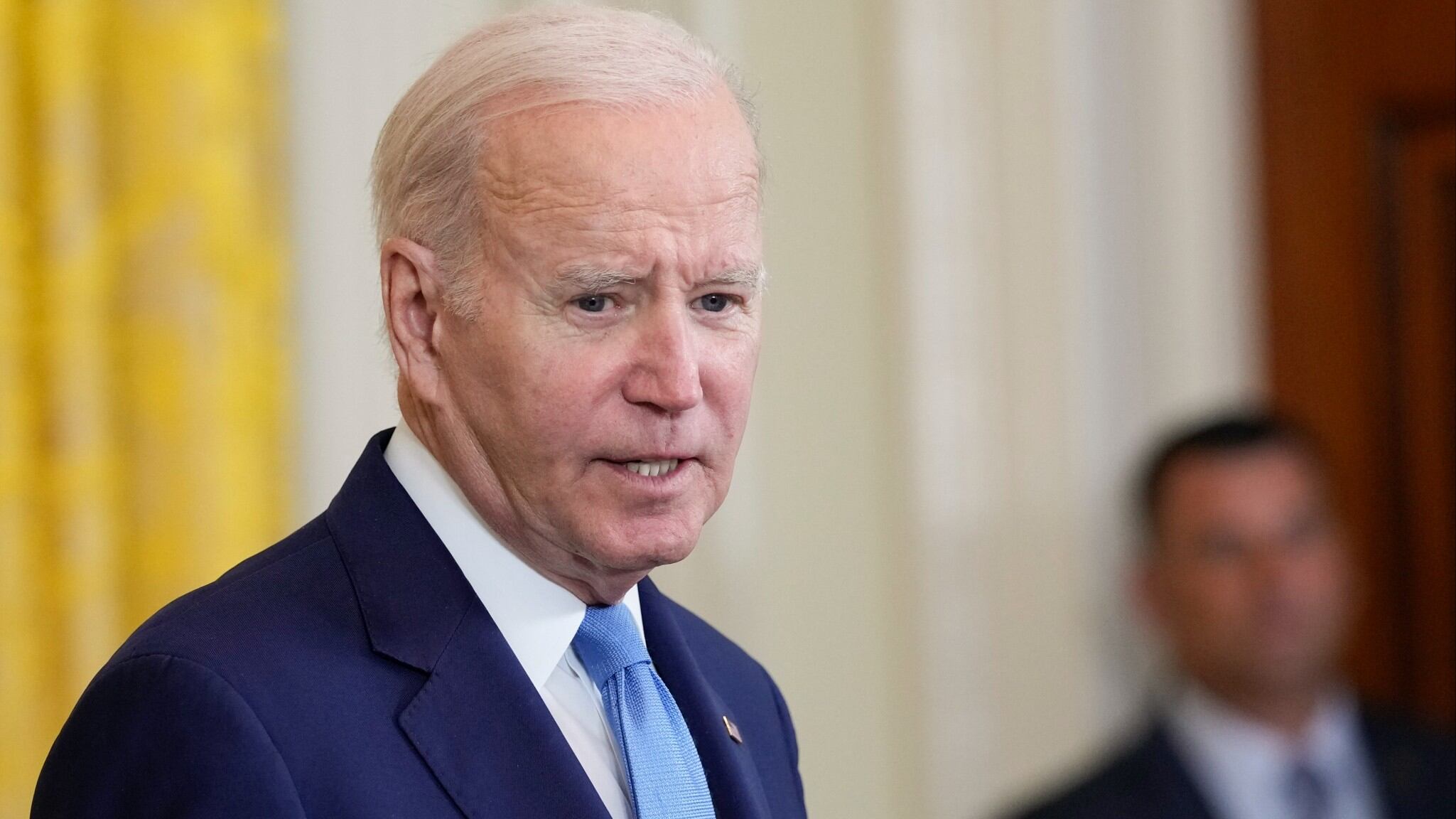
House Republicans launched a formal impeachment hearing Thursday against President Joe Biden, promising to “provide accountability” as they probe the family finances and business dealings of his son Hunter and make their case to the public, colleagues and a skeptical Senate.
The FBI and other government agencies should be required to get court approval before reviewing the communications of U.S. citizens collected through a secretive foreign surveillance program, a sharply divided privacy oversight board recommended on Thursday.
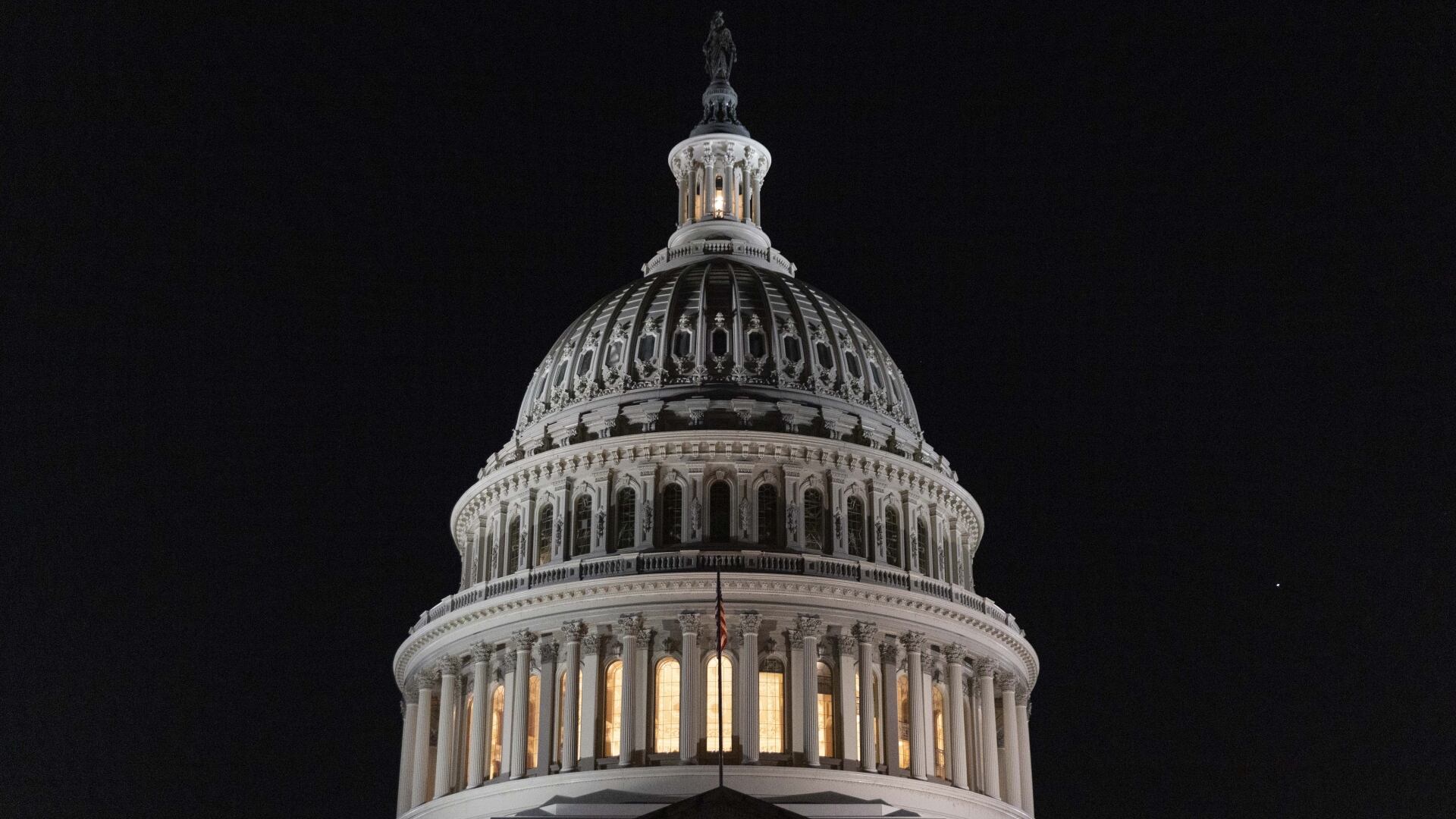
The federal government is just days away from a shutdown that will disrupt many services, squeeze workers and roil politics as Republicans in the House, fueled by hard-right demands, force a confrontation over federal spending.