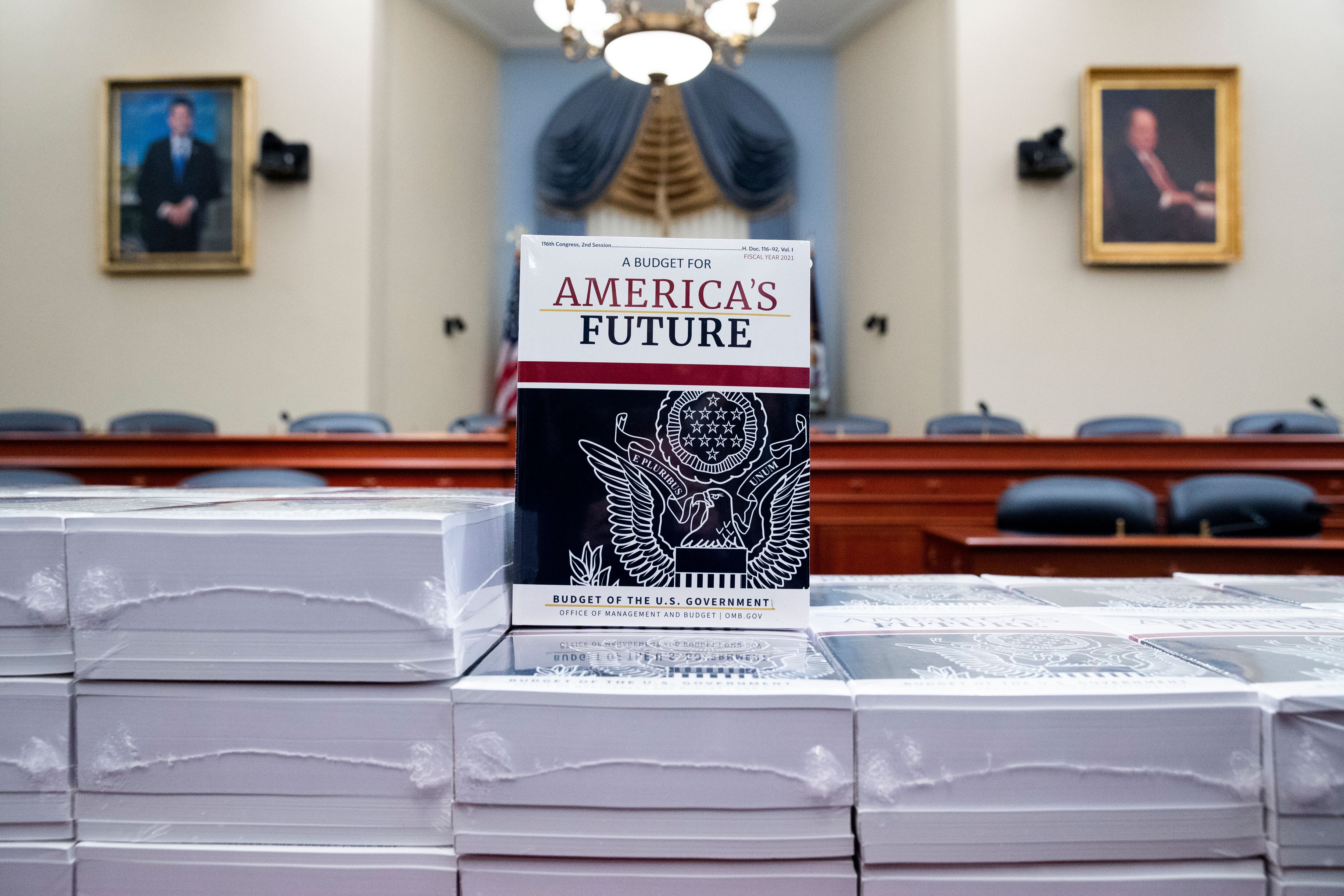
President Trump unveiled a $4.8 trillion budget proposal for the 2021 fiscal year, thought to be a taste of his re-election strategy, notable for steep reductions in social services like Medicaid, disability insurance, and higher budgets for defense, including the president’s promised southern border wall. The plan seeks to reduce deficits by $4.6 trillion in the next 10 years.
The plan, which needs Congressional approval, proposes increasing military spending slightly and lowering non-defense spending by nearly 5 percent, which seems to buck the agreement made by Congressional leaders and the White House this summer that passed both chambers with bipartisan support.
Trump’s budget proposal cuts spending on federal disability benefits, student loan forgiveness, foreign aid spending, and eliminates funding for the Corporation for Public Broadcasting. It will also further extend the income tax cuts that are currently set to expire in 2025. Other departments receiving a big cut: the Environmental Protection Agency, whose budget would be slashed by 26 percent, and a 9 percent reduction for the Health and Human Services department, which includes the National Institutes for Health and the Centers for Disease Control and Protection. CDC cuts would not be expected to include funding for infectious disease activities
Senator Mike Enzi (R-Wyo.), Chairman of the Senate Budget Committee, said in a statement that “presidents’ budgets are a reflection of Administration priorities, but in the end, they are just a list of suggestions, as the power of the purse rests with Congress. Bipartisan consensus will be necessary to bring our debt and deficits under control.”
The plan would also cut more than $5.5 billion in spending for the Education Department, which is slightly less than what was proposed last year. Those domestic spending slashes will likely be rejected by lawmakers and stand in contrast to messaging from the eventual 2020 Democratic nominee.
Trump also promised to send astronauts to the moon by 2024, a promise he presumably hopes to fill with a 12 percent budget increase in NASA funding.
Congressman John Yarmuth (D-Ky. 3rd District) who chairs the House Committee on the Budget said in a statement that the plan, by a “destructive and irrational president,” is backpedaling on a bipartisan deal. “He has broken his promises to the American people. Defaulted on the bipartisan budget deal he made with Congress. And we will stand firm against this warped ‘vision’ for our nation’s future,” Yarmuth said.
Though the president’s budget plan sheds light on his policy ambitions, a Democrat-controlled House means a spending bill in the Senate would require bipartisan support, which looks unlikely.
Senate Minority Leader Chuck Schumer tweeted, “With his latest budget proposal, it’s hard to imagine that President Trump could do any more to double-cross the very American workers and middle-class families he promised to help just last week in his State of the Union address.” He noted that by proposing “severe cuts to Medicaid and Medicare, President Trump’s latest budget is simply a continuation of his war to rip away health care from millions of Americans.”
The budget plan carries weight for the president’s platform heading into an election year, although it’s a shift from his 2016 campaign when he promised to protect funding for Medicare and Medicaid. The president even stated via a tweet as recently as the Saturday that he would not be "touching" Medicare before the release of the proposed budget that does just that.
Ayman Mohyeldin, host of MSNBC Original Podcast 'American Radical,' joins Cheddar News to discuss how the podcast chronicles a woman's path to the insurrection.
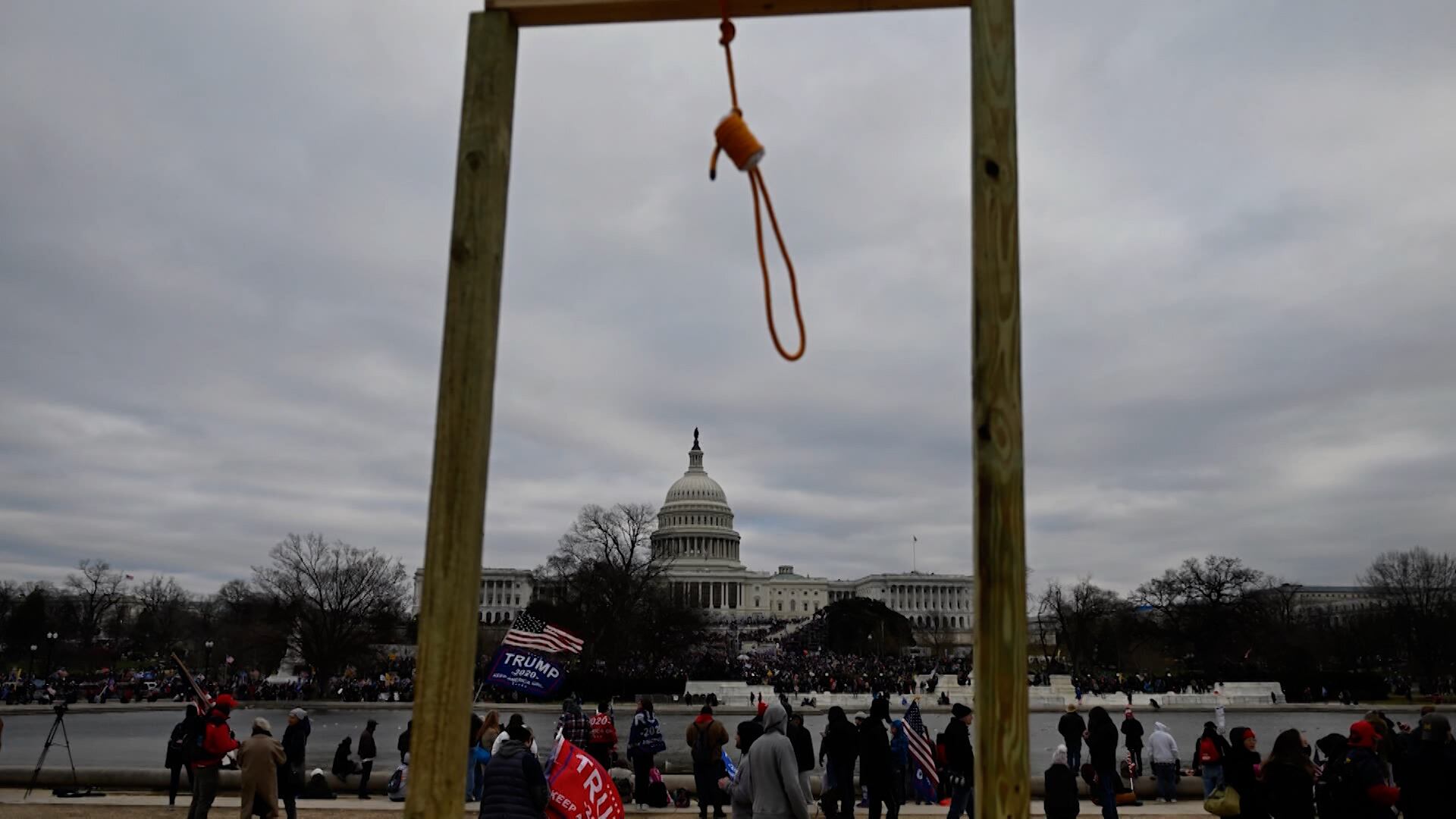
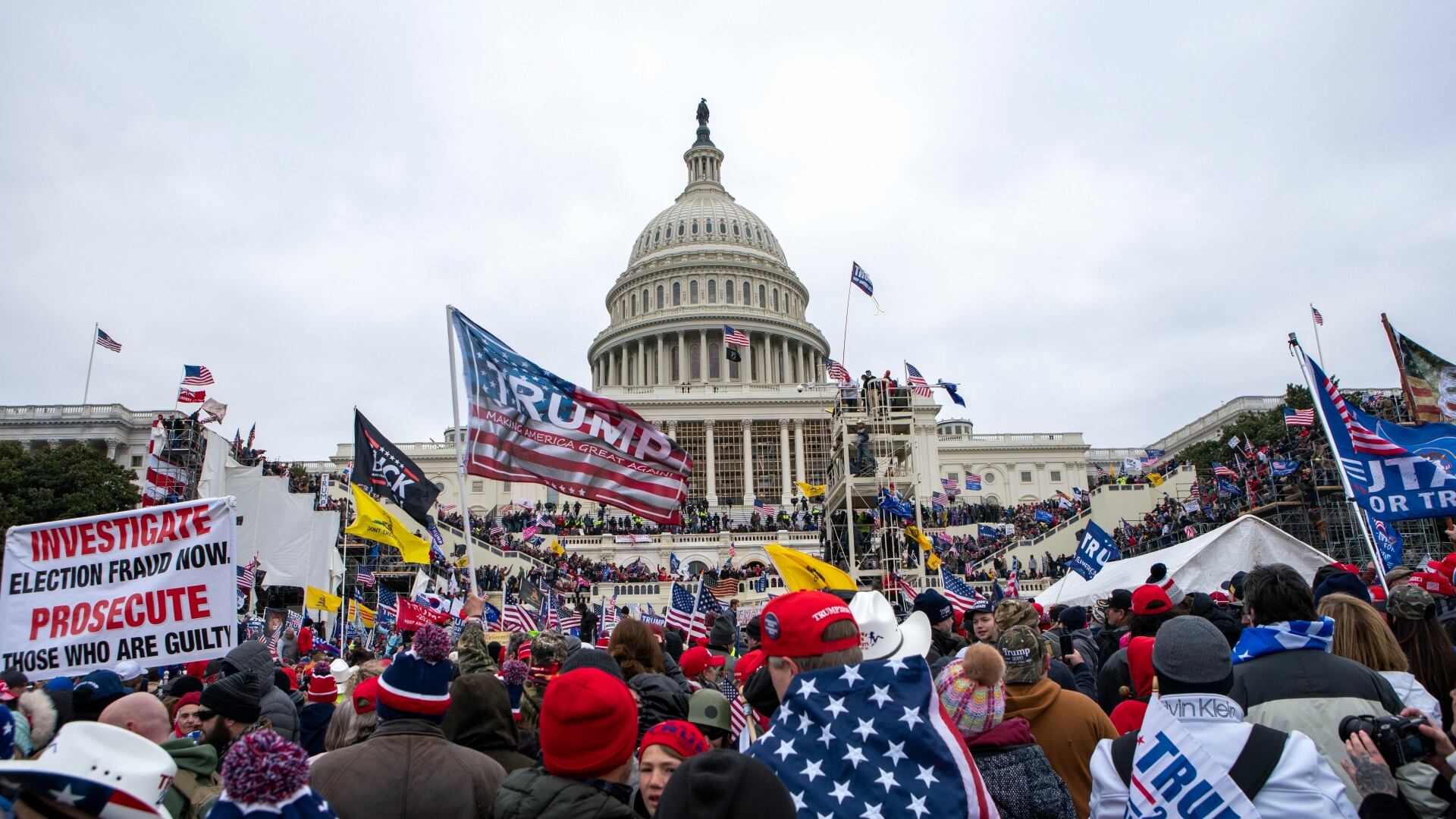
Following the attack on the Capitol last year, several major corporations promised to no longer pour funds into the campaigns of Republican lawmakers who supported the January 6 insurrection. But not all have stood firm on their word. Among those that did keep to their promise were Nike, American Express, and Walgreens.
Rep. Annie Kuster (D-N.H. 2nd District) joined Cheddar's "Between Bells" to reflect on the January 6 insurrection and her personal experience in the Capitol when rioters attempted to overtake the House chamber. "What I now understand to be true is that the mob of rioters had reached the third floor and was literally in the hallway running toward us as we ducked into the elevator," she told Cheddar. Kuster recalled the fear she felt, wondering what might have happened if the insurrectionists crossed paths with her group. Kuster noted that she has since received therapy to help cope with the traumatic event. "A thousand acts of courage saved our life and saved our democracy," she said.
Andy Kroll, Washington bureau chief at Rolling Stone, joined Cheddar's Baker Machado to discuss the anniversary of the January 6 insurrection and how it could impact upcoming elections. Kroll talked about whether or not Trump's influence will aid Republicans in the midterms and how it could be a setup for the former president to run in the 2024 presidential election. "This day has become really almost a kind of cause for Republican base voters," he said. "And you're going to see that fueling some turnout, you're going to see that fueling, even, candidates running for office in these midterm elections."
According to a recent analysis from ProPublica and the Wall Street Journal an analysis of Facebook posts, internal company documents, and interviews reveal key evidence about the social media giant's role in January 6 insurrection. National Reporter at ProPublica Craig Silverman, joined Cheddar to discuss more.
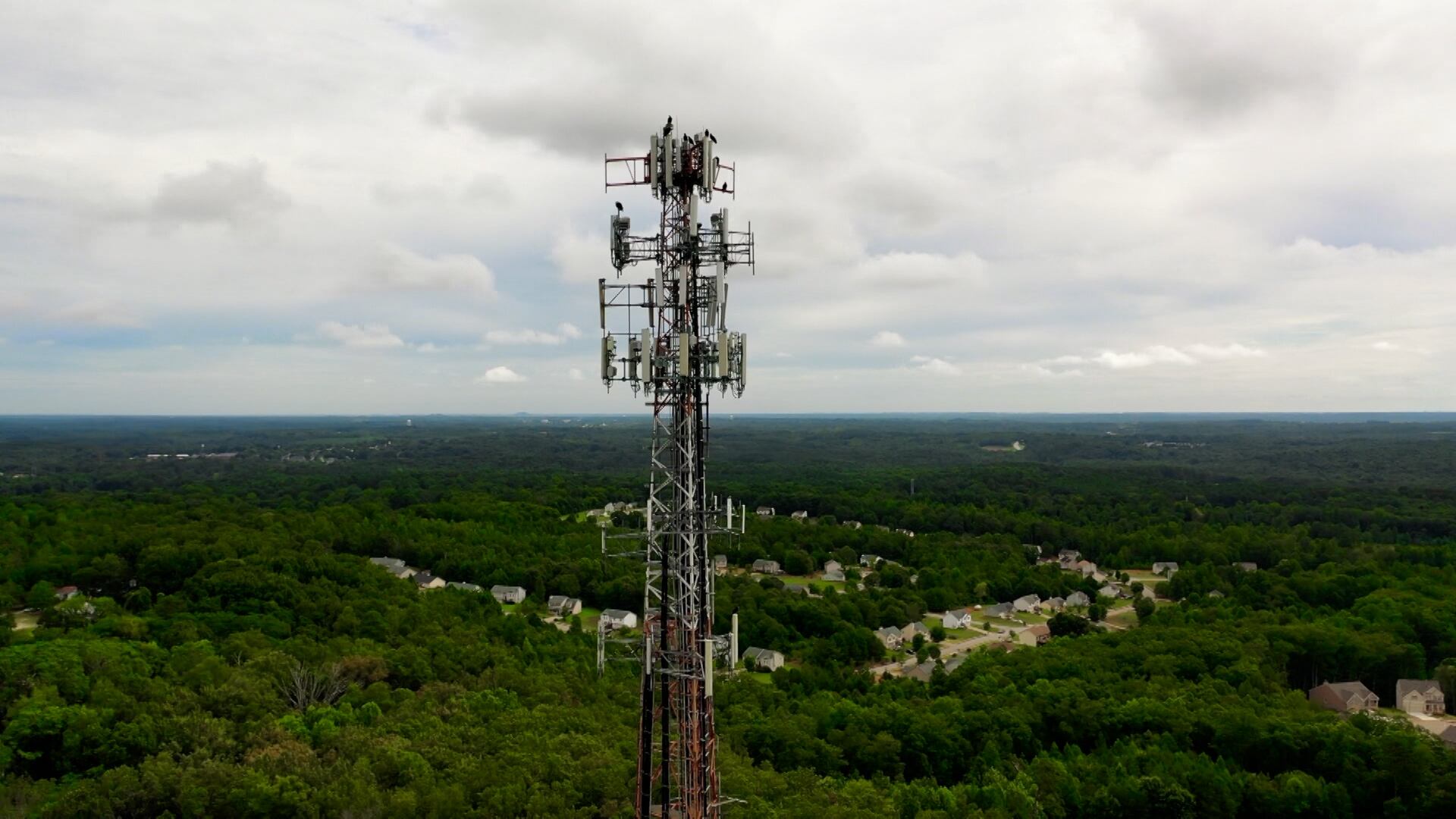
AT&T and Verizon have agreed to delay activating their 5G services for two weeks after Airlines for America, a lobbying group that represents American, Delta, and other airlines, filed a petition last week with the FCC to stop the deployment of 5G in the U.S. over concerns that the network can interfere with certain systems on airplanes. President Biden spoke out about it, saying it would avoid further delays and cancellations of flights. Light Reading 5G and Mobile Strategies Director Mike Dano joined Cheddar News' Closing Bell to discuss.
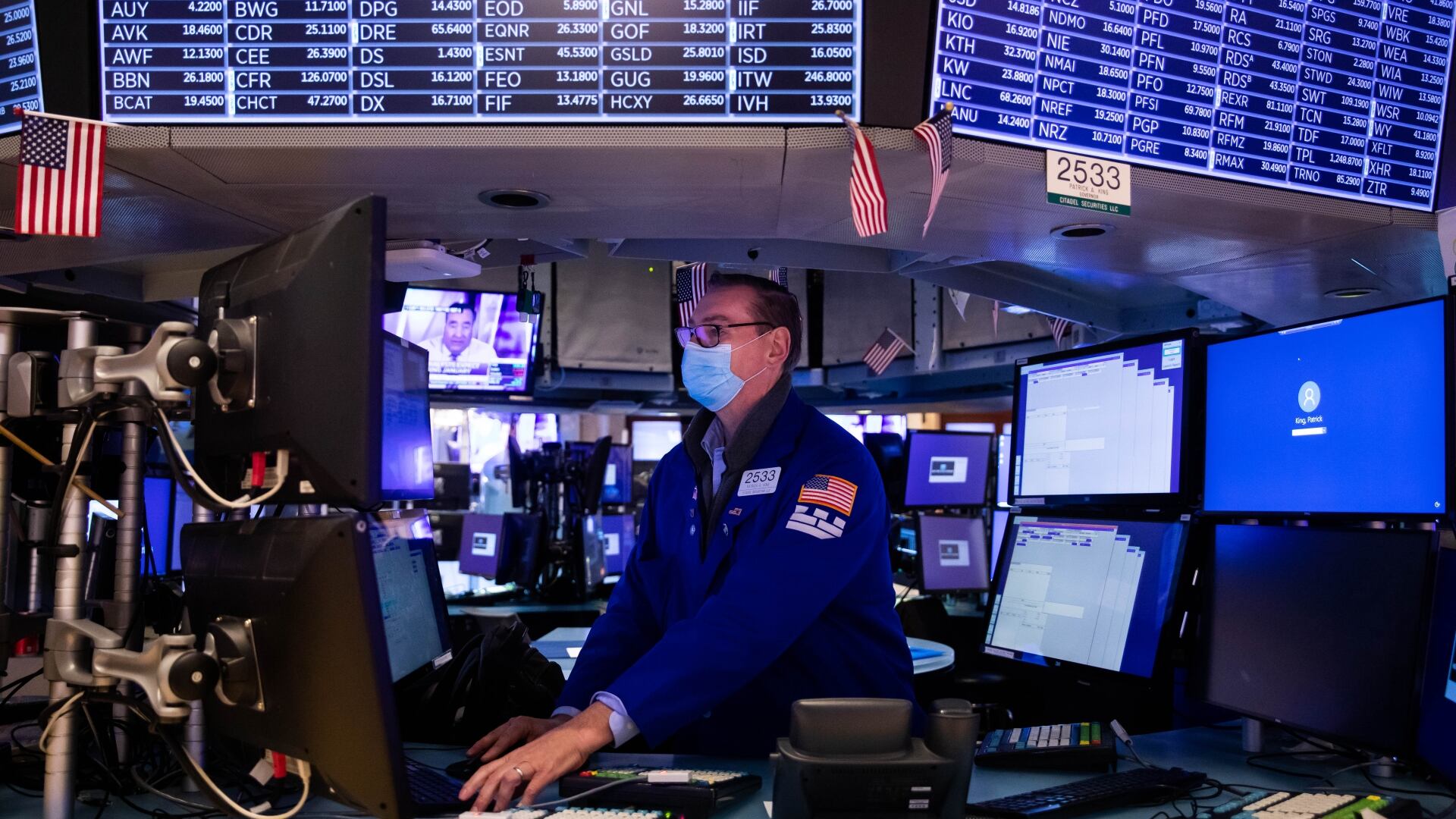
On a day where the Dow and Russell 2000 each closed more than 3% lower, Melissa Armo, founder and owner of The Stock Swoosh, says Wednesday's big sell-off could extend into after-hours trading. She joined Cheddar News' Closing Bell for more.
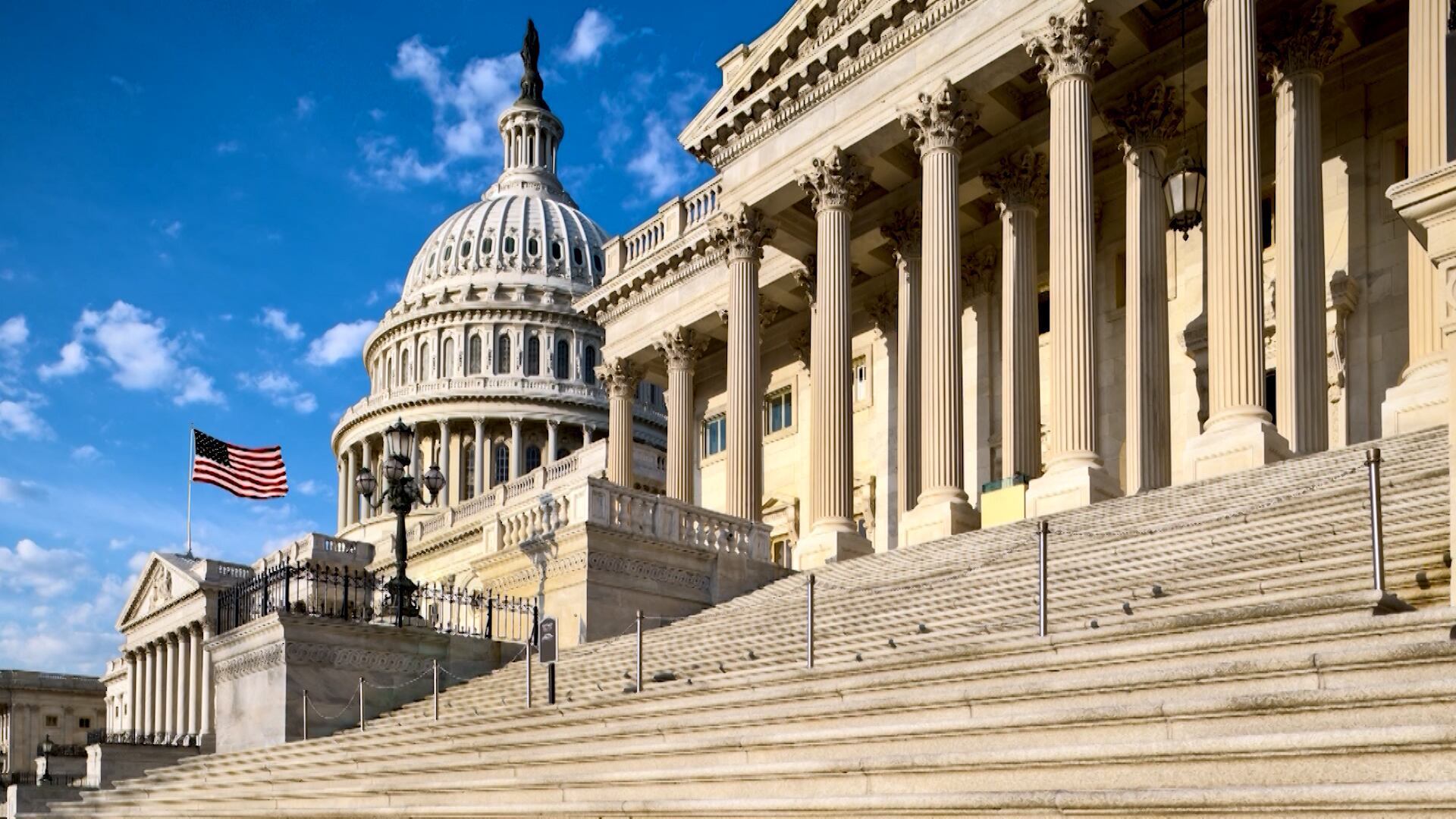
The new year has just gotten underway, but the clock is already ticking for the Democratic-led Congress to pass bills regulating big tech. Evan Greer, Director for Fight For the Future, joins Cheddar News to explain why Democratic lawmakers would want to push legislation now, and what a Republican takeover would mean for the industry.
Americans looking to purchase at-home COVID-19 tests will now have to shell out a bit more money after an agreement expired between the White House and companies to sell the tests at cost. The price of Abbot's BinaxNow test kit from October to December was $14 apiece; on Tuesday, Walmart's website listed the test for $19.88, and Kroger listed the tests for $23.99. Carbon Health Regional Clinical Director Dr. Bayo Curry-Winchell joined Cheddar News' Closing Bell to discuss the impact higher prices will have as the nation experiences another surge in cases.