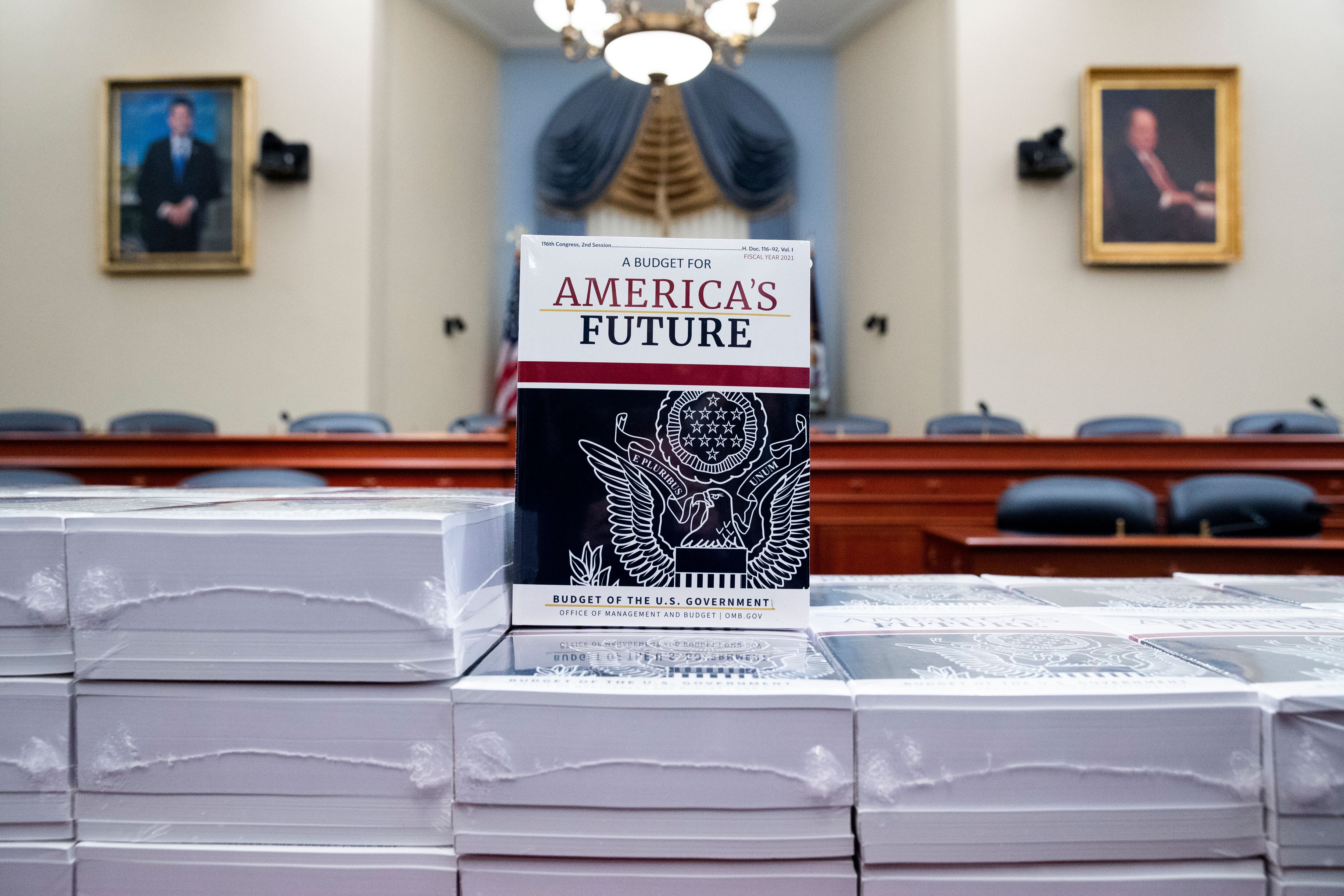
President Trump unveiled a $4.8 trillion budget proposal for the 2021 fiscal year, thought to be a taste of his re-election strategy, notable for steep reductions in social services like Medicaid, disability insurance, and higher budgets for defense, including the president’s promised southern border wall. The plan seeks to reduce deficits by $4.6 trillion in the next 10 years.
The plan, which needs Congressional approval, proposes increasing military spending slightly and lowering non-defense spending by nearly 5 percent, which seems to buck the agreement made by Congressional leaders and the White House this summer that passed both chambers with bipartisan support.
Trump’s budget proposal cuts spending on federal disability benefits, student loan forgiveness, foreign aid spending, and eliminates funding for the Corporation for Public Broadcasting. It will also further extend the income tax cuts that are currently set to expire in 2025. Other departments receiving a big cut: the Environmental Protection Agency, whose budget would be slashed by 26 percent, and a 9 percent reduction for the Health and Human Services department, which includes the National Institutes for Health and the Centers for Disease Control and Protection. CDC cuts would not be expected to include funding for infectious disease activities
Senator Mike Enzi (R-Wyo.), Chairman of the Senate Budget Committee, said in a statement that “presidents’ budgets are a reflection of Administration priorities, but in the end, they are just a list of suggestions, as the power of the purse rests with Congress. Bipartisan consensus will be necessary to bring our debt and deficits under control.”
The plan would also cut more than $5.5 billion in spending for the Education Department, which is slightly less than what was proposed last year. Those domestic spending slashes will likely be rejected by lawmakers and stand in contrast to messaging from the eventual 2020 Democratic nominee.
Trump also promised to send astronauts to the moon by 2024, a promise he presumably hopes to fill with a 12 percent budget increase in NASA funding.
Congressman John Yarmuth (D-Ky. 3rd District) who chairs the House Committee on the Budget said in a statement that the plan, by a “destructive and irrational president,” is backpedaling on a bipartisan deal. “He has broken his promises to the American people. Defaulted on the bipartisan budget deal he made with Congress. And we will stand firm against this warped ‘vision’ for our nation’s future,” Yarmuth said.
Though the president’s budget plan sheds light on his policy ambitions, a Democrat-controlled House means a spending bill in the Senate would require bipartisan support, which looks unlikely.
Senate Minority Leader Chuck Schumer tweeted, “With his latest budget proposal, it’s hard to imagine that President Trump could do any more to double-cross the very American workers and middle-class families he promised to help just last week in his State of the Union address.” He noted that by proposing “severe cuts to Medicaid and Medicare, President Trump’s latest budget is simply a continuation of his war to rip away health care from millions of Americans.”
The budget plan carries weight for the president’s platform heading into an election year, although it’s a shift from his 2016 campaign when he promised to protect funding for Medicare and Medicaid. The president even stated via a tweet as recently as the Saturday that he would not be "touching" Medicare before the release of the proposed budget that does just that.
Concerns over inflation have become one of the biggest worries for executives. A survey from The Conference Board shows that more than 900 CEOs consider inflation a top tier concern, a major shift from last year's survey that had it as a low-level concern. Rebecca Ray, Executive Vice President, Human Capital, The Conference Board joined Cheddar's Opening Bell for more.
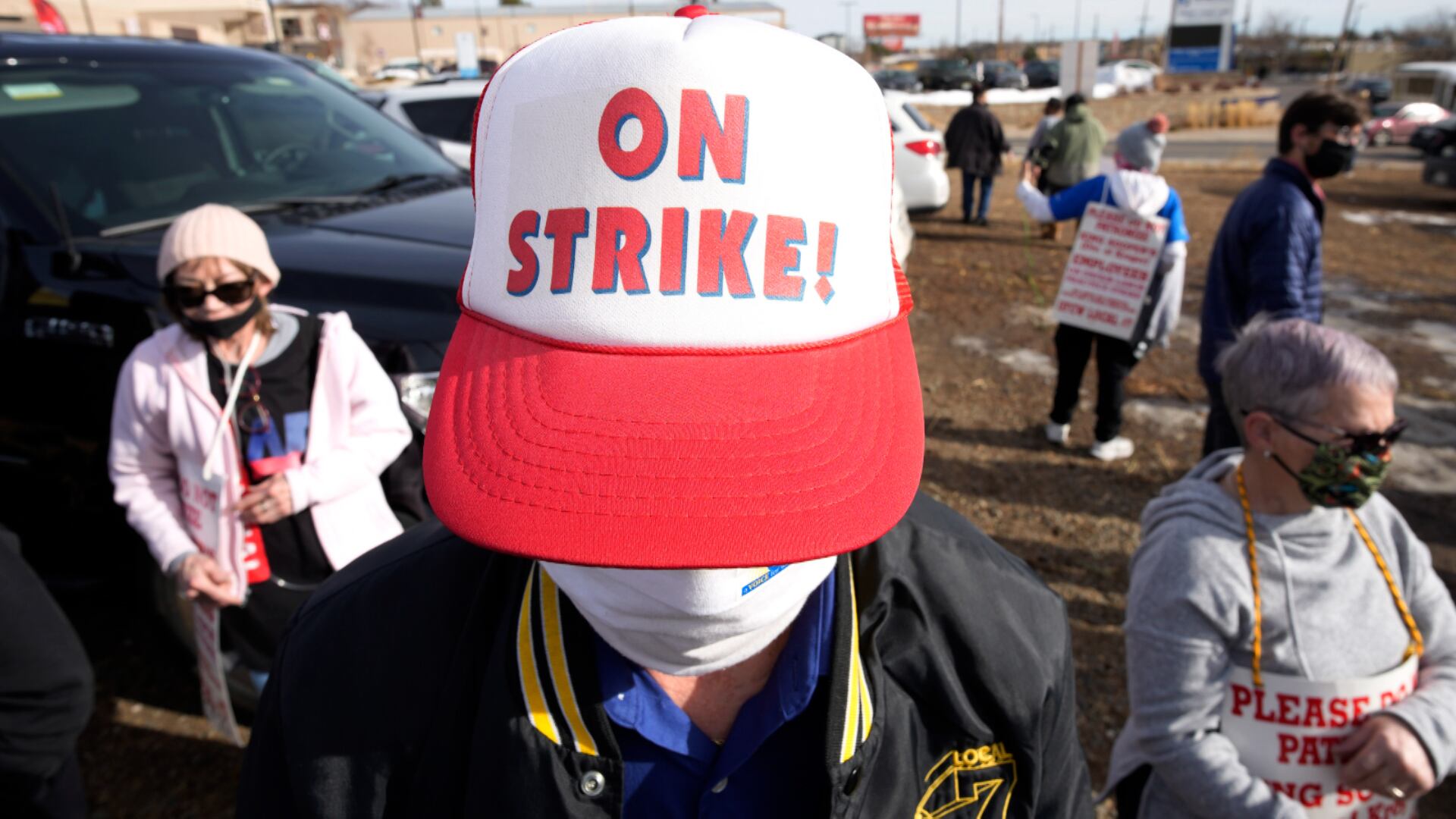
Jordan Zakarin, Media Producer at A More Perfect Union, joined Cheddar News to break down the latest from Colorado, where at least 8,700 Kroger employees walked off the job in demand of increased benefits and wages.
With the 2022 Winter Olympics in Beijing rapidly approaching, clouds of controversy continue to swirl around China's treatment of the Uyghur Muslim minority population, its surveillance state, and security for visiting athletes. Phelim Kine, China correspondent for Politico, joined Cheddar to break down the big storylines surrounding the Beijing Games and highlight what he saw as the complete disregard by top corporate sponsors like P&G, Airbnb, Intel, Visa, and Coca-Cola, for the controversies. "They spend $100 million for every Olympics that they sponsor, and they have frankly shown absolute willful indifference to any type of entreaty to essentially be more vocal about their concerns about human rights in China," he said. Kine also touched on the data privacy fears for athletes as visiting contingents are being told to carry burner phones to avoid security risks.
Texas's six-week abortion ban remains in effect after a federal appeals court ruling on Monday. The U.S. court of appeals for the fifth circuit temporarily transferred the case to the Texas Supreme Court, which is expected to leave the dispute in limbo for months to come. Katie Barlow, attorney and media editor of SCOTUSblog, joins Cheddar News to discuss.
Hugh Odom, founder and president of Vertical Consultants, shared his expertise on telecommunications with Cheddar on the safety issue raised about 5G deployment by airlines. The installation was partially delayed again on Tuesday as the airlines warned of potentially catastrophic delays in a letter to the Biden administration. Later, both Verizon and AT&T relented and put a pause on some of the implementations. "The first thing the Biden administration needs to do is get everybody in the room and say, look, aviation industry, identify the problem — wireless industry, come up with a solution," said Odom.
Dave Levinthal, deputy Washington Bureau chief at Insider, joins Cheddar News to discuss Gallup's new survey that reveals more Americans leaned Republican by the end of 2021.
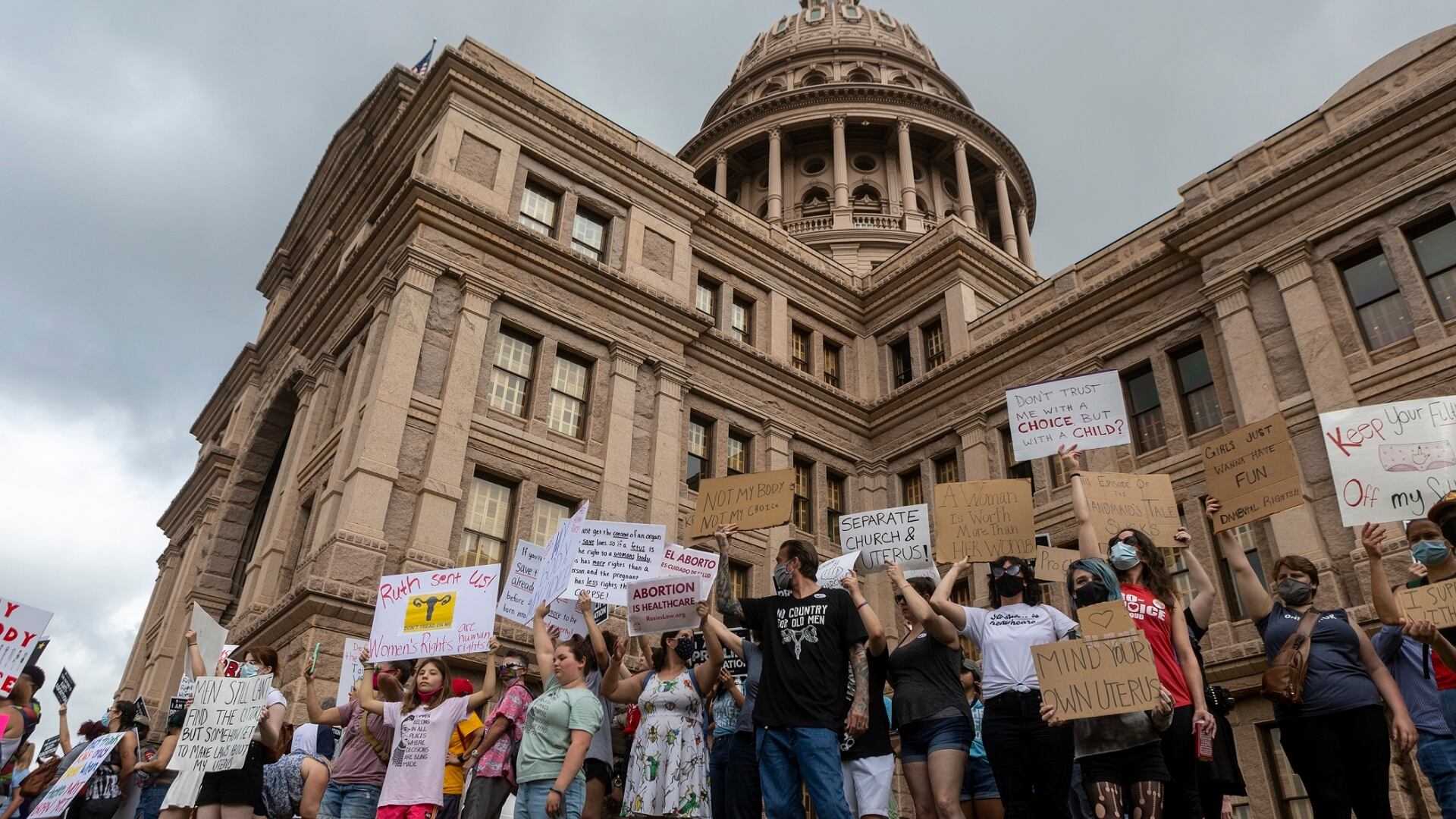
Women's March ATX rally, Saturday, Oct., 2, 2021, at the Texas State Capitol in Austin, Texas. An expected decision by the U.S. Supreme Court in the coming year to severely restrict abortion rights or overturn Roe v. Wade entirely is setting off a renewed round of abortion battles in state legislatures. (AP Photo/Stephen Spillman, File)
Inflation in the U.S. is only getting hotter. The 12-month inflation rate for December 2021 was the highest in nearly 40 years - continuing the trend seen at the close of 2021.
The Consumer Price Index increased 7% in the 12-month period ending in December, marking the fastest increase since 1982. Scott Wren, Senior Global Market Strategist at Wells Fargo Investment Institute, joined Cheddar's Movers for more.
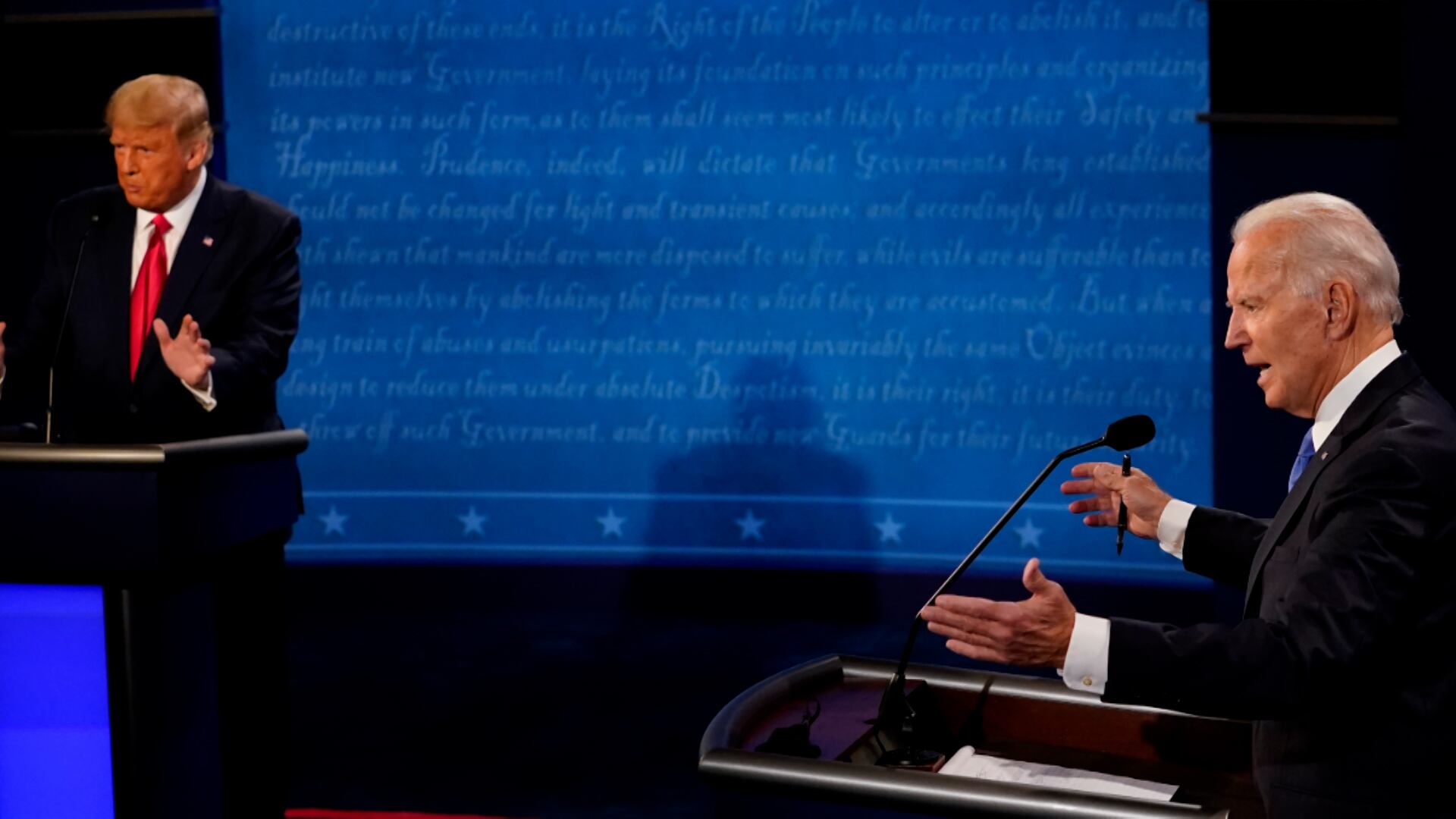
If President Biden runs for re-election in 2024, he may not have anyone to debate. The Republican National Committee sent a letter to the commission on presidential debates, saying the RNC will require candidates to pledge not to participate in those general election debates. Paris Dennard, RNC national spokesperson, joins Cheddar News to discuss.