President Donald Trump’s attempt to create U.S. jobs by taxing solar panel imports could backfire.
That’s according to the CEO of the Solar Energy Industries Association trade group, who says it’s domestic workers that will feel the pain.
“We have been the fastest growing form of new energy...and this is putting the brakes on that crazy growth,” Abigail Ross Hopper told Cheddar in an interview. “These are not people who are looking for what nationality the company they work for is. They just want to feed their families and pay their mortgages. And those are the people whose jobs are at risk.”
Earlier this week President Trump signed a law that would impose a 30 percent tariff on imported solar panel and sells, a move the administration says will encourage domestic manufacturing.
But the SEIA says the vast majority of the 260,000 Americans employed in the industry work in peripheral industries like installation. Ross Hopper says the bill will result in 23,000 layoffs this year and delay or cancel billions of dollars of investment in the sector.
She also says it might dissuade U.S. consumers from going green.
“Most [businesses and consumers] want to choose solar because it saves them money,” she said. “This decision changes that calculus.”
For full interview [click here](https://cheddar.com/videos/solar-power-in-america).
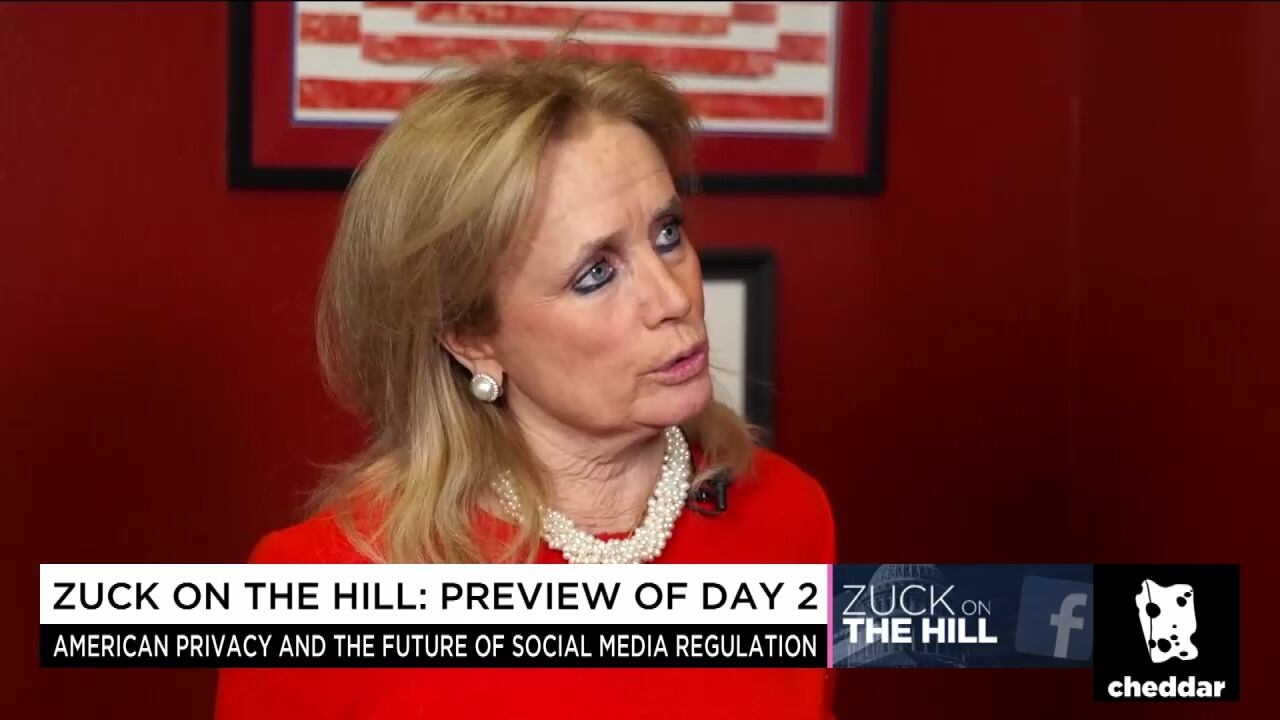
The Congresswoman admitted that changes won't come in time for the midterm elections in November. But the question is no longer whether social media be regulated but what that regulation should look like, says Dingell. She says European laws serve as good models. Facebook CEO Mark Zuckerberg faces a House committee Wednesday for a second round of questioning on the Cambridge Analytica scandal.
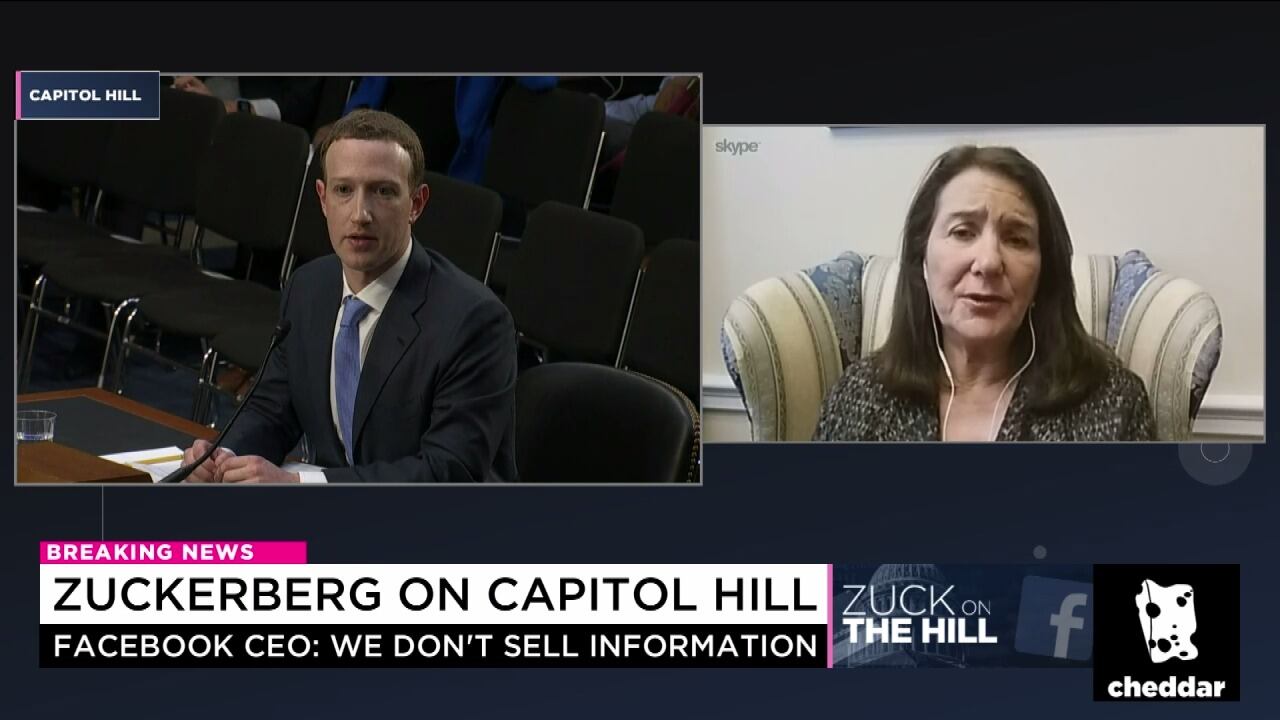
Congresswoman Diana DeGette, who is on the House committee that will question Mark Zuckerberg tomorrow, says perhaps harsher penalties will force companies to do more before breaches occur.
The shoe designer, who co-founded Jimmy Choo before becoming COO at her own eponymous brand, says talking to peers about what you're earning is the only way to find out if you're being undervalued.
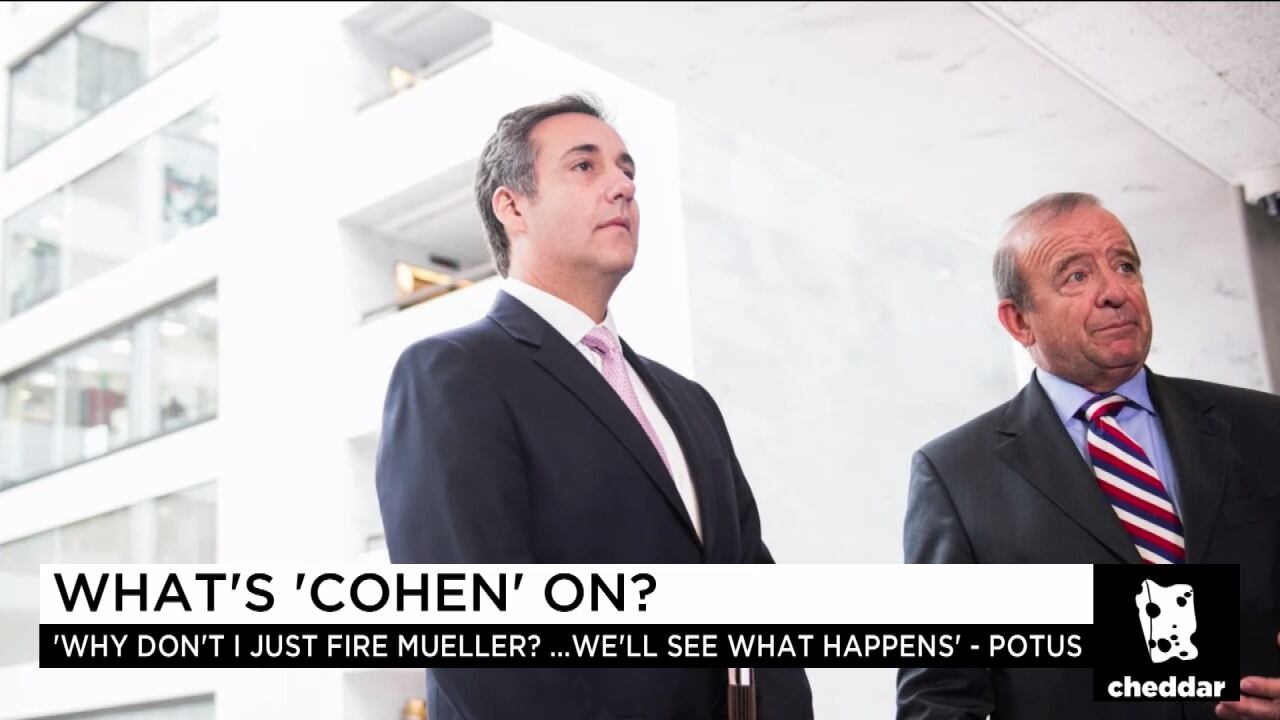
It is extremely rare for federal prosecutors to get search warrants for lawyers "because they usually want to protect attorney-client privilege," explains Politico's Daniel Lippman. The fact that the FBI moved on Cohen suggests he "might not have been totally legal" in his work for Trump. The president blasted the raid, calling it a "disgraceful situation."
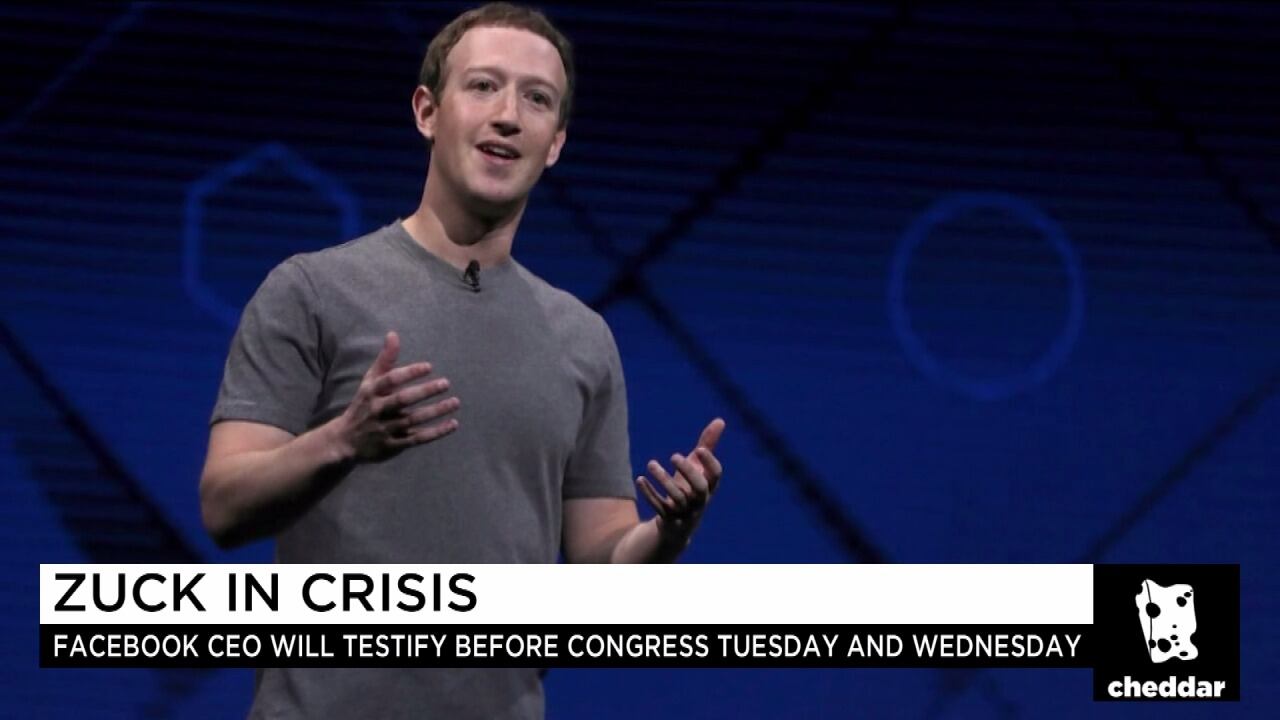
Democrats have already signaled that they're going to focus more on election interference and be "a little bit more aggressive than Republicans" during Mark Zuckerberg's testimonies this week, says Ali Breland, technology and politics reporter at The Hill. The Facebook CEO will appear before Congress Tuesday and Wednesday to face questions about the Cambridge Analytica scandal.
President Trump's feud with Amazon and its CEO Jeff Bezos continues, as the president claims that the tech giant does not pay its fair share of taxes and that it's causing the U.S. Postal Service to lose money. Cheddar breaks down President Trump's claims and explores how Amazon's deal with the post office works.
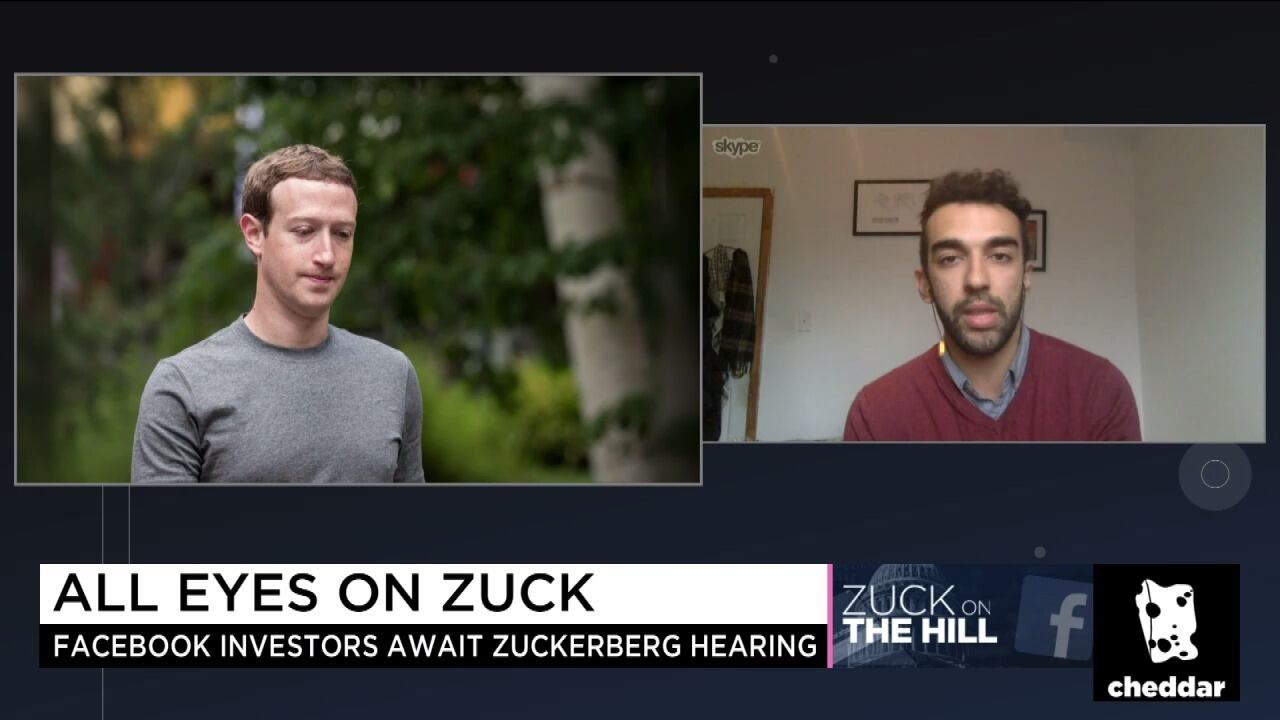
The Facebook CEO's hearings on Capitol Hill will likely dominate headlines for days. If those stories focus more on the new initiatives that the social network has recently rolled out, rather than the data scandal itself, "that would be a big win," says Aaron Pressman, Senior Technology Reporter at Fortune Magazine.
The president is likely to respond to the brutal chemical attack in Syria that took place over the weekend, says Jon Miller, CRTV's White House Correspondent. That's based on the fact that, not only has the president taken military action against Syria before, but there also seems to be some support for some kind of a response among voters.
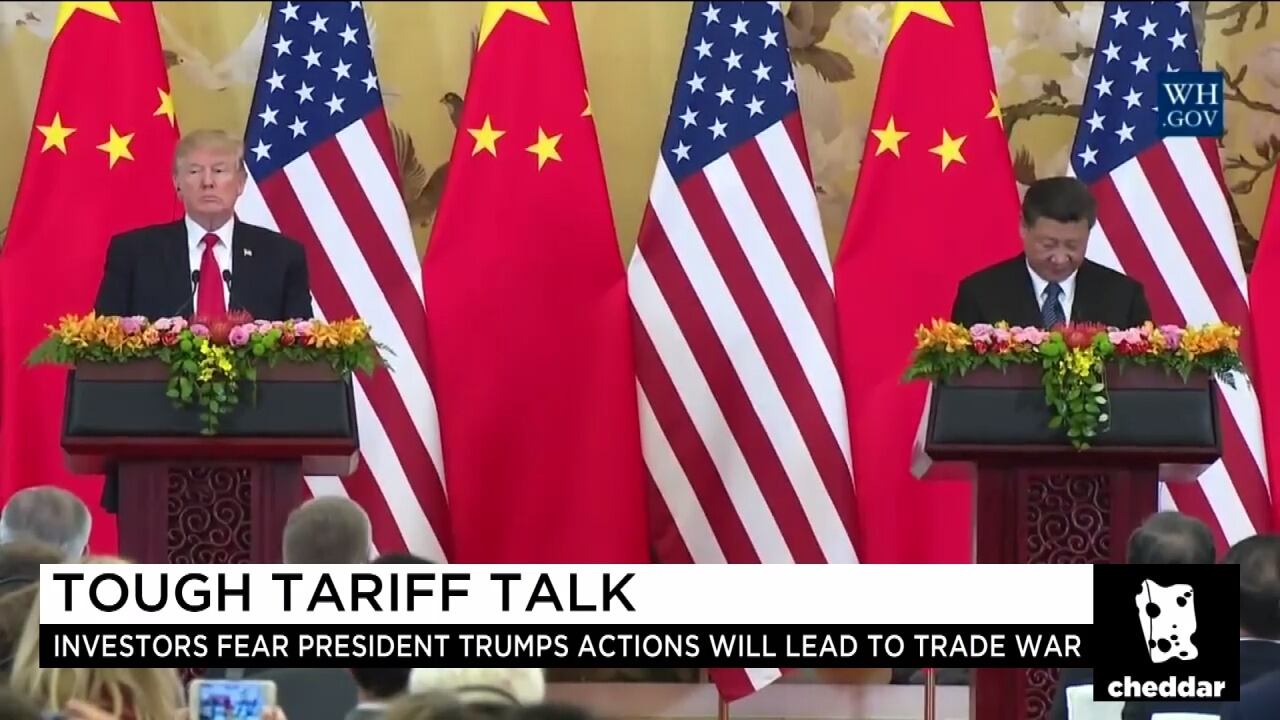
The trade war rhetoric "runs the risk of overplaying [Trump's] hand" in negotiations, says Clayton Allen, Vice President of Special Situations at Height Capital Management. That could, in the long run, come back and hurt employment rates in the U.S.
A lot of top executives of big name brands, like Apple or Starbucks, are starting to take political stances that are "unrelated to the bottom line," explains Aaron Chatterji, Associate Professor at Duke University's Fuqua School of Business and author of a recent Harvard Business Review article about CEO activism.